
Can a producer completely change the quality of coffee?
In recent years, consumers have tended to look for the quality of coffee, especially those with novel, unique flavors or high SCA scores. Therefore, manufacturers strive to invest in methods to increase scores and improve coffee quality. Can those methods completely change the original characteristics and make coffee superior? Let’s find out with XLIII Coffee!
I. Coffee quality comes from genetic characteristics
You may find that some types of coffee will always have higher yields or have unique flavors that are different from other varieties. For example, specialty coffees from the Gesha variety are famous for their delicate flavors of jasmine and tropical fruits. High quality coffee from the Bourbon variety impresses with its sweetness and bright acidity. According to studies, this is largely due to the genetic characteristics of the parent plant. Each type of coffee has genetic codes composed of certain combinations of recessive and dominant genes. They will determine most of the pest resistance, yield and flavor characteristics of each type of coffee.

II. How do producers change the quality of coffee?
Cultivation characteristics largely affect the quality, but it does not completely determine the quality of the finished cup of coffee. Some manufacturers say that there are three key factors that affect coffee quality: soil, coffee variety and post-harvest. Of which, soil accounts for 40%, planting varieties 30%, and finally treatment and care. Postharvest. You can see the difference in yield and flavor when comparing two types of coffee, the same variety from two different growing regions. So what can manufacturers do to improve quality?
Increased flavor profile thanks to farming and harvesting methods
Living environment conditions are one of the fundamental factors that create coffee quality. These include soil quality, climate, sunlight, altitude, humidity, and other natural conditions. All types of coffee have the potential to become specialty coffee if you know how to exploit that potential. Farmers can choose planting areas with elevations and soil types suitable to the needs of each type of coffee to improve growth. In addition, growers can apply agroforestry farming with the amount of intercropping trees calculated based on the number of hours of sunlight and humidity between 18 – 21 degrees Celsius. This will create shade layers to help trees. Avoid direct sunlight, optimize moisture and grow healthily. Many farmers also make efforts to apply organic methods to improve the condition and productivity of coffee. Even specialty coffee producers renovate growing areas, creating a diverse ecosystem and microclimate, making the flavor unique and improving their scores.

Coffee quality can improve if harvested properly. By ensuring only ripe coffee cherries are picked, the coffee can improve overall sweetness. Because the more ripe the coffee fruit, the higher the sugar content. Meanwhile, unripe coffee has many compounds that have not yet been metabolized, reducing the overall sweetness. But when coffee passes the level of perfect ripeness, the sugar content and compounds will change, causing strange, unwanted flavors. Sweetness is worth up to 10 points in SCA’s formula for evaluating the quality of Arabica green coffee beans. Ensuring that coffee is picked at the right time to ripen not only enhances its deliciousness but also helps increase its flavor score significantly.

Increase uniqueness thanks to the post-harvest process
The post-harvest process is the final step in the production process but has a great impact on maintaining and developing the uniqueness of coffee. The sorting step removes defective coffee beans, helping ensure coffee consistency. Next, the coffee must be processed immediately to avoid uncontrolled fermentation. If uncontrolled fermentation takes place, it is very difficult for the manufacturer to change the quality of the coffee and can cause the coffee to be contaminated with toxic fungi that affect the quality of the beans and the health of users. However, coffee quality can increase by 3 to 4 points if controlled fermentation is used and the coffee is dried evenly and thoroughly.

The genetic characteristics of the coffee plant have a huge impact on the strength, yield and quality of the cup of coffee. But quality can vary thanks to the producer’s land management practices, harvesting methods, grading and fermentation control. However, they can only highlight the inherent intrinsic qualities of coffee but cannot completely transform it. Experts advise that consumers should carefully study the internal characteristics and qualities of each type to choose high-quality, safe coffee for themselves. You can use high quality specialty coffee products with transparency in information and production origin from XLIII Coffee.
Don’t forget to follow XLIII Coffee’s Journal channel to update useful information!
III. FAQs
1. What are the key genetic characteristics that affect coffee quality?
Genetic codes, composed of recessive and dominant genes, determine pest resistance, yield, and flavor characteristics of each coffee type.
2. What are the three main factors that producers say affect coffee quality?
Soil accounts for 40%, coffee variety for 30%, and post-harvest processing contributes to the remaining percentage of coffee quality.
3. What role does harvesting at the right time play in coffee quality?
Harvesting ripe cherries increases coffee sweetness, while overripe or underripe cherries can negatively affect flavor due to changes in sugar content and other compounds.
4. How can producers increase the uniqueness of coffee flavors?
Producers can enhance uniqueness through proper fermentation control, drying techniques, and organic farming practices that help develop distinctive coffee profiles.
5. What impact does proper sorting have on coffee quality?
Sorting removes defective beans, ensuring consistency and enhancing the quality of the coffee.

Bài viết mới
- Find the Origin
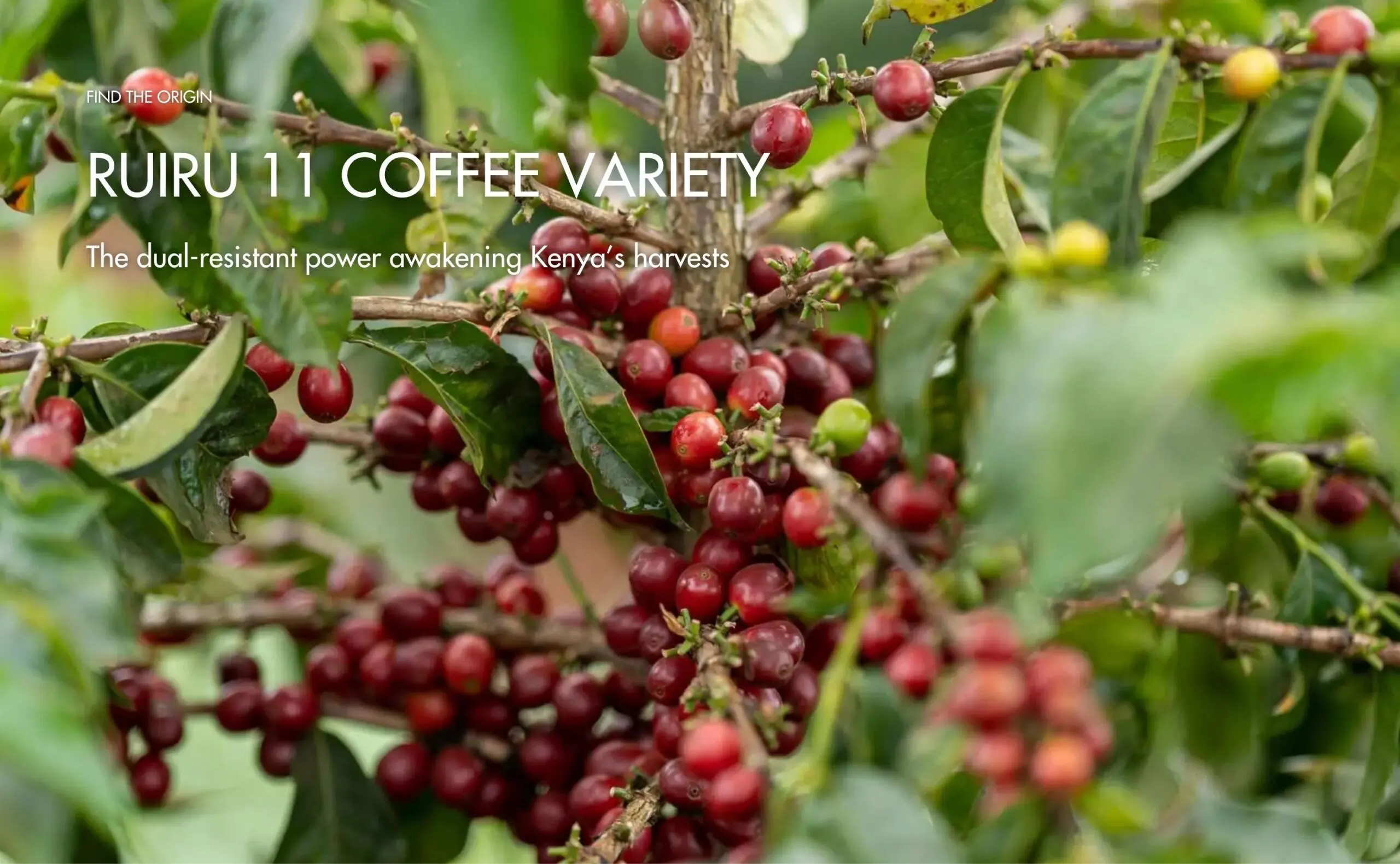
Ruiru 11 coffee variety – The dual-resistant power awakening Kenya’s harvests
Born from the ashes of a devastating pandemic, Ruiru 11 is a resilient response of indigenous wisdom to the trials of nature. Carrying a complex genetic code from 66 sibling isolines, this humbly statured coffee variety possesses superb “dual-resistance” against the twin shadows of Coffee Berry Disease and Coffee Leaf Rust. Overcoming early prejudices and the paradox of trade-offs between yield and flavor, Ruiru 11 has been weaving through nurseries, awakening dormant harvests across highland hillsides, and igniting a proud flame of self-reliance for Kenyan coffee.

- Taste the Origin
Sudan Rume #00313 by CGLE – The origin legend beneath the Eucalyptus canopy
From a wild coffee lineage discovered in the Rume Mountains in the 1940s to the enduring conservation efforts of Café Granja La Esperanza, Sudan Rume #00313 by CGLE invites drinkers on a sensory pilgrimage to the birthplace of the Arabica world. It is a rare biological legacy preserved through unwavering dedication, integrity, and deep reverence for history.
- Taste the Origin
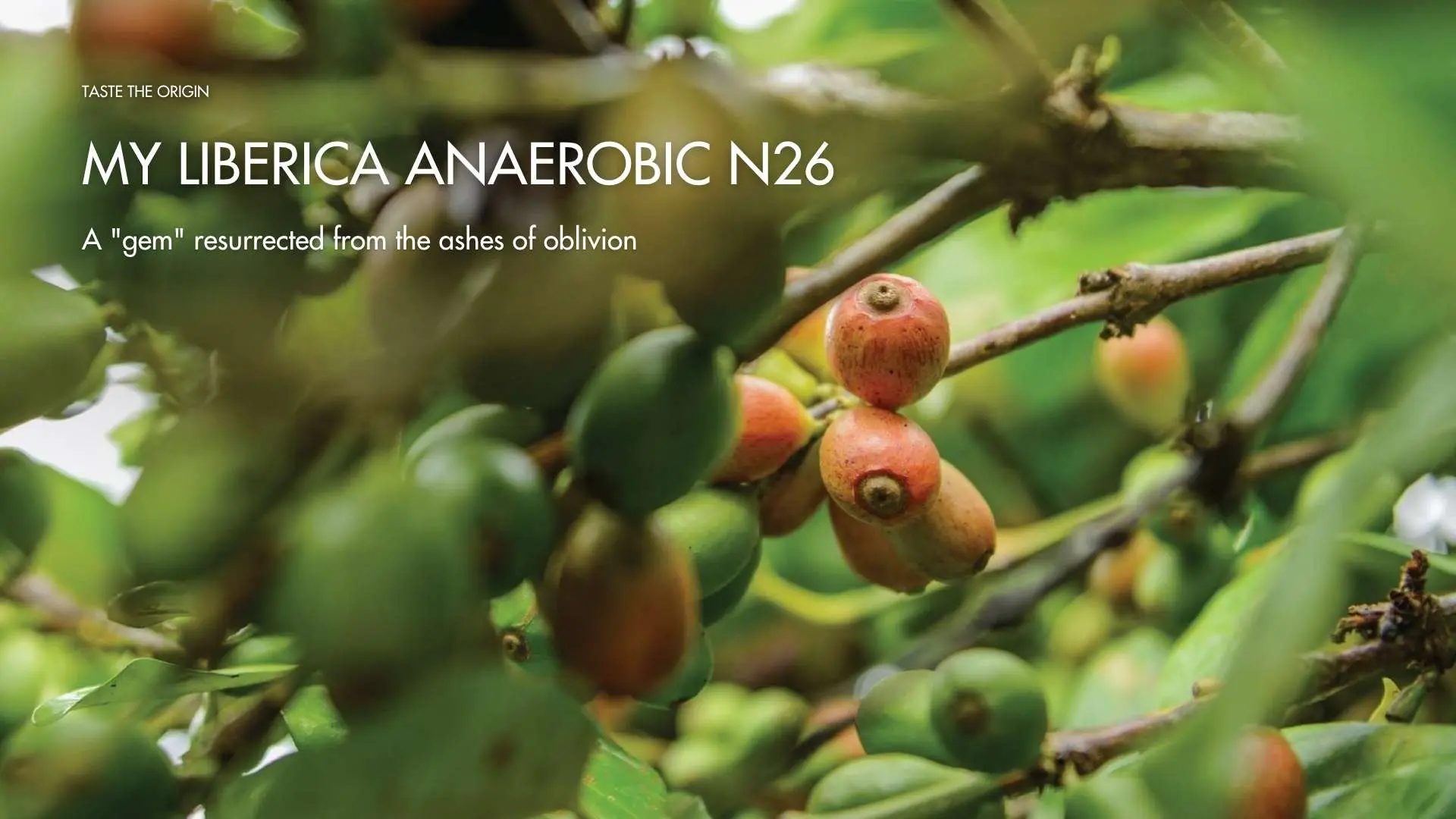
My Liberica Anaerobic N26 – A “gem” resurrected from the ashes of oblivion
The journey of My Liberica Anaerobic N26 is the triumph of a forgotten species, awakened by the depth of understanding, patience, and faith in its original essence. From the heavy clay layers of Kulai to 26 days of transformation in absolute darkness, each step contributes to unlocking layers of flavor that the world once thought could not exist in Liberica. More than just a cup of coffee, My Liberica Anaerobic N26 is a powerful declaration that all great values begin with the courage to delve into their essence, and then rise to a unique voice that resonates throughout the world.


- Taste the Origin
Finca Soledad Mejorado Tyoxy & Fincas Putushio Mejorado – The red thread of the Jijón family
The simultaneous arrival of Finca Soledad Mejorado Tyoxy and Fincas Putushio Mejorado at XLIII Coffee paints a remarkable portrait of the adaptability of the Mejorado variety within Ecuador’s specialty coffee landscape. Nurtured by a shared family philosophy and a commitment to principled cultivation, these two processed lots represent both a breakthrough in microbial innovation and the remarkable return of an exceptional flavor profile.

- Taste the Origin
Finca La Palestina Gesha #5482 – A new chapter in the legend from Cajamarca
From the renowned Cajamarca region, Finca La Palestina Gesha #5482 returns after a period of absence with a proud and fresh appearance. Nurtured in ideal altitude conditions and the cool climate characteristic of the Andes, each coffee bean slowly accumulates subtle flavor nuances before being perfected using the Washed method to maximize the purity of the Gesha variety. Under a carefully refined extremely-light roast profile, this batch of coffee reveals layers of white jasmine, ripe citrus, and sweet golden apricot aromas, interwoven in an elegant and rich flavor structure.

Specialty Coffee in Vietnam
BRAND VALUE
YOU SHOULD HAVE KNOWN
XLIII Coffee has been aiming to become a big, impactful company with social responsibilities,
have access to high-quality raw materials and convey the complete original values of coffee to our customer
