Get more experience with Discovery Subscription

Latest

Find the Origin
See all
Mejorado Coffee Variety – The Perfect Blend of Bourbon & SLN Hybrid Lineage
Originating from the windswept hillsides of the South American highlands, the Mejorado coffee variety tells the story of a genetic masterpiece that is redefining the boundaries of the contemporary Specialty Coffee world. Behind a easily misunderstood name lies a completely distinct alter ego, where the sweet heritage of the Bourbon variety intertwines with the resilient vitality of the SLN hybrid lineage. Thanks to a profound slow-ripening process in the chill of extreme altitudes, this seed nurtures a magnificent flavor profile with ethereal floral and fruit notes, stepping onto the altars of global competitions to assert its status as a future icon, ready to stir the most discerning senses.

Mandela coffee variety – A convergence of generations from a masterpiece breeding strategy
Amidst the constant fluctuations of the era, Mandela emerges as a gentle yet resilient response from the soil. Instead of attempting to alter or impose upon nature, this breeding strategy is, in essence, a profound act of listening. Each Mandela coffee bean carries the bloodline of multiple generations, possessing both the serene, steadfast nature of native trees and the sparkling elegance of premium varieties. It is a sacred continuation, where the flow of generations ultimate honors the original value of the species, imparting an intact and sustainable vitality into every cup.

Orange Gesha: The Genetic Crossroads and Sensory Architecture
Just when the flavor boundaries of the original Gesha lineage seemed absolute, Orange Gesha emerged as a grand genetic crossover. Here, the delicate, aristocratic floral notes of its Ethiopian heritage are embraced by the dense fructose structure inherited from the Orange Bourbon. Far beyond a mere luxury label, this hybrid represents a revolution in microbiology, terroir, and the art of processing. Let us deconstruct the framework of Orange Gesha – from its profound biological structure to the desire to preserve pristine truth within the global supply chain.

The Guarani Coffee Variety and Daterra’s Ecosystem of Innovation
The evolution of the global specialty coffee industry has reached a pivotal turning point. Today, exceptional flavor profiles must stand shoulder-to-shoulder with agronomic sustainability, genetic innovation, and supply chain transparency. In this landscape, Daterra Coffee – a pioneering producer in Brazil’s Cerrado region – has emerged as a leading institution of high-level scientific research.
Embracing this legacy, XLIII Coffee in Vietnam serves as a bridge, bringing these uncompromised values closer to the specialty coffee community through a philosophy of originality and deep connection. At the heart of this intersection is Guarani, an extraordinary lineage within the Aramosa hybrid family. It stands as a testament to the relentless pursuit of cultivating a coffee variety that is not only resilient to climate change but also delivers a sensory experience that far surpasses traditional standards.
Protect the Origin
See allSpecialty Liberica Coffee & the 2030 Climate Scenario in the New Era
Global temperatures are projected to rise by an additional 1.5°C–2°C by 2030, and regulations classifying coffee as a “non-readily available natural resource” are reshaping the market. We are forced to acknowledge the fragility of the Arabica empire. XLIII Coffee believes that the solution to coffee industry security does not lie in desperately trying to preserve Arabica in warming regions, but in empowering a species with superior adaptive genetics – one of which is Coffea Liberica.
This is an inevitable “Biological Insurance” strategy to ensure the survival of the Specialty Coffee industry amid increasingly extreme natural fluctuations.


Describe the Origin
See allHoney Processing in Liberica Coffee
Flavor defects such as harsh bitterness, woody or decaying notes, wild character, or the heavy, overripe pungency sometimes associated with jackfruit-like Liberica are not fixed traits of the species itself. Rather, they are often the result of outdated farming and processing practices. The shift from traditional processing methods to more sophisticated, fermentation-controlled techniques, especially Honey processing has shown a remarkable ability to transform Liberica’s flavor profile. This method not only reduces negative flavor notes, but also unlocks layers of complex tropical fruit character, deep sweetness, and the rich body for which well-processed Liberica can be known.

Anaerobic fermentation in liberica coffee processing
Advanced techniques such as Anaerobic Natural fermentation combined with intermittent drying, Anaerobic Honey fermentation using Ragi starter cultures, and microbial inoculation using strains isolated from civet digestion have demonstrated a remarkable ability to transform Liberica’s traditionally perceived “defective” flavor notes such as woody or smoky tones into refined sensory profiles. These methods reveal sweetness reminiscent of stevia-like herbal sweetness, aromas of ripe jackfruit and strawberry, and a dense, syrupy body.

Taste the Origin
See all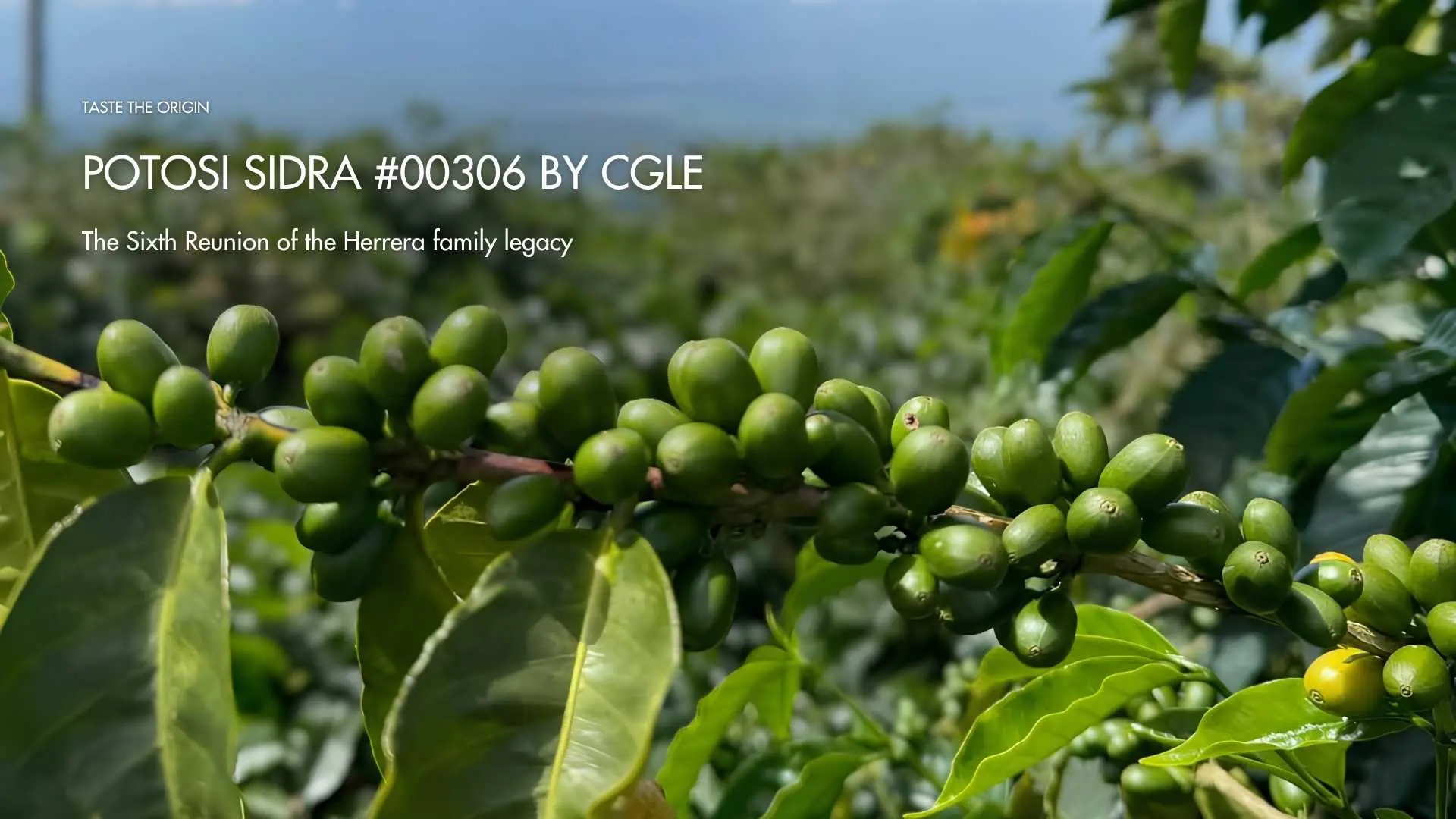
Potosi Sidra #00306 – The sixth reunion of the Herrera family legacy
The sixth harvest marks the return of Potosi Sidra #00306 by CGLE, carrying the presence of a family patriarch entrusted with more than eighty years of heritage from the Herrera family. Cultivated in the founding valley of Potosi since 1945 in Caicedonia, this genetic treasure born from the union of Bourbon and Typica presents a remarkably evolved sensory profile. Through its Extremely Light Roast philosophy and the financial transparency of the Paid for Producer model, XLIII Coffee chooses to preserve the authentic voice of terroir and the coffee’s original flavor structure.
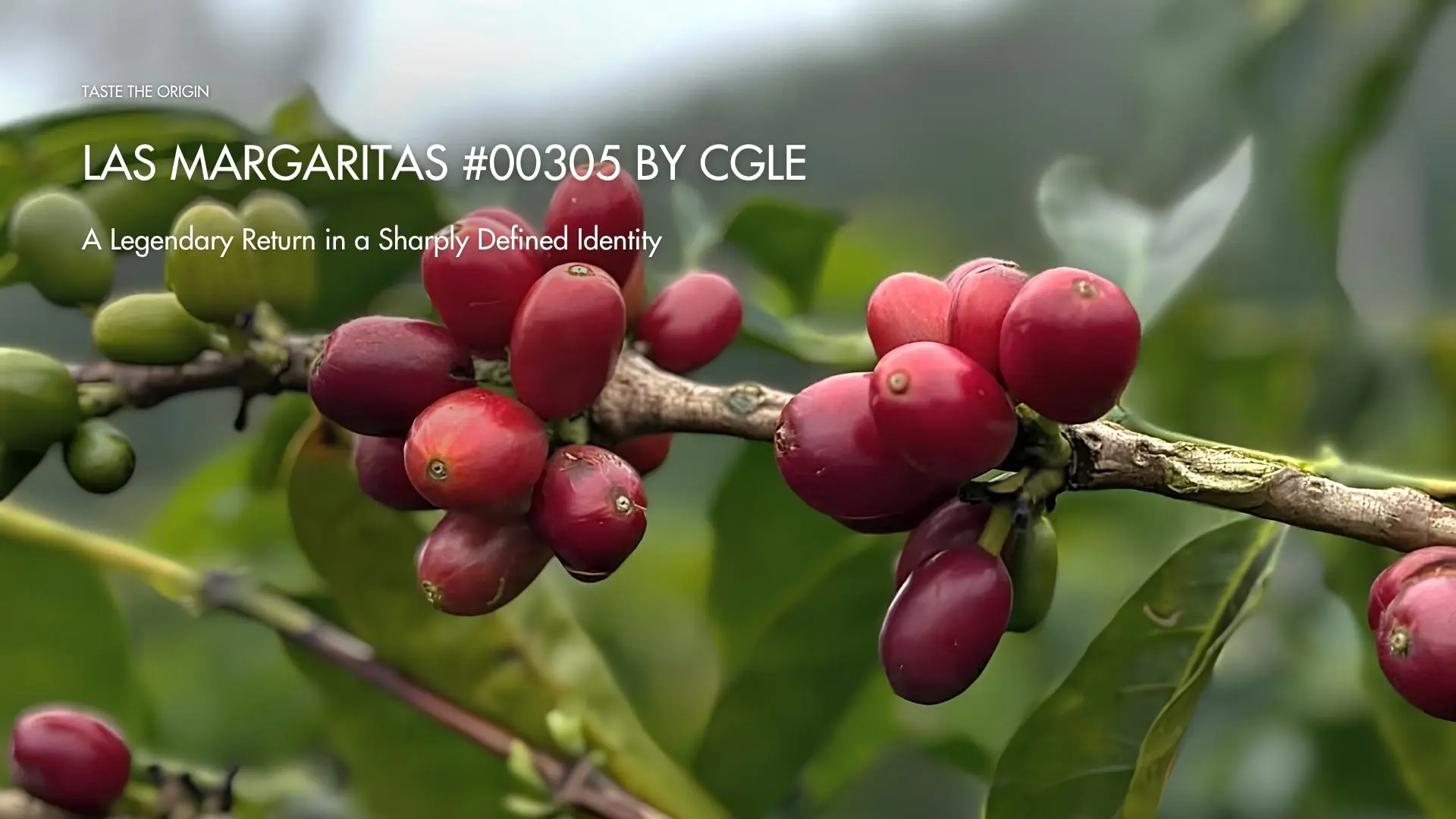
Las Margaritas #00305 by CGLE – A Legend Reunited in a Sharper Identity
Las Margaritas #00305 by CGLE returns to XLIII Coffee as a Gesha masterpiece reborn from the renowned Valle del Cauca...

La Esperanza Gesha #00308 & Mandela Natural #00307 – The Duet of the King and His Successor
As the legacy brilliance of the iconic La Esperanza Gesha #00308 continues to unfold across the highlands of Trujillo, the...

Nigussie Nare – Murago Outgrowers #03028: Cultivated from the Values of Sustainable Reciprocity
Nestled beneath the shade trees of Sidama, Bensa, the Nigussie Nare - Murago Outgrowers #03028 coffee lot serves as a...

Rift Valley Coffee Caucus #03757 – A Testament to Western Kenya’s Collective Spirit
Turning our gaze to the Great Rift Valley of East Africa, the fertile volcanic landscapes are witnessing an inspiring transformation....
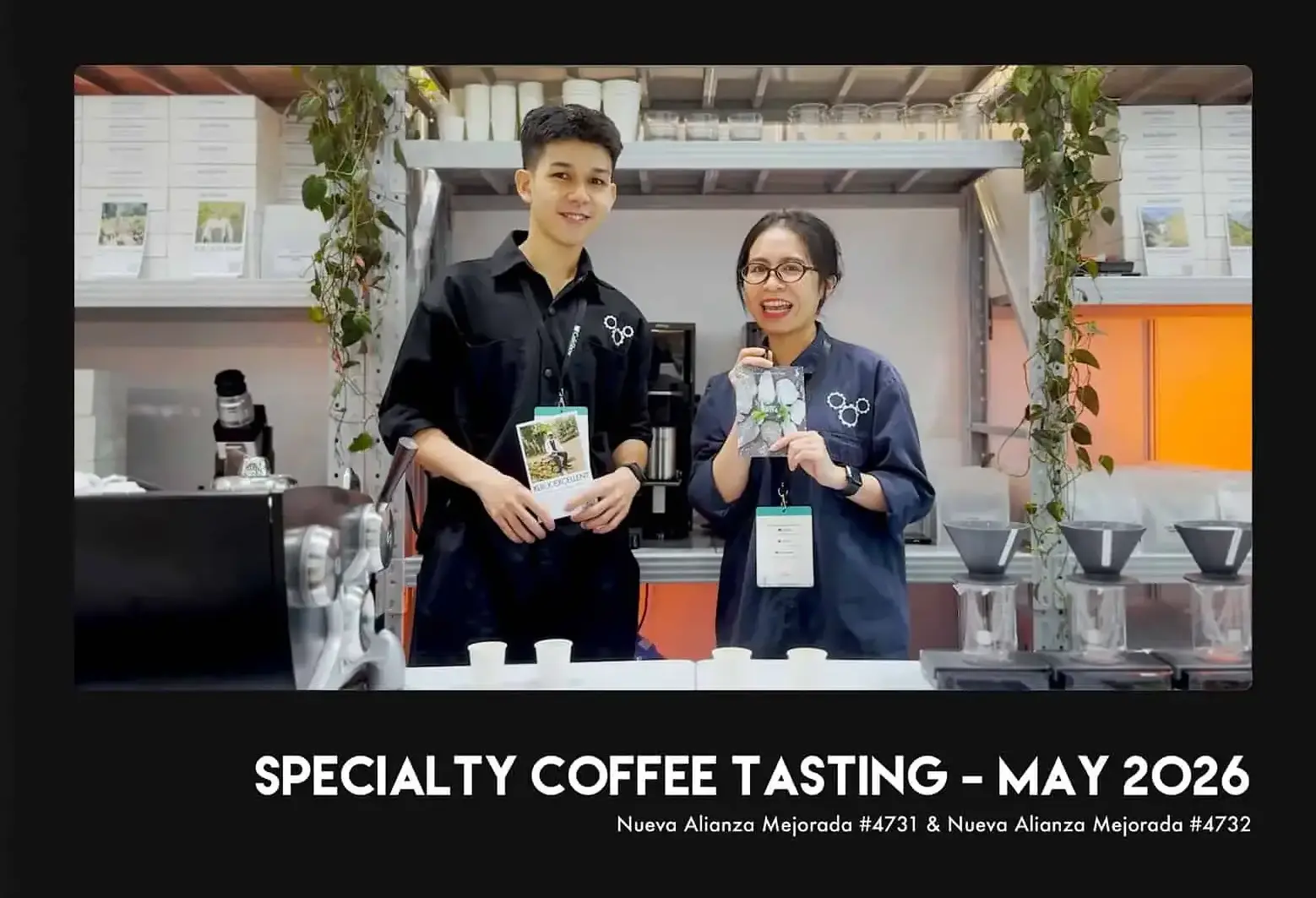
Unveiling May Discovery Subscription: Nueva Alianza Mejorada #4731 & Nueva Alianza Mejorada #4732
The Discovery Subscription is a silent dialogue, a place where the soul of the connoisseur finds a harmonious beat with...

Nueva Alianza Pacamara #4733 – The essence of Cusco with elegant jasmine notes
Nueva Alianza Pacamara #4733 is a testament to the miraculous terroir and dedicated cultivation of the renowned Cusco region. The...
Breaking News
See all
Royal Botanic Gardens, Kew announces new hybrid coffee named Libex
As the global coffee industry faces unprecedented challenges from climate change, the Royal Botanic Gardens, Kew (UK) has brought a ray of hope by formally announcing a natural hybrid coffee named Libex. Identified after intensive genetic research across three continents, Libex represents a perfect intersection between the resilient heat tolerance of Liberica and the robust agronomic vigor of Excelsa.

Airworks Coffee & XLIII Coffee – A “handshake” that brings original flavors across borders
XLIII Coffee, alongside our key wholesale partner Airworks Coffee, officially announces the latest release of specialty coffee lots for the North American market. This event reaffirms our commitment to bringing original flavors across all geographical barriers to coffee enthusiasts.
Early access (for Subscribers of Airworks): 10:00 AM (PST) | Wednesday, April 29, 2026
General access: 10:00 AM (PST) | Friday, May 1, 2026
We invite our Customers and Partners to visit (airworkscoffee.com) for detailed information and to prepare for this special release!

XLIII Coffee at Cafe Show Vietnam 2026: Mapping Biodiversity in “A Cup of the World”
Cafe Show Vietnam 2026 returns with the theme “Inspiring the Coffee Journey.” At the XLIII Coffee pavilion, that journey promises to be an expedition into the heart of flavor, defined by genetic precision and authentic origin.
We believe specialty coffee is far more than a beverage for appreciation. Every green bean is a biological entity carrying millions of years of evolution – the intellectual intersection of a unique genome and the demanding variables of Terroir.

Arabica growing regions are shrinking: Scientific evidence from climate change
For decades, Arabica has been regarded as a coffee variety closely associated with high quality and “ideal” growing conditions at stable high elevations. However, recent scientific research shows that climate change is rapidly altering the core ecological conditions required by Arabica: rising temperatures, increasingly erratic rainfall, and growing pressure from pests and diseases. Climate models and field data increasingly reinforce a clear reality that the area of land suitable for Arabica cultivation is shrinking on a global scale, posing major challenges for the future of the coffee industry.

Specialty Coffee in Vietnam
BRAND VALUE
YOU SHOULD HAVE KNOWN
XLIII Coffee has been aiming to become a big, impactful company with social responsibilities,
have access to high-quality raw materials and convey the complete original values of coffee to our customer
