
Coffee mills enhance educational performance in rural Rwanda
New research finds that Rwanda’s coffee industry reforms, including the expansion of coffee mills, significantly improved the academic performance of primary school children, especially in rural areas. Why? Let’s take a closer look.

This study highlights the surprising link between coffee mills and improved educational outcomes. While it may sound unusual, this is the conclusion of a comprehensive study on Rwanda’s coffee industry.
Specifically, a research team analyzed data from over 1.5 million primary school students who took national exams between 2012 and 2019. Using the “difference-in-difference” method, they compared children born near coffee mills after their establishment with those born before the mills opened or living far from the mills.
The results were quite unexpected: test scores of students exposed to coffee mills increased by 0.09 standard deviations, equivalent to a 4% improvement compared to those unexposed. This effect was particularly significant in rural areas and non-STEM subjects, such as English and social studies.
To ensure reliability, the researchers tested various factors. They examined alternative exposure measures, such as years spent near a coffee mill, and still found consistent results. Confounding factors, such as selective migration or school expansion, were ruled out. The study found no signs of wealthier families moving closer to the mills or new schools being built, confirming that the economic impact of coffee mills was the primary driver. Even when the range expanded from 2.5 km to 5 km, the effect slightly decreased but the overall conclusion remained intact.
Why do coffee mills improve educational performance?
In 2000, Rwanda had only three coffee mills. However, with a national strategy to increase export value, this number grew to 226 mills by 2013. These mills introduced modern wet processing technology, improving coffee quality, increasing farmer incomes, and creating local job opportunities.
According to the study, the impact of coffee mills extended beyond the economy, significantly improving children’s educational achievements. The underlying reasons for this effect include:
Increased Household Income: Higher prices for washed-processed coffee and expanded job opportunities, particularly for women in mills, allowed families to invest more in their children’s education.
Improved Health Conditions: Better living standards reduced stunting rates and increased height-for-age scores among children, which enhanced cognitive abilities and learning efficiency.
Higher School Attendance Rates: Stable incomes enabled families to prioritize education over early child labor, leading to higher attendance and better academic performance.
A remarkable model of agricultural industrialization
This study reveals the enormous potential of agricultural industrialization policies. Rwanda successfully boosted exports and economic growth while simultaneously improving crucial social indicators like education and child health.
Reading this study, I’m reminded to treat myself to a cup of wet-processed coffee and reflect further. After all, coffee is not just a drink—it carries a deeply meaningful story.

Bài viết mới
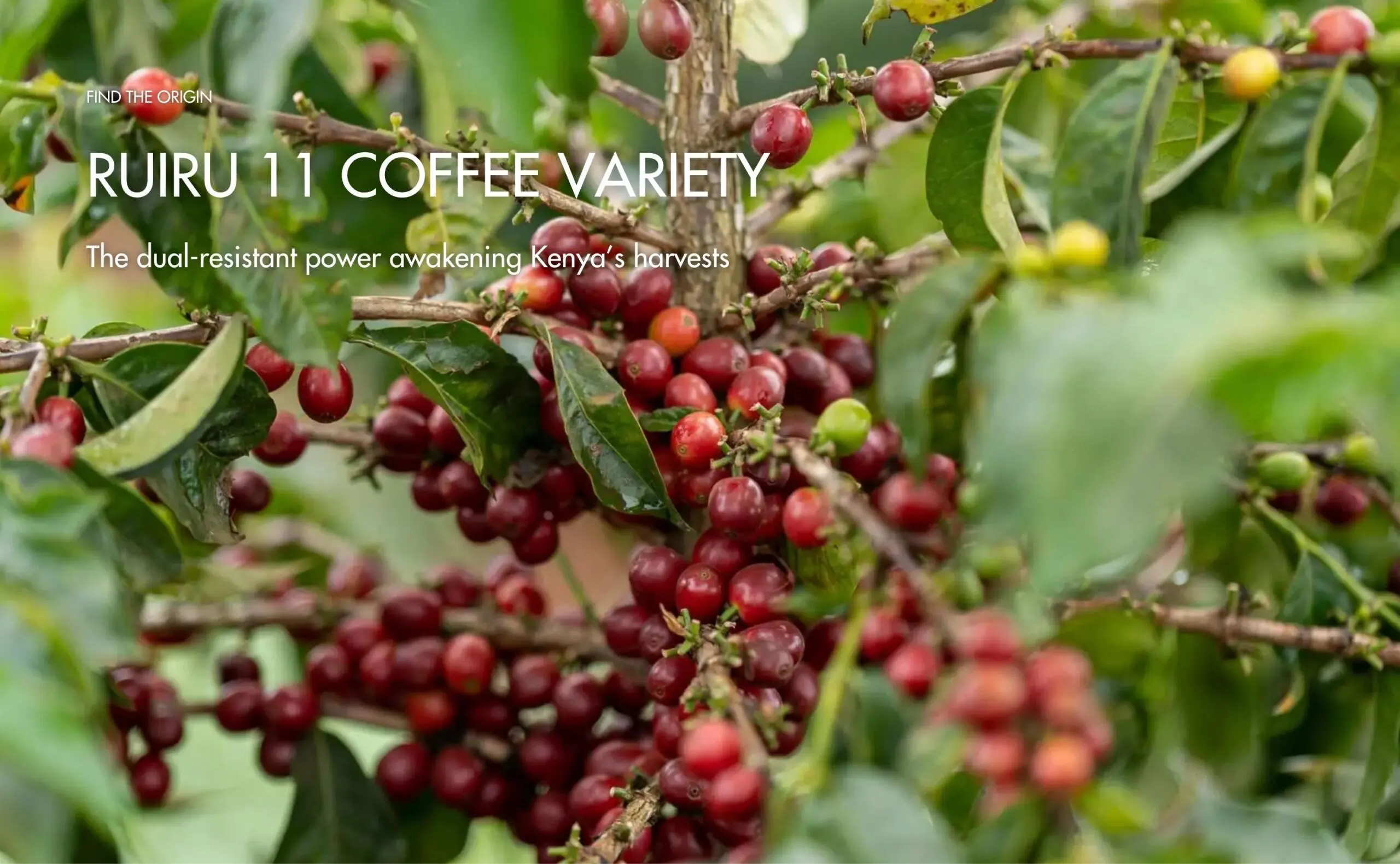
- Find the Origin
Ruiru 11 coffee variety – The dual-resistant power awakening Kenya’s harvests
Born from the ashes of a devastating pandemic, Ruiru 11 is a resilient response of indigenous wisdom to the trials of nature. Carrying a complex genetic code from 66 sibling isolines, this humbly statured coffee variety possesses superb “dual-resistance” against the twin shadows of Coffee Berry Disease and Coffee Leaf Rust. Overcoming early prejudices and the paradox of trade-offs between yield and flavor, Ruiru 11 has been weaving through nurseries, awakening dormant harvests across highland hillsides, and igniting a proud flame of self-reliance for Kenyan coffee.

- Taste the Origin
Sudan Rume #00313 by CGLE – The origin legend beneath the Eucalyptus canopy
From a wild coffee lineage discovered in the Rume Mountains in the 1940s to the enduring conservation efforts of Café Granja La Esperanza, Sudan Rume #00313 by CGLE invites drinkers on a sensory pilgrimage to the birthplace of the Arabica world. It is a rare biological legacy preserved through unwavering dedication, integrity, and deep reverence for history.
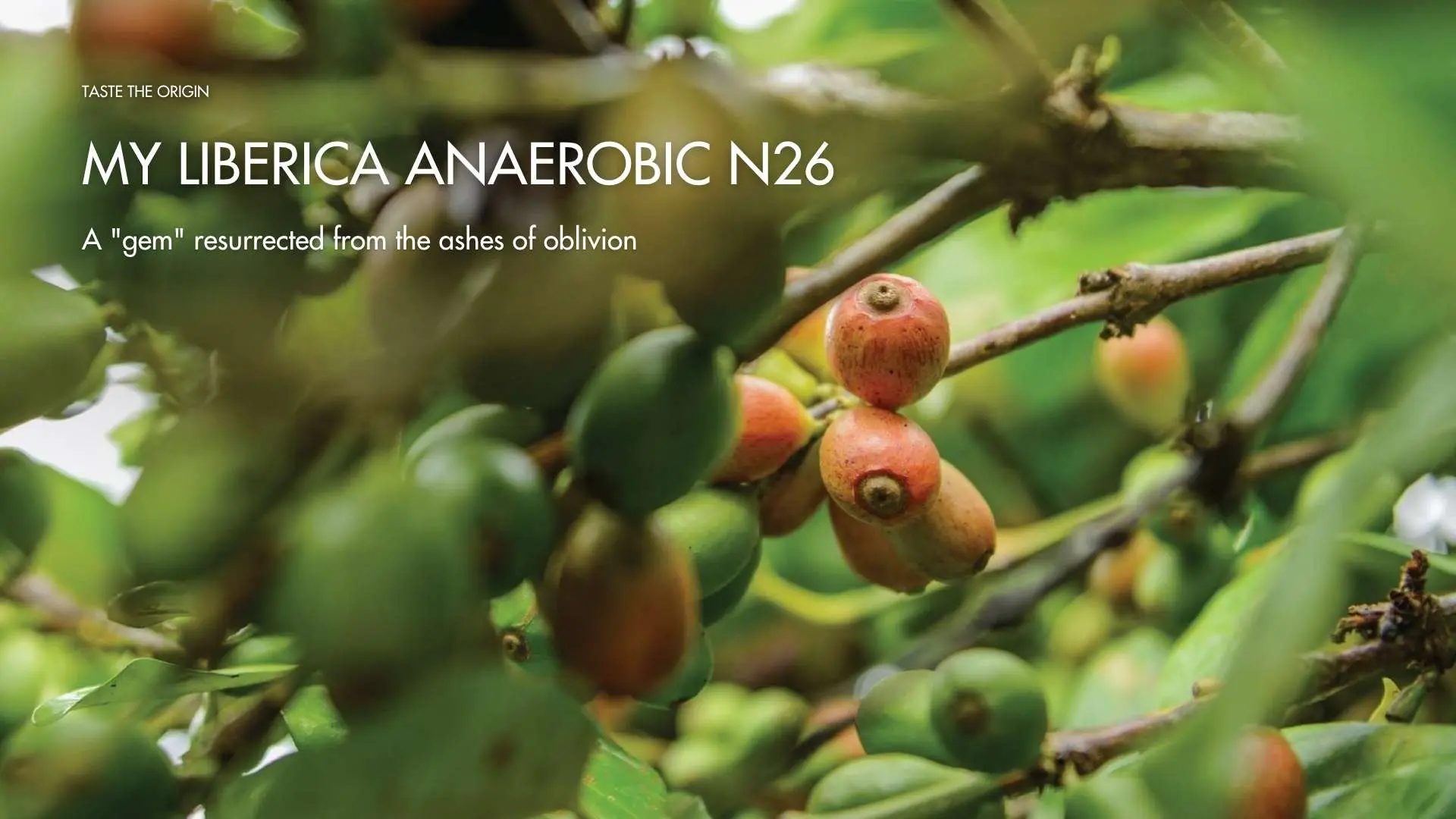
- Taste the Origin
My Liberica Anaerobic N26 – A “gem” resurrected from the ashes of oblivion
The journey of My Liberica Anaerobic N26 is the triumph of a forgotten species, awakened by the depth of understanding, patience, and faith in its original essence. From the heavy clay layers of Kulai to 26 days of transformation in absolute darkness, each step contributes to unlocking layers of flavor that the world once thought could not exist in Liberica. More than just a cup of coffee, My Liberica Anaerobic N26 is a powerful declaration that all great values begin with the courage to delve into their essence, and then rise to a unique voice that resonates throughout the world.


- Taste the Origin
Finca Soledad Mejorado Tyoxy & Fincas Putushio Mejorado – The red thread of the Jijón family
The simultaneous arrival of Finca Soledad Mejorado Tyoxy and Fincas Putushio Mejorado at XLIII Coffee paints a remarkable portrait of the adaptability of the Mejorado variety within Ecuador’s specialty coffee landscape. Nurtured by a shared family philosophy and a commitment to principled cultivation, these two processed lots represent both a breakthrough in microbial innovation and the remarkable return of an exceptional flavor profile.

- Taste the Origin
Finca La Palestina Gesha #5482 – A new chapter in the legend from Cajamarca
From the renowned Cajamarca region, Finca La Palestina Gesha #5482 returns after a period of absence with a proud and fresh appearance. Nurtured in ideal altitude conditions and the cool climate characteristic of the Andes, each coffee bean slowly accumulates subtle flavor nuances before being perfected using the Washed method to maximize the purity of the Gesha variety. Under a carefully refined extremely-light roast profile, this batch of coffee reveals layers of white jasmine, ripe citrus, and sweet golden apricot aromas, interwoven in an elegant and rich flavor structure.

Specialty Coffee in Vietnam
BRAND VALUE
YOU SHOULD HAVE KNOWN
XLIII Coffee has been aiming to become a big, impactful company with social responsibilities,
have access to high-quality raw materials and convey the complete original values of coffee to our customer
