
Environmental in coffee
The coffee industry has become an essential part of modern life, connecting millions of people worldwide through each delicious cup of coffee enjoyed daily. However, behind the pleasure of coffee lies significant environmental challenges, particularly related to its carbon footprint.

According to Coffee Green Beans magazine, coffee is the second most traded commodity globally, just after oil. Although consumption varies widely by country, the average person consumes about 1.3 kg of coffee per year.
Globally, between 1.6 to 2 billion cups of coffee are consumed daily. Around 125 million people rely on coffee cultivation for their livelihoods, not to mention those involved in roasting, trading, and processing.
Coffee consumption has surged exponentially in recent decades, with coffee production growing by 60% over the last 30 years (according to the International Coffee Organization – ICO).
This growth has led to significant environmental threats. Coffee production—from cultivation, harvesting, to transportation and processing—generates considerable CO₂ emissions. It is also linked to various environmental issues, including water pollution, deforestation, soil degradation, and biodiversity loss. ICO research estimates that an average cup of coffee can emit up to 59 grams of CO₂. This amount can be higher for coffee types that require complex production processes or are transported over long distances. This highlights the carbon footprint of the coffee industry as an issue deserving serious attention.
The ICO report also indicates that monoculture farming methods, a traditional model, put immense pressure on natural resources, impacting biodiversity and intensifying climate change. Adopting sustainable farming practices—such as growing coffee under shade trees, using organic fertilizers, and recycling wastewater during processing—not only improves coffee bean quality but also helps protect surrounding ecosystems.
Thus, sustainable development in the coffee sector should be seen not just as a trend but as an urgent responsibility. Furthermore, while environmental sustainability at the farm level is essential, it’s important to highlight the role of all stakeholders, including roasters and consumers.
Ultimately, only by acting together can we create a brighter future for both the coffee industry and our planet.

Bài viết mới
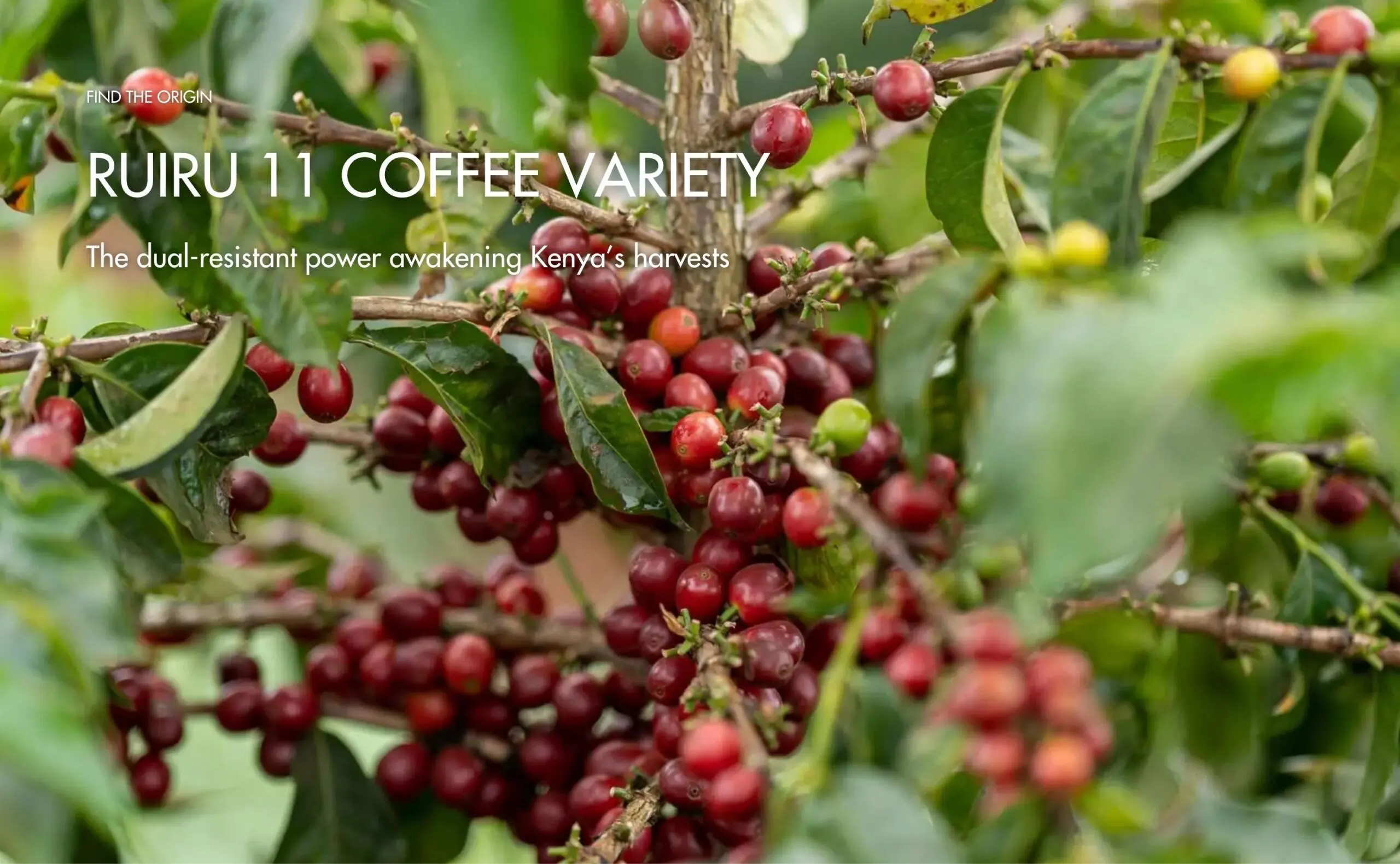
- Find the Origin
Ruiru 11 coffee variety – The dual-resistant power awakening Kenya’s harvests
Born from the ashes of a devastating pandemic, Ruiru 11 is a resilient response of indigenous wisdom to the trials of nature. Carrying a complex genetic code from 66 sibling isolines, this humbly statured coffee variety possesses superb “dual-resistance” against the twin shadows of Coffee Berry Disease and Coffee Leaf Rust. Overcoming early prejudices and the paradox of trade-offs between yield and flavor, Ruiru 11 has been weaving through nurseries, awakening dormant harvests across highland hillsides, and igniting a proud flame of self-reliance for Kenyan coffee.

- Taste the Origin
Sudan Rume #00313 by CGLE – The origin legend beneath the Eucalyptus canopy
From a wild coffee lineage discovered in the Rume Mountains in the 1940s to the enduring conservation efforts of Café Granja La Esperanza, Sudan Rume #00313 by CGLE invites drinkers on a sensory pilgrimage to the birthplace of the Arabica world. It is a rare biological legacy preserved through unwavering dedication, integrity, and deep reverence for history.
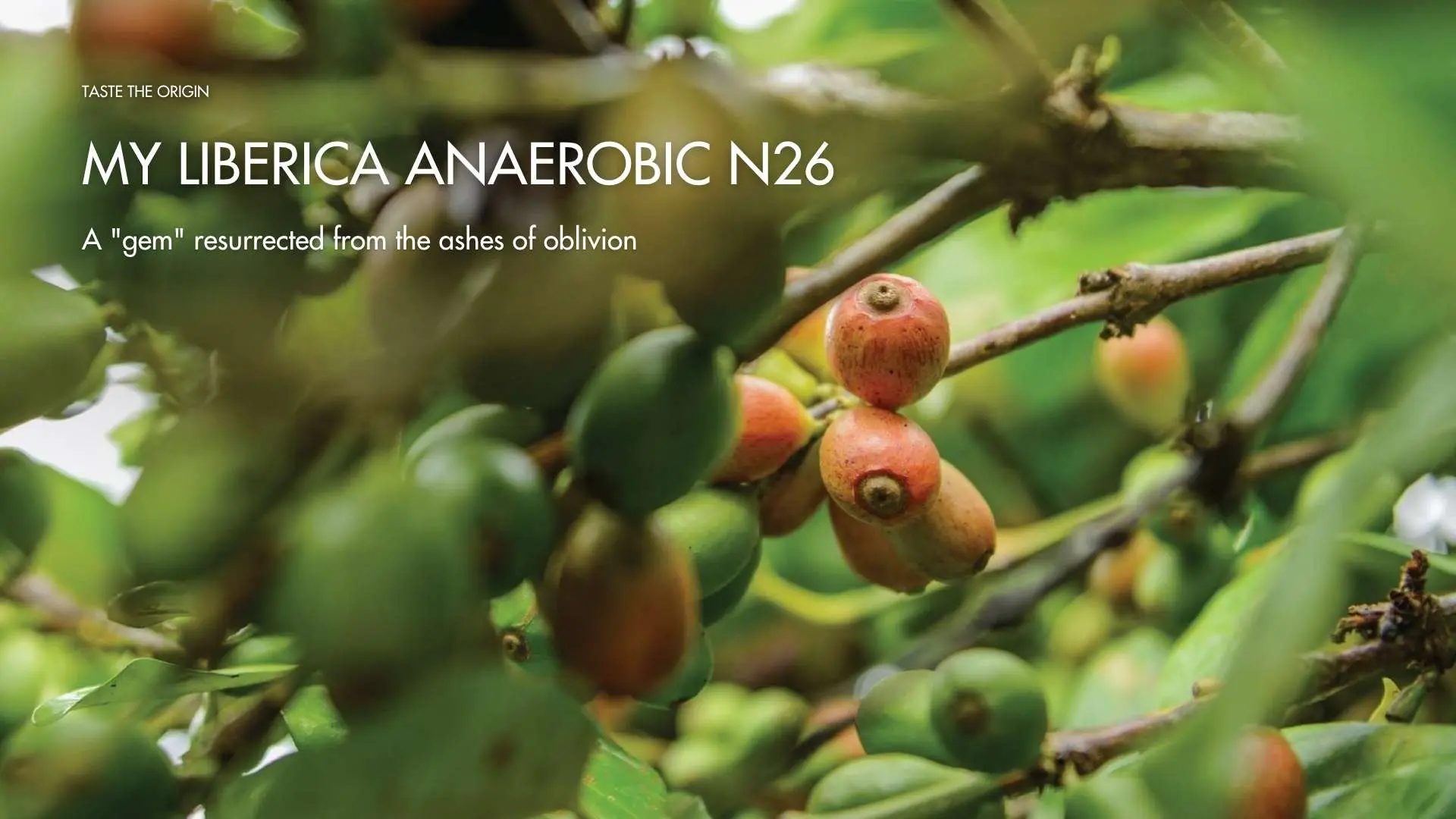
- Taste the Origin
My Liberica Anaerobic N26 – A “gem” resurrected from the ashes of oblivion
The journey of My Liberica Anaerobic N26 is the triumph of a forgotten species, awakened by the depth of understanding, patience, and faith in its original essence. From the heavy clay layers of Kulai to 26 days of transformation in absolute darkness, each step contributes to unlocking layers of flavor that the world once thought could not exist in Liberica. More than just a cup of coffee, My Liberica Anaerobic N26 is a powerful declaration that all great values begin with the courage to delve into their essence, and then rise to a unique voice that resonates throughout the world.


- Taste the Origin
Finca Soledad Mejorado Tyoxy & Fincas Putushio Mejorado – The red thread of the Jijón family
The simultaneous arrival of Finca Soledad Mejorado Tyoxy and Fincas Putushio Mejorado at XLIII Coffee paints a remarkable portrait of the adaptability of the Mejorado variety within Ecuador’s specialty coffee landscape. Nurtured by a shared family philosophy and a commitment to principled cultivation, these two processed lots represent both a breakthrough in microbial innovation and the remarkable return of an exceptional flavor profile.

- Taste the Origin
Finca La Palestina Gesha #5482 – A new chapter in the legend from Cajamarca
From the renowned Cajamarca region, Finca La Palestina Gesha #5482 returns after a period of absence with a proud and fresh appearance. Nurtured in ideal altitude conditions and the cool climate characteristic of the Andes, each coffee bean slowly accumulates subtle flavor nuances before being perfected using the Washed method to maximize the purity of the Gesha variety. Under a carefully refined extremely-light roast profile, this batch of coffee reveals layers of white jasmine, ripe citrus, and sweet golden apricot aromas, interwoven in an elegant and rich flavor structure.

Specialty Coffee in Vietnam
BRAND VALUE
YOU SHOULD HAVE KNOWN
XLIII Coffee has been aiming to become a big, impactful company with social responsibilities,
have access to high-quality raw materials and convey the complete original values of coffee to our customer
