
Kinini Village #23014 – Cultivating Hope for Future
On the highlands of Rulindo, once witness to poignant history, hope now takes root with Kinini Village #23014. Each green coffee bean proudly embodies Specialty Coffee standards, reflecting the efforts and aspirations to transform the lives of local communities.
I. Origin and Background of Kinini Village #23014
Kinini Village #23014 originates from the Kinini washing station. The term “Kinini,” meaning “project” in Kinyarwanda, symbolizes connection and the desire for change. This is part of a long-term, nonprofit initiative established by Malcolm Clear and Jacqueline Turner.

Kinini Village #23014 cultivated from Bourbon coffee varieties in Kinini Village, Rulindo District, Northern Province
They work closely with local residents to produce sustainable, high-quality coffee while improving the local environment. Moreover, a portion of the coffee profits is reinvested in building schools and health facilities, providing opportunities for widows and orphans impacted by the 1994 genocide, and supporting these initiatives in the long term.
This lot is cultivated from Bourbon coffee varieties in Kinini Village, Rulindo District, Northern Province. Nestled on the highland hills at an altitude of 1,800–2,200 masl, this area offers ideal conditions for Arabica coffee cultivation. Fertile soils, a temperate climate averaging 19°C, and abundant rainfall provide the perfect environment for local farmers to grow specialty coffee with rich, natural sweetness and complex flavors highly regarded by experts.

They work closely with local residents to produce sustainable, high-quality coffee while improving the local environment
II. The Production Process: Dedicated Craftsmanship
Sustainable Farming with Kinini Washing Station Collaboration
Kinini Village #23014 represents the strength of unity and collaboration in agriculture. This coffee is nurtured and harvested by a community of 48 members from Rulindo District.
The Kinini washing station plays a crucial role by supplying high-quality Bourbon seedlings, training farmers in modern agricultural techniques, and guiding them toward sustainable farming and proper harvesting methods. This cooperative model not only delivers economic benefits but also fosters responsibility, unity, and empowerment for women, who are often marginalized in this East Africa’s rural areas.

Kinini Village #23014 is nurtured and harvested by a community of 48 members from Rulindo District
Meticulous Washed Processing
Kinini Village #23014 undergoes the washed (washed) processing method, one of the most efficient techniques in the Specialty Coffee industry. Only perfectly ripe cherries are handpicked to ensure flavor uniformity.
The cherries are then fermented for 24–36 hours, depending on temperature and humidity, to remove the mucilage layer, allowing the beans’ natural flavors to develop. After fermentation, the beans are washed and dried on raised beds for about 15 days. These beds, made from mesh, promote airflow to ensure even drying while preventing moisture absorption from the ground. During this process, the beans are frequently turned to avoid undesirable fermentation.
This meticulous processing preserves the beans’ quality and enhances the distinct flavor profile of the Bourbon variety grown in Kinini.

Kinini Village #23014 undergoes the washed (washed) processing method, one of the most efficient techniques in the Specialty Coffee industry
III. The Unique Flavor of Kinini Village #23014
The flavor of Kinini Village #23014 is like an emotional symphony, guiding the taster through layers of natural acidity born from terroir. Each sip strikes a perfect balance between sharp acidity and the sweet richness of pomegranate, brown sugar, and rose.
From the very first taste, vibrant pomegranate notes shine on the palate, evoking a fresh and pure sensation reminiscent of dewdrops on leaves. This natural acidity carries a subtle sweetness, painting a vivid image of juicy, ruby-red pomegranates bursting with life.
Next, a smooth transition unfolds as the deep, warm sweetness of brown sugar envelops the mouth, offering a sense of warmth and completeness. These caramel-like undertones, brought to life through precise roasting, harmonize with the coffee’s bright acidity like a melodious duet.
Finally, the flavor blooms with delicate rose undertones, light and graceful like a newly blossomed flower. This floral finish not only brightens the entire flavor spectrum but leaves an unforgettable impression, a lingering aftertaste as gentle as a breeze across lush highlands.

The flavor of Kinini Village #23014 strikes a perfect balance between sharp acidity and the sweet richness of pomegranate, brown sugar, and rose
IV. XLIII Coffee: Preserving Specialty Coffee Legacy in Vietnam
XLIII Coffee is dedicated to preserving and sharing the essence of Specialty Coffee from around the world with coffee lovers. Guided by principles of transparency, ethics, and responsibility, XLIII Coffee strives to create a sustainable connection from the devoted farmers of Kinini to each cup in customers’ hands.
In this journey, XLIII Coffee commits to paying a fair price of $12.9 per kilogram, honoring the hard work of producers while improving the lives of the coffee-growing community behind Kinini Village #23014. This fairness extends beyond pricing, encompassing meticulous storage and extremely light roasting processes that preserve the beans’ original quality and unique flavor.
Bringing Kinini coffee to Vietnam is more than a simple import activity—it is a mission of passion and dedication. Every bean is carefully handled to maintain its authentic flavor, delivering a refined and unique experience to coffee enthusiasts. Priced at 700,000 VND for 250g, XLIII Coffee sets a standard for those seeking the distinction of Specialty Coffee, built upon stories and efforts behind each bean.

In this journey, XLIII Coffee commits to paying a fair price of $12.9 per kilogram, honoring the hard work of producers while improving the lives of the coffee-growing community behind Kinini Village #23014
Conclusion
Kinini Village #23014 tells the story of this land and sky, carrying hope and sustainable transformation. Behind each coffee bean lies a strong connection to the Kinini community, with part of the profits dedicated to educational and healthcare projects. These efforts have created schools, improved medical facilities, and, most importantly, provided opportunities for women—the pillars of their community.
Through these endeavors, Kinini is planting more than coffee—it is sowing seeds of hope for a sustainable future.
Every cup of this coffee represents a step toward the East Africa’s sustainable development, spreading positive values across the world. Visit XLIII Coffee to savor and embrace the flavor of hope!
Images provided by XLIII Coffee’s partners
V. FAQs
1. Where is Kinini Village #23014 grown, and what makes its growing conditions special?
This lot is cultivated in Kinini Village, Rulindo District, Northern Province, at an altitude of 1,800–2,200 masl. The region boasts a temperate climate averaging 19°C, abundant rainfall, and fertile soils—ideal conditions for high-quality Bourbon coffee with complex flavors.
2. What does Kinini Village #23014 taste like?
This coffee offers a sophisticated experience with vibrant pomegranate notes, the warm sweetness of brown sugar, and delicate floral hints of rose. The harmony of sweet, acidic, and floral flavors creates a complex, emotional tasting journey.
3. What impact does Kinini Village #23014 have on this community?
A portion of the profits from Kinini washing station supports education and healthcare programs, focusing on women and orphans. This coffee represents not only quality but also a symbol of hope and sustainable development for the local community.
4. How does XLIII Coffee preserve the value of Specialty Coffee from Kinini?
XLIII Coffee commits to fair pricing of $12.9 per kilogram, transparency, and careful storage and roasting processes. This ensures the original quality and flavor of the coffee are preserved for an authentic experience.
5. What is the retail price of Kinini Village #23014 in Vietnam?
The retail price is 700,000 VND for 250g of extremely light-roasted Kinini Village LOT 5-26 #23014, catering to coffee lovers seeking a premium Specialty Coffee experience crafted with dedication and meaningful stories.

Bài viết mới

- Taste the Origin
Finca La Palestina Red Bourbon #5487 – A blossoming legacy in the highlands of Cajamarca
Amidst the ethereal clouds of Cajamarca, where the deep forest, Mother Earth, and time harmonize, Finca La Palestina Red Bourbon #5487 is born as a proud epic of heritage. It bears witness to the story of three generations of the Alarcón Coronel family, to their respect for nature, and to their Cup of Excellence achievements. Each layer of fragrance is a journey for all the senses, leading the connoisseur into subtle and captivating depths.

- Breaking News
Royal Botanic Gardens, Kew announces new hybrid coffee named Libex
As the global coffee industry faces unprecedented challenges from climate change, the Royal Botanic Gardens, Kew (UK) has brought a ray of hope by formally announcing a natural hybrid coffee named Libex. Identified after intensive genetic research across three continents, Libex represents a perfect intersection between the resilient heat tolerance of Liberica and the robust agronomic vigor of Excelsa.

- Find the Origin
Mejorado Coffee Variety – The Perfect Blend of Bourbon & SLN Hybrid Lineage
Originating from the windswept hillsides of the South American highlands, the Mejorado coffee variety tells the story of a genetic masterpiece that is redefining the boundaries of the contemporary Specialty Coffee world. Behind a easily misunderstood name lies a completely distinct alter ego, where the sweet heritage of the Bourbon variety intertwines with the resilient vitality of the SLN hybrid lineage. Thanks to a profound slow-ripening process in the chill of extreme altitudes, this seed nurtures a magnificent flavor profile with ethereal floral and fruit notes, stepping onto the altars of global competitions to assert its status as a future icon, ready to stir the most discerning senses.
- Taste the Origin
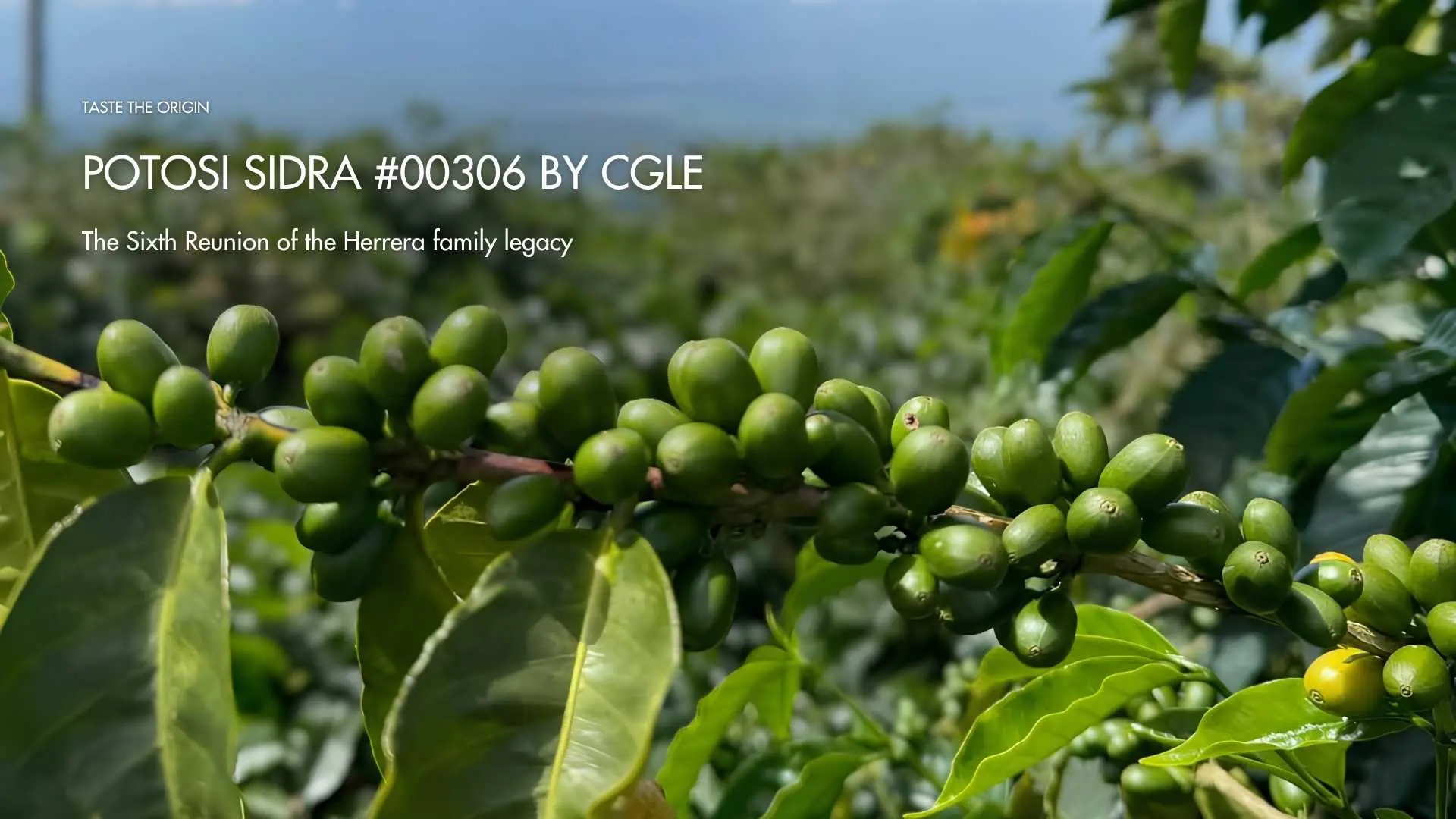
Potosi Sidra #00306 – The sixth reunion of the Herrera family legacy
The sixth harvest marks the return of Potosi Sidra #00306 by CGLE, carrying the presence of a family patriarch entrusted with more than eighty years of heritage from the Herrera family. Cultivated in the founding valley of Potosi since 1945 in Caicedonia, this genetic treasure born from the union of Bourbon and Typica presents a remarkably evolved sensory profile. Through its Extremely Light Roast philosophy and the financial transparency of the Paid for Producer model, XLIII Coffee chooses to preserve the authentic voice of terroir and the coffee’s original flavor structure.
- Taste the Origin
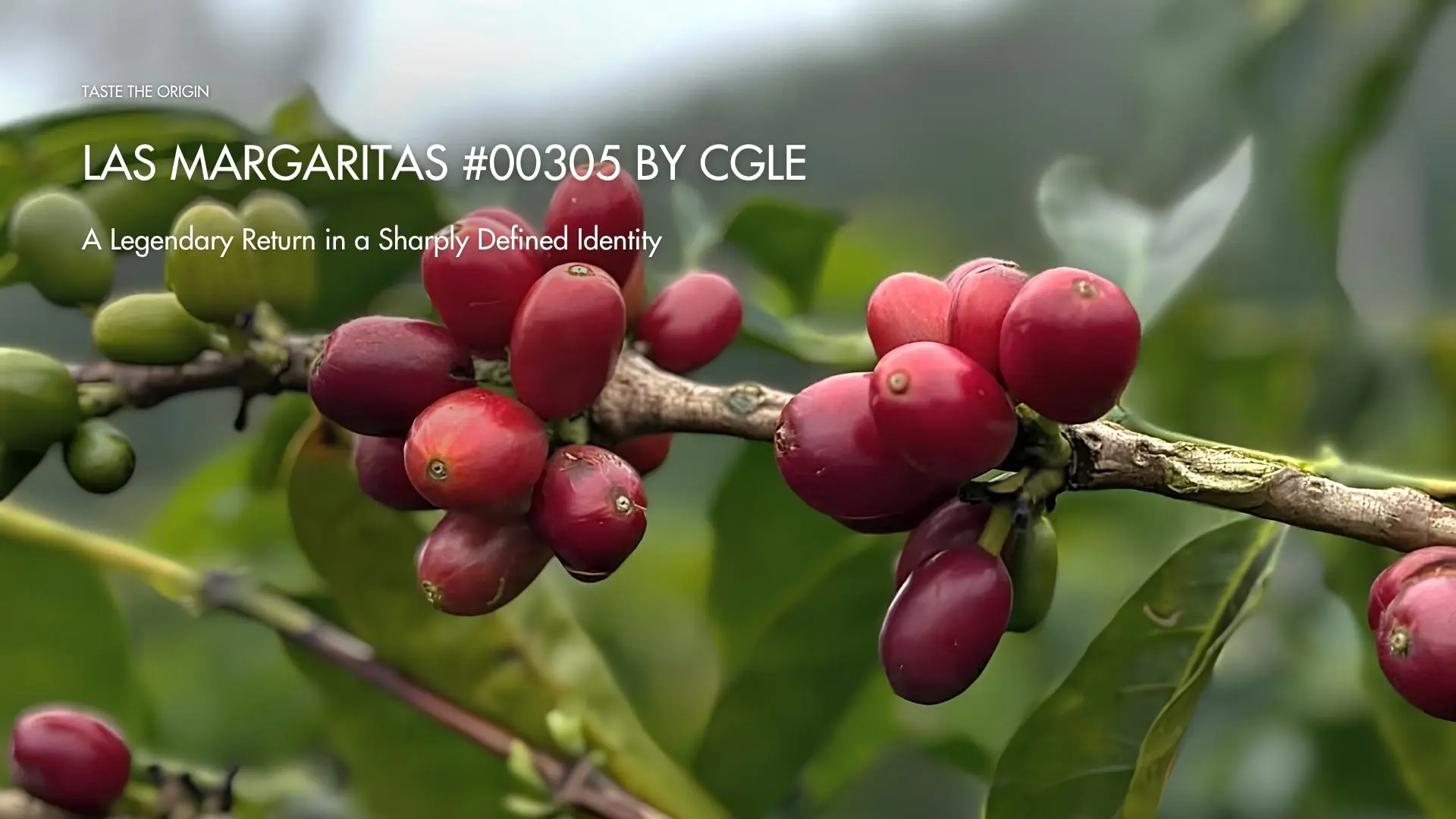
Las Margaritas #00305 by CGLE – A Legend Reunited in a Sharper Identity
Las Margaritas #00305 by CGLE returns to XLIII Coffee as a Gesha masterpiece reborn from the renowned Valle del Cauca region. Infused with the exquisite craftsmanship of Café Granja La Esperanza, this rare batch of coffee embarks on an enchanting flavor journey with vibrant citrus notes, delicate jasmine, and an elegant, lingering Earl Grey finish. Each drop is a crystallization of fertile volcanic soil and the sustainable farming philosophy that CGLE has persistently pursued for decades, creating a full-bodied, sharp flavor profile while retaining the pristine beauty characteristic of the royal Gesha variety.

- Find the Origin
Mandela coffee variety – A convergence of generations from a masterpiece breeding strategy
Amidst the constant fluctuations of the era, Mandela emerges as a gentle yet resilient response from the soil. Instead of attempting to alter or impose upon nature, this breeding strategy is, in essence, a profound act of listening. Each Mandela coffee bean carries the bloodline of multiple generations, possessing both the serene, steadfast nature of native trees and the sparkling elegance of premium varieties. It is a sacred continuation, where the flow of generations ultimate honors the original value of the species, imparting an intact and sustainable vitality into every cup.

Specialty Coffee in Vietnam
BRAND VALUE
YOU SHOULD HAVE KNOWN
XLIII Coffee has been aiming to become a big, impactful company with social responsibilities,
have access to high-quality raw materials and convey the complete original values of coffee to our customer
