
Private auction of coffee and things you didn’t know
Every year, there are many green coffee auctions that take place in the specialty coffee industry. This platform gives producers the opportunity to promote their best coffees and possibly receive higher prices. Furthermore, some private auction of coffee give roasters and buyers access to rarer or limited edition lots. So what is buying specialty coffee through a private auction? Explore with XLIII Coffee!
How to purchase rare specialty coffee in private auctions
Private auctions are a relatively new concept in the coffee industry. Typically, these auctions are organized by importers, exporters, NGOs or other industry stakeholders in the producing countries. It used to be held in person, but now many auctions are starting to take place online, allowing buyers from all over the world to attend.
Prior to the auction, all submitted coffees are graded by professional Q experts on the Specialty Coffee Association’s 100-point scale. At some sessions, pre-auction coffees must score at least 86 points to move to the next evaluation stages. This evaluation process helps promote innovation and improve quality in green coffee auctions.

To participate in the auctions, buyers must register online in advance. Furthermore, the number of seats is limited so registrants may have to pay a fee to participate in the auction. In the auction, buyers need to bid on different lots of green coffee. They will then bid at a specific level until all the coffee has at least one bid or until a specific amount of time has passed without anyone else bidding.

Limited edition specialty coffee through private auction and huge prices
According to many manufacturers and suppliers, private auctions give buyers the opportunity to access rare and limited edition coffee lots. Because this is where manufacturers or cooperatives introduce exclusive and extremely rare farm lots. Finca La Hermosa’s Gesha Forest auction, for example, took place online on July 5, 2023. The auction featured a variety of Gesha coffees. Each variety has its own flavor, aroma and character from different origins, including Guatemala, Panama, Tanzania and Ethiopia. Additionally, some coffee lots undergo processing methods unique to each farm.
Private auction coffee lots are often small in scale. This can mean that producers can get a higher price for their coffee because there is usually only one buyer buying their coffee. In 2004, Hacienda La Esmerelda sold one of the Geishas for $21/lb at the Best of Panama (BoP) auction and achieved a world record for the highest price ever paid for a cup of coffee. Even in 2021, the batch of Gesha honey processed by Elida Estate was sold at a sky-high price of 6,034 USD/lb.

The sustainability of purchasing specialty coffee through private auctions
Private auctions promote transparency, traceability and sustainability in the specialty coffee industry. Producers know where their coffee is going when it is purchased through auctions. Buyers can also know the exact origin of the coffee, increasing traceability. Furthermore, through controlling and paying high prices for quality coffee lots, auctions show respect for the producer’s dedication. Buyers and manufacturers also have the opportunity to meet, discuss and build long-term relationships. This helps the industry make more practical developments.

According to expert opinions, specialty coffee auctions are often associated with exclusivity and high quality. However, more and more green coffee auctions appear on the market. Does the current growth in auction volume contradict the scarcity of extremely rare specialty coffee lines? In addition, in the past, the store mainly introduced wet and semi-wet processed coffee, highlighting the uniqueness of the coffee’s origin. But current auctions highlight new processing techniques, causing manufacturers to try to follow these trends. This could cause the market to prioritize novelty over intrinsic coffee quality, threatening the sustainability of the coffee industry and the stable livelihoods of farmers.

Coffee auctions bring a rare experience, quality, value in terms of transparency, traceability and promoting long-term cooperative relationships in the chain. But for the industry to be fully sustainable, stakeholders need to strive towards quality and ethical, fair, and original values rather than uniqueness based on taste. If you want to experience specialty coffee beans that are both delicious and sustainable, visit XLIII Coffee to enjoy and feel.
Don’t forget to follow XLIII Coffee’s Journal channel to update useful information about the coffee industry!
Related articles:
– Why is coffee yield different in each country?
– Can Sri Lankan specialty coffee rise to the top of the world in the future?

Bài viết mới
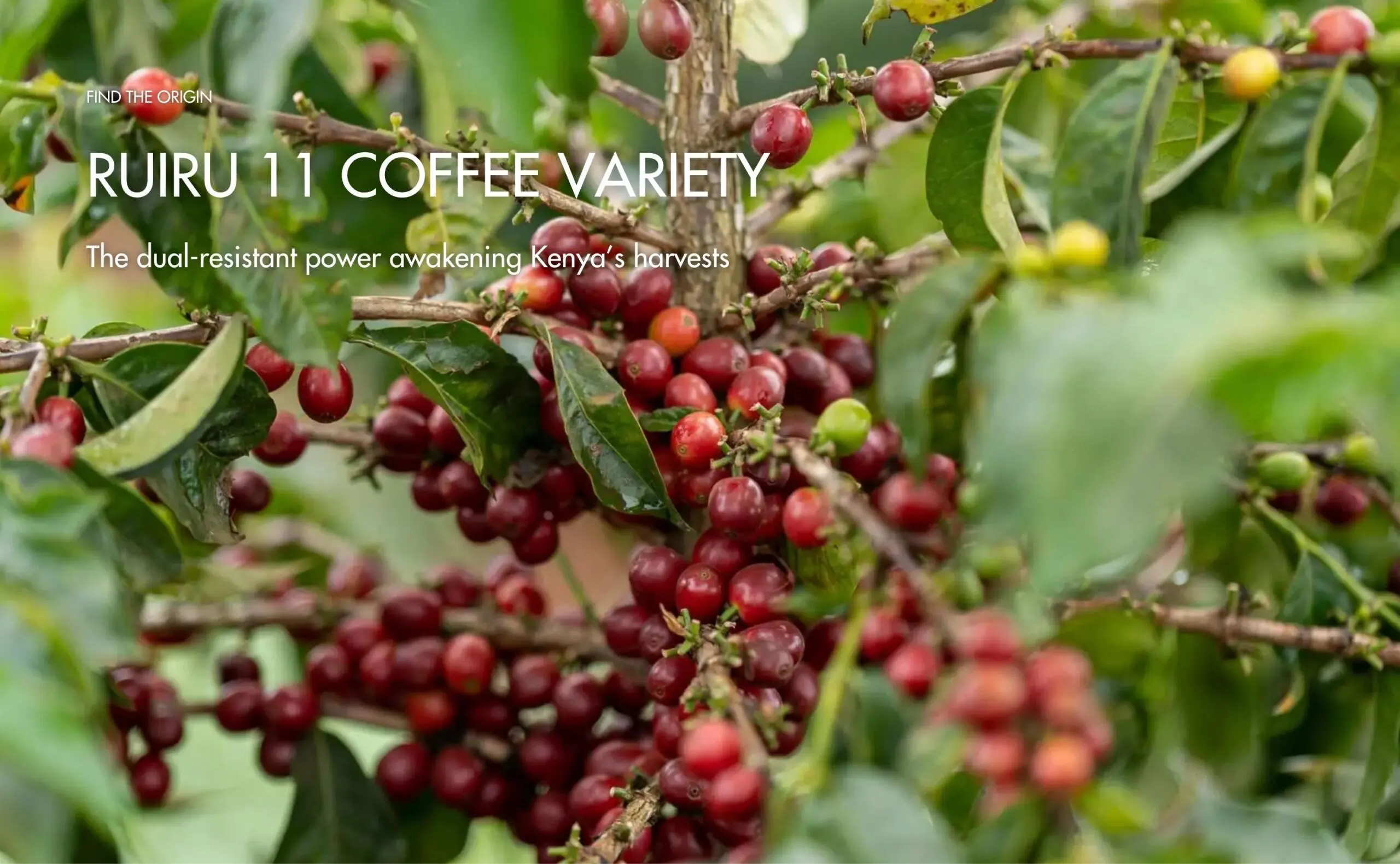
- Find the Origin
Ruiru 11 coffee variety – The dual-resistant power awakening Kenya’s harvests
Born from the ashes of a devastating pandemic, Ruiru 11 is a resilient response of indigenous wisdom to the trials of nature. Carrying a complex genetic code from 66 sibling isolines, this humbly statured coffee variety possesses superb “dual-resistance” against the twin shadows of Coffee Berry Disease and Coffee Leaf Rust. Overcoming early prejudices and the paradox of trade-offs between yield and flavor, Ruiru 11 has been weaving through nurseries, awakening dormant harvests across highland hillsides, and igniting a proud flame of self-reliance for Kenyan coffee.

- Taste the Origin
Sudan Rume #00313 by CGLE – The origin legend beneath the Eucalyptus canopy
From a wild coffee lineage discovered in the Rume Mountains in the 1940s to the enduring conservation efforts of Café Granja La Esperanza, Sudan Rume #00313 by CGLE invites drinkers on a sensory pilgrimage to the birthplace of the Arabica world. It is a rare biological legacy preserved through unwavering dedication, integrity, and deep reverence for history.
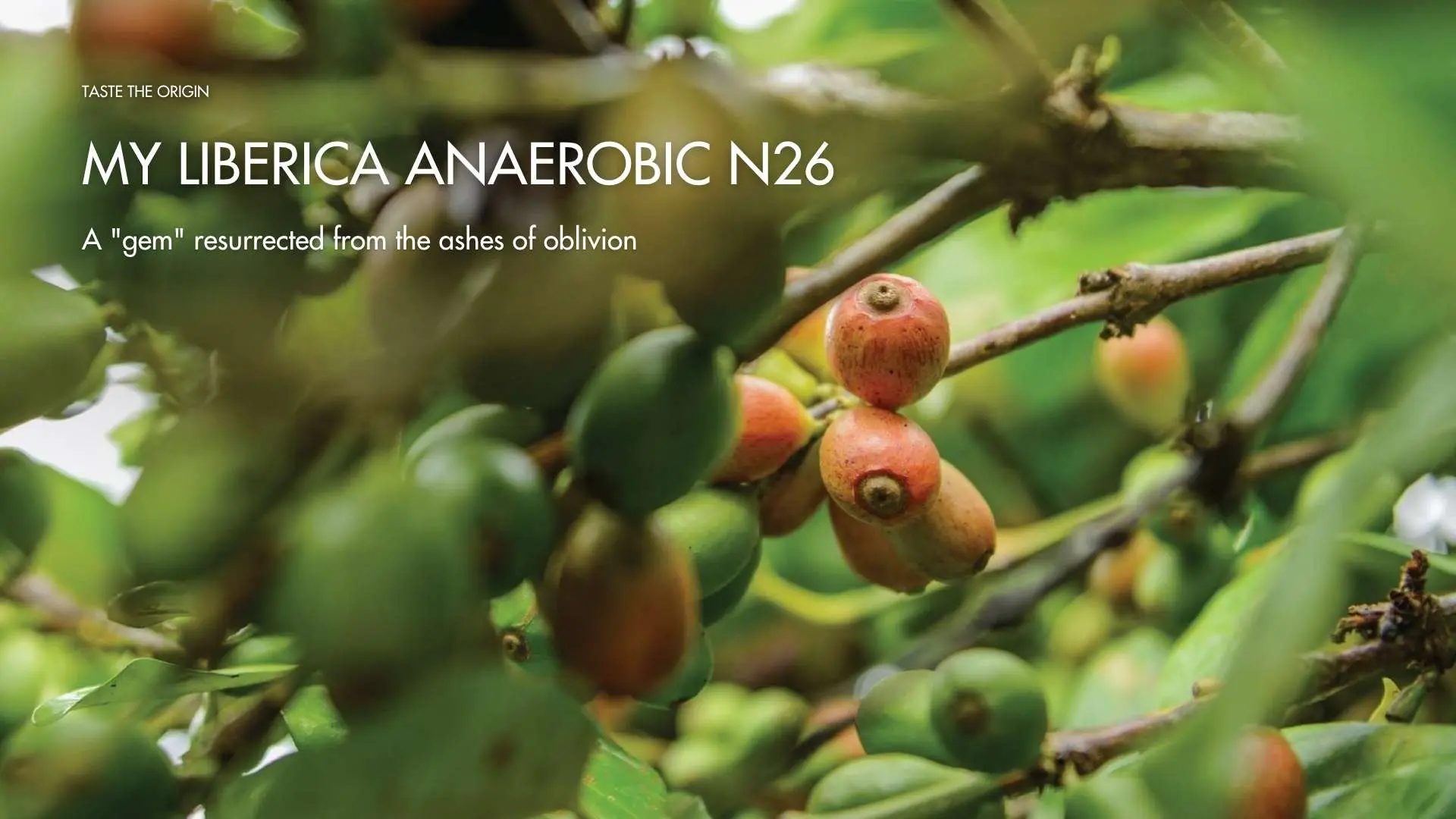
- Taste the Origin
My Liberica Anaerobic N26 – A “gem” resurrected from the ashes of oblivion
The journey of My Liberica Anaerobic N26 is the triumph of a forgotten species, awakened by the depth of understanding, patience, and faith in its original essence. From the heavy clay layers of Kulai to 26 days of transformation in absolute darkness, each step contributes to unlocking layers of flavor that the world once thought could not exist in Liberica. More than just a cup of coffee, My Liberica Anaerobic N26 is a powerful declaration that all great values begin with the courage to delve into their essence, and then rise to a unique voice that resonates throughout the world.


- Taste the Origin
Finca Soledad Mejorado Tyoxy & Fincas Putushio Mejorado – The red thread of the Jijón family
The simultaneous arrival of Finca Soledad Mejorado Tyoxy and Fincas Putushio Mejorado at XLIII Coffee paints a remarkable portrait of the adaptability of the Mejorado variety within Ecuador’s specialty coffee landscape. Nurtured by a shared family philosophy and a commitment to principled cultivation, these two processed lots represent both a breakthrough in microbial innovation and the remarkable return of an exceptional flavor profile.

- Taste the Origin
Finca La Palestina Gesha #5482 – A new chapter in the legend from Cajamarca
From the renowned Cajamarca region, Finca La Palestina Gesha #5482 returns after a period of absence with a proud and fresh appearance. Nurtured in ideal altitude conditions and the cool climate characteristic of the Andes, each coffee bean slowly accumulates subtle flavor nuances before being perfected using the Washed method to maximize the purity of the Gesha variety. Under a carefully refined extremely-light roast profile, this batch of coffee reveals layers of white jasmine, ripe citrus, and sweet golden apricot aromas, interwoven in an elegant and rich flavor structure.

Specialty Coffee in Vietnam
BRAND VALUE
YOU SHOULD HAVE KNOWN
XLIII Coffee has been aiming to become a big, impactful company with social responsibilities,
have access to high-quality raw materials and convey the complete original values of coffee to our customer
