
Why is the ECF asking to delay the implementation of the EU’s Deforestation Law?
According to official reports, the EU Deforestation Regulation (EUDR) is scheduled for implementation by year-end 2024. However, the European Coffee Federation (ECF) has requested to postpone the implementation, and has proposed to organize The authority has made more appropriate adjustments to this law. Join XLIII Coffee for a deeper dive into this issue!
ECF requests a delay in the implementation of the EU’s Deforestation Law
The EU’s Deforestation Law is a set of laws issued by the European Union to limit deforestation by controlling imports throughout the EU. Products such as coffee will be banned from trading or heavy fines if they are linked to deforestation. For goods to be imported without heavy fines, the law requires companies to clearly state the origin of the goods to prove that they were not grown on newly deforested land.
As planned, these provisions will be implemented this year. However, the European Coffee Federation (ECF) has sent a letter asking the EU to postpone the implementation of this law. In the content, the ECF expressed concerns about the EU’s new Deforestation Law and hoped that the organization would make satisfactory adjustments.

The EU’s Deforestation Prohibition Law is a set of laws issued by the European Union for certain products imported into the EU related to deforestation
ECF Concerns on EU’s Deforestation Law
The reason the ECF calls on the EU to delay the implementation of the Deforestation Law is the negative impacts of its provisions. The ECF announcement clearly stated that the implementation and time limit for implementing the deforestation law is a challenge not only for the entire coffee industry and related parties but also for competent EU agencies.
Specifically, if this law takes effect on December 30 as expected, millions of small-scale coffee farmers will be under great pressure. Based on the survey results of the International Coffee Organization, ECF noted that 80% of farmers still need to prepare land maps as required by law. At the same time, coffee producers do not know how to participate and do not have enough resources to participate in this land control program properly. Meanwhile, tools to support compliance with the law are still in development. There needs to be more than current equipment and facilities to apply comprehensive support and control on a large scale. This can cause serious losses for exporters.

ECF calls on the EU to delay the implementation of the Deforestation Ban Law due to the negative impacts that could affect the entire industry’s supply chain
In addition, provisions on bans and fines can lead to negative impacts on the supply chain and industry actors. The new law requires companies to trace their origins to prove they were not grown on newly deforested land, especially coffee. Once the regulations take effect, warehouses in the EU are forced to destroy green coffee inventories that do not meet standards. This would affect EU traders and present challenges for small-scale producers and cooperatives in developing countries that lack detailed guidance and regulations for compliance. The coffee supply chain in the EU may be interrupted, prices fluctuate,… creating unwanted consequences for the coffee industry.
Following concerns, the ECF also expressed that the EU should make modifications appropriate to the general situation of actors in the supply chain. ECF and its members remain fully committed to the spirit of EUDR. Stakeholders will continue working to ensure that the common goals set by the European Commission are met by all, at the appropriate time, without causing unfortunate consequences.

Warehouses in the EU are forced to destroy green coffee inventories that do not meet EUDR standards
Since its publication, the EU’s deforestation law has created quite mixed reactions. Previously, many organizations have expressed reservations about implementing deforestation measures and the impact it will have on the environment. How negative is it for small-scale coffee farmers? There is even speculation that some green coffee currently in EU warehouses may have to be dumped if not sold before the law comes into effect. With the ECF’s request to delay implementation, the EU Commission announced that it had received the ECF’s letter expressing concerns and would respond on time.
To update the latest news on this topic, follow XLIII Coffee’s Journal channel!
Source of information: sprudge
Articles you may be interested in:
– Is deforestation monitoring satellite really the solution to EUDR regulations?
– Measuring the level of deforestation of coffee farms
– Yellow Caturra La Palestina #4348 – the limited-edition coffee from Peru

Bài viết mới
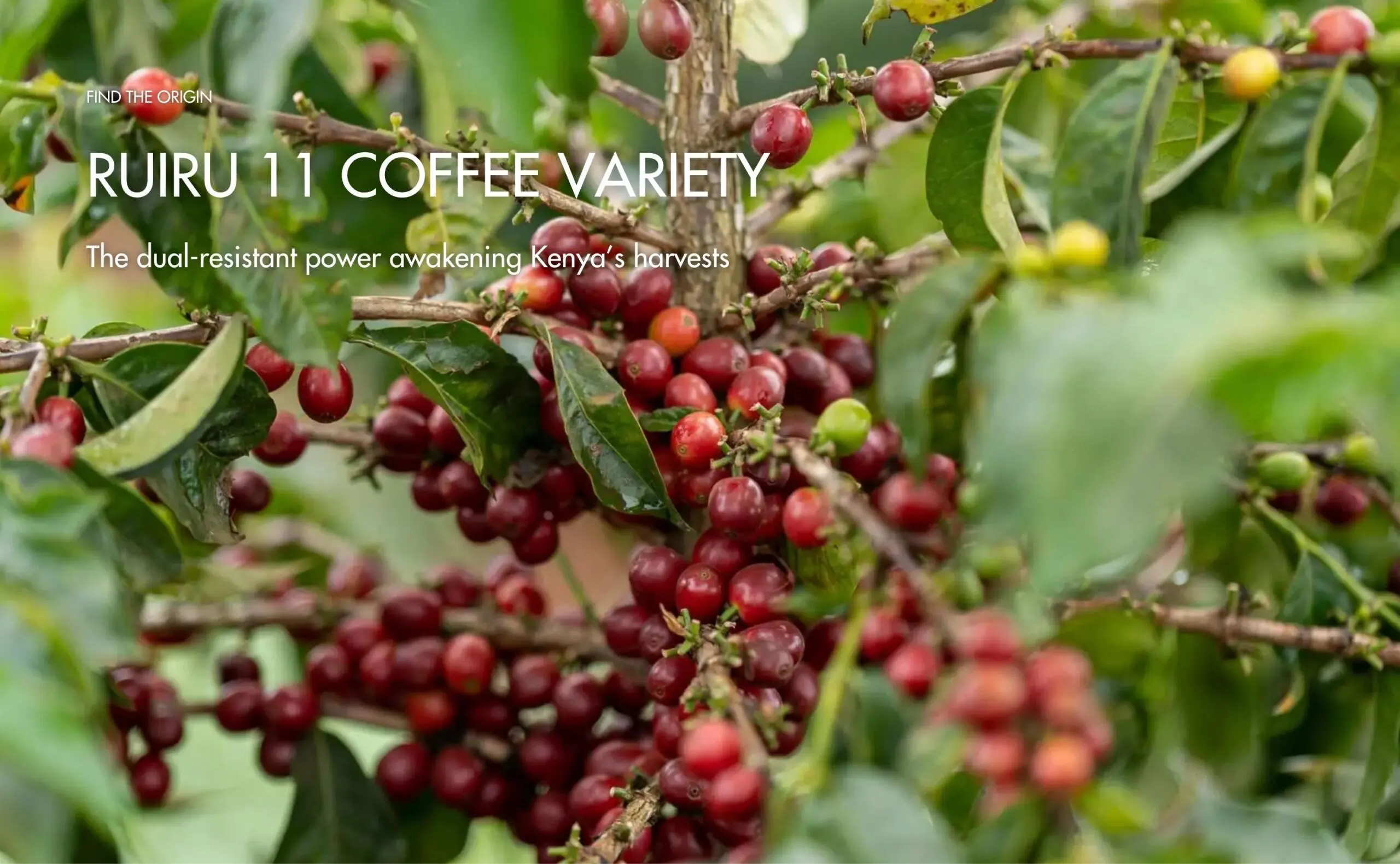
- Find the Origin
Ruiru 11 coffee variety – The dual-resistant power awakening Kenya’s harvests
Born from the ashes of a devastating pandemic, Ruiru 11 is a resilient response of indigenous wisdom to the trials of nature. Carrying a complex genetic code from 66 sibling isolines, this humbly statured coffee variety possesses superb “dual-resistance” against the twin shadows of Coffee Berry Disease and Coffee Leaf Rust. Overcoming early prejudices and the paradox of trade-offs between yield and flavor, Ruiru 11 has been weaving through nurseries, awakening dormant harvests across highland hillsides, and igniting a proud flame of self-reliance for Kenyan coffee.

- Taste the Origin
Sudan Rume #00313 by CGLE – The origin legend beneath the Eucalyptus canopy
From a wild coffee lineage discovered in the Rume Mountains in the 1940s to the enduring conservation efforts of Café Granja La Esperanza, Sudan Rume #00313 by CGLE invites drinkers on a sensory pilgrimage to the birthplace of the Arabica world. It is a rare biological legacy preserved through unwavering dedication, integrity, and deep reverence for history.
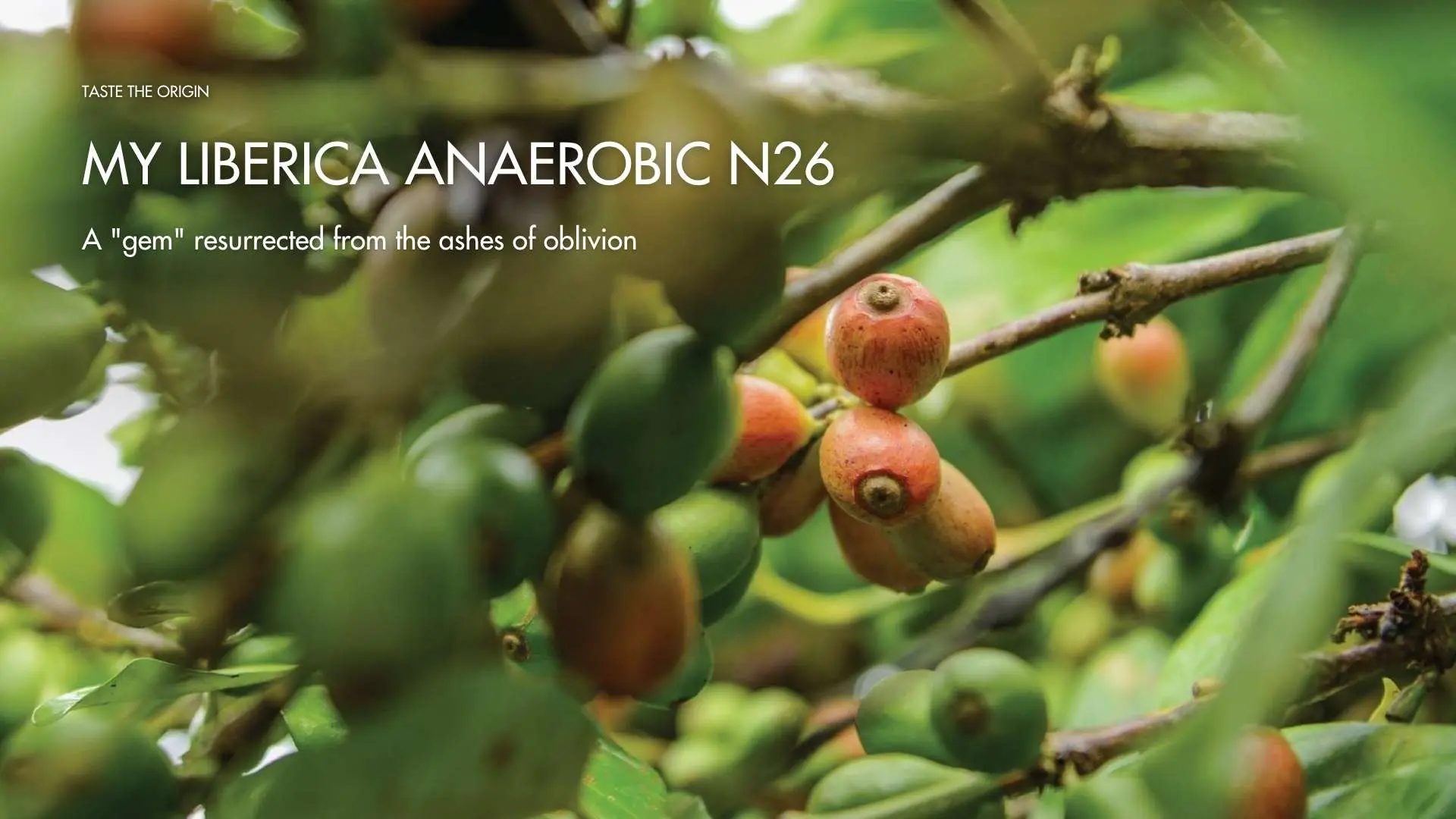
- Taste the Origin
My Liberica Anaerobic N26 – A “gem” resurrected from the ashes of oblivion
The journey of My Liberica Anaerobic N26 is the triumph of a forgotten species, awakened by the depth of understanding, patience, and faith in its original essence. From the heavy clay layers of Kulai to 26 days of transformation in absolute darkness, each step contributes to unlocking layers of flavor that the world once thought could not exist in Liberica. More than just a cup of coffee, My Liberica Anaerobic N26 is a powerful declaration that all great values begin with the courage to delve into their essence, and then rise to a unique voice that resonates throughout the world.


- Taste the Origin
Finca Soledad Mejorado Tyoxy & Fincas Putushio Mejorado – The red thread of the Jijón family
The simultaneous arrival of Finca Soledad Mejorado Tyoxy and Fincas Putushio Mejorado at XLIII Coffee paints a remarkable portrait of the adaptability of the Mejorado variety within Ecuador’s specialty coffee landscape. Nurtured by a shared family philosophy and a commitment to principled cultivation, these two processed lots represent both a breakthrough in microbial innovation and the remarkable return of an exceptional flavor profile.

- Taste the Origin
Finca La Palestina Gesha #5482 – A new chapter in the legend from Cajamarca
From the renowned Cajamarca region, Finca La Palestina Gesha #5482 returns after a period of absence with a proud and fresh appearance. Nurtured in ideal altitude conditions and the cool climate characteristic of the Andes, each coffee bean slowly accumulates subtle flavor nuances before being perfected using the Washed method to maximize the purity of the Gesha variety. Under a carefully refined extremely-light roast profile, this batch of coffee reveals layers of white jasmine, ripe citrus, and sweet golden apricot aromas, interwoven in an elegant and rich flavor structure.

Specialty Coffee in Vietnam
BRAND VALUE
YOU SHOULD HAVE KNOWN
XLIII Coffee has been aiming to become a big, impactful company with social responsibilities,
have access to high-quality raw materials and convey the complete original values of coffee to our customer
