
6 reasons driving high coffee prices
If you regularly monitor changes in the industry, you can see that coffee prices tend to increase. According to the Wall Street Journal, prices have increased a total of nearly 39% in just two years since 2020. In 2022, the average price of a cup of coffee increased from £2.78 in February to £2.88 in May. So why did coffee increase so much? Experts believe that the cause of high coffee prices is due to 6 main factors. What is that? Let’s find out with XLIII Coffee!
Table of Contents
- Coffee prices have increased due to increased input costs
- Coffee prices have increased due to labor costs
- Quality improvements lead to higher coffee prices
- Climate change causes coffee prices to increase
- Coffee prices increase due to the influence of supply and demand
- Coffee prices have increased due to transportation costs
Coffee prices have increased due to increased input costs
Coffee takes about 3 – 5 years to grow. It then has to go through the stages of harvesting, selecting, processing, roasting and packaging. This process requires certain costs such as fertilizers, seeds, machinery, labor, insurance, energy,… as well as management, warranty and farm development costs. Their prices are all increasing due to inflation and economic and political events. Rising input costs lead to higher coffee prices.

Coffee prices have increased due to labor costs
Coffee is a product that requires a lot of labor and effort to produce and bring to market. Although, nowadays machines and technology are developing. But in reality, planting, fertilizing, weeding and harvesting coffee beans all require and depend mainly on manual labor. For example, coffee cherries ripen at different levels, requiring pickers to have certain experience and qualifications to be selective and ensure performance. Skilled workers often have quite high salaries, causing labor costs to increase.

Additionally, most coffee growing takes place in the tropics, including developing regions such as East Africa, Central America, South America, and Asia. Coffee farmers and cooperatives in these countries often do not receive government subsidies. They shoulder the majority of coffee costs, including labor to ensure sustainability standards, leading to higher costs.

Quality improvements lead to higher coffee prices
Today, the demand for high-quality coffee is increasing, so manufacturers are investing in improvements in farms and specialty coffee production processes. They need to spend a large amount of financial and human resources as well as a long time to complete and meet the standards of the international market. Workers must also be trained on how to cultivate and harvest high-quality coffee and techniques to limit environmental impact. The quality of coffee is getting higher and higher, the flavor is more unique, the cost and effort are also increasing. This means that the price of these coffee lots cannot be small. For example, specialty coffee can cost up to $600/pound.

Climate change causes coffee prices to increase
According to coffee expert Genevieve Kappler, climate change is an important factor in the coffee industry. Rising temperatures, changes in rainfall, and pests and diseases can all reduce yields. Climate change leads to an increase in natural disasters such as storms or floods that can completely wipe out crops and cause damage to coffee farmers. This reduces global coffee production and disrupts the supply chain, leading to a spike in coffee prices. Bad weather also affects the process of growing, harvesting and processing coffee. Manufacturers are forced to find costly solutions such as using mechanical dryers instead of relying on natural outdoor drying methods, which increases costs.

Coffee prices increase due to the influence of supply and demand
Coffee expert Genevieve Kappler said most of the increase in coffee prices is due to economics and growing demand for high-quality coffee. The trend of favoring specialty coffee is spreading around the world, creating a healthy competition for access to the best coffee. Furthermore, producing specialty coffee is quite difficult. Rare coffee yields are often very small, causing their prices to increase rapidly.

Coffee prices have increased due to transportation costs
The coffee journey from farm to store is very long. After harvesting, coffee beans go through several processes, including washing, drying, quality selection, packaging and transportation. Green coffee must be cleared at checkpoints, customs, on cargo ships or planes to reach the buyer’s warehouse. The logistics, labor, energy (gasoline, oil) and coffee transportation costs of this journey may be high or very high, and may change due to market influences. Furthermore, when crossing multiple borders, suppliers must comply with the rules and tariffs that govern international trade. These amounts are mandatory and not low, so the price of imported coffee is often very high and tends to fluctuate.

Each change in environmental, labor, and supply chain factors can affect productivity and create unpredictable fluctuations in coffee prices. Changes such as increased demand for high-quality coffee can push the industry to innovate quality improvement methods, contributing to industry development. However, negative changes in climate change, or increased costs due to inflation, if not controlled, will affect the sustainability of the supply chain. Therefore, we need to understand the basic causes of coffee price increases to take appropriate measures, adjust and promote more sustainable coffee business activities.

If you want to experience high quality specialty coffee products, visit XLIII Coffee!
Don’t forget to follow our Journal channel to read useful coffee information every day.
Articles you may be interested in:
– Is Nepal specialty coffee developing as prominently as expected?
– The path to consumers of naturally decaffeinated coffee variety AC1
– What are the similarities and differences between coffee and wine production?

Bài viết mới

- Taste the Origin
Finca La Palestina Red Bourbon #5487 – A blossoming legacy in the highlands of Cajamarca
Amidst the ethereal clouds of Cajamarca, where the deep forest, Mother Earth, and time harmonize, Finca La Palestina Red Bourbon #5487 is born as a proud epic of heritage. It bears witness to the story of three generations of the Alarcón Coronel family, to their respect for nature, and to their Cup of Excellence achievements. Each layer of fragrance is a journey for all the senses, leading the connoisseur into subtle and captivating depths.

- Breaking News
Royal Botanic Gardens, Kew announces new hybrid coffee named Libex
As the global coffee industry faces unprecedented challenges from climate change, the Royal Botanic Gardens, Kew (UK) has brought a ray of hope by formally announcing a natural hybrid coffee named Libex. Identified after intensive genetic research across three continents, Libex represents a perfect intersection between the resilient heat tolerance of Liberica and the robust agronomic vigor of Excelsa.

- Find the Origin
Mejorado Coffee Variety – The Perfect Blend of Bourbon & SLN Hybrid Lineage
Originating from the windswept hillsides of the South American highlands, the Mejorado coffee variety tells the story of a genetic masterpiece that is redefining the boundaries of the contemporary Specialty Coffee world. Behind a easily misunderstood name lies a completely distinct alter ego, where the sweet heritage of the Bourbon variety intertwines with the resilient vitality of the SLN hybrid lineage. Thanks to a profound slow-ripening process in the chill of extreme altitudes, this seed nurtures a magnificent flavor profile with ethereal floral and fruit notes, stepping onto the altars of global competitions to assert its status as a future icon, ready to stir the most discerning senses.
- Taste the Origin
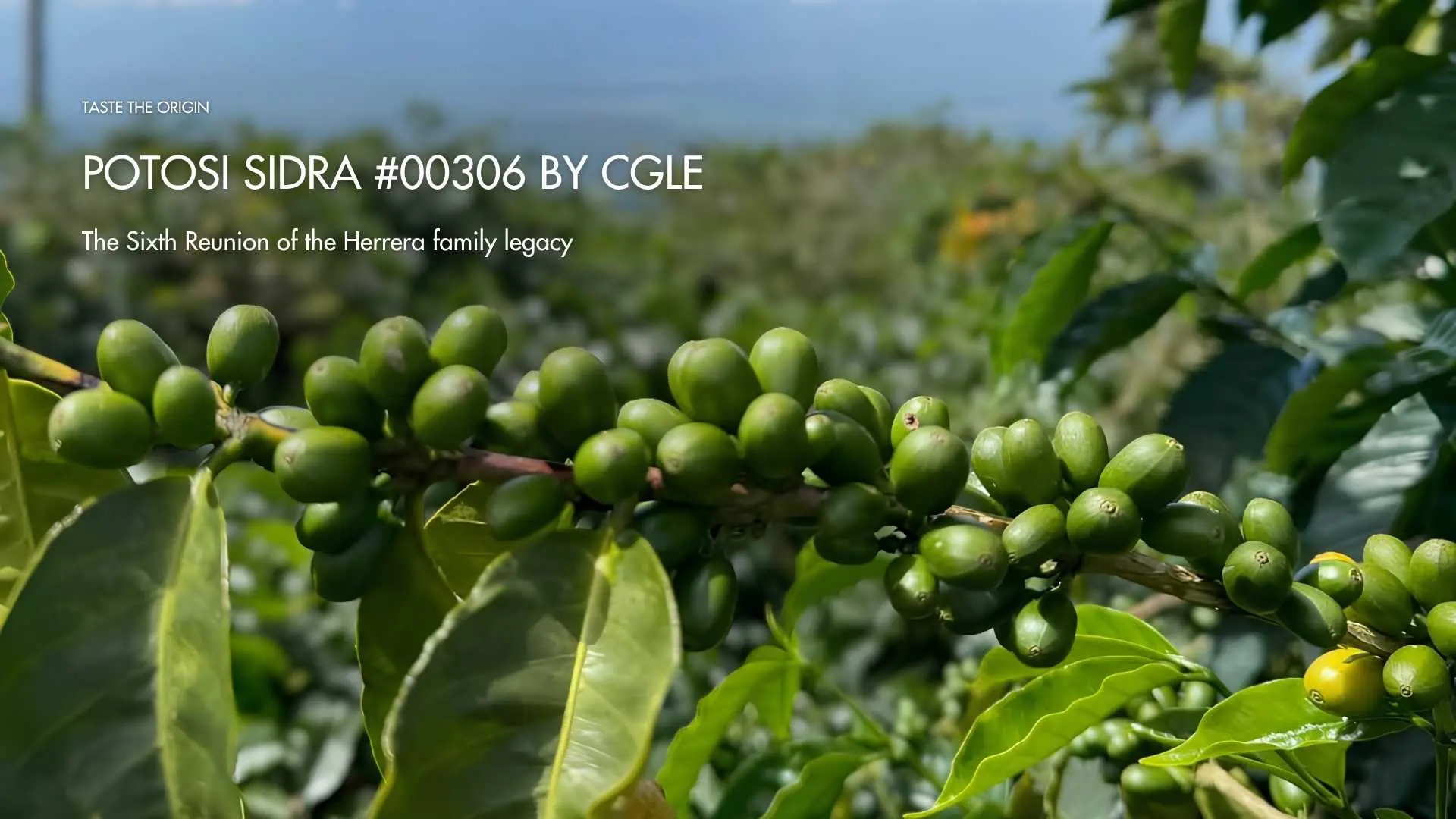
Potosi Sidra #00306 – The sixth reunion of the Herrera family legacy
The sixth harvest marks the return of Potosi Sidra #00306 by CGLE, carrying the presence of a family patriarch entrusted with more than eighty years of heritage from the Herrera family. Cultivated in the founding valley of Potosi since 1945 in Caicedonia, this genetic treasure born from the union of Bourbon and Typica presents a remarkably evolved sensory profile. Through its Extremely Light Roast philosophy and the financial transparency of the Paid for Producer model, XLIII Coffee chooses to preserve the authentic voice of terroir and the coffee’s original flavor structure.
- Taste the Origin
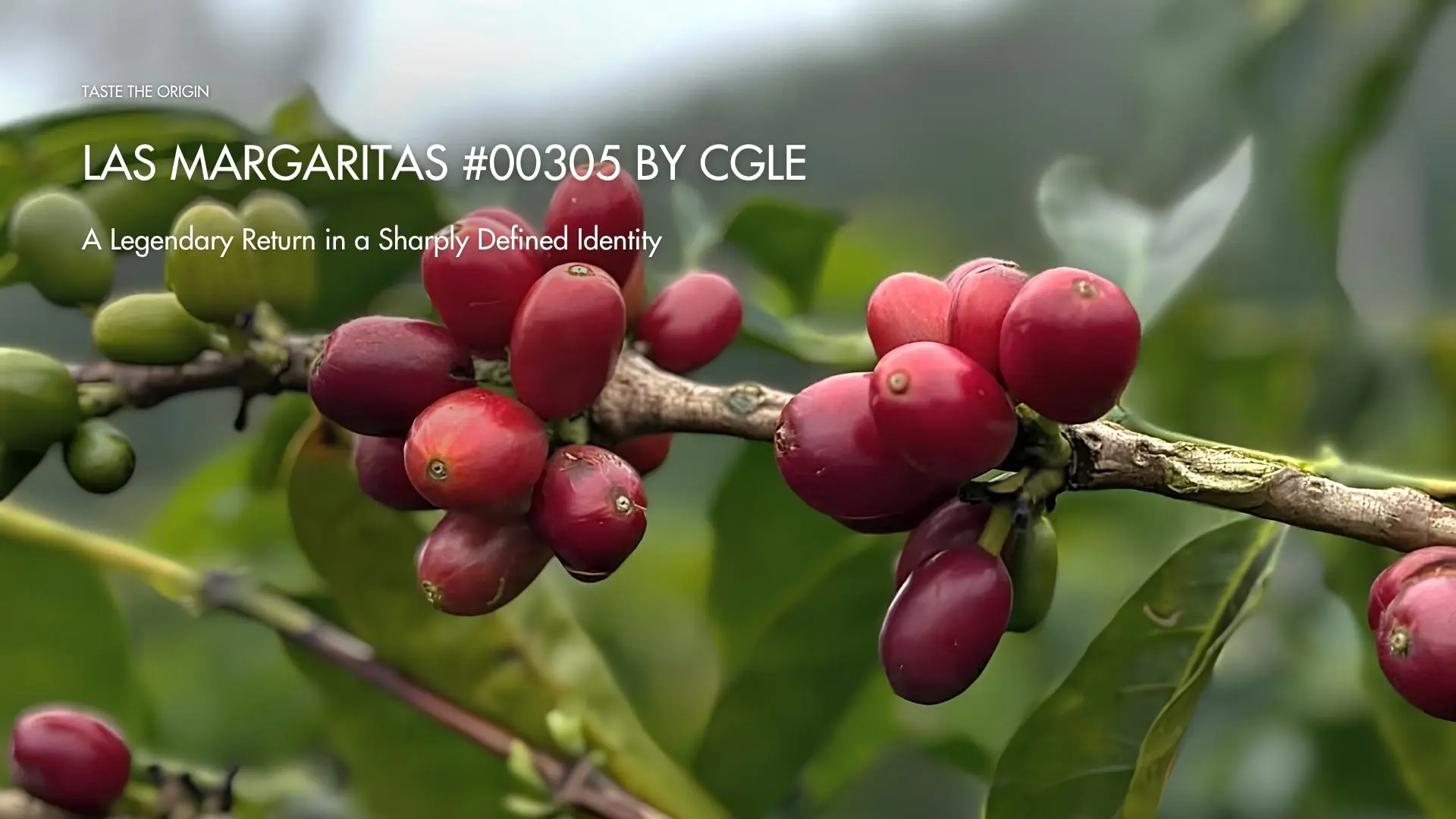
Las Margaritas #00305 by CGLE – A Legend Reunited in a Sharper Identity
Las Margaritas #00305 by CGLE returns to XLIII Coffee as a Gesha masterpiece reborn from the renowned Valle del Cauca region. Infused with the exquisite craftsmanship of Café Granja La Esperanza, this rare batch of coffee embarks on an enchanting flavor journey with vibrant citrus notes, delicate jasmine, and an elegant, lingering Earl Grey finish. Each drop is a crystallization of fertile volcanic soil and the sustainable farming philosophy that CGLE has persistently pursued for decades, creating a full-bodied, sharp flavor profile while retaining the pristine beauty characteristic of the royal Gesha variety.

- Taste the Origin
Finca Rosenheim Typica & Caturra – The Crossroads of Cultural Currents
Across the tides of world history, Finca Rosenheim Typica & Caturra emerges as a living testament hidden within the vast wilderness of Villa Rica. Here, the ancient lineage of the legendary Typica variety converges with the purity of the Washed process and the artistry of shade grown cultivation, weaving together delicate layers of Milk Chocolate, Nougat, and Purple Floral. Together, they create a profound resonance between resilient European heritage and the soul of the native Andes.

Specialty Coffee in Vietnam
BRAND VALUE
YOU SHOULD HAVE KNOWN
XLIII Coffee has been aiming to become a big, impactful company with social responsibilities,
have access to high-quality raw materials and convey the complete original values of coffee to our customer
