
Climate Change is Altering the Growth Cycle of Arabica Coffee
According to the Fourth Assessment Report of the WMO/UNEP Intergovernmental Panel on Climate Change (IPCC) published in 2007, semi-arid and sub-humid areas in Asia, Africa, and Latin America will increase. As the global climate warms, average temperatures in coffee-growing areas are higher, and extreme weather is a climate change factor that disrupts the growth cycle of Arabica coffee trees, making cultivation difficult. becomes difficult and unpredictable.

Typically, Arabica coffee thrives in tropical forests at altitudes of 1,500–2,800 meters above sea level, between latitudes 4°N and 9°N. In these regions, seasonal temperature fluctuations are minimal, with annual average temperatures between 18 and 22°C. Rainfall is evenly distributed, ranging from 1,600 to over 2,000 mm, with a dry season lasting 3 to 4 months coinciding with the cooler months. In such an environment, Arabica coffee grows well as an understory shrub and yields high-quality beans.
However, Arabica coffee is highly sensitive to environmental conditions, particularly photoperiod changes and meteorological factors like rainfall distribution and air temperature, which impact plant phenology, yield, and bean quality.
Research by scientist Camargo shows that when environmental temperatures exceed 23°C, the development and ripening of Arabica cherries accelerate, often resulting in reduced quality. Studies by Damatta & Ramalho indicate that prolonged exposure to daily temperatures of 30°C can disrupt growth and lead to abnormalities, such as yellowing leaves. High temperatures also disrupt the plant’s metabolic processes, with leaves absorbing more energy from radiation than can be utilized in photosynthesis, causing overheating and leaf drop.
In addition, relatively high air temperatures during the flowering period, especially when combined with extended dry seasons, can result in flower drop and a lower fruit set. Rapid plant growth may also lead to lower coffee bean quality. High maximum temperatures during summer can cause over-ripening of cherries, reducing fruit quality.

Moreover, climate change has led to an increase in extreme conditions, such as frost, which can cause physiological stress, lower photosynthesis efficiency, increase disease susceptibility, and heighten irrigation needs. Key stages like flowering and seed development are linked to the dormancy phase of buds, with high temperatures and dry conditions during the reproductive phase critically affecting yield and coffee quality. Establishing proper air temperature limits for coffee is crucial for determining the crop’s economic distribution and viability.
A report from Infobibos also highlights that climate change is a major factor in coffee yield variability and decline worldwide. The relationship between climate variables and agricultural production is complex, as environmental factors impact crop growth and development at various stages in the coffee plant’s lifecycle. Photosynthesis becomes restricted under water stress, with stomata closing and other physiological activities decreasing. Other climatic factors can also reduce yield, such as adverse air temperatures during different growth stages.
The report notes that coffee yields in tropical Asia are sensitive not only to rising temperatures but also to changes in monsoon characteristics. In semi-arid tropical Africa, climate change has increased drought frequency, posing the greatest risk to agriculture. In Latin America, air temperatures are projected to rise by 1°C to 5.8°C, with rainfall increasing by 15% in tropical regions of Brazil. Agriculture and water resources face significant impacts due to extreme temperatures and rainfall variability. Although these projections are concerning, it’s important to note that the reports carry a degree of uncertainty regarding long-term forecast outcomes.

Bài viết mới

- Taste the Origin
Finca La Palestina Red Bourbon #5487 – A blossoming legacy in the highlands of Cajamarca
Amidst the ethereal clouds of Cajamarca, where the deep forest, Mother Earth, and time harmonize, Finca La Palestina Red Bourbon #5487 is born as a proud epic of heritage. It bears witness to the story of three generations of the Alarcón Coronel family, to their respect for nature, and to their Cup of Excellence achievements. Each layer of fragrance is a journey for all the senses, leading the connoisseur into subtle and captivating depths.

- Breaking News
Royal Botanic Gardens, Kew announces new hybrid coffee named Libex
As the global coffee industry faces unprecedented challenges from climate change, the Royal Botanic Gardens, Kew (UK) has brought a ray of hope by formally announcing a natural hybrid coffee named Libex. Identified after intensive genetic research across three continents, Libex represents a perfect intersection between the resilient heat tolerance of Liberica and the robust agronomic vigor of Excelsa.

- Find the Origin
Mejorado Coffee Variety – The Perfect Blend of Bourbon & SLN Hybrid Lineage
Originating from the windswept hillsides of the South American highlands, the Mejorado coffee variety tells the story of a genetic masterpiece that is redefining the boundaries of the contemporary Specialty Coffee world. Behind a easily misunderstood name lies a completely distinct alter ego, where the sweet heritage of the Bourbon variety intertwines with the resilient vitality of the SLN hybrid lineage. Thanks to a profound slow-ripening process in the chill of extreme altitudes, this seed nurtures a magnificent flavor profile with ethereal floral and fruit notes, stepping onto the altars of global competitions to assert its status as a future icon, ready to stir the most discerning senses.
- Taste the Origin
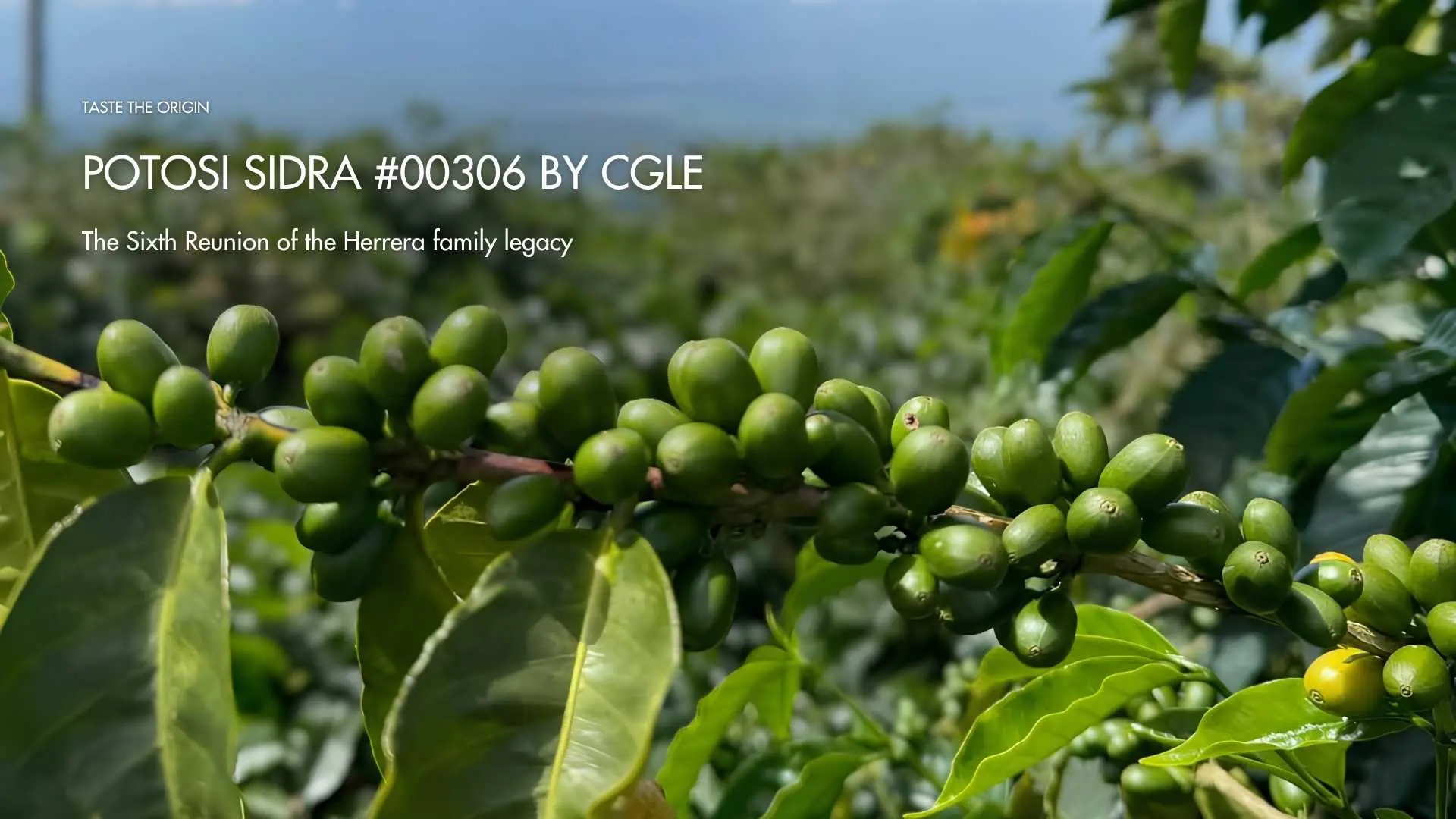
Potosi Sidra #00306 – The sixth reunion of the Herrera family legacy
The sixth harvest marks the return of Potosi Sidra #00306 by CGLE, carrying the presence of a family patriarch entrusted with more than eighty years of heritage from the Herrera family. Cultivated in the founding valley of Potosi since 1945 in Caicedonia, this genetic treasure born from the union of Bourbon and Typica presents a remarkably evolved sensory profile. Through its Extremely Light Roast philosophy and the financial transparency of the Paid for Producer model, XLIII Coffee chooses to preserve the authentic voice of terroir and the coffee’s original flavor structure.
- Taste the Origin
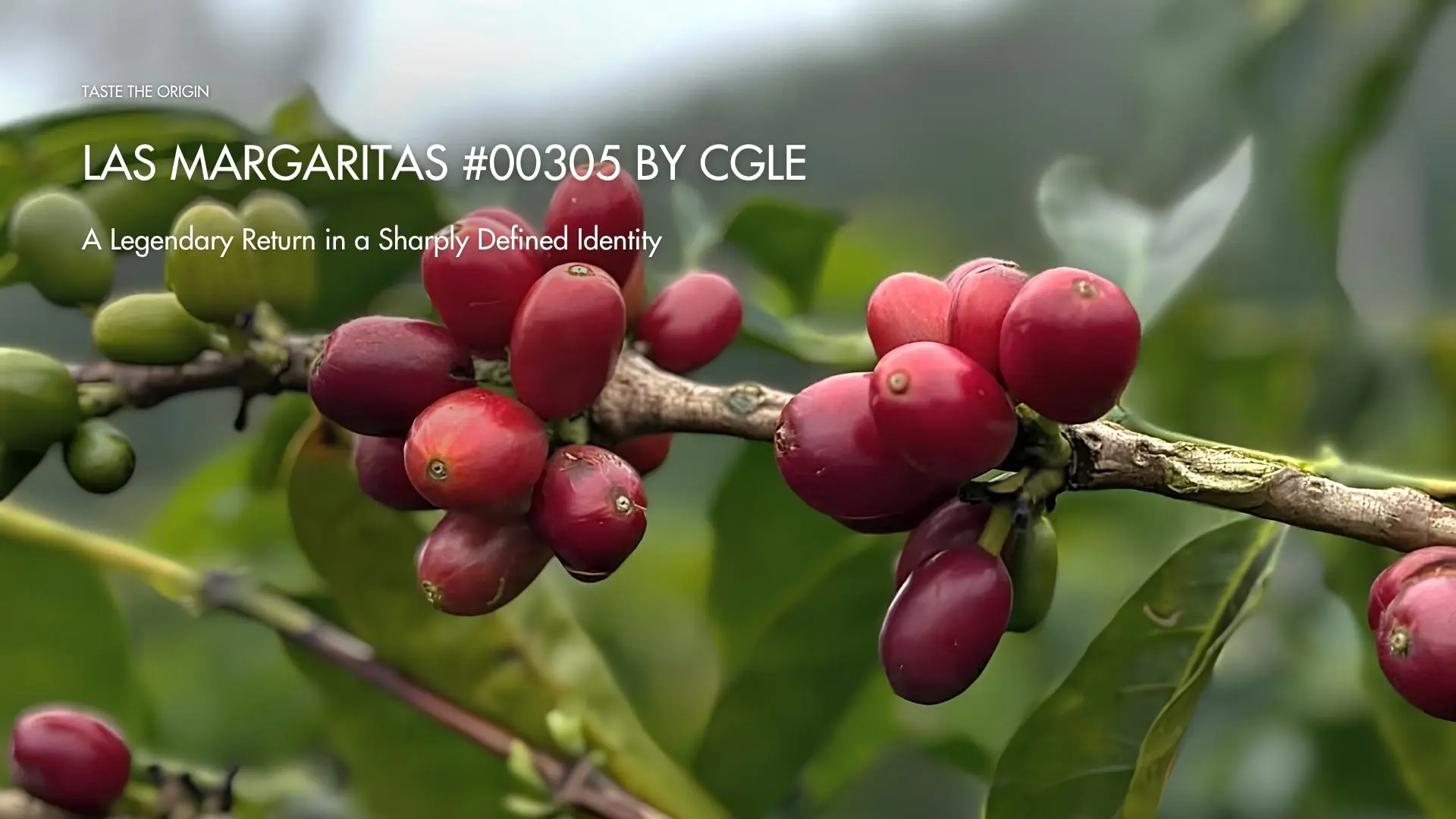
Las Margaritas #00305 by CGLE – A Legend Reunited in a Sharper Identity
Las Margaritas #00305 by CGLE returns to XLIII Coffee as a Gesha masterpiece reborn from the renowned Valle del Cauca region. Infused with the exquisite craftsmanship of Café Granja La Esperanza, this rare batch of coffee embarks on an enchanting flavor journey with vibrant citrus notes, delicate jasmine, and an elegant, lingering Earl Grey finish. Each drop is a crystallization of fertile volcanic soil and the sustainable farming philosophy that CGLE has persistently pursued for decades, creating a full-bodied, sharp flavor profile while retaining the pristine beauty characteristic of the royal Gesha variety.

- Taste the Origin
Finca Rosenheim Typica & Caturra – The Crossroads of Cultural Currents
Across the tides of world history, Finca Rosenheim Typica & Caturra emerges as a living testament hidden within the vast wilderness of Villa Rica. Here, the ancient lineage of the legendary Typica variety converges with the purity of the Washed process and the artistry of shade grown cultivation, weaving together delicate layers of Milk Chocolate, Nougat, and Purple Floral. Together, they create a profound resonance between resilient European heritage and the soul of the native Andes.

Specialty Coffee in Vietnam
BRAND VALUE
YOU SHOULD HAVE KNOWN
XLIII Coffee has been aiming to become a big, impactful company with social responsibilities,
have access to high-quality raw materials and convey the complete original values of coffee to our customer
