
Exploring Extremely Light Roasting in the World of Specialty Coffee
Alongside the rise of specialty coffee, extremely light roasting has emerged as a remarkable trend that brings forth a completely new way to experience coffee. With lower roasting temperatures and shorter development time, this method preserves the coffee’s natural characteristics while accentuating bright, fresh, and complex flavor notes—qualities often lost in conventional roasting profiles.
I. What is extremely light roasting?
Extremely light roast is a highly specialized coffee roasting technique characterized by meticulous temperature control to capture the coffee’s original aromatic compounds. Compared to conventional roast levels such as light, medium, or dark, this method operates at significantly lower temperatures, typically ranging from 189 to 194°C. By doing so, it minimizes chemical reactions like caramelization or the development of smoky or charred flavors, thereby allowing the intrinsic qualities of the coffee bean to shine through.
 The color of coffee beans continues to change from green, yellow to brown or almost black during the roasting process.
At this moment, the roaster must act quickly. Beans are dropped from the roasting drum typically within one minute of the first crack, a crucial window that allows for proper development without over-roasting. This method ensures that the coffee retains its distinct flavor profile—defined by its origin, varietal, and processing method—while preserving the clarity, structure, and vibrancy that specialty coffee enthusiasts seek.
Why Choose This Roasting Method?
Extremely light roasting is the signature approach pioneered by XLIII Coffee, serving as a declaration of respect for each and every coffee bean. While the world continues to favor more conventional roast profiles, XLIII Coffee has taken a different path—one that moves closer to the raw essence of the coffee itself. It is at this intersection of nature and craftsmanship that the most unadulterated expression of a coffee can be found. This method reflects XLIII Coffee’s ongoing pursuit to elevate Vietnamese coffee, where every cup tells a complete story of origin and authenticity.

XLIII Coffee opts for a super light roasting method, a unique path beyond the three conventional roasting levels.
By stepping outside the boundaries of the three traditional roast levels, XLIII Coffee embraces extremely light roasting as a distinct direction. At this roast level, quality and purity of the green coffee become the decisive factors. A well-grown and meticulously processed coffee will flourish when roasted this way. Extremely light roasting unlocks the potential of exceptional beans, allowing their intrinsic flavors and delicate aromatic layers to fully emerge. Bright fruit notes, pronounced acidity, and a clean, refreshing finish are what you can expect from this roast style—a new and refined sensory experience for those who seek depth and clarity in every cup.
A Meaningful Approach in the World of Specialty Coffee
Specialty coffee is the culmination of terroir, climate, and human care—from cultivation and harvesting to post-processing. It is more than just good coffee. It carries the identity of its place and people. To faithfully convey that identity, roasting must be subtle enough not to overpower, but instead elevate the coffee’s innate characteristics. When executed properly, extremely light roasting becomes a bridge—an interface that, through precise heat and time control, allows each batch to reveal the purest expression of its potential. Expect defined acidity, a clean aftertaste, and a fragrance that unfolds in layered complexity.
However, extremely light roasting does not forgive complacency. It demands that the roaster possess deep knowledge of each varietal, processing profile, and the microchemical reactions unfolding inside the drum. It also calls for a discerning palate. The drinker must be attentive and sensitive enough to appreciate the coffee’s simplicity without mistaking it for flatness—its purity without perceiving blandness. For those who view coffee as a journey of sensory exploration, extremely light roasting is more than just a technical decision. It is a tasting philosophy—one that is patient, thoughtful, and reverent toward each bean’s journey.

The light roast method acts as a beacon for those seeking a vibrant, deep coffee experience.
One of the greatest benefits of extremely light roasting is the clarity and precision it offers the drinker. By preserving the coffee’s natural attributes, each cup becomes a canvas for intricate flavor interaction. Instead of blurring into one another, the individual notes are distinguishable—whether fruity, floral, or sweet. In darker roast levels, these nuances often fade or collapse into generic profiles. But with extremely light roasting, each flavor stands apart, giving rise to a refined and articulate tasting experience—something only truly exceptional coffees can provide.
II. A comparative overview of extremely light roast and other roast levels
To fully understand the extremely light roast method, it’s essential to compare it with the more common roast levels such as light, medium, and dark. Each roast profile comes with its own characteristics—from roasting temperature and flavor profile to bean texture and storage requirements—all of which directly impact the coffee drinking experience.
- In terms of temperature, extremely light roasting operates within a lower range of 189–194°C, which is noticeably below that of conventional light roasts (180–205°C) and significantly lower than medium and dark roasts, which often exceed 210°C. This lower heat helps preserve the original flavor compounds in the coffee bean without initiating aggressive chemical reactions like caramelization or the development of smoky notes.
- When it comes to flavor, extremely light roasted coffee is marked by high acidity, brightness, and a lively, refreshing character. It often carries crisp, fruity notes such as green apple or fresh berries, along with a subtle sweetness. While light roasts also retain some of the bean’s inherent qualities, their profiles tend to be softer and less intense. Medium roasts present a balance of sweetness and bitterness, and dark roasts are known for their smoky aromas, diminished acidity, and pronounced bitterness.
- In terms of bean structure, extremely light roasted beans retain their density and hardness, making them ideal for precise grinding and brewing. Light roasts maintain a firm structure as well, whereas medium and dark roasts become progressively more porous or brittle due to the extended exposure to heat.
- Finally, regarding storage, extremely light roasts are best consumed within one to two weeks of roasting to preserve their aromatic complexity. Medium roasts have a longer shelf life, while dark roasts require extra care in storage due to the presence of surface oils, which can oxidize and cause the coffee to go stale more quickly.

The light roasting process does not cause many chemical reactions that change the aromatic compounds in the coffee beans.
Extremely light roasting minimizes chemical transformations, preserving more of the original aroma compounds in the bean. With this method, one of the most significant benefits is the protection of the bean’s inherent character. At lower temperatures, the processes of caramel and Maillard reactions are reduced, which helps maintain the natural attributes of the coffee and highlights the distinct features of each varietal and origin.
For instance, Arabica beans can showcase their unique identity through vibrant fruit notes, floral aromas, and a gentle sweetness. If roasted at higher temperatures, these delicate nuances are often muted or lost, leading to a diminished and less distinctive cup.
III. The extremely light roast process at XLIII Coffee
The extremely light roast process at XLIII Coffee is executed with meticulous technique, designed to allow the coffee beans to express their natural beauty to the fullest. This process requires absolute precision in temperature, timing, and heat control throughout the roasting procedure.
Roasting Temperature: 189–194°C
In extremely light roasting, the temperature consistently stays between 189–194°C, which is much lower than traditional roasting methods. This range helps preserve the natural flavor notes of the coffee beans, preventing excessive caramelization and maintaining the distinct characteristics of each coffee variety. Chemical reactions that could alter the desired flavor profile are minimized, ensuring the preservation of the bean’s original essence.
Roasting Time: 8–9 Minutes
Although the roasting time for the extremely light roast is relatively short—only 8 to 9 minutes—this period is crucial for developing the necessary flavor notes. At XLIII Coffee, the roasters carefully monitor the roasting process from the start, right up to the moment the first crack occurs. This helps determine the precise timing for when to stop the roast. The period from the development stage (the “G” point) to when the coffee beans are removed from the roaster typically lasts around one minute.
 The Maillard reaction during light roasting occurs at a limited level so most of the aroma notes retain their original character without being polished or changed too much.
The reaction, which occurs during roasting, is limited at this temperature, ensuring that most of the flavor notes retain their original purity without being overly modified. This process is not simple and requires a high level of skill and deep knowledge of each coffee variety. Thanks to expert control over temperature and time, XLIII Coffee is able to craft exceptional batches that deliver delicate, prominent flavors with distinct clarity.
IV. The future of extremely light roast
The extremely light roast method is gaining increasing attention within the Specialty Coffee community due to its remarkable opportunities and benefits. As the Specialty Coffee industry evolves, the consumer trend has shifted from focusing on quantity to prioritizing quality. Furthermore, extremely light roasting preserves the natural characteristics of coffee beans while highlighting fresh, complex, and distinct flavor layers, opening up an inspiring horizon for coffee experiences. In the context of climate change increasingly affecting the quality and supply of coffee, this roasting method helps roasters fully unlock the potential of each coffee variety, creating sustainable value for both producers and consumers.
These factors are driving the rapid growth of the extremely light roast method in the future. While the Specialty Coffee industry continues to face challenges related to weather and climate, extremely light roasting will remain a key trend, preserving the refinement of the coffee bean while reflecting innovation in the industry.

The sweetness and color of the finished cup of coffee are largely determined by the roasting process.
At XLIII Coffee, the extremely light roast method is not just a technique; it is a deep commitment to quality and maximum respect for each coffee bean. Currently, XLIII Coffee is at the forefront of applying this method, helping to preserve and explore the delicate qualities of coffee beans, from fresh fruit notes to the light sweetness and distinctive aftertaste of Arabica coffee. Applied with strict standards, the extremely light roast method not only preserves the natural beauty of coffee but also honors the cultural and historical stories of each growing region.
With the desire to create a larger and more sustainable coffee community, we strive to provide high-quality Specialty Coffee products that focus on exploring the inherent value of coffee. Each cup at XLIII Coffee is not just a product but a refined experience that takes the drinker on a journey of flavor discovery. Moreover, the focus on coffee bean quality and preserving the identity of the growing regions has allowed XLIII Coffee to stand out with products that have a distinct mark, satisfying the most demanding consumers.
Thanks to the continuous development of technology and roasting techniques, the extremely light roast method is gradually establishing its position as a promising choice in the Specialty Coffee industry. This method helps preserve the natural characteristics of the beans, while also celebrating the identity of the growing regions and telling the rich stories behind every batch of coffee. It is not a passing trend, but an important shift toward quality and depth in the coffee experience. With extremely light roasting techniques combined with an unceasing spirit of creativity, XLIII Coffee is helping usher in a new era for Specialty Coffee in Vietnam and around the world.
V. FAQS
Question 1: What is Extremely Light Roast and why is it different from other coffee roasting methods?
Extremely light roast is a coffee roasting method done at low temperatures, ranging from 189–194°C, which helps preserve the natural characteristics of the coffee beans. This method highlights fruity, floral notes and a light acidity, offering a fresh and complex flavor that is vastly different from darker roasting methods, where intense caramelization alters the beans’ inherent qualities.
Question 2: What are the benefits of Extremely Light Roast?
The biggest benefit of extremely light roast is that it preserves the freshness and uniqueness of each coffee variety. Fresh fruity and floral notes, along with a clear acidity, are celebrated, providing a new and complex tasting experience. At the same time, this method minimizes bitterness or excessive sweetness, allowing the drinker to savor the subtle nuances in each sip.
Question 3: Why does XLIII Coffee choose the Extremely Light Roast method?
At XLIII Coffee, we choose the Extremely Light Roast method because we want to honor the natural characteristics of Specialty Coffee beans and deliver cups of coffee full of flavor and sophistication. We believe that extremely light roasting is the best way to preserve the unique qualities of the beans, creating a remarkable and distinctive coffee experience for our customers.
Question 4: How is the Extremely Light Roast process carried out at XLIII Coffee?
The Extremely Light Roast process at XLIII Coffee is performed with great care and control. We use roasting temperatures between 189–194°C and adjust the roasting time to 8-9 minutes to allow the coffee beans to develop perfectly. Our workers intervene minimally throughout the process to ensure that the beans retain their natural characteristics and distinct flavor profiles.
Question 5: Is the Extremely Light Roast method suitable for everyone?
The Extremely Light Roast method is not suitable for everyone, as it requires the coffee drinker to appreciate and understand the subtlety in flavors. If you enjoy coffees with light acidity, fresh and complex flavors, extremely light roast will be an ideal choice. However, if you prefer bold, less acidic coffees, you may find this method less to your liking.

Bài viết mới

- Taste the Origin
Finca La Palestina Red Bourbon #5487 – A blossoming legacy in the highlands of Cajamarca
Amidst the ethereal clouds of Cajamarca, where the deep forest, Mother Earth, and time harmonize, Finca La Palestina Red Bourbon #5487 is born as a proud epic of heritage. It bears witness to the story of three generations of the Alarcón Coronel family, to their respect for nature, and to their Cup of Excellence achievements. Each layer of fragrance is a journey for all the senses, leading the connoisseur into subtle and captivating depths.

- Breaking News
Royal Botanic Gardens, Kew announces new hybrid coffee named Libex
As the global coffee industry faces unprecedented challenges from climate change, the Royal Botanic Gardens, Kew (UK) has brought a ray of hope by formally announcing a natural hybrid coffee named Libex. Identified after intensive genetic research across three continents, Libex represents a perfect intersection between the resilient heat tolerance of Liberica and the robust agronomic vigor of Excelsa.

- Find the Origin
Mejorado Coffee Variety – The Perfect Blend of Bourbon & SLN Hybrid Lineage
Originating from the windswept hillsides of the South American highlands, the Mejorado coffee variety tells the story of a genetic masterpiece that is redefining the boundaries of the contemporary Specialty Coffee world. Behind a easily misunderstood name lies a completely distinct alter ego, where the sweet heritage of the Bourbon variety intertwines with the resilient vitality of the SLN hybrid lineage. Thanks to a profound slow-ripening process in the chill of extreme altitudes, this seed nurtures a magnificent flavor profile with ethereal floral and fruit notes, stepping onto the altars of global competitions to assert its status as a future icon, ready to stir the most discerning senses.
- Taste the Origin
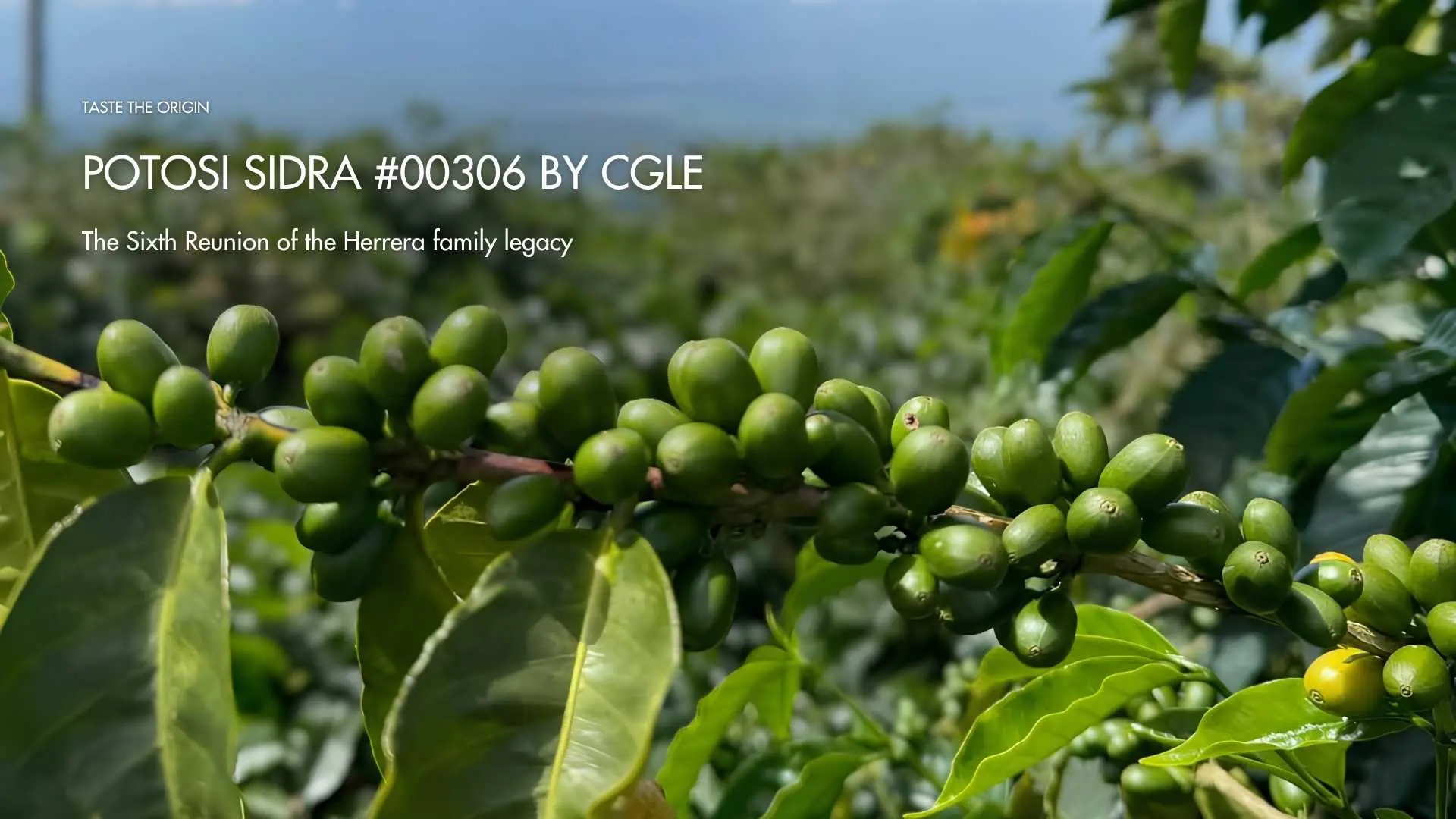
Potosi Sidra #00306 – The sixth reunion of the Herrera family legacy
The sixth harvest marks the return of Potosi Sidra #00306 by CGLE, carrying the presence of a family patriarch entrusted with more than eighty years of heritage from the Herrera family. Cultivated in the founding valley of Potosi since 1945 in Caicedonia, this genetic treasure born from the union of Bourbon and Typica presents a remarkably evolved sensory profile. Through its Extremely Light Roast philosophy and the financial transparency of the Paid for Producer model, XLIII Coffee chooses to preserve the authentic voice of terroir and the coffee’s original flavor structure.
- Taste the Origin
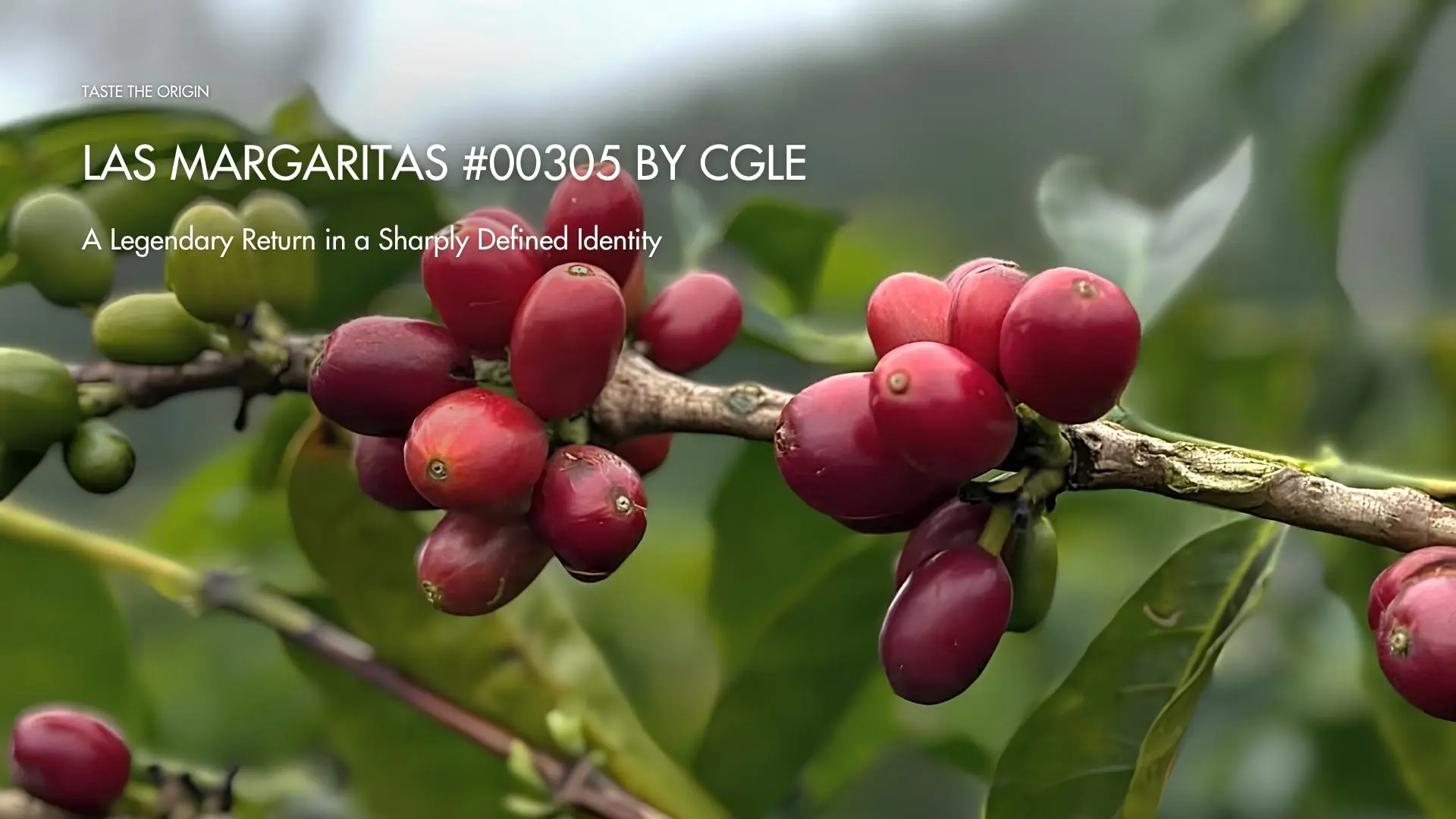
Las Margaritas #00305 by CGLE – A Legend Reunited in a Sharper Identity
Las Margaritas #00305 by CGLE returns to XLIII Coffee as a Gesha masterpiece reborn from the renowned Valle del Cauca region. Infused with the exquisite craftsmanship of Café Granja La Esperanza, this rare batch of coffee embarks on an enchanting flavor journey with vibrant citrus notes, delicate jasmine, and an elegant, lingering Earl Grey finish. Each drop is a crystallization of fertile volcanic soil and the sustainable farming philosophy that CGLE has persistently pursued for decades, creating a full-bodied, sharp flavor profile while retaining the pristine beauty characteristic of the royal Gesha variety.

- Find the Origin
Mandela coffee variety – A convergence of generations from a masterpiece breeding strategy
Amidst the constant fluctuations of the era, Mandela emerges as a gentle yet resilient response from the soil. Instead of attempting to alter or impose upon nature, this breeding strategy is, in essence, a profound act of listening. Each Mandela coffee bean carries the bloodline of multiple generations, possessing both the serene, steadfast nature of native trees and the sparkling elegance of premium varieties. It is a sacred continuation, where the flow of generations ultimate honors the original value of the species, imparting an intact and sustainable vitality into every cup.

Specialty Coffee in Vietnam
BRAND VALUE
YOU SHOULD HAVE KNOWN
XLIII Coffee has been aiming to become a big, impactful company with social responsibilities,
have access to high-quality raw materials and convey the complete original values of coffee to our customer
