
Responsible Coffee Packaging: Business Ethics Impact
Coffee packaging is essential for preserving and transporting products, but it also reflects a company’s ethical and environmental responsibilities. As awareness grows around environmental protection and sustainability, responsible coffee packaging has become a central focus for the industry.
Table of Contents
I. Environmental Issues Related to Traditional Coffee Packaging
Traditional coffee packaging, often made from plastic, aluminum, or a combination of materials, has significant environmental impacts.
- Impact of Traditional Packaging
Traditional coffee packaging uses materials like plastic and aluminum to protect the product from air and moisture, preserving its freshness. However, these materials take centuries to decompose. Plastic can take 400 to 1,000 years to degrade, while aluminum, though recyclable, can persist in the environment for hundreds of years if not properly managed. Coffee bags that combine plastic and aluminum are challenging to recycle.
- Pollution from Traditional Coffee Packaging
A report by Greenpeace indicates that millions of tons of plastic waste, including coffee packaging, are generated annually. In the U.S. alone, approximately 14 billion coffee bags are consumed each year, most of which are not recycled and end up in landfills or directly in the environment, contributing to non-degradable plastic pollution.
- Recycling Challenges
Coffee packaging often consists of multiple layers, making it difficult to recycle. According to the International Recycling Association, only about 9% of global plastic is recycled, and for multi-layer coffee packaging, the rate is even lower due to the complexity and cost of separating the materials.

Waste from unsustainable packaging not only causes direct pollution but also has long-term effects on ecosystems.
- Impact on Ecosystems
Non-sustainable packaging waste has long-term effects on ecosystems. Plastics break down into microplastics, contaminating soil and water, harming animals, and affecting crop yields in coffee-producing regions like Brazil and Vietnam.
II. What is Responsible and Ethical Coffee Packaging?
Responsible coffee packaging aims to protect the product while minimizing negative environmental impacts and promoting transparency and fairness throughout the supply chain.
Definition of Responsible Coffee Packaging
Responsible packaging refers to packaging designed with sustainability in mind, using recycled or biodegradable materials, reducing carbon emissions during production, and ensuring fair labor practices throughout the supply chain.
Criteria for Responsible Coffee Packaging
- Use of Recycled or Biodegradable Materials: Packaging made from natural materials like paper, bamboo, or bioplastics reduces waste and dependency on non-degradable plastics.
- Low Carbon Emissions: Packaging production should prioritize renewable energy sources like solar, wind, or hydroelectric power to reduce greenhouse gas emissions.
- Fair Labor Practices: Responsible packaging ensures fair wages and safe working conditions for workers throughout the supply chain.

Responsible coffee packaging can be understood as packaging produced based on sustainable principles, aiming to protect the environment and enhance a company’s social responsibility.
III. Benefits of Responsible and Ethical Packaging
Responsible coffee packaging benefits the environment, consumers, and businesses, creating a sustainable and ethical supply chain.
- Environmental Protection
Responsible packaging reduces plastic waste and minimizes harmful impacts on land and water ecosystems. For example, biodegradable packaging, such as PLA (Polylactic Acid), can decompose quickly in natural environments, reducing pollution.
- Building Consumer Trust
Consumers increasingly prefer poducts that are socially and environmentally responsible. According to a Nielsen study, 73% of global consumers are willing to change their purchasing habits to reduce environmental impact. Sustainable packaging helps businesses meet this demand and gain a competitive advantage.
- Enhancing Brand Value
Responsible packaging not only protects the environment but also strengthens a company’s ethical reputation. Businesses that adopt sustainable packaging are perceived as ethical, fostering customer loyalty and increasing market share.

The greatest benefit of responsible coffee packaging is its ability to minimize non-biodegradable waste and reduce environmental impact, reflecting brand responsibility and building consumer trust.
IV. XLIII Coffee’s Commitment to Ethical Packaging
At XLIII Coffee, we prioritize ethical business practices, with a strong commitment to responsible coffee packaging. Our packaging materials are carefully selected for quality and environmental sustainability, such as biodegradable GrainPro bags that protect coffee freshness while reducing plastic waste. Additionally, we use glass instead of plastic cups, and recyclable paper coffee boxes.
Our efforts go beyond environmental protection to ensure transparency and social responsibility throughout our supply chain. Each customer who chooses XLIII Coffee participates in a larger mission of environmental protection and sustainable development.

Packaging materials at XLIII Coffee are carefully selected to ensure two key factors: quality and the ability to biodegrade or be recycled.
V. Trends in Responsible Coffee Packaging
The coffee industry faces increasing pressure to not only deliver quality products but also reduce its environmental footprint. Sustainable packaging is a key trend shaping the future of the industry.
- New Packaging Technologies
Innovations in biodegradable and recyclable packaging, such as PLA and PHA (Polyhydroxyalkanoates), are helping companies meet environmental standards while optimizing costs and product protection. For example, PLA, derived from renewable sources like corn, can fully decompose in suitable conditions.
- Driving Change
A Euromonitor International report shows that 70% of global consumers are concerned about packaging sustainability. This has driven companies to innovate and adopt eco-friendly solutions, while government regulations in regions like Europe are pushing businesses to reduce plastic use and increase recyclable or biodegradable packaging.
Video about the GrainPro packaging recycling project.
- Future of Coffee Packaging
With continued investment in sustainable packaging, the future will see responsible packaging become a standard in the coffee industry, benefiting both the environment and businesses. This shift is not only about environmental protection but also presents a business opportunity, as consumers increasingly prioritize socially responsible products.
Conclusion
Responsible coffee packaging plays a crucial role in protecting the environment and is an essential part of a company’s sustainable development strategy. By adopting and choosing responsible packaging, businesses and consumers can contribute to a more sustainable future for the coffee industry.

Major brands and manufacturers in the coffee industry continue to invest in the research and development of sustainable packaging, and this trend is expected to grow significantly in the future.
VI. Related questions
1. What is responsible packaging in the coffee industry?
Responsible packaging refers to packaging designed to minimize environmental harm. It includes using recycled, biodegradable, or reusable materials, ensuring product safety, and supporting sustainability throughout the supply chain.
2. Why is sustainable packaging important in the coffee industry?
Sustainable packaging is crucial because the coffee industry consumes large amounts of non-recyclable plastic. This contributes significantly to plastic waste and environmental damage. Using sustainable packaging helps protect the environment and meets growing consumer demand for socially responsible products.
3. What technologies are driving the development of sustainable packaging?
New technologies such as biodegradable packaging, recycled materials, and reusable solutions are key in advancing sustainable packaging. These technologies reduce plastic waste and create more environmentally friendly options for the coffee industry.
4. How has the GrainPro and Neumann Gruppe USA recycling project worked?
The GrainPro and Neumann Gruppe USA recycling project encourages coffee businesses and roasters to return used plastic bags to collection points in New Jersey and California for recycling. The project plans to expand into Europe, creating a comprehensive recycling system for the coffee industry.
5. How does responsible packaging impact business ethics in the coffee industry?
Responsible packaging demonstrates a company’s commitment to business ethics and social responsibility. By adopting eco-friendly packaging solutions, businesses reduce their environmental impact and build a positive brand image, contributing to a more sustainable supply chain.

Bài viết mới

- Breaking News
Royal Botanic Gardens, Kew announces new hybrid coffee named Libex
As the global coffee industry faces unprecedented challenges from climate change, the Royal Botanic Gardens, Kew (UK) has brought a ray of hope by formally announcing a natural hybrid coffee named Libex. Identified after intensive genetic research across three continents, Libex represents a perfect intersection between the resilient heat tolerance of Liberica and the robust agronomic vigor of Excelsa.

- Find the Origin
Mejorado Coffee Variety – The Perfect Blend of Bourbon & SLN Hybrid Lineage
Originating from the windswept hillsides of the South American highlands, the Mejorado coffee variety tells the story of a genetic masterpiece that is redefining the boundaries of the contemporary Specialty Coffee world. Behind a easily misunderstood name lies a completely distinct alter ego, where the sweet heritage of the Bourbon variety intertwines with the resilient vitality of the SLN hybrid lineage. Thanks to a profound slow-ripening process in the chill of extreme altitudes, this seed nurtures a magnificent flavor profile with ethereal floral and fruit notes, stepping onto the altars of global competitions to assert its status as a future icon, ready to stir the most discerning senses.
- Taste the Origin
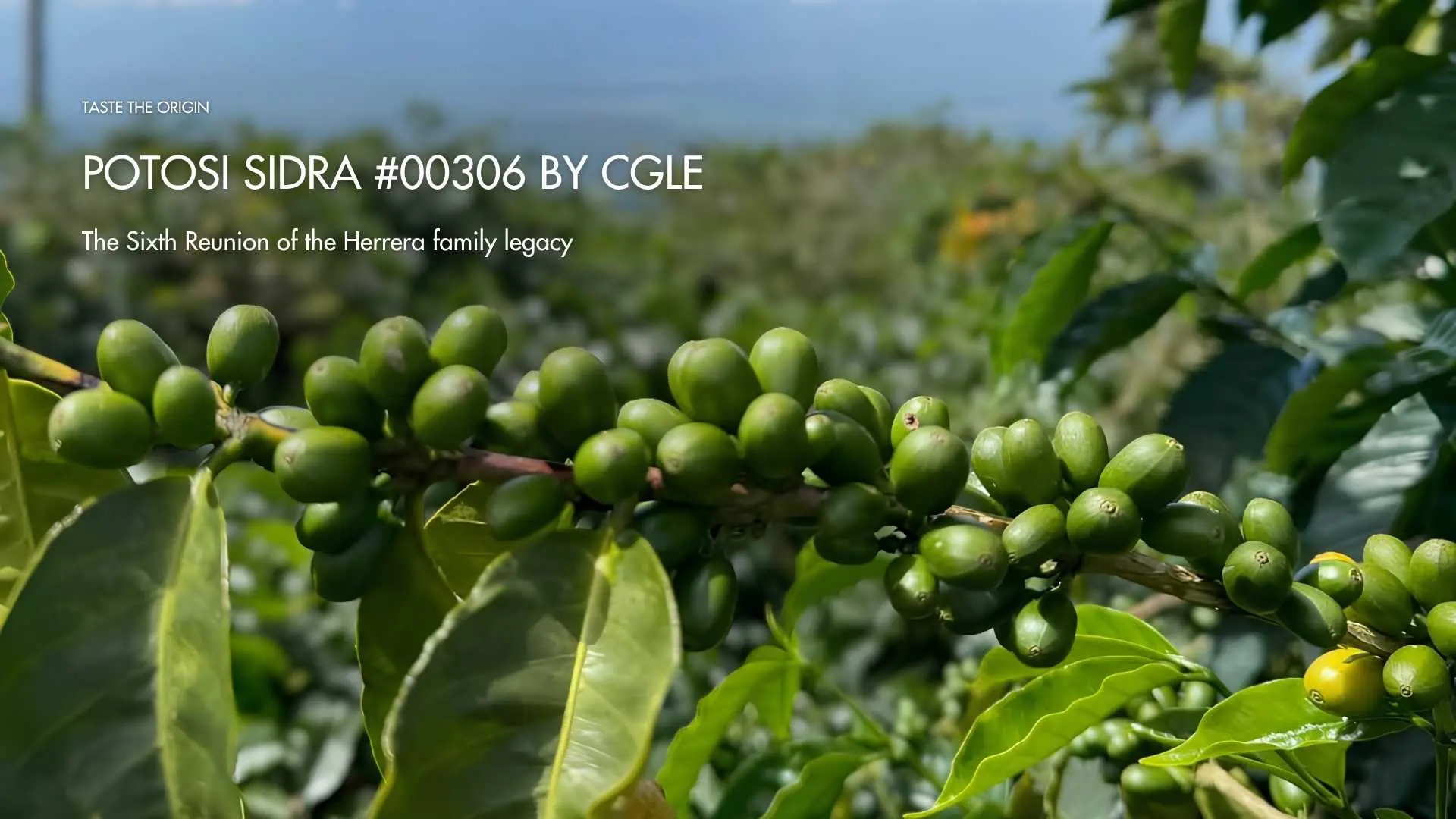
Potosi Sidra #00306 – The sixth reunion of the Herrera family legacy
The sixth harvest marks the return of Potosi Sidra #00306 by CGLE, carrying the presence of a family patriarch entrusted with more than eighty years of heritage from the Herrera family. Cultivated in the founding valley of Potosi since 1945 in Caicedonia, this genetic treasure born from the union of Bourbon and Typica presents a remarkably evolved sensory profile. Through its Extremely Light Roast philosophy and the financial transparency of the Paid for Producer model, XLIII Coffee chooses to preserve the authentic voice of terroir and the coffee’s original flavor structure.
- Taste the Origin
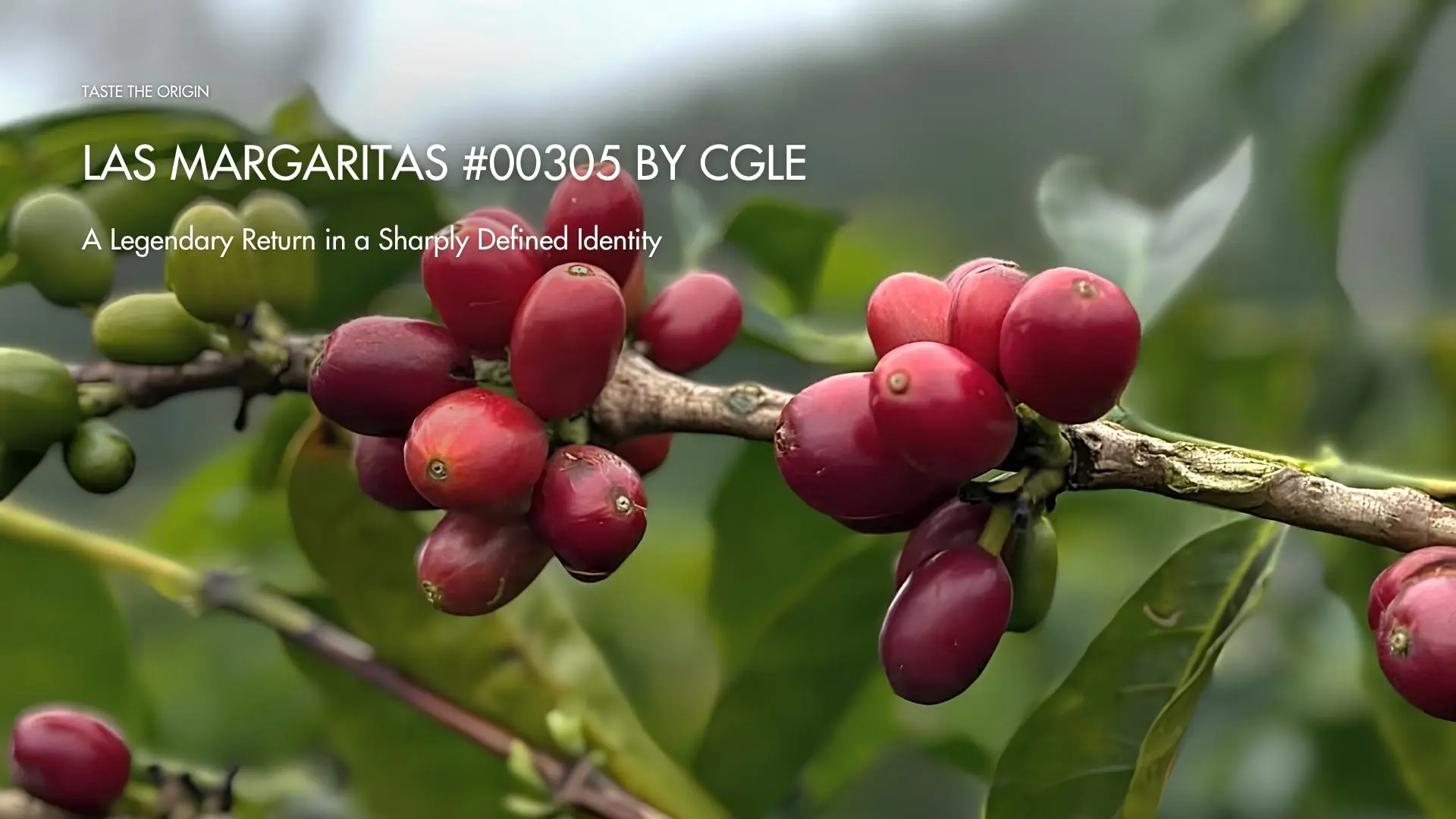
Las Margaritas #00305 by CGLE – A Legend Reunited in a Sharper Identity
Las Margaritas #00305 by CGLE returns to XLIII Coffee as a Gesha masterpiece reborn from the renowned Valle del Cauca region. Infused with the exquisite craftsmanship of Café Granja La Esperanza, this rare batch of coffee embarks on an enchanting flavor journey with vibrant citrus notes, delicate jasmine, and an elegant, lingering Earl Grey finish. Each drop is a crystallization of fertile volcanic soil and the sustainable farming philosophy that CGLE has persistently pursued for decades, creating a full-bodied, sharp flavor profile while retaining the pristine beauty characteristic of the royal Gesha variety.

- Find the Origin
Mandela coffee variety – A convergence of generations from a masterpiece breeding strategy
Amidst the constant fluctuations of the era, Mandela emerges as a gentle yet resilient response from the soil. Instead of attempting to alter or impose upon nature, this breeding strategy is, in essence, a profound act of listening. Each Mandela coffee bean carries the bloodline of multiple generations, possessing both the serene, steadfast nature of native trees and the sparkling elegance of premium varieties. It is a sacred continuation, where the flow of generations ultimate honors the original value of the species, imparting an intact and sustainable vitality into every cup.


Specialty Coffee in Vietnam
BRAND VALUE
YOU SHOULD HAVE KNOWN
XLIII Coffee has been aiming to become a big, impactful company with social responsibilities,
have access to high-quality raw materials and convey the complete original values of coffee to our customer
