
Specialty Coffee with Responsibility: A key to Development
As the world moves toward more sustainable solutions, specialty coffee is not only capturing consumers’ attention with its unique flavors and meticulous processing but also establishing its position through a commitment to social responsibility and sustainability. From small highland farms to modern coffee shops across the globe, specialty coffee with responsibility is becoming a global trend. In this article, we explore how specialty coffee contributes to sustainable development and why it’s becoming an essential choice for conscious consumers.
I. Defining Responsible Specialty Coffee and its Core Values
Responsible specialty coffee goes beyond producing high-quality beans. It emphasizes ethical and sustainable practices throughout the supply chain. To fully grasp this concept, we need to examine key aspects: quality, transparency in production, and environmental and community responsibility.
What is Responsible Specialty Coffee?
Responsible specialty coffee focuses on taste quality while prioritizing social, economic, and environmental responsibility throughout its supply chain, from farm to cup. It combines top-tier quality with responsibility at every stage—from seed selection and farming to harvesting, processing, and distribution. This approach delivers a premium taste experience while positively impacting coffee-producing communities and ecosystems.
The unique flavors and complexity of specialty coffee are just the beginning. The responsibility lies in producing it ethically, providing better working conditions for farmers, and supporting social and economic welfare. Farms producing responsible specialty coffee often collaborate with international organizations such as Fair Trade or Rainforest Alliance, ensuring fair wages and safe working environments for farmers. Additionally, they adopt sustainable farming methods to minimize environmental impact by using organic practices, avoiding harmful chemicals, and protecting natural resources.
Core Values of Responsible Specialty Coffee
When talking about responsible specialty coffee, three main factors define its core values: quality, ethics, and sustainability. These are interwoven and form the foundation of specialty coffee’s true value in today’s world.
Outstanding Quality
Quality is always the first priority. Specialty coffee stands out from regular commercial coffee, not only in flavor but also in its distinctive richness. A cup of specialty coffee can offer a delightful experience with notes ranging from fruity and floral to chocolate and spice, made possible by a meticulous production process.
Ethics and Social Responsibility

Responsible specialty coffee focuses on delivering high-quality flavors while emphasizing social, economic, and environmental responsibility throughout the entire supply chain, from the farm to the final cup.
What sets responsible specialty coffee apart is its ethical commitment. This involves safeguarding workers’ rights and ensuring fairness in the supply chain. Farmers receive fair compensation and access to sustainable farming technology and knowledge, helping to prevent exploitation in the traditional coffee industry.
Transparency is another key ethical value. Consumers can trace their specialty coffee back to its origins, creating trust and loyalty to products that uphold quality and social responsibility.
Environmental Sustainability
Lastly, sustainability is integral. Specialty coffee production uses eco-friendly farming methods, from reducing chemical use to efficient water management. Sustainable production practices not only protect local ecosystems but also ensure that future generations can continue to grow and enjoy coffee.
Sustainability isn’t just an option; it’s a necessity. In the face of growing climate change concerns, maintaining ecological balance during coffee production is crucial for safeguarding the planet and human livelihoods.
II. Responsibility in Specialty Coffee Production
Ethical and Transparent Production
Transparency is key to ensuring responsible coffee production. Specialty coffee farms worldwide are adopting responsible production methods that consider not only quality but also environmental and labor welfare. These farms embrace sustainable farming, such as organic agriculture, while ensuring fair working conditions for farmers.
Fair Trade and Rainforest Alliance enforce strict standards to guarantee fair wages and safe working environments. This supports both workers’ rights and rural economic development. Notable farms like Café Granja La Esperanza (Colombia), Ninety Plus (Panama), and Finca Rosenhiem (Peru) have gained recognition for their transparency and strong ties to local communities.
Environmental Responsibility
Environmental responsibility is crucial in specialty coffee production. Many farms are transitioning to sustainable farming methods to minimize their environmental footprint. Techniques like shade-grown coffee help protect local ecosystems while reducing carbon emissions.
Certification programs like Rainforest Alliance and Organic ensure that farms adhere to environmental standards, preserving natural resources while promoting sustainable coffee farming.

At Finca Soledad in Ecuador, founder José Pepe Jijón has invested in sustainable farming practices, supporting farmers by providing technical training, improving working conditions, and ensuring that they can live and work sustainably on their own land.
III. Responsibility in Specialty Coffee Business
Transparent and Fair Business Practices
In the specialty coffee industry, responsible business practices have become essential. These include supply chain transparency, direct trade with farmers, and providing consumers with clear information about the origin of the coffee. A fair supply chain benefits both farmers and consumers.
Leading specialty coffee brands build direct relationships with farms, paying fair prices, offering technical support, and ensuring safe working conditions. Brands like XLIII Coffee prioritize ethics and transparency, ensuring that every batch of coffee meets environmental standards while guaranteeing fair wages for farmers. This not only provides consumers with exceptional coffee but also makes them part of a positive movement for social and environmental good.
Consumer Responsibility
Today’s consumers are not just seeking quality products—they want ethical ones too. Businesses have a responsibility to provide transparency about production processes and sustainability standards, helping consumers make informed, responsible choices.
XLIII Coffee is committed to transparency and sharing the stories behind each coffee batch. Every time they introduce a new batch, they share not only the flavor and brewing methods but also the journey of the beans from farm to cup. This emotional connection fosters consumer trust and loyalty.

XLIII Coffee is committed to carefully selecting trusted partners and strictly overseeing the supply process to deliver high-quality specialty coffee batches.
IV. Why Responsible Specialty Coffee is the Future?
Shifting Consumer Awareness
Consumers are increasingly drawn to products that not only deliver quality but also align with their ethical values. Many are willing to pay more for sustainably and ethically produced goods. A report by the National Coffee Association shows that over 70% of coffee drinkers in the U.S. are willing to pay a premium for certified sustainable coffee.
This shift is driven by Millennials and Gen Z, who prioritize social responsibility and environmental impact. They want not just great-tasting coffee but also to know that their consumption supports ethical practices.
Brands’ Efforts Toward Sustainability
This trend pressures coffee businesses to meet rising standards of transparency and sustainability. Companies are investing in sustainable agriculture and supporting education for coffee farmers worldwide. Brands like XLIII Coffee have forged direct relationships with small farms, providing technical support and empowering farmers.
Sustainability and Environmental Protection: A Vital Need
Climate change is already impacting coffee-growing regions in Central and South America and Africa. Rising temperatures, unpredictable rainfall, and soil erosion threaten coffee production, with projections that 50% of current coffee-growing land may be unsuitable by 2050.
Specialty coffee production plays a crucial role in promoting sustainable farming practices to mitigate these environmental impacts.

Responsible specialty coffee plays a crucial role in promoting sustainable farming methods and minimizing negative environmental impacts.
Conclusion
Responsible specialty coffee is an essential part of the global coffee industry’s journey toward sustainability. When consumers choose specialty coffee, they are not just enjoying high-quality coffee; they are contributing to a fair, sustainable coffee ecosystem.
As consumer behavior changes and environmental challenges intensify, responsible specialty coffee is not just a trend—it’s the future. Brands like XLIII Coffee are leading the way by maintaining transparency, supporting coffee farming communities, and promoting sustainable practices.
V. FAQs
1. What is responsible specialty coffee?
Responsible specialty coffee refers to coffee that not only meets high-quality standards (scoring 80 points or above according to SCA) but is also produced and traded in an ethical, sustainable, and transparent manner. This ensures that the farming process protects the environment and that farmers receive fair wages and better living conditions.
2. Why is responsibility in coffee production important?
Responsible coffee production helps protect the environment, supports farming communities, and creates a sustainable ecosystem. By using sustainable farming methods such as organic agriculture and shade-grown practices, the coffee industry can help preserve natural ecosystems and reduce negative environmental impacts.
3. What role does responsible coffee business play in the supply chain?
A responsible coffee business ensures fairness and transparency at every stage of the supply chain, from direct trade with farmers to providing clear information to consumers. This allows consumers to understand the origin of their coffee and ensures farmers are fairly compensated, building trust with customers.
4. What does environmental responsibility in specialty coffee production involve?
Environmental responsibility in specialty coffee production includes using sustainable farming practices, protecting ecosystems, and reducing negative environmental impacts. Farms often adopt organic farming, efficient water use, forest conservation, and greenhouse gas reduction strategies to minimize harm to the environment.
5. Why do consumers prefer responsible specialty coffee today?
Consumers today are not just looking for great flavor—they want products that align with their ethical values. They seek out products that are environmentally friendly and socially responsible, knowing their purchase contributes to sustainability and supports coffee-growing communities. Responsible specialty coffee meets these needs through transparency and sustainable production methods.

Bài viết mới

- Taste the Origin
Finca La Palestina Red Bourbon #5487 – A blossoming legacy in the highlands of Cajamarca
Amidst the ethereal clouds of Cajamarca, where the deep forest, Mother Earth, and time harmonize, Finca La Palestina Red Bourbon #5487 is born as a proud epic of heritage. It bears witness to the story of three generations of the Alarcón Coronel family, to their respect for nature, and to their Cup of Excellence achievements. Each layer of fragrance is a journey for all the senses, leading the connoisseur into subtle and captivating depths.

- Breaking News
Royal Botanic Gardens, Kew announces new hybrid coffee named Libex
As the global coffee industry faces unprecedented challenges from climate change, the Royal Botanic Gardens, Kew (UK) has brought a ray of hope by formally announcing a natural hybrid coffee named Libex. Identified after intensive genetic research across three continents, Libex represents a perfect intersection between the resilient heat tolerance of Liberica and the robust agronomic vigor of Excelsa.

- Find the Origin
Mejorado Coffee Variety – The Perfect Blend of Bourbon & SLN Hybrid Lineage
Originating from the windswept hillsides of the South American highlands, the Mejorado coffee variety tells the story of a genetic masterpiece that is redefining the boundaries of the contemporary Specialty Coffee world. Behind a easily misunderstood name lies a completely distinct alter ego, where the sweet heritage of the Bourbon variety intertwines with the resilient vitality of the SLN hybrid lineage. Thanks to a profound slow-ripening process in the chill of extreme altitudes, this seed nurtures a magnificent flavor profile with ethereal floral and fruit notes, stepping onto the altars of global competitions to assert its status as a future icon, ready to stir the most discerning senses.
- Taste the Origin
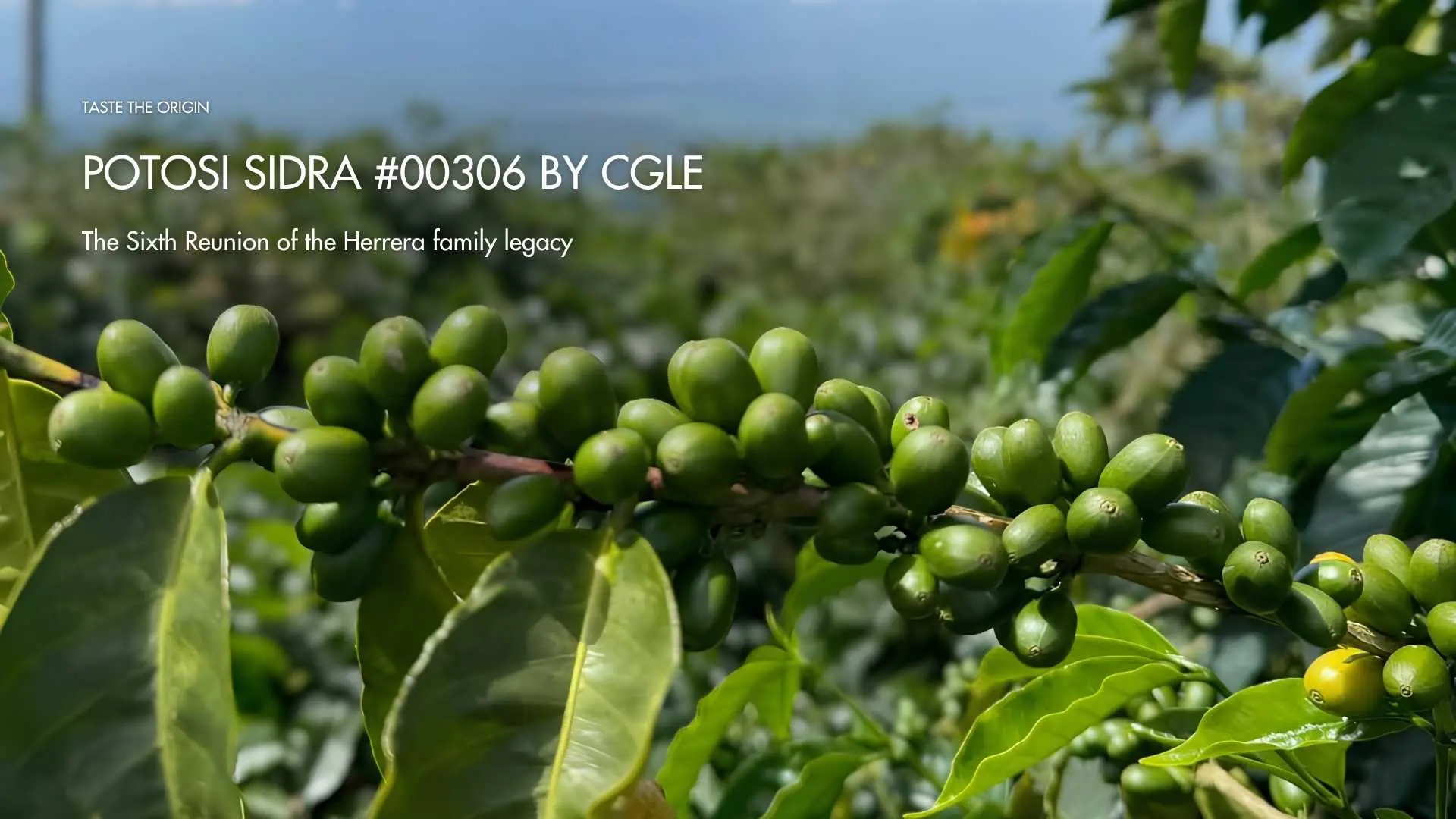
Potosi Sidra #00306 – The sixth reunion of the Herrera family legacy
The sixth harvest marks the return of Potosi Sidra #00306 by CGLE, carrying the presence of a family patriarch entrusted with more than eighty years of heritage from the Herrera family. Cultivated in the founding valley of Potosi since 1945 in Caicedonia, this genetic treasure born from the union of Bourbon and Typica presents a remarkably evolved sensory profile. Through its Extremely Light Roast philosophy and the financial transparency of the Paid for Producer model, XLIII Coffee chooses to preserve the authentic voice of terroir and the coffee’s original flavor structure.
- Taste the Origin
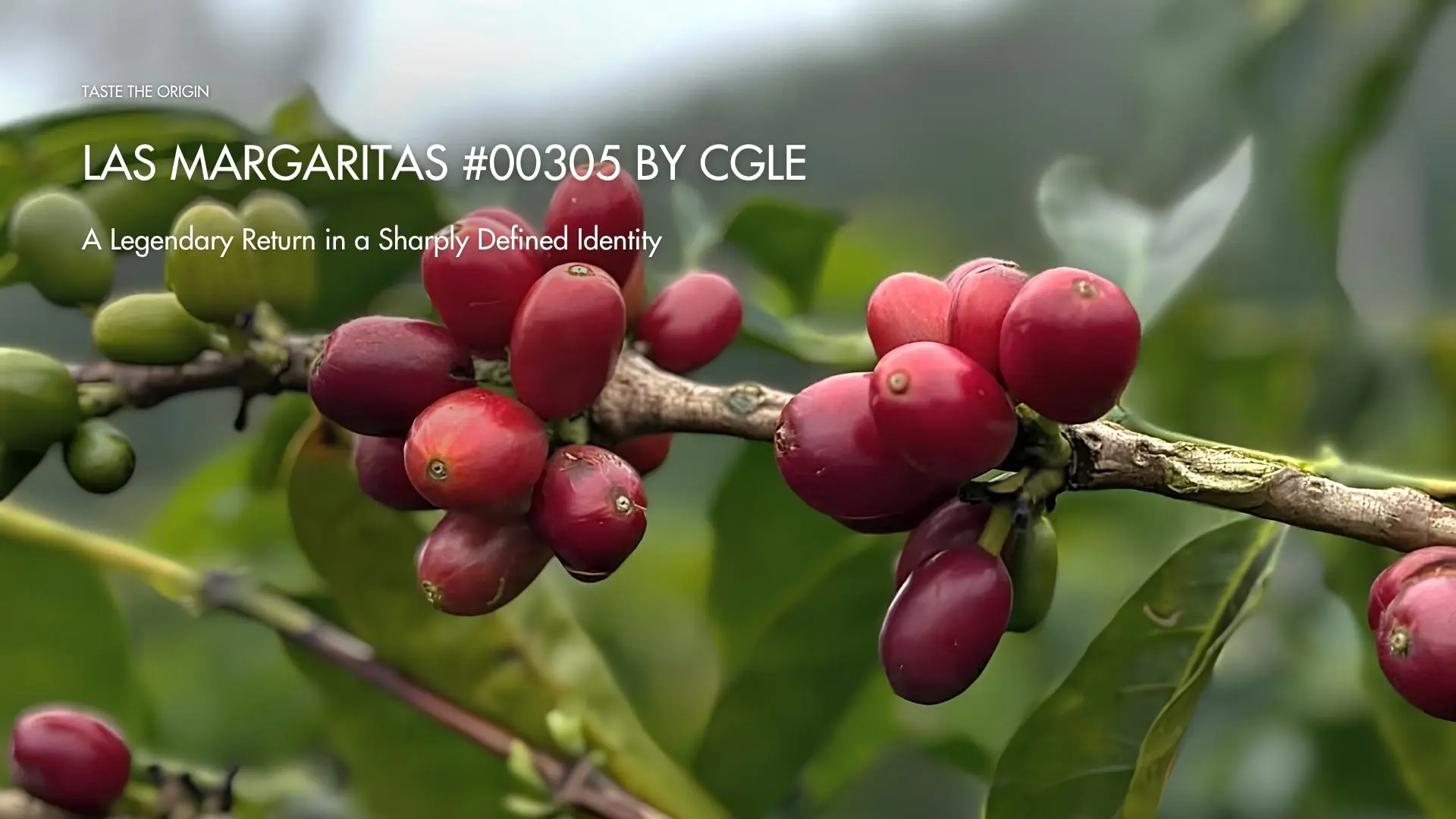
Las Margaritas #00305 by CGLE – A Legend Reunited in a Sharper Identity
Las Margaritas #00305 by CGLE returns to XLIII Coffee as a Gesha masterpiece reborn from the renowned Valle del Cauca region. Infused with the exquisite craftsmanship of Café Granja La Esperanza, this rare batch of coffee embarks on an enchanting flavor journey with vibrant citrus notes, delicate jasmine, and an elegant, lingering Earl Grey finish. Each drop is a crystallization of fertile volcanic soil and the sustainable farming philosophy that CGLE has persistently pursued for decades, creating a full-bodied, sharp flavor profile while retaining the pristine beauty characteristic of the royal Gesha variety.

- Taste the Origin
Finca Rosenheim Typica & Caturra – The Crossroads of Cultural Currents
Across the tides of world history, Finca Rosenheim Typica & Caturra emerges as a living testament hidden within the vast wilderness of Villa Rica. Here, the ancient lineage of the legendary Typica variety converges with the purity of the Washed process and the artistry of shade grown cultivation, weaving together delicate layers of Milk Chocolate, Nougat, and Purple Floral. Together, they create a profound resonance between resilient European heritage and the soul of the native Andes.

Specialty Coffee in Vietnam
BRAND VALUE
YOU SHOULD HAVE KNOWN
XLIII Coffee has been aiming to become a big, impactful company with social responsibilities,
have access to high-quality raw materials and convey the complete original values of coffee to our customer
