
How Do Green Beans Affect Coffee Flavor?
It’s hard to create a flavorful cup of coffee using average-quality raw materials, isn’t it? That’s precisely why, to produce a delicious cup, the foundation—the green coffee bean—must first be of high quality.

Green Beans Define the Flavor Foundation of Roasted Coffee
Although research into the chemistry of green coffee beans is still relatively limited, current knowledge isn’t yet comprehensive enough to predict final flavor solely based on chemical data. However, according to Barbosa et al. (2019), the biochemical composition of green coffee is a direct determining factor in the final sensory quality of a cup.
Several studies, such as Joët et al. (2010), indicate that the major storage compounds in Coffea beans include carbohydrates (34–55%), lipids (7–17%), peptides and proteins (10–15%), free amino acids (0.37–2.88%), sucrose (7–11%), and minerals (3–5%). These compounds act as flavor precursors, participating in critical chemical reactions during roasting—such as Maillard, Strecker degradation, and pyrolysis. This complex chain of reactions produces the signature flavors, aromas, and colors of roasted coffee (Joët et al., 2010; Somporn et al., 2011).
Additionally, green coffee is rich in bioactive compounds like chlorogenic acids, flavonoids, and alkaloids—most notably trigonelline (0.94–1.69%) and caffeine (0.53–3.27%)—which significantly influence the bitterness and distinctive aroma of coffee (Ahmed Ali et al., 2022; Caporaso et al., 2018).
The Link Between Green Bean Chemistry and Roasted Coffee Flavor
You can think of green beans as “raw ore” loaded with potential compounds, just waiting for heat to transform them into sophisticated aromatic molecules. For example, free amino acids, peptides, or proteins interact with carbonyl-containing reducing sugars to form aroma precursors via the Maillard reaction (Halford et al., 2012).

Meanwhile, chlorogenic acids break down into phenolic derivatives that affect the color and taste of coffee. Sucrose and polysaccharides decompose into reducing sugars, which react with amino acids to create numerous aroma precursors like aldehydes, pyrazines, and furans. When trigonelline undergoes pyrolysis, it forms pyrroles and alkyl-pyridines, which contribute to roasted, caramel, and nutty notes (Joët et al., 2010; Halford et al., 2012).
Roasting, at its core, is the process of activating and regulating these chemical reactions—using time and temperature to transform green precursors into desirable flavor compounds. The quality of the green bean—its size, density, and compound content—determines how these reactions progress, the rate of flavor development, and the technical limitations of roasting. For example, beans with high sucrose content will experience more intense Maillard reactions, resulting in pronounced caramel and malt notes. Beans with uniform and optimal moisture content transfer heat more evenly, making the roast easier to control and more consistent in flavor. Beans rich in organic acids and fruit-like esters will yield more complex flavor profiles. Conversely, defective green beans (e.g., over-fermented, physically damaged, or poorly stored) will result in undesirable flavors.
At this point, you might better understand why quality green beans are the indispensable foundation for a delicious cup of coffee. As Kocadağlı et al. (2012) emphasized, roasted coffee cannot deliver good sensory quality if the green beans don’t provide the necessary chemical precursors. No matter how refined the roasting technique, it cannot extract what doesn’t exist.
However, not all coffee beans possess the same “flavor potential.” Research by Celli & de Camargo (2019) shows that genetics, environmental conditions, and post-harvest processing methods can all influence the quantity and proportion of storage compounds in green beans, ultimately leading to significant differences in final cup flavor. Therefore, achieving a great finish demands excellence from the very start—cultivation, farming practices, harvesting, and processing.
In the end, while roasting, brewing, and tasting all shape the final experience, the ultimate quality of a cup of coffee always originates from its raw essence: the green bean, and every step taken before it reaches the roaster.

Bài viết mới
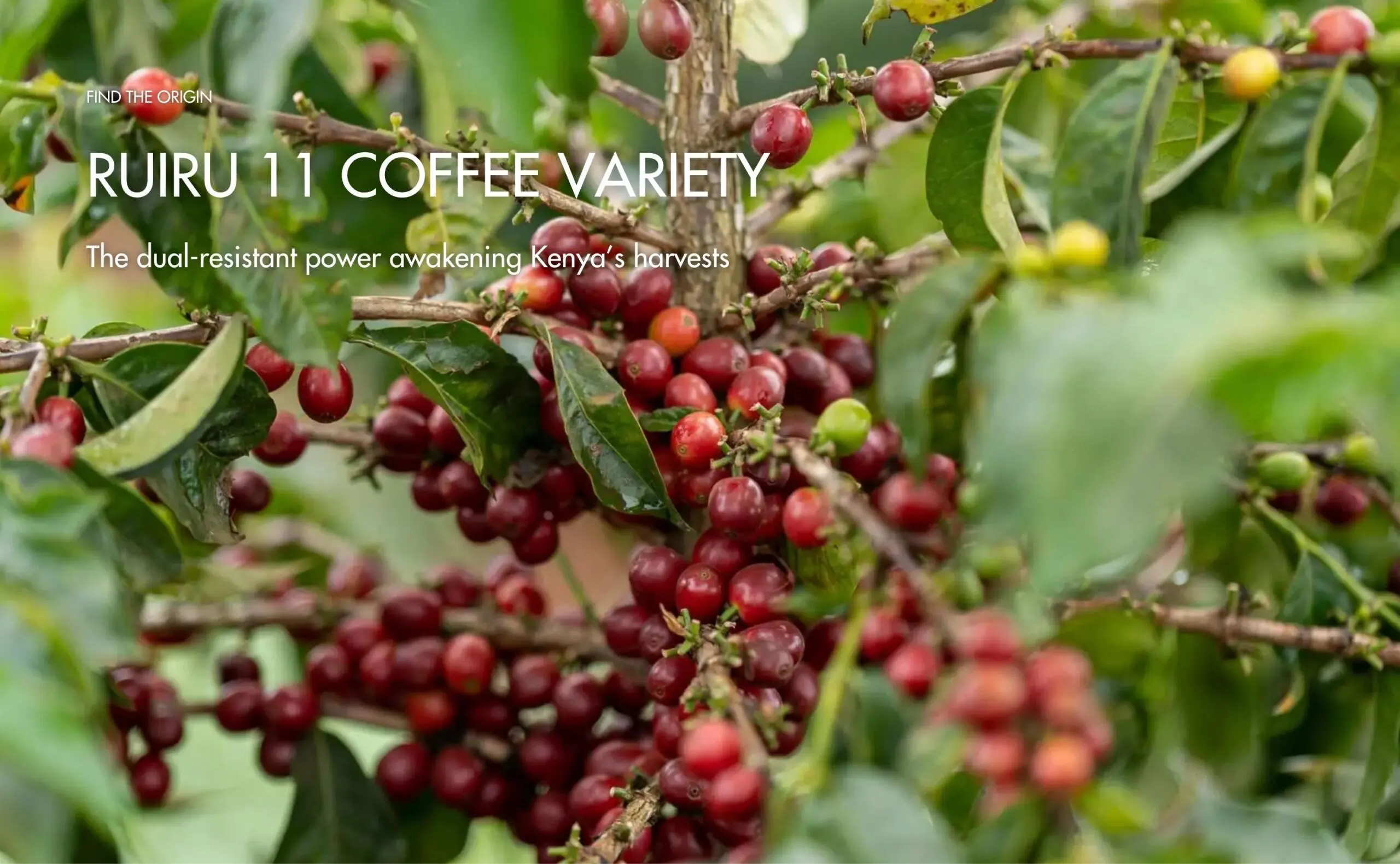
- Find the Origin
Ruiru 11 coffee variety – The dual-resistant power awakening Kenya’s harvests
Born from the ashes of a devastating pandemic, Ruiru 11 is a resilient response of indigenous wisdom to the trials of nature. Carrying a complex genetic code from 66 sibling isolines, this humbly statured coffee variety possesses superb “dual-resistance” against the twin shadows of Coffee Berry Disease and Coffee Leaf Rust. Overcoming early prejudices and the paradox of trade-offs between yield and flavor, Ruiru 11 has been weaving through nurseries, awakening dormant harvests across highland hillsides, and igniting a proud flame of self-reliance for Kenyan coffee.

- Taste the Origin
Sudan Rume #00313 by CGLE – The origin legend beneath the Eucalyptus canopy
From a wild coffee lineage discovered in the Rume Mountains in the 1940s to the enduring conservation efforts of Café Granja La Esperanza, Sudan Rume #00313 by CGLE invites drinkers on a sensory pilgrimage to the birthplace of the Arabica world. It is a rare biological legacy preserved through unwavering dedication, integrity, and deep reverence for history.
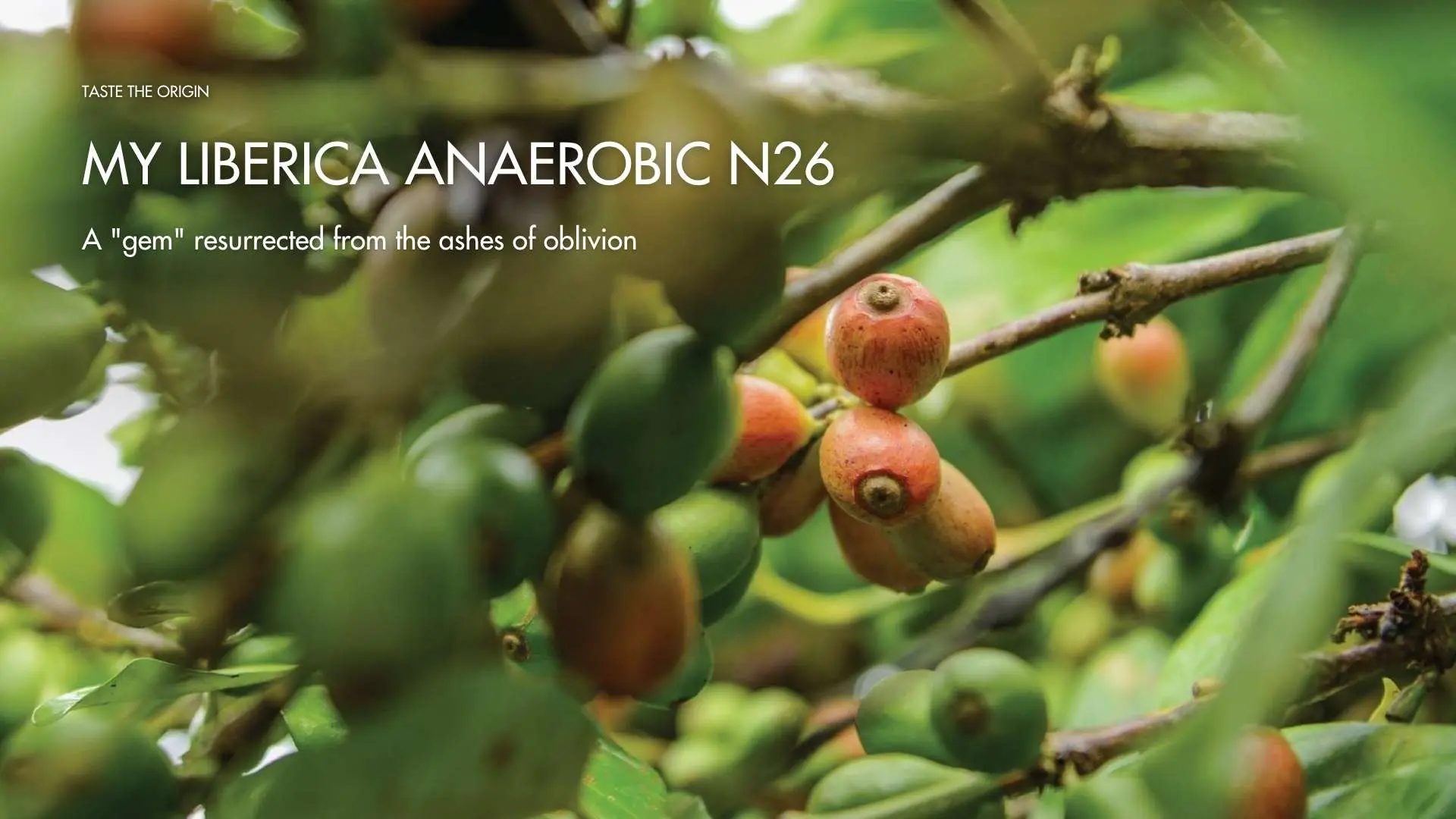
- Taste the Origin
My Liberica Anaerobic N26 – A “gem” resurrected from the ashes of oblivion
The journey of My Liberica Anaerobic N26 is the triumph of a forgotten species, awakened by the depth of understanding, patience, and faith in its original essence. From the heavy clay layers of Kulai to 26 days of transformation in absolute darkness, each step contributes to unlocking layers of flavor that the world once thought could not exist in Liberica. More than just a cup of coffee, My Liberica Anaerobic N26 is a powerful declaration that all great values begin with the courage to delve into their essence, and then rise to a unique voice that resonates throughout the world.


- Taste the Origin
Finca Soledad Mejorado Tyoxy & Fincas Putushio Mejorado – The red thread of the Jijón family
The simultaneous arrival of Finca Soledad Mejorado Tyoxy and Fincas Putushio Mejorado at XLIII Coffee paints a remarkable portrait of the adaptability of the Mejorado variety within Ecuador’s specialty coffee landscape. Nurtured by a shared family philosophy and a commitment to principled cultivation, these two processed lots represent both a breakthrough in microbial innovation and the remarkable return of an exceptional flavor profile.

- Taste the Origin
Finca La Palestina Gesha #5482 – A new chapter in the legend from Cajamarca
From the renowned Cajamarca region, Finca La Palestina Gesha #5482 returns after a period of absence with a proud and fresh appearance. Nurtured in ideal altitude conditions and the cool climate characteristic of the Andes, each coffee bean slowly accumulates subtle flavor nuances before being perfected using the Washed method to maximize the purity of the Gesha variety. Under a carefully refined extremely-light roast profile, this batch of coffee reveals layers of white jasmine, ripe citrus, and sweet golden apricot aromas, interwoven in an elegant and rich flavor structure.

Specialty Coffee in Vietnam
BRAND VALUE
YOU SHOULD HAVE KNOWN
XLIII Coffee has been aiming to become a big, impactful company with social responsibilities,
have access to high-quality raw materials and convey the complete original values of coffee to our customer
