
Kombucha Fermentation: A Bold Push Toward a New Flavor Experience
Kombucha – the fermented tea beloved by health-conscious communities is being introduced into coffee fermentation as a bold experiment. When applied to Arabica beans, kombucha brings fascinating transformations: a brighter acidity, a smoother bitterness, and a remarkable increase in antioxidant compounds. The intersection of microbiology and coffee processing opens a daring new path for flavor exploration, revealing a potential new direction for the specialty coffee industry.

Kombucha Enters the World of Coffee: A Discovery from Seoul National University
From a fermented tea long popular among wellness enthusiasts, kombucha is now venturing into a seemingly unrelated field – coffee processing. In early 2025, a research team at Seoul National University (South Korea) published a remarkable *finding: by applying kombucha to the fermentation of Arabica coffee beans, they observed significant changes in both the chemical composition and sensory characteristics of coffee.
The study is considered a bold experiment, as researchers aimed to verify whether the symbiotic microorganisms in kombucha – a mixture of bacteria and yeasts could positively influence the flavor development of coffee beans. The initial results were promising: using kombucha as a fermentation medium increased the coffee’s antioxidant content while producing a brighter, more balanced flavor compared to traditional processing methods.
The Study Reveals the Effects of Kombucha Fermentation on Coffee
The research team used Ethiopia Yirgacheffe G4, a refined Arabica variety known for its delicate and floral profile, and fermented the beans using two types of kombucha: one brewed from black tea and another from coffee. After 24 hours of fermentation at 30°C, the biochemical indicators showed notable changes.
The coffee’s pH decreased slightly, while total acidity, polyphenol, and flavonoid levels increased by 1,7 to 2 times. Key beneficial compounds – chlorogenic acid, caffeic acid, and trigonelline, which directly affect sweetness, acidity, and floral notes were found at significantly higher levels. Moreover, the antioxidant activity of kombucha-fermented coffee nearly doubled, demonstrating that this method’s potential extends beyond flavor to nutritional and functional benefits.

From a sensory perspective, the researchers recorded a brighter acidity, less bitterness and astringency, and a deeper, more complex aroma. Volatile compound analysis revealed a rise in aldehydes and furans – associated with caramel, honey, and ripe fruit aromas while pyrazines (linked to roasted and smoky notes) decreased. The result was a harmonious and distinctive flavor profile that preserved the signature essence of Ethiopian coffee while introducing new layers of nuance shaped by kombucha fermentation.
Could Kombucha Become the Next “Natural Yeast” in Specialty Coffee Processing?
The core of this process lies in the symbiotic culture of bacteria and yeast (SCOBY) found in kombucha. This living culture includes several microbial strains – Komagataeibacter, known for producing organic acids and cellulose, and yeasts such as Dekkera and Pichia, which ferment sugars and generate aromatic compounds. Together, they create a stable and complex fermentation process precisely what specialty coffee producers are seeking.
Unlike commercial yeast, kombucha acts more naturally, adapting well to environmental conditions and introducing subtle yet meaningful flavor transformations. For this reason, many experts believe kombucha could represent a new generation of “natural yeast” for the specialty coffee industry, where the pursuit of uniqueness and distinctiveness in flavor is paramount.
The findings from Seoul National University not only open a new direction for food science but also inspire producers, roasters, and baristas seeking unique sensory experiences in every cup. Kombucha, once a familiar fermented tea may soon become a key catalyst for the next wave of specialty coffee, where microorganisms and flavor come together to tell a new story of creativity and evolution in coffee.
*Scientific Reference:
Utilizing Kombucha Culture for Coffee Fermentation and Biochemical Characteristic Analysis, Current Research in Food Science, Kim et al., (2025).

Bài viết mới
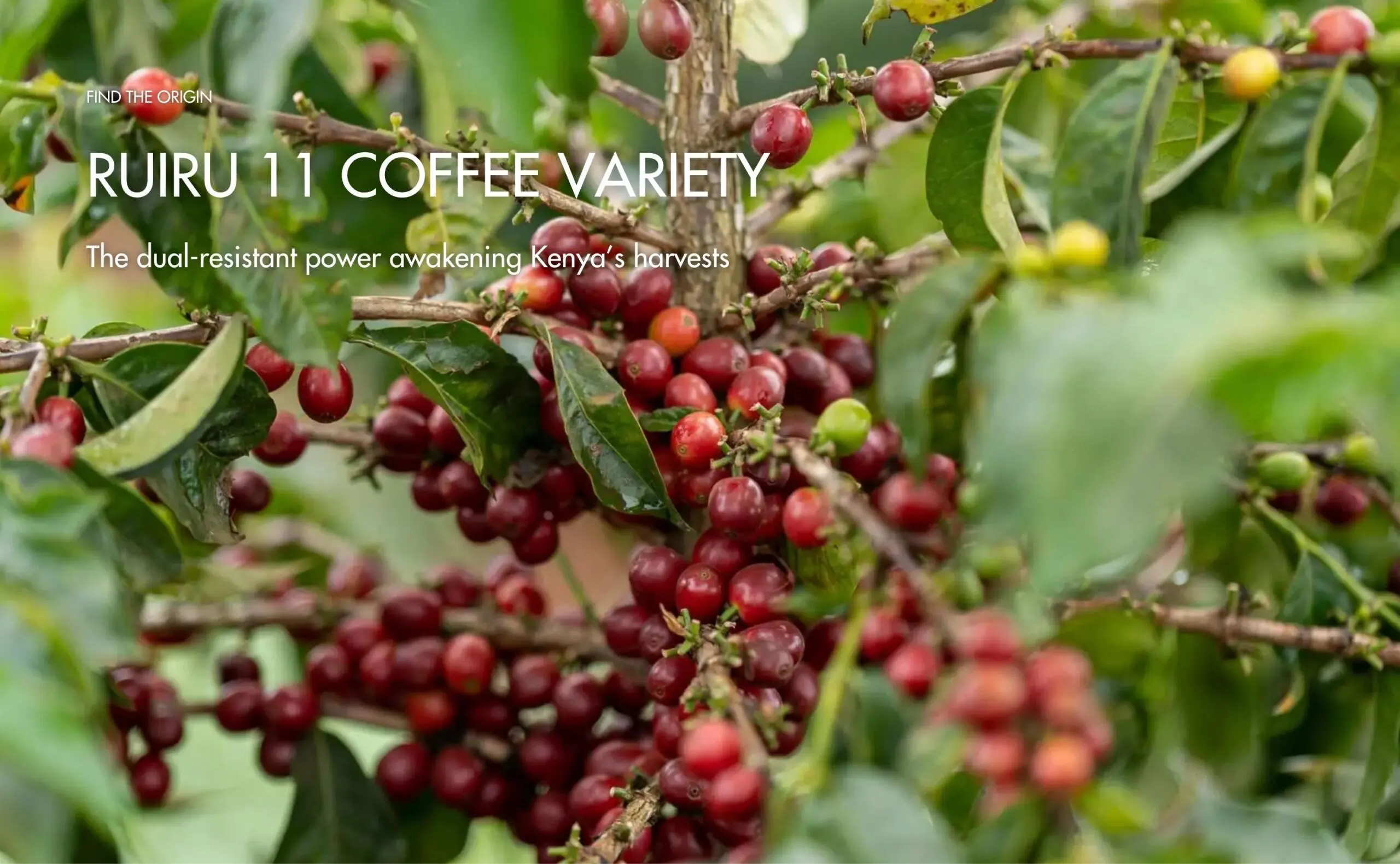
- Find the Origin
Ruiru 11 coffee variety – The dual-resistant power awakening Kenya’s harvests
Born from the ashes of a devastating pandemic, Ruiru 11 is a resilient response of indigenous wisdom to the trials of nature. Carrying a complex genetic code from 66 sibling isolines, this humbly statured coffee variety possesses superb “dual-resistance” against the twin shadows of Coffee Berry Disease and Coffee Leaf Rust. Overcoming early prejudices and the paradox of trade-offs between yield and flavor, Ruiru 11 has been weaving through nurseries, awakening dormant harvests across highland hillsides, and igniting a proud flame of self-reliance for Kenyan coffee.

- Taste the Origin
Sudan Rume #00313 by CGLE – The origin legend beneath the Eucalyptus canopy
From a wild coffee lineage discovered in the Rume Mountains in the 1940s to the enduring conservation efforts of Café Granja La Esperanza, Sudan Rume #00313 by CGLE invites drinkers on a sensory pilgrimage to the birthplace of the Arabica world. It is a rare biological legacy preserved through unwavering dedication, integrity, and deep reverence for history.
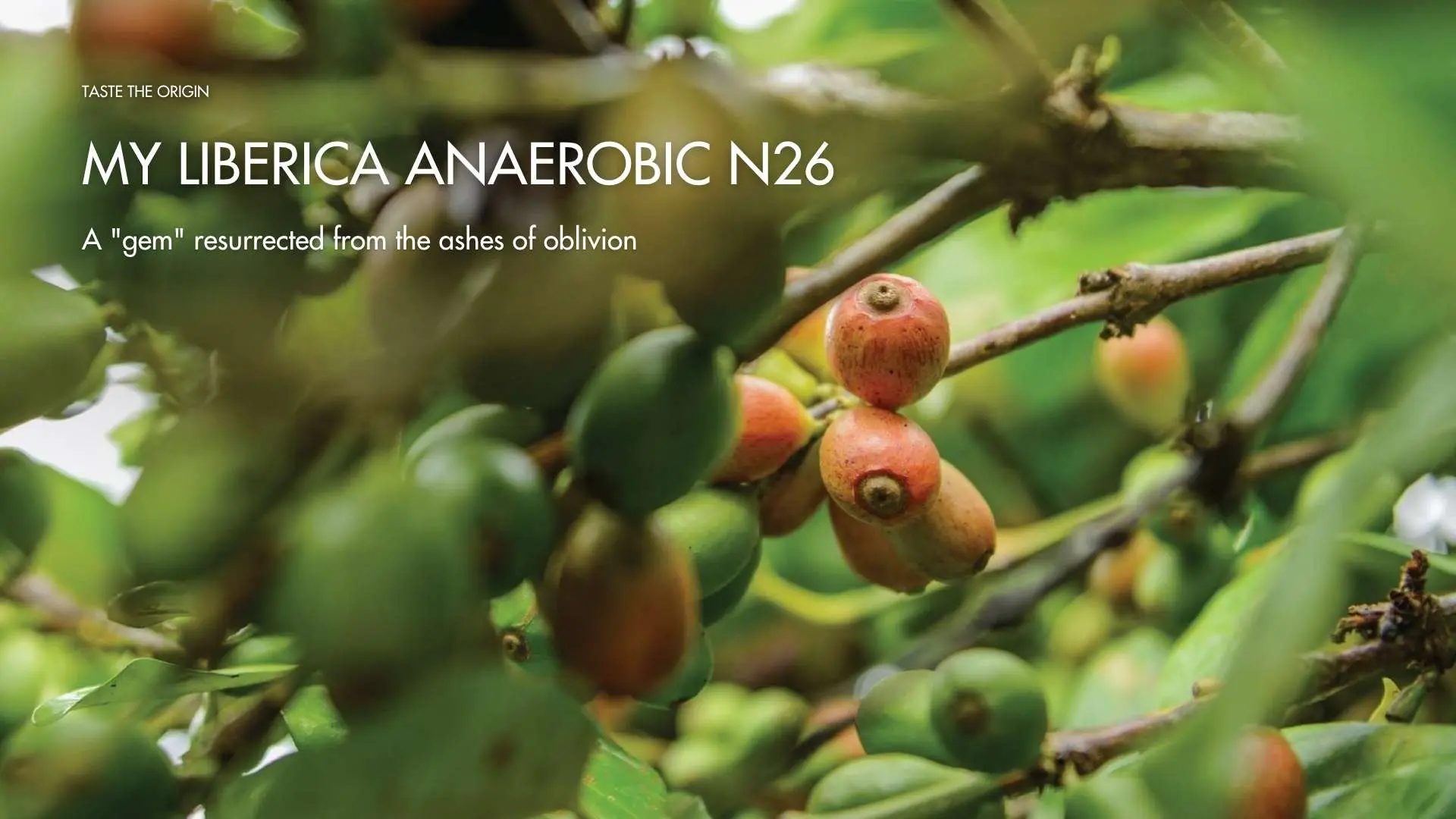
- Taste the Origin
My Liberica Anaerobic N26 – A “gem” resurrected from the ashes of oblivion
The journey of My Liberica Anaerobic N26 is the triumph of a forgotten species, awakened by the depth of understanding, patience, and faith in its original essence. From the heavy clay layers of Kulai to 26 days of transformation in absolute darkness, each step contributes to unlocking layers of flavor that the world once thought could not exist in Liberica. More than just a cup of coffee, My Liberica Anaerobic N26 is a powerful declaration that all great values begin with the courage to delve into their essence, and then rise to a unique voice that resonates throughout the world.


- Taste the Origin
Finca Soledad Mejorado Tyoxy & Fincas Putushio Mejorado – The red thread of the Jijón family
The simultaneous arrival of Finca Soledad Mejorado Tyoxy and Fincas Putushio Mejorado at XLIII Coffee paints a remarkable portrait of the adaptability of the Mejorado variety within Ecuador’s specialty coffee landscape. Nurtured by a shared family philosophy and a commitment to principled cultivation, these two processed lots represent both a breakthrough in microbial innovation and the remarkable return of an exceptional flavor profile.

- Taste the Origin
Finca La Palestina Gesha #5482 – A new chapter in the legend from Cajamarca
From the renowned Cajamarca region, Finca La Palestina Gesha #5482 returns after a period of absence with a proud and fresh appearance. Nurtured in ideal altitude conditions and the cool climate characteristic of the Andes, each coffee bean slowly accumulates subtle flavor nuances before being perfected using the Washed method to maximize the purity of the Gesha variety. Under a carefully refined extremely-light roast profile, this batch of coffee reveals layers of white jasmine, ripe citrus, and sweet golden apricot aromas, interwoven in an elegant and rich flavor structure.

Specialty Coffee in Vietnam
BRAND VALUE
YOU SHOULD HAVE KNOWN
XLIII Coffee has been aiming to become a big, impactful company with social responsibilities,
have access to high-quality raw materials and convey the complete original values of coffee to our customer
