
Reputation and quality of Panama’s Specialty Coffee region
The Specialty Coffee region of Panama has captured the hearts of coffee enthusiasts with its complex and unique beans. The diverse landscape, ideal climate, and meticulous care by farmers are key factors that have established Panama’s reputation as a standout coffee-growing region on the world map. Let’s explore the journey from green farms to exquisite coffee cups in Panama with XLIII Coffee!
I. Overview of Panama's Specialty Coffee region
Geography
Panama is a Central American country connecting North and South America, bordered by Costa Rica and Colombia. The coffee-growing region covers about 75,000 km², with 80% mountainous terrain and the rest mainly tropical rainforest. The varied terrain includes mountain ranges like the Cordillera de Talamanca and valleys and plains.
Panama is also known for the Panama Canal, an 82 km artificial waterway connecting the Caribbean and Pacific, allowing ships to travel between the Atlantic and Pacific without navigating around South America.
Climate
Panama’s microclimate is perfect for cultivating high-quality coffee. It has a humid subtropical climate with a rainy season from May to December and a dry season from January to April. This, combined with fertile volcanic soil, creates an ideal environment for coffee growth. The unique weather patterns in the highlands, where cold winds meet warm Pacific breezes, contribute to Panama’s distinctive coffee.

Panama’s coffee-growing region covers about 75,000 km², with 80% mountainous terrain and the rest primarily tropical rainforest.
II. History of Panamian Specialty Coffee
Introduction of coffee
Coffee was introduced to Panama in the late 19th century by European immigrants. Chiriquí Province, the first settlement and coffee cultivation area, quickly became the coffee production center.
Although Panama started coffee cultivation later than other Central American countries, it faced challenges due to its small-scale production and low output. To improve quality and value, the Specialty Coffee Association of Panama was founded, promoting coffee through international events like “Best of Panama.”
Development of the coffee industry
Panama’s coffee industry has grown significantly over time. Initially challenged by low international prices and reliance on imports, the country improved its coffee quality and gained global recognition with varieties like Geisha.

Panama’s mineral-rich volcanic soil provides essential nutrients for coffee plants, promoting strong growth and high-quality bean production.
Recent years have seen significant growth thanks to the success of Geisha coffee, known for its complex flavors. Panama now exports around 50,000 bags of coffee annually and focuses on sustainable practices and technological advancements.
III. Main coffee varieties in Panama
About 70% to 80% of coffee grown in Panama is Arabica, with the remaining 20% to 30% being Robusta. Arabica is mainly exported from Chiriquí Province, while Robusta is locally consumed in Panama’s lowlands.
Below are some Arabica coffee varieties that contribute to Panama’s coffee reputation:
– Gesha
+ Characteristics: Gesha is Panama’s most important coffee variety, putting the nation on the global specialty coffee map. Its exceptional quality has established a high reputation in the specialty coffee industry, driving Panama’s coffee sector growth. It’s considered one of the world’s most expensive coffee varieties. In 2013, Panama’s Gesha sold for a record $803 per pound.
+ Flavor: Complex flavors of jasmine, citrus, and fruit, with bright acidity and natural sweetness.
– Caturra
+ Characteristics: Caturra is a popular variety in Panama, especially at lower altitudes than Gesha. With consistent flavor and high yield, Caturra plays a crucial role in maintaining production and meeting market demand.
+ Flavor: Rich flavor with mild acidity and notes of chocolate and nuts.
– Typica
+ Characteristics: Typica is grown in many Panama coffee farms, producing balanced and complex-flavored coffee. Though not as high-yielding as Caturra, Typica contributes significantly to Panama’s coffee flavor diversity.

Currently, Panama exports about 50,000 bags of coffee annually, mainly to the USA, Japan, and Europe.
+ Flavor: Complex and balanced flavors with fruit and spice aromas.
– Bourbon
+ Characteristics: Bourbon is another important variety in Panama, prized for its rich flavor and natural sweetness. It’s often grown on premium farms with optimized growing conditions for high-quality beans.
+ Flavor: Rich, sweet flavors with fruit and caramel notes.
IV. Notable coffee-growing regions in Panama
Panama’s first coffee plantations were in coastal areas, but low-altitude pests quickly moved cultivation to higher altitudes. Today, the main coffee-growing regions are Boquete, Volcán, and Renacimiento, all in Chiriquí Province.
– Boquete
Nature has blessed Boquete with fertile soil and microclimates, producing coffee with a unique local terroir. It is Panama’s top specialty coffee region.
+ Altitude: Boquete is a highland area at 1,200 to 2,100 meters.
+ Rainfall:
From May to December, the region receives rainfall primarily from the Pacific.
From December to March, rainfall comes mainly from the Masahiro Ocean.
+ Temperature: Temperatures range from 10°C to 26°C.
– Renacimiento
Renacimiento District is in western Chiriquí Province, bordering La Amistad National Park and Costa Rica. Renacimiento cultivates various varieties, including Gesha.
+ Altitude: Altitudes range from 600 to 2,500 meters.
+ Climate: The region has diverse climates, from tropical humid to high-altitude temperate and microclimates due to different altitudes and terrain.
– Volcán
Volcán is in Chiriquí Province, near Panama’s highest volcano, Barú.
+ Altitude: 1,200 to 1,800 meters
+ Temperature: High altitudes create a cool climate, with temperatures from 15°C to 25°C, ideal for coffee growth.
+ Rainfall: 2,000 to 3,000 mm of annual rainfall with distinct wet and dry seasons.

Panama’s Specialty Coffee region is primarily located in Chiriquí Province.
V. Challenges and opportunities for Specialty Coffee of Panama
Challenges
– Climate Change: Changes in temperature and rainfall affect coffee yield and quality. Coffee plants need stable climates for optimal growth.
– Pests and Diseases: Coffee Leaf Rust and pests like beetles can reduce coffee yield and quality.
– High Production Costs: High costs for fertilizers, irrigation, and labor can reduce coffee farmers’ profits.
Prospects and Future
Despite climate and disease challenges, Panama’s coffee inspires consumer confidence in its bright future due to:
– Coffee Quality: Panama is famous for its high-quality coffee, especially Gesha, which enhances coffee bean value and regional reputation in the Specialty Coffee market.
– Rising Coffee Demand: Growing global demand for specialty coffee creates opportunities for Panama coffee. International competitions like “Cup of Excellence” and “Best of Panama” have spotlighted Panama coffee among experts and consumers worldwide.
– Technological Investment: Many Panama coffee farms, such as those in the Specialty Coffee Association of Panama, are adopting modern technology and sustainable practices. Some farms have implemented drip irrigation systems, new drying technology, and organic farming methods to improve bean quality and reduce environmental impact.

Many coffee farms in Panama, including those in the Specialty Coffee Association of Panama, are adopting modern technology and sustainable farming methods.
VI. Related questions
1. How did Panama’s coffee history begin?
Panama coffee cultivation began in the late 19th century when European immigrants brought coffee plants to Chiriquí Province, in the country’s far west. This was the first area where people settled and planted coffee.
2. Why was Panama coffee not highly regarded initially?
In the early stages, Panama coffee was not highly regarded due to small-scale production and low output, coupled with neighboring countries’ strong coffee industries. This led to coffee imports from Costa Rica to meet domestic demand.
3. What helped improve Panama’s coffee quality and value?
The Specialty Coffee Association of Panama was established to enhance coffee quality and value. The “Best of Panama” international fairs and auctions promoted Panama coffee quality globally.
4. Which coffee variety made Panama famous internationally?
Gesha coffee gained international fame for Panama. Known for its complex flavors, Gesha coffee sold for a record $803 per pound in 2013.
5. What is the future outlook for Panama’s coffee industry?
The future of Panama’s coffee industry is bright, thanks to high-quality coffee, rising demand for specialty coffee, and investments in technology and sustainable farming practices. This enhances the value and reputation of Panama coffee globally.

Bài viết mới

- Taste the Origin
Finca La Palestina Red Bourbon #5487 – A blossoming legacy in the highlands of Cajamarca
Amidst the ethereal clouds of Cajamarca, where the deep forest, Mother Earth, and time harmonize, Finca La Palestina Red Bourbon #5487 is born as a proud epic of heritage. It bears witness to the story of three generations of the Alarcón Coronel family, to their respect for nature, and to their Cup of Excellence achievements. Each layer of fragrance is a journey for all the senses, leading the connoisseur into subtle and captivating depths.

- Breaking News
Royal Botanic Gardens, Kew announces new hybrid coffee named Libex
As the global coffee industry faces unprecedented challenges from climate change, the Royal Botanic Gardens, Kew (UK) has brought a ray of hope by formally announcing a natural hybrid coffee named Libex. Identified after intensive genetic research across three continents, Libex represents a perfect intersection between the resilient heat tolerance of Liberica and the robust agronomic vigor of Excelsa.

- Find the Origin
Mejorado Coffee Variety – The Perfect Blend of Bourbon & SLN Hybrid Lineage
Originating from the windswept hillsides of the South American highlands, the Mejorado coffee variety tells the story of a genetic masterpiece that is redefining the boundaries of the contemporary Specialty Coffee world. Behind a easily misunderstood name lies a completely distinct alter ego, where the sweet heritage of the Bourbon variety intertwines with the resilient vitality of the SLN hybrid lineage. Thanks to a profound slow-ripening process in the chill of extreme altitudes, this seed nurtures a magnificent flavor profile with ethereal floral and fruit notes, stepping onto the altars of global competitions to assert its status as a future icon, ready to stir the most discerning senses.
- Taste the Origin
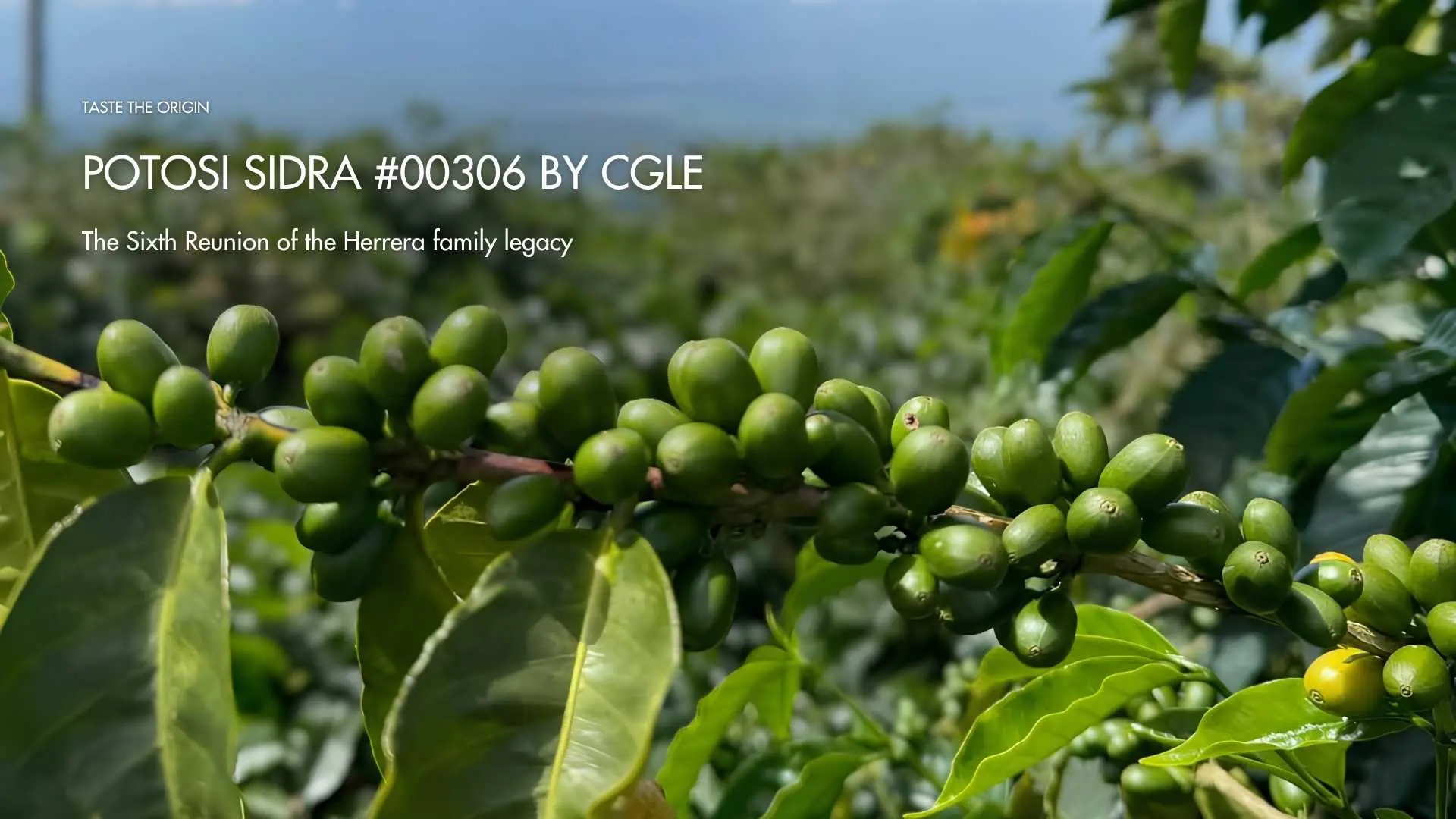
Potosi Sidra #00306 – The sixth reunion of the Herrera family legacy
The sixth harvest marks the return of Potosi Sidra #00306 by CGLE, carrying the presence of a family patriarch entrusted with more than eighty years of heritage from the Herrera family. Cultivated in the founding valley of Potosi since 1945 in Caicedonia, this genetic treasure born from the union of Bourbon and Typica presents a remarkably evolved sensory profile. Through its Extremely Light Roast philosophy and the financial transparency of the Paid for Producer model, XLIII Coffee chooses to preserve the authentic voice of terroir and the coffee’s original flavor structure.
- Taste the Origin
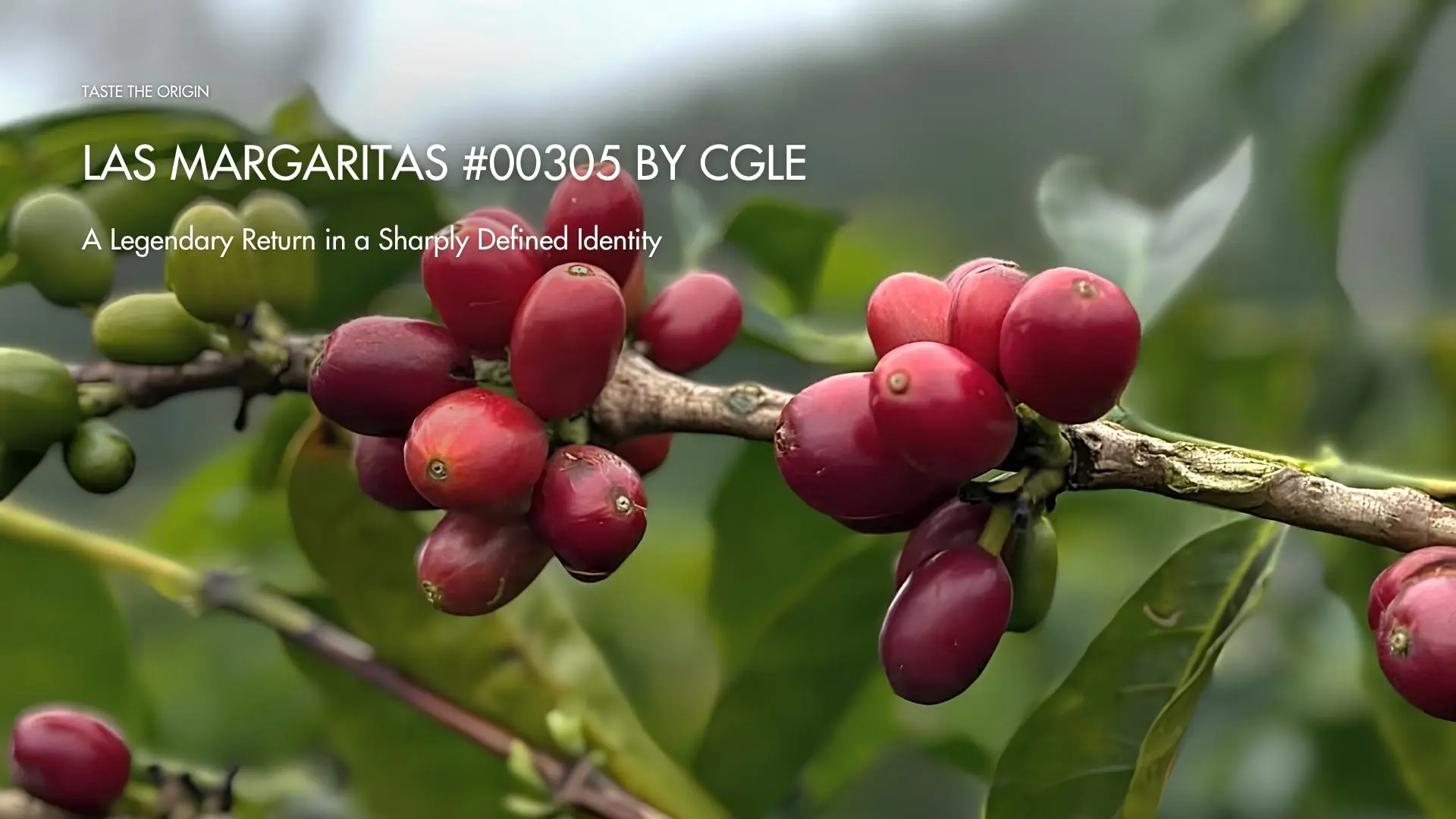
Las Margaritas #00305 by CGLE – A Legend Reunited in a Sharper Identity
Las Margaritas #00305 by CGLE returns to XLIII Coffee as a Gesha masterpiece reborn from the renowned Valle del Cauca region. Infused with the exquisite craftsmanship of Café Granja La Esperanza, this rare batch of coffee embarks on an enchanting flavor journey with vibrant citrus notes, delicate jasmine, and an elegant, lingering Earl Grey finish. Each drop is a crystallization of fertile volcanic soil and the sustainable farming philosophy that CGLE has persistently pursued for decades, creating a full-bodied, sharp flavor profile while retaining the pristine beauty characteristic of the royal Gesha variety.

- Find the Origin
Mandela coffee variety – A convergence of generations from a masterpiece breeding strategy
Amidst the constant fluctuations of the era, Mandela emerges as a gentle yet resilient response from the soil. Instead of attempting to alter or impose upon nature, this breeding strategy is, in essence, a profound act of listening. Each Mandela coffee bean carries the bloodline of multiple generations, possessing both the serene, steadfast nature of native trees and the sparkling elegance of premium varieties. It is a sacred continuation, where the flow of generations ultimate honors the original value of the species, imparting an intact and sustainable vitality into every cup.

Specialty Coffee in Vietnam
BRAND VALUE
YOU SHOULD HAVE KNOWN
XLIII Coffee has been aiming to become a big, impactful company with social responsibilities,
have access to high-quality raw materials and convey the complete original values of coffee to our customer
