
The Power of Storytelling in Specialty Coffee Branding
Storytelling in Branding – The art of storytelling has become a powerful tool in building specialty coffee brands. Why is this trend emerging as a standout in the coffee industry, creating deep connections between producers and consumers?
I. Definition and Role of Storytelling in Specialty Coffee
Storytelling in branding is about more than just providing information—it’s about sharing compelling stories related to the product, in this case, coffee, from the origin of the beans to the brewing experience. It’s a way to build emotional connections between the brand and the customer by telling stories that are both engaging and meaningful.
In the specialty coffee industry, storytelling is not just a marketing strategy; it has become essential in creating a brand’s identity and adding value to the product. This role manifests in three main ways:
Differentiating in a Competitive Market
In an increasingly saturated specialty coffee market, storytelling is crucial for standing out. It’s not only about communicating product information but also about building a unique “world” where the brand’s values, philosophy, and vision come to life in a vivid, engaging way.
This differentiation doesn’t only rely on the story itself but also on how it is told. Brands may choose to share their story through images, videos, podcasts, or even in-person experiences at their stores. Each storytelling medium leaves a distinct impression on customers, helping the brand rise above its competitors.
Marketing professor Jennifer Aaker at Stanford University has found that stories are 22 times more memorable than facts alone. This helps explain why storytelling is so effective in making a specialty coffee brand unforgettable.

According to the 2023 report by the National Coffee Association (NCA), 65% of consumers are willing to pay a higher price for coffee that has a clear story about its origin and a positive impact on the producing community.
Creating Emotional Connections with Customers
Storytelling can forge deep emotional connections between the brand and its customers. This is especially important in the specialty coffee sector, where customer experience and emotion play a vital role in purchasing decisions.
Through storytelling, brands can communicate intangible values like dedication to quality, commitment to sustainability, or passion for coffee. When these values are conveyed authentically and engagingly, they resonate with customers, creating strong loyalty and a connection that goes far beyond a simple buyer-seller relationship.
Increasing Perceived Value
One of the most significant impacts of storytelling is its ability to elevate the perceived value of a product. In specialty coffee, where quality is often already high, storytelling becomes key in justifying premium prices and creating a willingness among customers to pay more.
Stories about the coffee’s origin, production process, or its social impact help customers understand the product’s true value. This makes them feel as though they are purchasing something special and exclusive. It’s why many people are willing to pay more for a cup of coffee with a “story” than for a comparable cup without one.
 In a competitive market, storytelling has become a crucial tool for helping specialty coffee brands build unique identities, attract customers, and foster loyalty.
II. Key Elements of Specialty Coffee Storytelling
If you think storytelling in the coffee industry is just about telling any random story, you may not fully understand its dynamics. Successfully implementing a storytelling strategy requires a careful selection and combination of elements to craft a compelling, valuable narrative. The three key elements often include:
Bean Origin and Distinctiveness
The origin of the coffee beans is the core of storytelling in the specialty coffee industry. This goes beyond basic geographical information such as the country or region where the coffee is grown; it also includes the unique characteristics of the growing environment, like soil quality, climate, and even the history and culture of the area.
Highlighting this aspect in storytelling not only explains the distinctive flavors of the coffee but also takes consumers on an immersive “journey.” They are not just drinking coffee; they are “traveling” to its origin, learning about the people and culture of the region, creating a rich and multidimensional experience.
Production and Processing Methods
The coffee production and processing stages offer a wealth of storytelling potential. Every step—from harvesting to drying, fermenting, and roasting—can become an exciting part of the story. In the specialty coffee industry, where meticulous attention to detail is crucial for the final product’s quality, these stories provide transparency and build trust.
When customers learn about the expertise and hard work behind each cup, they tend to value it more and are often willing to pay a premium for such craftsmanship.
Social and Environmental Impact
As consumers become more conscious of sustainability and social responsibility, this aspect has become increasingly important in specialty coffee storytelling. Sharing stories about how coffee production positively impacts local communities or the environment doesn’t just satisfy consumer curiosity—it also fosters a sense of purpose.
Brands can build a positive image by highlighting programs that support farmers, protect the environment, or foster community development. Consumers feel they are contributing to a greater cause, not just buying a cup of coffee.

According to a 2022 report by Fairtrade International, 73% of coffee drinkers care about the impact of their purchases on farmers and the environment. Brands like Stumptown Coffee Roasters and XLIII Coffee have built their narratives around direct relationships with farmers and a commitment to fair trade pricing.
III. The Impact of Storytelling on the Coffee Value Chain
Storytelling doesn’t just influence marketing and sales; it also has far-reaching effects on the entire coffee value chain. Two major impacts include:
Enhancing Supply Chain Transparency
Storytelling plays a crucial role in increasing transparency in the coffee supply chain. When brands share stories about coffee’s origin and production process, they meet consumer demand for information while creating positive pressure to uphold and improve standards across the supply chain.
For example, XLIII Coffee, a specialty coffee brand in Vietnam, uses “coffee tags” for each batch they sell. These tags include detailed information about the coffee’s origin, production process, and flavor profile. This method provides customers with transparency and ensures the brand’s commitment to quality.
Raising Awareness About Sustainability
Storytelling is also a powerful tool for raising awareness about sustainability in the coffee industry. By sharing stories about environmental protection efforts and farmer support, brands not only attract customer interest but also promote sustainable practices throughout the industry.
As consumers become more aware of sustainability issues, they tend to support brands that are committed to such practices. This consumer interest motivates brands to invest more in sustainability, creating a positive feedback loop that drives the coffee industry toward greater sustainability.

The coffee tag system of XLIII Coffee, first introduced in 2018, marked the arrival of the third wave of coffee in Vietnam. It also represented a pioneering step, showcasing the vision that storytelling should be strongly applied in sustainable, responsible, and ethical coffee business practices with a focus on community.
IV. Challenges and Opportunities of Storytelling Strategies
While storytelling brings many benefits, applying it in the specialty coffee industry also presents challenges. However, each challenge opens new opportunities for innovation and growth.
Ensuring Authenticity
One of the biggest challenges in storytelling is maintaining authenticity. In today’s information age, a false or exaggerated story can seriously damage a brand’s reputation. This requires brands to implement strict processes for collecting, verifying, and communicating their stories.
However, this challenge also presents an opportunity to adopt new technologies like blockchain to ensure transparency and authenticity. Not only does this build trust with customers, but it also provides a significant competitive advantage.
Integrating Storytelling into the Customer Experience
Another challenge is how to seamlessly integrate storytelling into every aspect of the customer experience. This requires consistency in storytelling across multiple channels—from product packaging and store design to online content and interactions with baristas.
However, this also presents an opportunity for creativity and innovation. Brands can use virtual reality to give customers a “tour” of the coffee farm or hold workshops that share insights into the coffee production process. There are countless ways to make storytelling an integral part of the overall customer experience.

Storytelling is not just a way to sell products—it’s a means of conveying values, building communities, and driving positive change across the entire industry.
Conclusion
Storytelling, and the way it has reshaped coffee consumption trends, has demonstrated the undeniable power of narratives in the coffee industry, as well as in other industries striving for a sustainable future. Is selling coffee the only thing we need to care about? No, it goes beyond that. It’s about sharing passion, building communities, and creating unforgettable experiences around a cup of coffee. As brands continue to innovate and evolve their storytelling methods, we can expect increasingly rich, meaningful, and inspiring coffee experiences in the future.
Images courtesy of XLIII Coffee.
V. Frequently Asked Questions
Question 1: How does storytelling differ from traditional advertising in the specialty coffee industry?
Storytelling focuses on creating emotional connections and sharing values, while traditional advertising often emphasizes product features. Storytelling helps build long-term relationships with customers by sharing the story behind the product, creating deeper loyalty.
Question 2: How can authenticity in specialty coffee storytelling be ensured?
Authenticity can be maintained by using third-party data and certifications, applying technologies like blockchain to track the origin, and ensuring transparency throughout the entire production and communication process. Brands must always verify information before sharing it and be prepared to provide evidence when requested.
Question 3: Can storytelling be used by coffee businesses of all sizes?
Yes, storytelling can be applied to businesses of any size. For small businesses, it’s even more crucial as it helps create differentiation and build close relationships with customers. Larger businesses may have the resources to create more elaborate stories, while smaller ones can focus on authenticity and personalization.
Question 4: How can the effectiveness of storytelling in the specialty coffee industry be measured?
The impact of storytelling can be measured by indicators such as sales growth, customer engagement on online platforms, time spent reading/viewing content, repeat customers, and customer willingness to pay more. Surveys and customer interviews can also provide valuable insights into the impact of storytelling.
Question 5: How will storytelling trends evolve in the specialty coffee industry?
In the future, storytelling in the specialty coffee industry will likely become more diverse and interactive. We can expect the integration of technologies like AR/VR to create multi-sensory experiences, the growth of user-generated content, and the use of big data to personalize stories for each customer. Themes like sustainability, social responsibility, and climate change impact will become more prominent in these narratives.

Bài viết mới

- Taste the Origin
Finca La Palestina Red Bourbon #5487 – A blossoming legacy in the highlands of Cajamarca
Amidst the ethereal clouds of Cajamarca, where the deep forest, Mother Earth, and time harmonize, Finca La Palestina Red Bourbon #5487 is born as a proud epic of heritage. It bears witness to the story of three generations of the Alarcón Coronel family, to their respect for nature, and to their Cup of Excellence achievements. Each layer of fragrance is a journey for all the senses, leading the connoisseur into subtle and captivating depths.

- Breaking News
Royal Botanic Gardens, Kew announces new hybrid coffee named Libex
As the global coffee industry faces unprecedented challenges from climate change, the Royal Botanic Gardens, Kew (UK) has brought a ray of hope by formally announcing a natural hybrid coffee named Libex. Identified after intensive genetic research across three continents, Libex represents a perfect intersection between the resilient heat tolerance of Liberica and the robust agronomic vigor of Excelsa.

- Find the Origin
Mejorado Coffee Variety – The Perfect Blend of Bourbon & SLN Hybrid Lineage
Originating from the windswept hillsides of the South American highlands, the Mejorado coffee variety tells the story of a genetic masterpiece that is redefining the boundaries of the contemporary Specialty Coffee world. Behind a easily misunderstood name lies a completely distinct alter ego, where the sweet heritage of the Bourbon variety intertwines with the resilient vitality of the SLN hybrid lineage. Thanks to a profound slow-ripening process in the chill of extreme altitudes, this seed nurtures a magnificent flavor profile with ethereal floral and fruit notes, stepping onto the altars of global competitions to assert its status as a future icon, ready to stir the most discerning senses.
- Taste the Origin
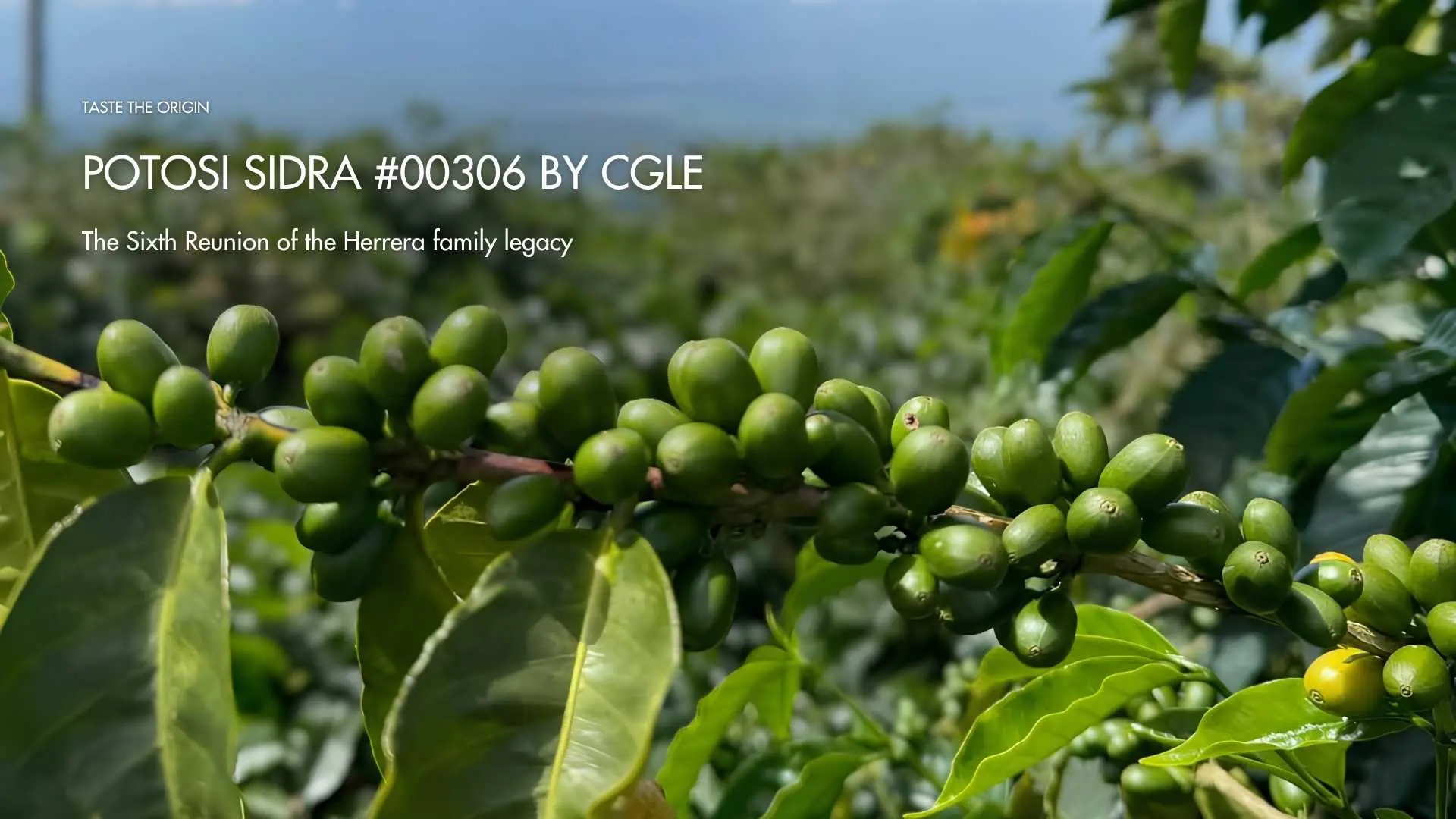
Potosi Sidra #00306 – The sixth reunion of the Herrera family legacy
The sixth harvest marks the return of Potosi Sidra #00306 by CGLE, carrying the presence of a family patriarch entrusted with more than eighty years of heritage from the Herrera family. Cultivated in the founding valley of Potosi since 1945 in Caicedonia, this genetic treasure born from the union of Bourbon and Typica presents a remarkably evolved sensory profile. Through its Extremely Light Roast philosophy and the financial transparency of the Paid for Producer model, XLIII Coffee chooses to preserve the authentic voice of terroir and the coffee’s original flavor structure.
- Taste the Origin
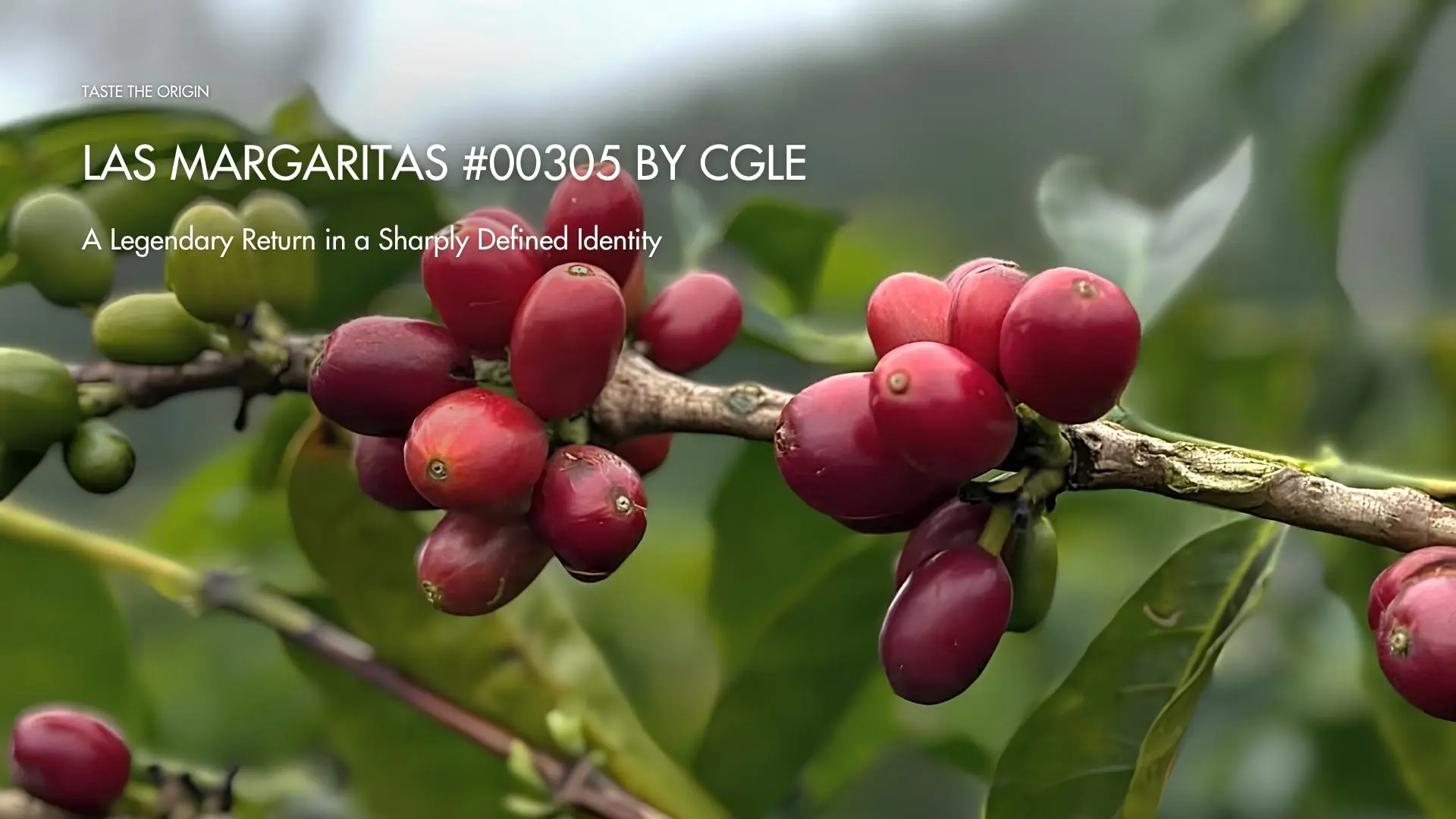
Las Margaritas #00305 by CGLE – A Legend Reunited in a Sharper Identity
Las Margaritas #00305 by CGLE returns to XLIII Coffee as a Gesha masterpiece reborn from the renowned Valle del Cauca region. Infused with the exquisite craftsmanship of Café Granja La Esperanza, this rare batch of coffee embarks on an enchanting flavor journey with vibrant citrus notes, delicate jasmine, and an elegant, lingering Earl Grey finish. Each drop is a crystallization of fertile volcanic soil and the sustainable farming philosophy that CGLE has persistently pursued for decades, creating a full-bodied, sharp flavor profile while retaining the pristine beauty characteristic of the royal Gesha variety.

- Taste the Origin
Finca Rosenheim Typica & Caturra – The Crossroads of Cultural Currents
Across the tides of world history, Finca Rosenheim Typica & Caturra emerges as a living testament hidden within the vast wilderness of Villa Rica. Here, the ancient lineage of the legendary Typica variety converges with the purity of the Washed process and the artistry of shade grown cultivation, weaving together delicate layers of Milk Chocolate, Nougat, and Purple Floral. Together, they create a profound resonance between resilient European heritage and the soul of the native Andes.

Specialty Coffee in Vietnam
BRAND VALUE
YOU SHOULD HAVE KNOWN
XLIII Coffee has been aiming to become a big, impactful company with social responsibilities,
have access to high-quality raw materials and convey the complete original values of coffee to our customer
