
Current status of Sulawesi Specialty Coffee growing region
Sulawesi is a well-known island in Indonesia, producing unique coffee beans, particularly from prominent growing regions like Toraja and Kalosi. However, as the coffee industry undergoes significant changes, what is the situation of the Sulawesi Specialty Coffee growing region today?
I. The Development of Specialty Coffee in Sulawesi
Origins of Coffee in Sulawesi
Coffee took root in Sulawesi during the Dutch colonial period, around 1750, with seeds brought from the island of Java. Initially, it was introduced as a crop in the southern highlands of the island and gained a good reputation for its distinctive flavor.
However, due to the impact of coffee leaf rust and a shift to using Coffea Robusta varieties, the quality and price of Sulawesi coffee dropped significantly. Despite this, local farmers made efforts to cultivate and develop high-potential Arabica varieties. Today, Sulawesi coffee remains one of the few well-known Arabica production regions in Indonesia.
The Shift to Specialty Coffee
In the 1990s and 2000s, a notable transformation from conventional commercial coffee to Specialty Coffee occurred in Sulawesi. The international market’s demand for high-quality coffee prompted producers in the region to adjust their farming and processing practices.
Many cooperatives and farming communities began adopting organic farming techniques to minimize environmental impact. Farmers invested in advanced methods to enhance quality, meeting the standards of premium markets like the U.S. and Europe. These efforts have helped Sulawesi coffee win numerous awards and gain widespread recognition in the global Specialty Coffee market.

Coffee took root in Sulawesi during the Dutch colonial period, around 1750, with seedlings from the island of Java
II. Specialty Coffee Growing Regions in Sulawesi
Sulawesi, one of Indonesia’s large islands, features renowned Specialty Coffee growing regions with complex mountainous terrain and diverse climates, creating ideal conditions for high-quality coffee cultivation. Two representative Specialty Coffee growing regions in Sulawesi are Toraja and Kalosi.
Toraja
Located in the southern part of Sulawesi, the Toraja region is notable for its altitude of 1,400 to 1,900 meters above sea level (masl). The soil and climate here are perfect for the development of Specialty Coffee.
Toraja is not only famous for its coffee quality but also for its traditional farming practices, closely linked to local ethnic communities. The residents maintain artisanal farming methods, combining them with modern processing techniques to produce unique coffee batches. This results in Toraja coffee retaining distinctive characteristics, featuring notes of earth, oak, mild spices, and a sweet aftertaste.
Kalosi
Kalosi is one of the oldest coffee-producing areas in Sulawesi and is located near Toraja. Kalosi coffee is known for its large bean size and strong flavor. Farmers in Kalosi grow coffee at an average altitude of 1,200 to 1,600 masl. The flavor notes of Kalosi coffee are often rich, featuring earthy, woody, and spicy aromas, accompanied by a long finish and mild sweetness.
The Kalosi region has long established itself on the global Specialty Coffee map, thanks to its focus on washed processing methods. This allows for precise control over the final flavor of the coffee beans, providing diversity and uniqueness in each batch.
Other Coffee Growing Regions
In addition to Toraja and Kalosi, Sulawesi has other coffee growing areas scattered across the island. Notable regions are primarily located in highland areas ranging from 1,000 to 1,500 masl, such as Enrekang, Sinjai, Gowa, and Mamasa. These regions tend to have smaller production scales but maintain high-quality coffee beans due to the cool climate and nutrient-rich soils.

The two prominent Specialty Coffee growing regions in Sulawesi are Toraja and Kalosi
III. Quality of Specialty Coffee from Sulawesi
Like many other coffee regions worldwide, Sulawesi is shifting its farming strategies toward sustainability to meet the ever-increasing standards of the market. Adjustments in crop care practices, such as using drought-resistant coffee varieties and soil preservation techniques to maintain fertility, are widely being implemented.
Moreover, most of Sulawesi’s coffee is grown by smallholder farmers, with about 5-7% coming from larger estates. They consistently uphold and develop traditional identities in the coffee processing stages. Sulawesi farmers utilize a unique process known as “Giling Basah” (wet hulling) to remove the skin and mucilage from the coffee cherries during processing.
As a result, compared to previous years, Specialty Coffee production remains relatively scarce and commands higher prices. The flavor quality of Specialty Coffee from Sulawesi continues to showcase core characteristics like earthy notes, spices, and caramel. However, changes in farming and processing practices are gradually introducing subtle variations, with new notes of fruit and nut emerging, enriching the flavor structure.

Like many other coffee-growing regions around the world, Sulawesi is shifting its farming strategies toward sustainability to meet the increasingly high standards of the market
IV. Prospects for the Sulawesi Specialty Coffee Industry
The Specialty Coffee sector in Sulawesi faces significant challenges, especially from climate change, which directly impacts coffee yield and quality. Competition from other Specialty Coffee regions worldwide also creates considerable pressure. Nevertheless, Sulawesi is advancing through investments in technology, improved processes, and support from international organizations, focusing on varieties like Jember, Typica, and S795. These advancements open up promising prospects for the future of Sulawesi Specialty Coffee.
Farmers in the region continually improve by adopting advanced farming and processing methods, preserving the distinctive natural flavors of their coffee. Notably, the trend toward sustainable farming is becoming increasingly popular, supported by the Indonesian government and international programs. The transition to organic production not only helps protect the environment but also enhances product value.
Furthermore, cooperatives play a crucial role in connecting farmers, providing technical support, financial assistance, and ensuring a stable supply for the market. Thanks to these efforts, Sulawesi has garnered interest from premium consumer markets, creating opportunities to expand exports to the U.S., Europe, and Asia.

Farmers in this region continuously improve by adopting advanced farming and processing methods, helping to preserve the unique natural flavors of the coffee
Conclusion
Sulawesi Specialty Coffee continues to uphold its reputation in the coffee world due to its outstanding quality and unique flavor. Despite facing numerous challenges, the relentless efforts of the farming community and international support have opened bright prospects for this coffee-growing region. Let’s support and explore Sulawesi coffee, not only to experience its unique flavors but also to contribute to the sustainable development of this land.
V. FAQs
1. Why is Sulawesi Specialty Coffee famous in the international market?
Sulawesi Specialty Coffee is recognized for its distinctive flavor, featuring rich notes of earth, oak, and spices, along with the unique farming techniques of the local people. Regions like Toraja and Kalosi provide high-quality beans highly regarded by coffee lovers worldwide.
2. How does climate change affect Specialty Coffee production in Sulawesi?
Climate change has altered rainfall and temperature patterns, impacting coffee yield and quality. Farmers must adjust their farming practices and use sustainable methods to maintain production and protect coffee quality.
3. What measures does Sulawesi take to ensure sustainable Specialty Coffee production?
Farmers in Sulawesi are adopting organic farming practices and advanced techniques such as natural fermentation and high-tech drying. Support programs from the government and international organizations help them transition to sustainable production models.
4. How has the flavor of Sulawesi Specialty Coffee changed compared to previous years?
While the traditional flavors of Sulawesi coffee, such as earth, spices, and oak, remain, new processing methods have highlighted sweet notes like caramel and occasionally light fruit, adding diversity to the tasting experience.
5. What does the future hold for Sulawesi Specialty Coffee?
Despite challenges from climate and market competition, Sulawesi has a bright future thanks to investments in technology and process improvements. Additionally, support from international organizations helps Sulawesi expand its export markets to premium regions like the U.S., Europe, and Asia.

Bài viết mới
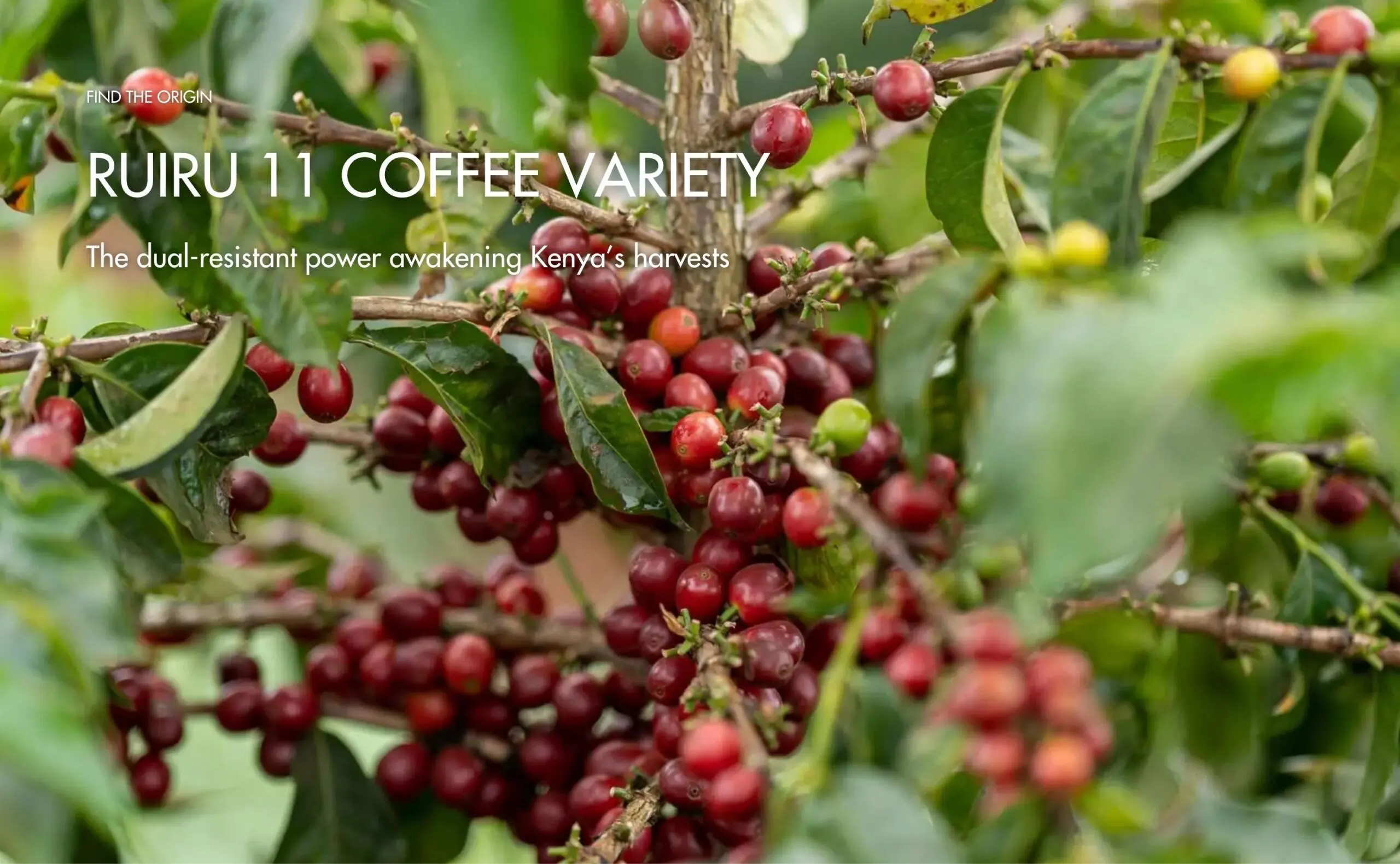
- Find the Origin
Ruiru 11 coffee variety – The dual-resistant power awakening Kenya’s harvests
Born from the ashes of a devastating pandemic, Ruiru 11 is a resilient response of indigenous wisdom to the trials of nature. Carrying a complex genetic code from 66 sibling isolines, this humbly statured coffee variety possesses superb “dual-resistance” against the twin shadows of Coffee Berry Disease and Coffee Leaf Rust. Overcoming early prejudices and the paradox of trade-offs between yield and flavor, Ruiru 11 has been weaving through nurseries, awakening dormant harvests across highland hillsides, and igniting a proud flame of self-reliance for Kenyan coffee.

- Taste the Origin
Sudan Rume #00313 by CGLE – The origin legend beneath the Eucalyptus canopy
From a wild coffee lineage discovered in the Rume Mountains in the 1940s to the enduring conservation efforts of Café Granja La Esperanza, Sudan Rume #00313 by CGLE invites drinkers on a sensory pilgrimage to the birthplace of the Arabica world. It is a rare biological legacy preserved through unwavering dedication, integrity, and deep reverence for history.
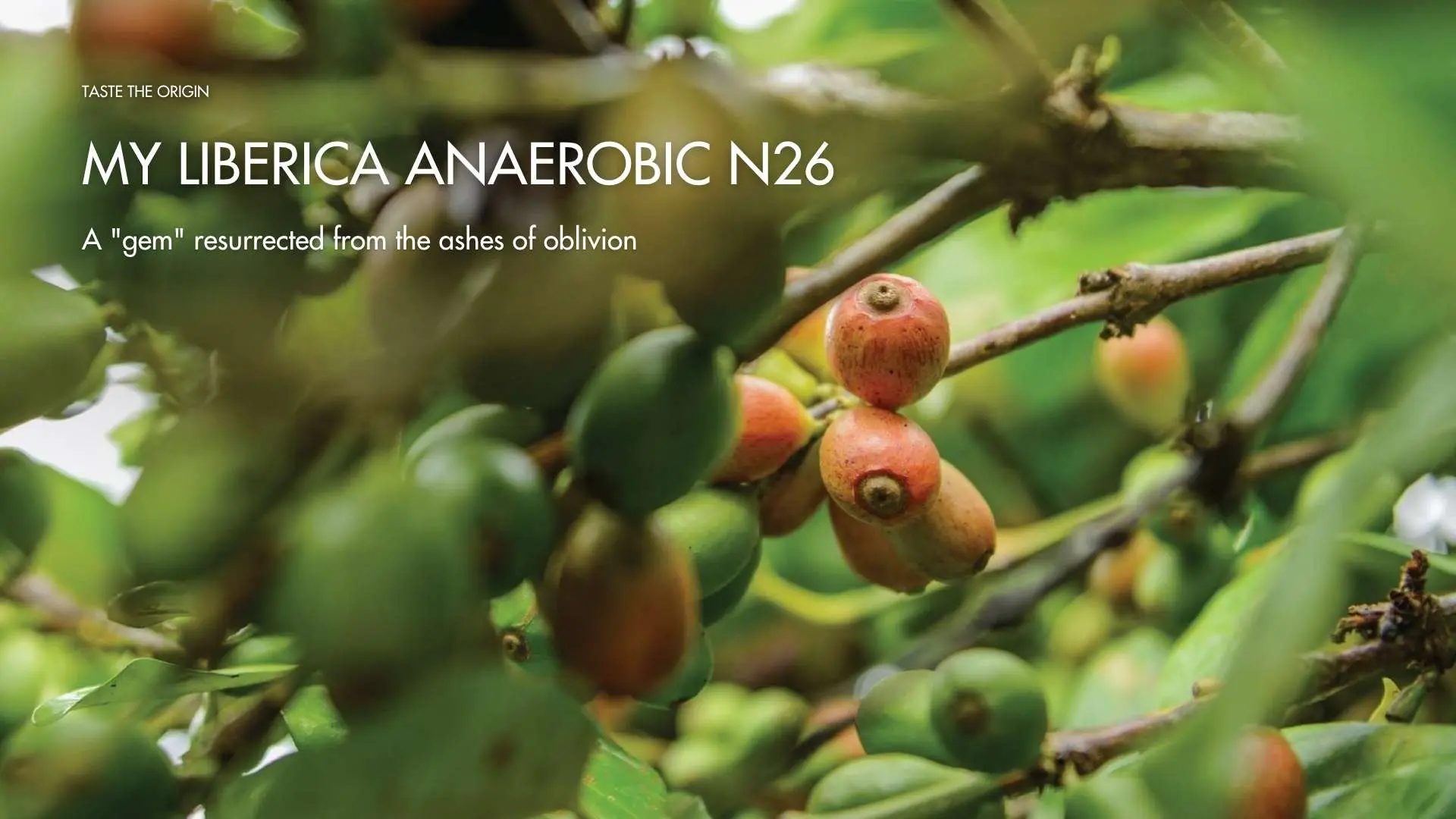
- Taste the Origin
My Liberica Anaerobic N26 – A “gem” resurrected from the ashes of oblivion
The journey of My Liberica Anaerobic N26 is the triumph of a forgotten species, awakened by the depth of understanding, patience, and faith in its original essence. From the heavy clay layers of Kulai to 26 days of transformation in absolute darkness, each step contributes to unlocking layers of flavor that the world once thought could not exist in Liberica. More than just a cup of coffee, My Liberica Anaerobic N26 is a powerful declaration that all great values begin with the courage to delve into their essence, and then rise to a unique voice that resonates throughout the world.


- Taste the Origin
Finca Soledad Mejorado Tyoxy & Fincas Putushio Mejorado – The red thread of the Jijón family
The simultaneous arrival of Finca Soledad Mejorado Tyoxy and Fincas Putushio Mejorado at XLIII Coffee paints a remarkable portrait of the adaptability of the Mejorado variety within Ecuador’s specialty coffee landscape. Nurtured by a shared family philosophy and a commitment to principled cultivation, these two processed lots represent both a breakthrough in microbial innovation and the remarkable return of an exceptional flavor profile.

- Taste the Origin
Finca La Palestina Gesha #5482 – A new chapter in the legend from Cajamarca
From the renowned Cajamarca region, Finca La Palestina Gesha #5482 returns after a period of absence with a proud and fresh appearance. Nurtured in ideal altitude conditions and the cool climate characteristic of the Andes, each coffee bean slowly accumulates subtle flavor nuances before being perfected using the Washed method to maximize the purity of the Gesha variety. Under a carefully refined extremely-light roast profile, this batch of coffee reveals layers of white jasmine, ripe citrus, and sweet golden apricot aromas, interwoven in an elegant and rich flavor structure.

Specialty Coffee in Vietnam
BRAND VALUE
YOU SHOULD HAVE KNOWN
XLIII Coffee has been aiming to become a big, impactful company with social responsibilities,
have access to high-quality raw materials and convey the complete original values of coffee to our customer
