
Sustainable specialty coffee: what you need to know
In a world increasingly focused on environmental and social responsibility, sustainable specialty coffee has become an unmissable trend. Behind every cup of delicious coffee lies not just flavor but a story of efforts to protect the planet, support communities, and ensure sustainable livelihoods for farmers. But do we fully understand the true meaning of sustainability? Join XLIII Coffee as we explore the key aspects of sustainable coffee and explain why it is becoming the new standard for the global coffee industry.
I. The Concept of Sustainable Specialty Coffee
Defining Specialty Coffee
With growing attention to quality in the diverse world of coffee, the Specialty Coffee Association (SCA) defines specialty coffee as one that meets stringent quality standards. For coffee to be recognized as “specialty,” it must pass rigorous criteria concerning bean attributes. Compared to regular coffee, specialty coffee offers a more refined experience with a wide range of flavors.
What is Sustainable Specialty Coffee?
Sustainable specialty coffee refers to coffee grown and produced using eco-friendly methods that minimize negative environmental impacts while ensuring fairness for workers and communities. Unlike monoculture coffee farming, which often causes deforestation, soil erosion, and water pollution, sustainable coffee production aims to have a positive impact on both the environment and society. By conserving natural resources and promoting biodiversity, sustainable coffee helps maintain ecological balance and wildlife habitats. Additionally, it guarantees fair wages and working conditions for laborers, supports community development, and promotes social equity.

Sustainable specialty coffee refers to coffee that is grown and produced using methods that conserve ecosystems, minimize negative environmental impacts, and ensure fairness for workers and communities in every aspect.
II. The Trend Toward Sustainable Coffee Production
The Rise of Sustainable Coffee Production
The movement toward sustainable coffee production emerged in the late 20th century when issues such as climate change, environmental degradation, and inequality in the coffee supply chain became more evident. Initiatives like Fair Trade and Rainforest Alliance in the 1980s and 1990s ensured that coffee farmers received fair prices, used eco-friendly practices, and improved working conditions. These certifications laid the foundation for a shift in how coffee is produced and consumed globally.
Positive Changes in Recent Years
What started as a niche concept has now become an integral part of the coffee industry. A major driver behind this positive transformation is the growing awareness of consumers regarding climate change and resource exploitation. Consumers today not only seek high-quality coffee but also want it to be sustainably sourced and socially responsible.

Sustainable coffee production is based on balancing environmental, social, and economic priorities.
Additionally, stakeholders in the coffee supply chain recognize the importance of environmental and social factors for the stability and progress of the industry. Companies are investing in improving production and harvesting methods to boost quality while reducing environmental impact.
Technological advancements also play a key role in sustainable coffee production. Farmers use technologies like sensors and data analytics to manage water, fertilizers, and pesticides more efficiently, minimizing waste and environmental harm. Blockchain technology is being used to enhance supply chain transparency, allowing consumers to track the origin and production conditions of their coffee.
III. The Value of Sustainable Coffee
Sustainability in Production
Sustainable coffee production focuses on adopting eco-friendly farming practices that reduce negative impacts on nature and ecosystems. This includes minimizing the use of pesticides, conserving water, and protecting biodiversity. Shade-grown coffee, for example, is a sustainable method where coffee plants are grown under larger trees, helping maintain biodiversity, prevent soil erosion, and reduce deforestation. Farms in Colombia and Peru have adopted these methods, which not only increase productivity but also contribute to forest conservation and climate change mitigation.
Sustainability in Business
Sustainability in the coffee business means ensuring that production and trade benefit the communities involved in the supply chain, including fair wages for farmers and improved working conditions. Businesses like XLIII Coffee adhere to these principles by collaborating with farms like Finca La Palestina and Nueva Alianza, which practice environmentally friendly and socially responsible farming methods.
Sustainability in Consumption
Consumer behavior is shifting as more people seek products that are not only high in quality but also have a positive impact on the environment and communities. Sustainable coffee consumption reflects this trend, with customers choosing products with clear origins and transparent production practices.
XLIII Coffee delivers premium specialty coffee with a focus on human values and nature. Each cup represents the story of the hard work and dedication behind its production, helping consumers become more mindful and responsible in their purchasing decisions.

Sustainability in coffee production focuses on implementing eco-friendly farming practices that reduce negative impacts on nature and ecosystems.
IV. Sustainable Transition in the Coffee Industry
Shifting Farming Methods
Sustainable transitions begin with eco-friendly farming methods that reduce environmental impact and improve farmers’ livelihoods. Techniques like organic farming and shade-grown coffee help protect land and water resources while maintaining biodiversity.
Improving Supply Chains
The sustainable coffee supply chain is becoming more transparent and equitable. Companies are increasingly committing to purchasing coffee from certified sustainable farms, ensuring fair prices and good working conditions for farmers.
The Role of Technology
Technology is playing a significant role in the sustainable transition of the coffee industry. Sensors and resource management systems help farmers optimize water use and fertilizer, reducing waste and environmental damage. Additionally, AI and big data support businesses in predicting market trends, optimizing supply chains, and mitigating risks related to climate change.

The transition to sustainability starts with adopting sustainable farming methods, which help reduce environmental harm and improve the living conditions of coffee farmers.
Conclusion
Sustainable coffee is not just a trend; it is a necessary direction that brings real benefits to both the environment and communities. By choosing sustainable specialty coffee, we are not only enjoying a refined flavor but also contributing to protecting the planet and improving the lives of coffee farmers. Selecting sustainable coffee from brands like XLIII Coffee is a small but meaningful step toward positive change for the future.
V. FAQs
1. What is sustainable coffee, and why is it important?
Sustainable coffee is grown and produced using methods that conserve the environment and ensure fairness for workers and communities. It is important because it helps protect natural resources, improves farmers’ living conditions, and minimizes negative environmental impacts.
2. Which certifications guarantee that coffee is produced sustainably?
Certifications like Fair Trade, Rainforest Alliance, and Organic guarantee that coffee is produced using sustainable practices that protect the environment and ensure fair treatment of farmers.
3. How does XLIII Coffee support sustainable coffee production?
XLIII Coffee collaborates with farms that share a vision of sustainability, such as Finca La Palestina and Nueva Alianza. These farms practice environmentally friendly and socially responsible farming methods.
4. What commitments does XLIII Coffee make regarding transparency in its production process?
XLIII Coffee maintains transparency about its sourcing, including purchase prices, producer information, and farming conditions. They also use eco-friendly packaging and energy-efficient roasting machines to reduce environmental impact.
5. How is sustainable specialty coffee different from regular coffee?
Sustainable specialty coffee meets high-quality standards and is produced using methods that protect the environment and ensure fairness for workers, making it different from regular coffee in terms of both quality and social impact.

Bài viết mới

- Taste the Origin
Finca La Palestina Red Bourbon #5487 – A blossoming legacy in the highlands of Cajamarca
Amidst the ethereal clouds of Cajamarca, where the deep forest, Mother Earth, and time harmonize, Finca La Palestina Red Bourbon #5487 is born as a proud epic of heritage. It bears witness to the story of three generations of the Alarcón Coronel family, to their respect for nature, and to their Cup of Excellence achievements. Each layer of fragrance is a journey for all the senses, leading the connoisseur into subtle and captivating depths.

- Breaking News
Royal Botanic Gardens, Kew announces new hybrid coffee named Libex
As the global coffee industry faces unprecedented challenges from climate change, the Royal Botanic Gardens, Kew (UK) has brought a ray of hope by formally announcing a natural hybrid coffee named Libex. Identified after intensive genetic research across three continents, Libex represents a perfect intersection between the resilient heat tolerance of Liberica and the robust agronomic vigor of Excelsa.

- Find the Origin
Mejorado Coffee Variety – The Perfect Blend of Bourbon & SLN Hybrid Lineage
Originating from the windswept hillsides of the South American highlands, the Mejorado coffee variety tells the story of a genetic masterpiece that is redefining the boundaries of the contemporary Specialty Coffee world. Behind a easily misunderstood name lies a completely distinct alter ego, where the sweet heritage of the Bourbon variety intertwines with the resilient vitality of the SLN hybrid lineage. Thanks to a profound slow-ripening process in the chill of extreme altitudes, this seed nurtures a magnificent flavor profile with ethereal floral and fruit notes, stepping onto the altars of global competitions to assert its status as a future icon, ready to stir the most discerning senses.
- Taste the Origin
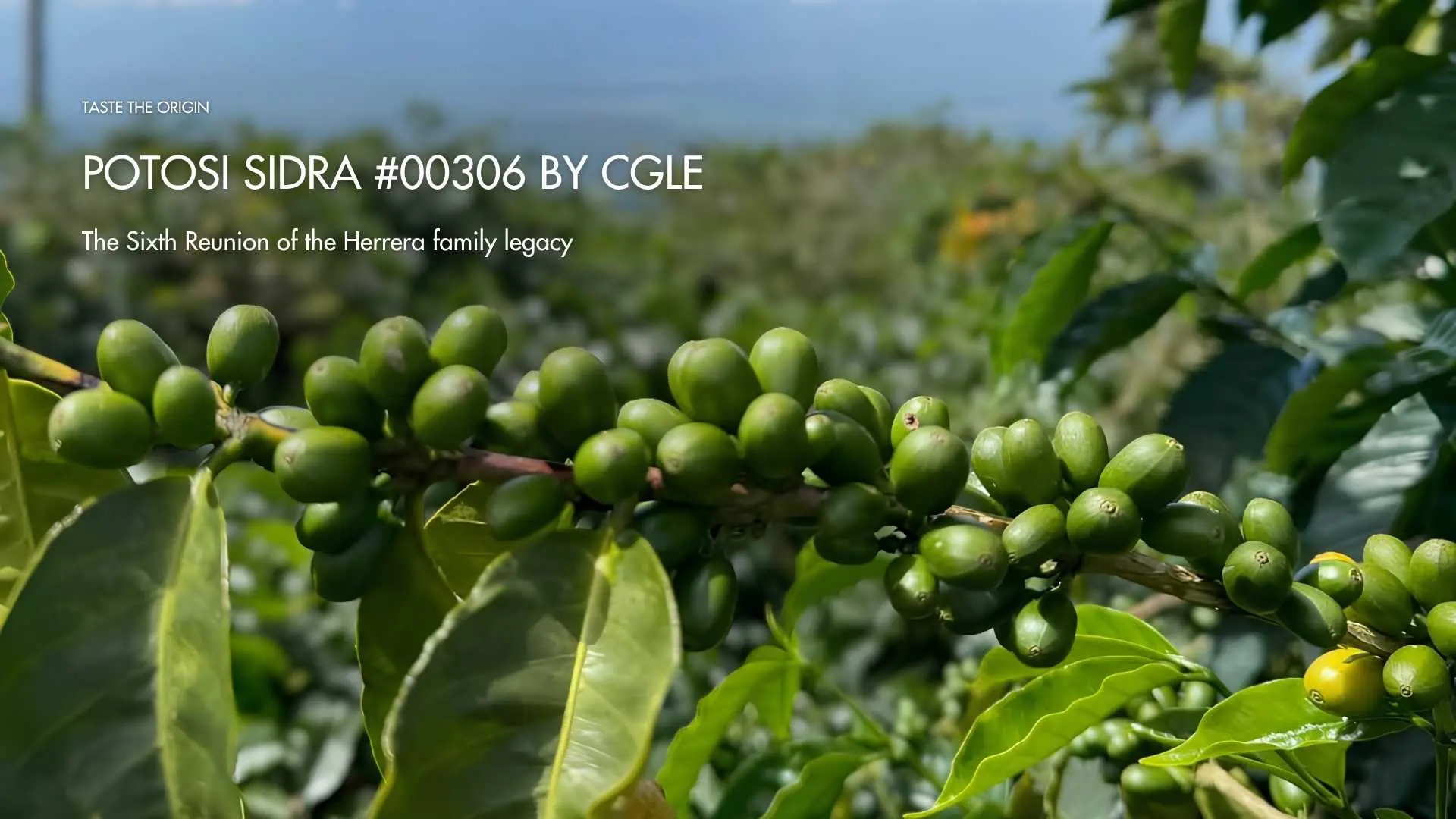
Potosi Sidra #00306 – The sixth reunion of the Herrera family legacy
The sixth harvest marks the return of Potosi Sidra #00306 by CGLE, carrying the presence of a family patriarch entrusted with more than eighty years of heritage from the Herrera family. Cultivated in the founding valley of Potosi since 1945 in Caicedonia, this genetic treasure born from the union of Bourbon and Typica presents a remarkably evolved sensory profile. Through its Extremely Light Roast philosophy and the financial transparency of the Paid for Producer model, XLIII Coffee chooses to preserve the authentic voice of terroir and the coffee’s original flavor structure.
- Taste the Origin
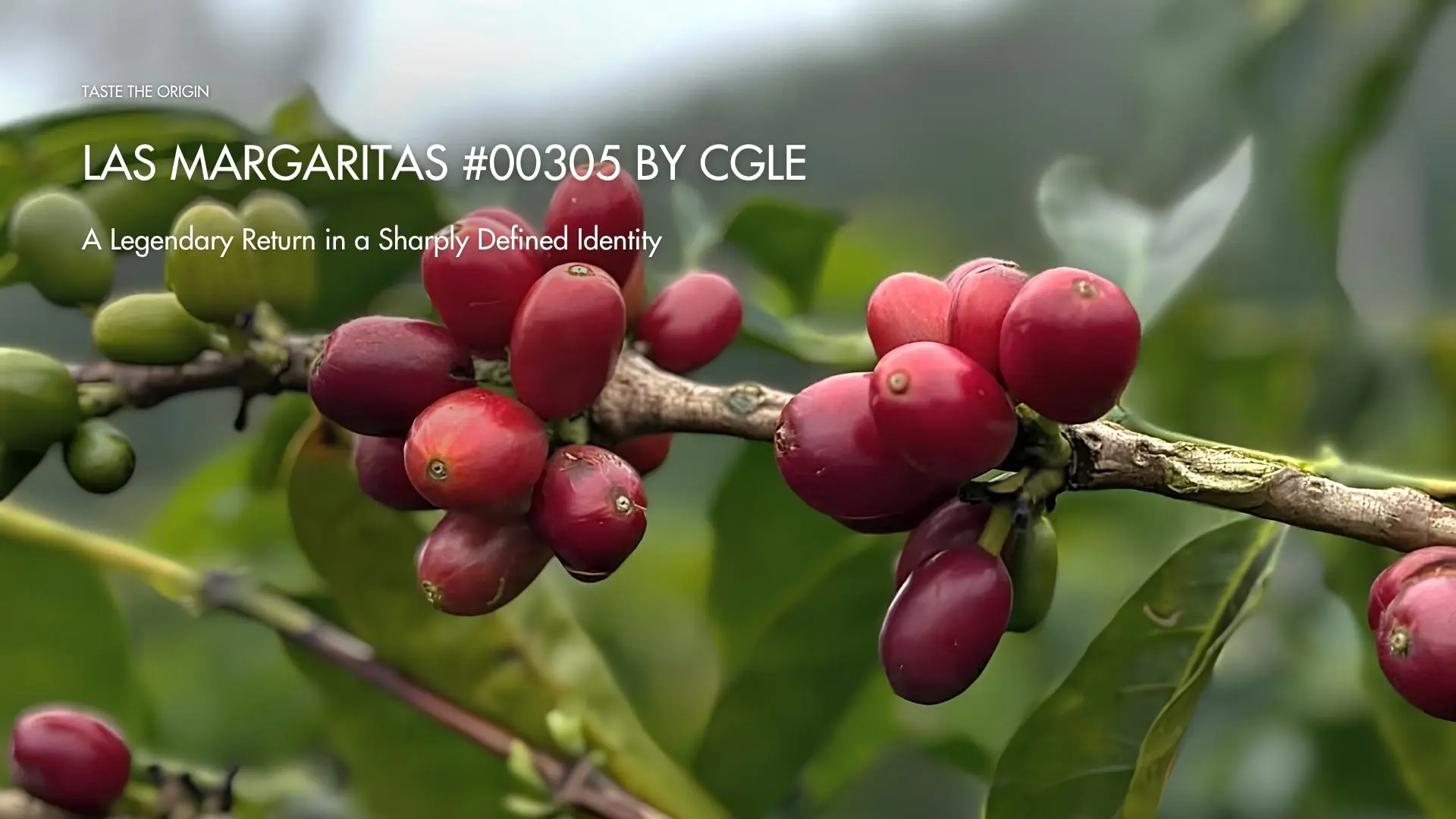
Las Margaritas #00305 by CGLE – A Legend Reunited in a Sharper Identity
Las Margaritas #00305 by CGLE returns to XLIII Coffee as a Gesha masterpiece reborn from the renowned Valle del Cauca region. Infused with the exquisite craftsmanship of Café Granja La Esperanza, this rare batch of coffee embarks on an enchanting flavor journey with vibrant citrus notes, delicate jasmine, and an elegant, lingering Earl Grey finish. Each drop is a crystallization of fertile volcanic soil and the sustainable farming philosophy that CGLE has persistently pursued for decades, creating a full-bodied, sharp flavor profile while retaining the pristine beauty characteristic of the royal Gesha variety.

- Find the Origin
Mandela coffee variety – A convergence of generations from a masterpiece breeding strategy
Amidst the constant fluctuations of the era, Mandela emerges as a gentle yet resilient response from the soil. Instead of attempting to alter or impose upon nature, this breeding strategy is, in essence, a profound act of listening. Each Mandela coffee bean carries the bloodline of multiple generations, possessing both the serene, steadfast nature of native trees and the sparkling elegance of premium varieties. It is a sacred continuation, where the flow of generations ultimate honors the original value of the species, imparting an intact and sustainable vitality into every cup.

Specialty Coffee in Vietnam
BRAND VALUE
YOU SHOULD HAVE KNOWN
XLIII Coffee has been aiming to become a big, impactful company with social responsibilities,
have access to high-quality raw materials and convey the complete original values of coffee to our customer
