
Your cold brew could be contaminated with bacteria! How to avoid?
Cold brew gives people the experience of a refreshing, cool feeling along with the condensed but still clear and delicate notes of coffee beans. But did you know your cup of cold brew could be contaminated with bacteria? Why and How to enjoy a delicious and safe cup of cold brew coffee? Let’s find out with XLIII Coffee!
Cold brew has a high risk of bacterial contamination
Cold brew, also known as cold brew coffee, is a method of extracting coffee with water at low temperatures (which can be equal to or lower than room temperature) for a certain period (usually 24 hours). Experts say that low temperatures are the ideal environment for some bacteria to grow. Meanwhile, cold brew processing methods take place at low temperatures for a long time. Therefore, bacteria such as salmonella and E.coli can multiply vigorously and produce substances that affect health.
Additionally, because a cup of cold brew coffee has a lower acidity and is not exposed to high brewing temperatures, if it is not stored in the appropriate environment, away from direct light, the coffee can become spoiled. spoils, loses its brightness, and has a moldy, unpleasant aroma and taste.
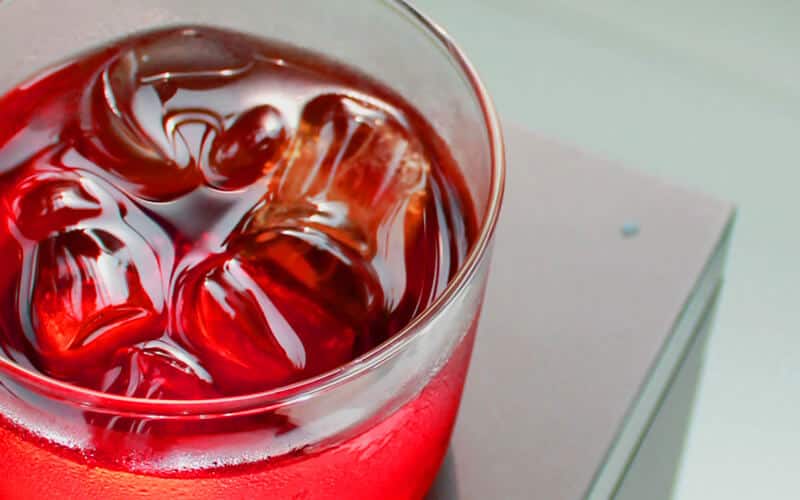
Ngăn chặn nguy cơ nhiễm khuẩn của cold brew
Cold brew coffee researchers warn that there are currently very few publicized cases of consumers becoming sick from drinking poorly prepared cold coffee. But if prepared incorrectly, the substances produced in cold brew will still be harmful to the body if used for a long time. Therefore, in stores, bartenders need to understand and take as many precautions as possible.

Using incorrect brewing temperature and exposing coffee to air is the main cause of a cup of coffee containing many toxic substances. Therefore, when preparing cold brew, we should use fresh cold water to brew and not use ice to better adjust the brewing temperature. Additionally, any cold incubation lasting more than two hours should be stored in the refrigerator with a recommended incubation temperature of -1°C to 5.5°C (30.2°F to 41.9°F).
Besides, to avoid mold or bacteria growth, it should be consumed within three weeks of preparation. If you don’t use it in time, you can freeze the coffee (leave about 5% of the jar space empty so the liquid expands) to extend its shelf life.

A cup of cold brew coffee is truly attractive with its delicate aromas, and a wonderful feeling of relaxation and awakening. But it can also have harmful health effects if prepared incorrectly and using poor quality ingredients. Therefore, if you want to enjoy it, choose reputable coffee shops or learn carefully how to make it and use quality ingredients if brewing at home.

As a business pursuing sustainability, with customers and coffee as the focus, XLIII Coffee always focuses on the entire production and product supply process. Ingredients are carefully selected from specialty coffee lots that meet international standards from famous growing regions around the world. The preparation process is always carried out by highly skilled staff in a clean environment, with strict control of temperature, water quality and seed extraction process. So that every cup of coffee you enjoy ensures safety and original deliciousness. If you want to experience cool, fresh cups of cold brew coffee or need quality single-origin specialty coffee beans, come to XLIII Coffee to enjoy!
Follow XLIII Coffee’s Journal channel to update useful information about the coffee world
Articles you may be interested in:
– Is Nepal specialty coffee developing as prominently as expected?
– The path to consumers of naturally decaffeinated coffee variety AC1
– What are the similarities and differences between coffee and wine production?

Bài viết mới

- Find the Origin
Mejorado Coffee Variety – The Perfect Blend of Bourbon & SLN Hybrid Lineage
Originating from the windswept hillsides of the South American highlands, the Mejorado coffee variety tells the story of a genetic masterpiece that is redefining the boundaries of the contemporary Specialty Coffee world. Behind a easily misunderstood name lies a completely distinct alter ego, where the sweet heritage of the Bourbon variety intertwines with the resilient vitality of the SLN hybrid lineage. Thanks to a profound slow-ripening process in the chill of extreme altitudes, this seed nurtures a magnificent flavor profile with ethereal floral and fruit notes, stepping onto the altars of global competitions to assert its status as a future icon, ready to stir the most discerning senses.
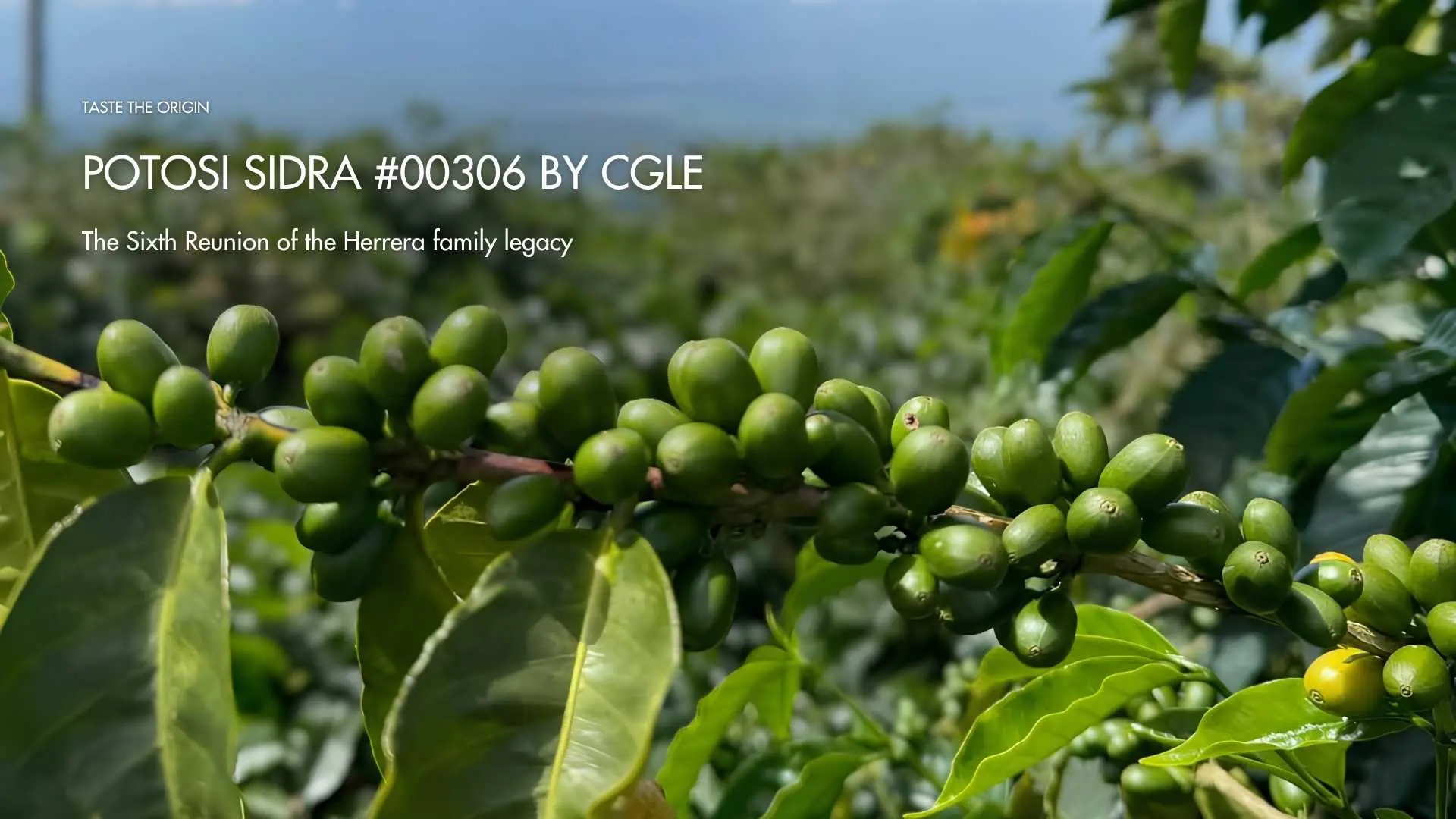
- Taste the Origin
Potosi Sidra #00306 – The sixth reunion of the Herrera family legacy
The sixth harvest marks the return of Potosi Sidra #00306 by CGLE, carrying the presence of a family patriarch entrusted with more than eighty years of heritage from the Herrera family. Cultivated in the founding valley of Potosi since 1945 in Caicedonia, this genetic treasure born from the union of Bourbon and Typica presents a remarkably evolved sensory profile. Through its Extremely Light Roast philosophy and the financial transparency of the Paid for Producer model, XLIII Coffee chooses to preserve the authentic voice of terroir and the coffee’s original flavor structure.
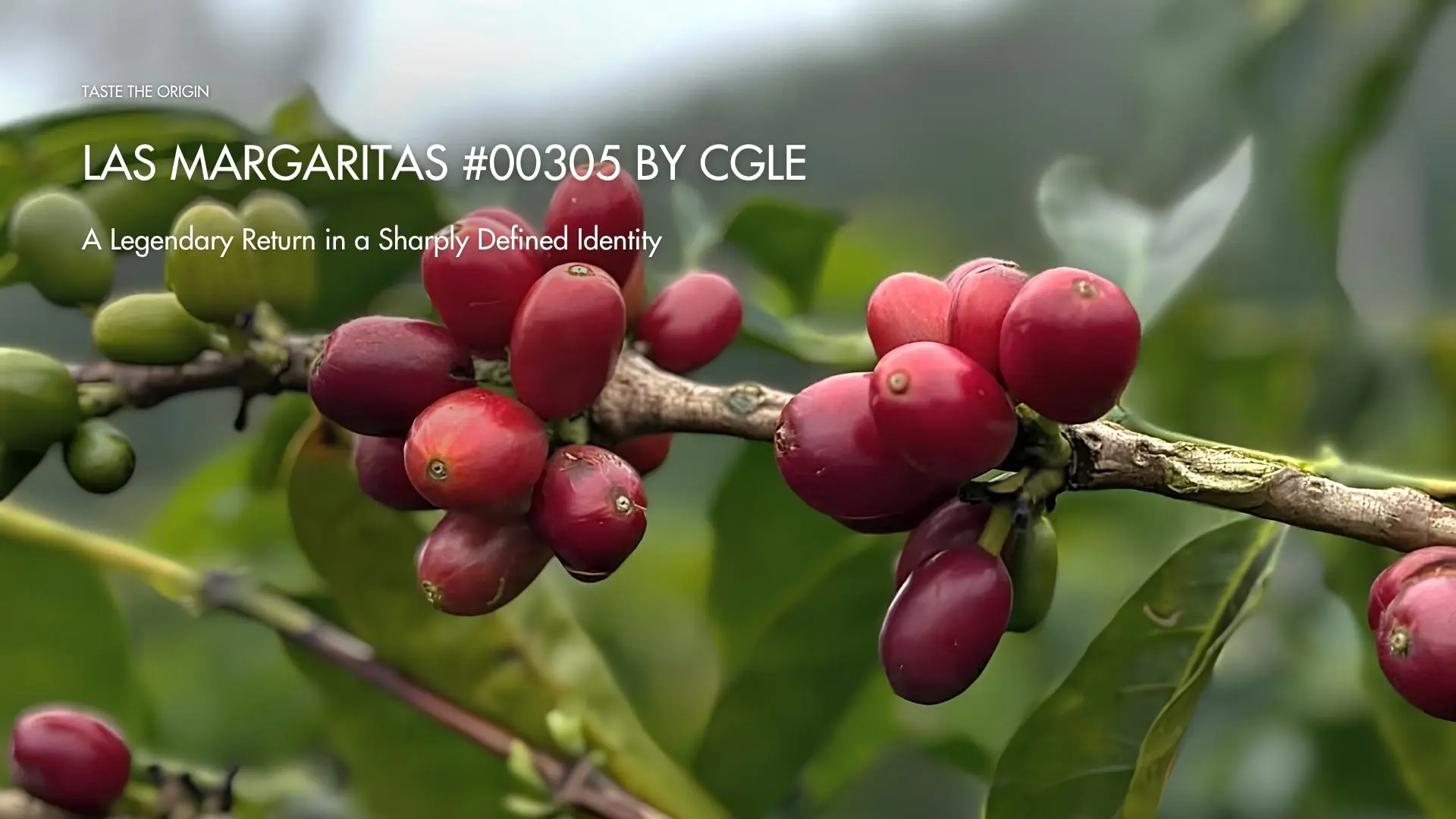
- Taste the Origin
Las Margaritas #00305 by CGLE – A Legend Reunited in a Sharper Identity
Las Margaritas #00305 by CGLE returns to XLIII Coffee as a Gesha masterpiece reborn from the renowned Valle del Cauca region. Infused with the exquisite craftsmanship of Café Granja La Esperanza, this rare batch of coffee embarks on an enchanting flavor journey with vibrant citrus notes, delicate jasmine, and an elegant, lingering Earl Grey finish. Each drop is a crystallization of fertile volcanic soil and the sustainable farming philosophy that CGLE has persistently pursued for decades, creating a full-bodied, sharp flavor profile while retaining the pristine beauty characteristic of the royal Gesha variety.

- Find the Origin
Mandela coffee variety – A convergence of generations from a masterpiece breeding strategy
Amidst the constant fluctuations of the era, Mandela emerges as a gentle yet resilient response from the soil. Instead of attempting to alter or impose upon nature, this breeding strategy is, in essence, a profound act of listening. Each Mandela coffee bean carries the bloodline of multiple generations, possessing both the serene, steadfast nature of native trees and the sparkling elegance of premium varieties. It is a sacred continuation, where the flow of generations ultimate honors the original value of the species, imparting an intact and sustainable vitality into every cup.


- Taste the Origin
Nigussie Nare – Murago Outgrowers #03028: Cultivated from the Values of Sustainable Reciprocity
Nestled beneath the shade trees of Sidama, Bensa, the Nigussie Nare – Murago Outgrowers #03028 coffee lot serves as a living testament to the values of sustainable reciprocity. This symbiosis begins with the intimate bond between a rich indigenous ecosystem and the smallholder farmers of the Murago region. Each harvested bean is the culmination of a virtuous cycle: a stable environment produces exceptional bean quality, and sustainable economic growth, in turn, continues to protect the verdant canopy of the great forest.

Specialty Coffee in Vietnam
BRAND VALUE
YOU SHOULD HAVE KNOWN
XLIII Coffee has been aiming to become a big, impactful company with social responsibilities,
have access to high-quality raw materials and convey the complete original values of coffee to our customer
