
Anaerobic Washed Variations for Gesha Developed by Finca Soledad
Anaerobic fermentation is opening new possibilities for enhancing coffee quality and expressing its natural flavor. At the Specialty coffee farm Finca Soledad, located in the Intag region of Ecuador, Anaerobic Washed has been developed into a series of customized processes specifically designed for the Gesha variety. These methods are based on deep knowledge of biology, climate, microbiology, and the local terroir.
Basic Anaerobic Fermentation Process
Fermentation is a crucial step in coffee processing, where microorganisms break down the mucilage surrounding the beans, generating compounds that define the flavor of the final product.
Anaerobic fermentation takes place in an oxygen-free environment—usually by placing whole cherries or pulped beans into sealed tanks. This environment promotes the growth of specific microbes that produce organic acids (such as lactic and acetic acids) and aromatic esters, which contribute to a cup profile that is distinct, vivid, and layered.
After fermentation, beans typically undergo a washing process to fully remove residual mucilage. This “washed” phase results in a clean, bright cup that allows the natural character of the variety and terroir to shine. Some producers, however, opt to dry the beans with the cherry intact or with partial mucilage remaining, to increase body and complexity.

The Anaerobic Washed method is a combination of:
- Anaerobic fermentation in sealed tanks
- Careful washing and slow drying
However, not all Anaerobic Washed processes are the same. Variables such as temperature, fermentation duration, cherry condition, mucilage levels, and drying conditions can be tailored for each farm or even each lot—resulting in different flavor profiles.
Anaerobic Washed Variants Refined for Gesha at Finca Soledad
Driven by passion and precision, Pepe Jijón—the founder of Finca Soledad—does not apply a one-size-fits-all formula to every Gesha lot. Instead, he continually researches and refines Anaerobic Washed variants to highlight the subtlety and diversity of this renowned variety.
Variant 1: 48-Hour Anaerobic Washed
In this process, cherries are harvested at ideal ripeness with a Brix level of 22–24°, ensuring optimal sugar and organic acid content for fermentation. Whole cherries are placed into oxygen-free tanks and fermented for 48 hours under tightly controlled temperature conditions to encourage the growth of beneficial microorganisms.
After anaerobic fermentation, the beans are depulped and undergo a second 24-hour fermentation phase to further break down remaining mucilage. This enhances flavor complexity by allowing microbes to process residual polysaccharides on the parchment.
The beans are then fully washed and slow-dried in a dark, climate-controlled room for 60 days. This extended drying stabilizes the bean structure and helps preserve volatile flavor compounds developed during fermentation.


Variant 2: 30-Hour Anaerobic Washed
This variant focuses on achieving a balance between cleanliness and bright fruit notes. Cherries are placed into sealed anaerobic tanks immediately after harvest and fermented for 30 hours. The shorter fermentation time limits the production of overly strong acids or overpowering compounds, preserving Gesha’s refined character.
After fermentation, cherries are depulped, and the mucilage-covered beans undergo a 24-hour fermentation to complete mucilage breakdown without overwhelming the flavor. Drying takes place over 45 days in a dim environment with gentle airflow, ensuring even moisture loss without destabilizing the bean structure.
Variant 3: Anaerobic Washed Following an Aerobic Phase
This unique process begins with an overnight aerobic pre-fermentation phase after harvest. This stage triggers natural respiration and activates the native microbial population before anaerobic conditions are introduced, creating a stable microbial environment for balanced flavor development.
Cherries are then depulped, and the beans are anaerobically fermented in sealed tanks for 24 hours to prevent dominance by aggressive microbes. Drying lasts for 40 days—long enough for structure stabilization but quicker than the other variants, helping retain the brightness of volatile acids.


Anaerobic Natural Process
In addition to Anaerobic Washed, Finca Soledad has also developed an Anaerobic Natural method. Unlike Washed processing, the cherries remain intact throughout the fermentation and drying stages.
After harvest, whole cherries are placed in a controlled anaerobic environment for 36 hours. The oxygen level is not entirely eliminated but tightly regulated to guide microbial activity toward beneficial outcomes. This controlled micro-aerobic environment allows a smooth transfer of esters and volatile alcohols from the fruit into the beans.
After fermentation, cherries are dried for around 20 days using raised beds and patios with gentle sunlight and natural airflow, ensuring uniform and stable drying.
Flavor Profile of Gesha from Finca Soledad’s Anaerobic Washed Process
Compared to aerobic fermentation, anaerobic fermentation fosters the production of organic acids such as lactic acid, which increases sweetness, enhances mouthfeel, and gives the cup a vibrant and well-defined flavor.
Coffees from Finca Soledad processed via Anaerobic Washed variants typically exhibit pronounced dry and wet aromas, often with notes of peach, blueberry, strawberry, cherry, and sometimes hints of yogurt, mild spices, and soft musk.
For Gesha lots in particular, the cup is smooth and pleasant, with clearly structured sweetness and a lingering finish. Floral notes blossom in the aroma, and as the coffee cools, layers of juicy grape, citrus, bergamot, and tropical fruit unfold. The remarkable balance between bright acidity and elevated sweetness often reminds tasters of exceptional Panama Gesha lots.

XLIII Coffee is proud to partner with Finca Soledad to bring the Finca Soledad Gesha Anaerobic, produced using a refined Anaerobic Washed variant, directly to Vietnam. Stay tuned for the official launch of this extraordinary coffee!

Bài viết mới

- Taste the Origin
Finca La Palestina Red Bourbon #5487 – A blossoming legacy in the highlands of Cajamarca
Amidst the ethereal clouds of Cajamarca, where the deep forest, Mother Earth, and time harmonize, Finca La Palestina Red Bourbon #5487 is born as a proud epic of heritage. It bears witness to the story of three generations of the Alarcón Coronel family, to their respect for nature, and to their Cup of Excellence achievements. Each layer of fragrance is a journey for all the senses, leading the connoisseur into subtle and captivating depths.

- Breaking News
Royal Botanic Gardens, Kew announces new hybrid coffee named Libex
As the global coffee industry faces unprecedented challenges from climate change, the Royal Botanic Gardens, Kew (UK) has brought a ray of hope by formally announcing a natural hybrid coffee named Libex. Identified after intensive genetic research across three continents, Libex represents a perfect intersection between the resilient heat tolerance of Liberica and the robust agronomic vigor of Excelsa.

- Find the Origin
Mejorado Coffee Variety – The Perfect Blend of Bourbon & SLN Hybrid Lineage
Originating from the windswept hillsides of the South American highlands, the Mejorado coffee variety tells the story of a genetic masterpiece that is redefining the boundaries of the contemporary Specialty Coffee world. Behind a easily misunderstood name lies a completely distinct alter ego, where the sweet heritage of the Bourbon variety intertwines with the resilient vitality of the SLN hybrid lineage. Thanks to a profound slow-ripening process in the chill of extreme altitudes, this seed nurtures a magnificent flavor profile with ethereal floral and fruit notes, stepping onto the altars of global competitions to assert its status as a future icon, ready to stir the most discerning senses.
- Taste the Origin
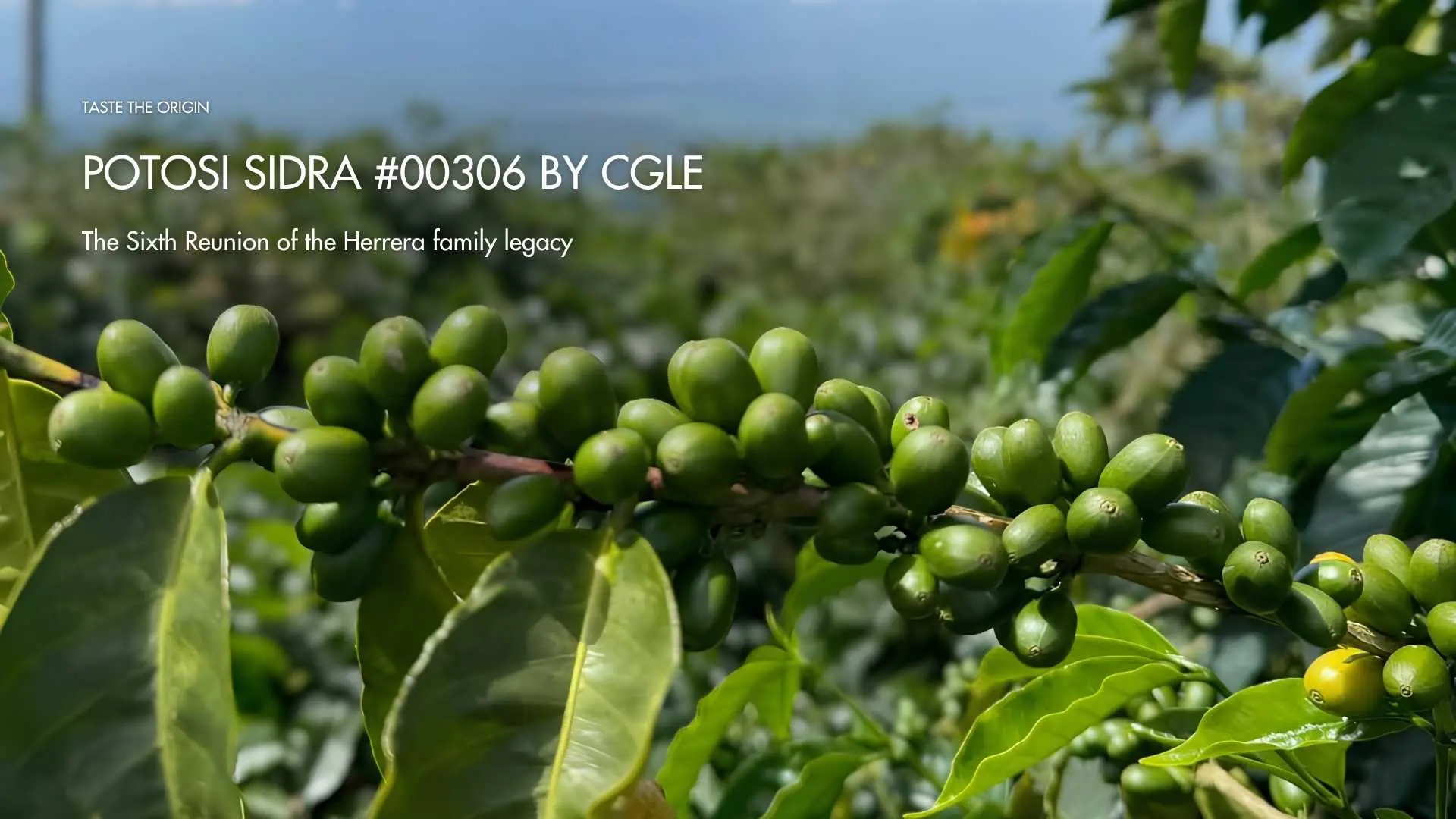
Potosi Sidra #00306 – The sixth reunion of the Herrera family legacy
The sixth harvest marks the return of Potosi Sidra #00306 by CGLE, carrying the presence of a family patriarch entrusted with more than eighty years of heritage from the Herrera family. Cultivated in the founding valley of Potosi since 1945 in Caicedonia, this genetic treasure born from the union of Bourbon and Typica presents a remarkably evolved sensory profile. Through its Extremely Light Roast philosophy and the financial transparency of the Paid for Producer model, XLIII Coffee chooses to preserve the authentic voice of terroir and the coffee’s original flavor structure.
- Taste the Origin
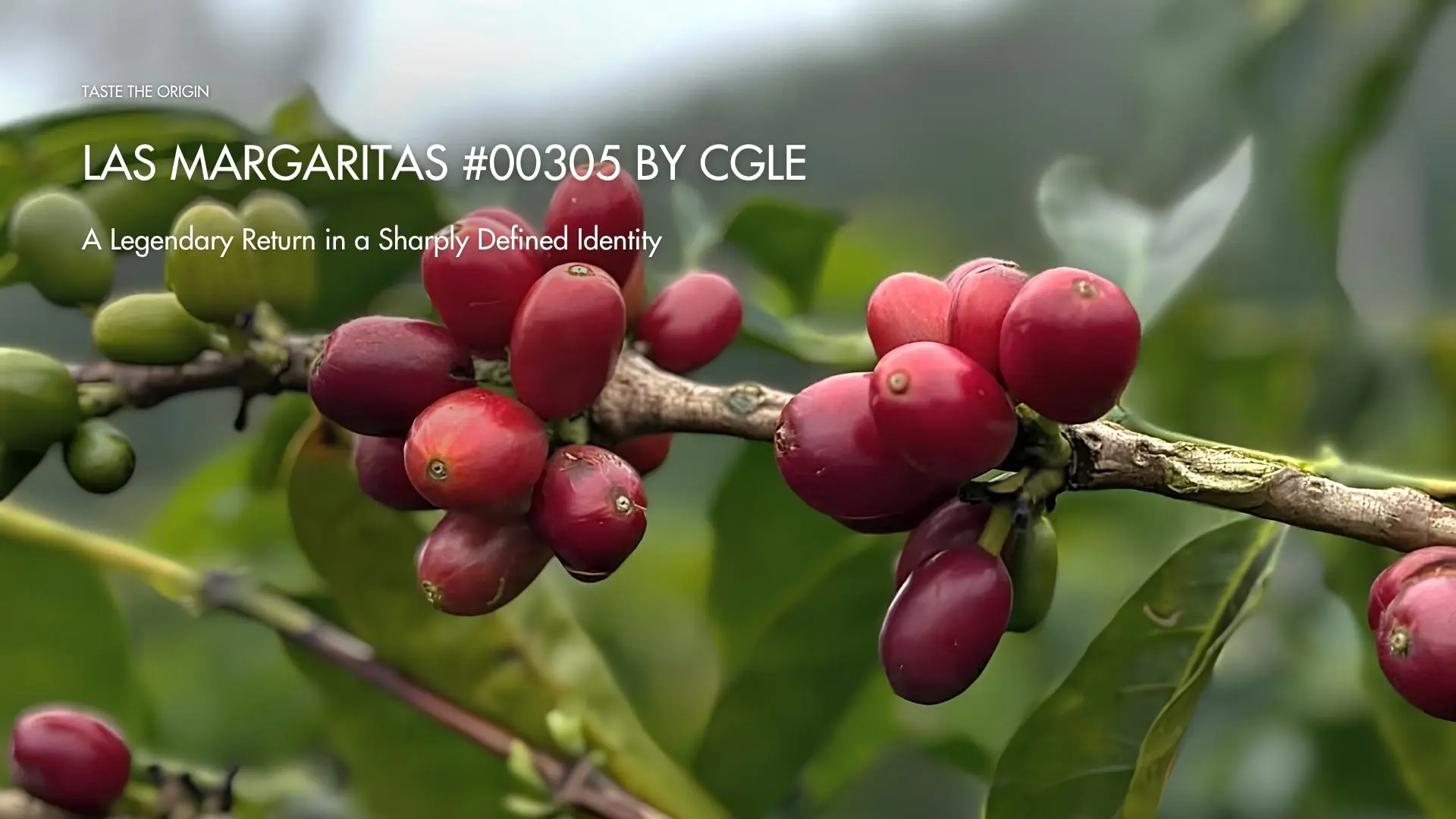
Las Margaritas #00305 by CGLE – A Legend Reunited in a Sharper Identity
Las Margaritas #00305 by CGLE returns to XLIII Coffee as a Gesha masterpiece reborn from the renowned Valle del Cauca region. Infused with the exquisite craftsmanship of Café Granja La Esperanza, this rare batch of coffee embarks on an enchanting flavor journey with vibrant citrus notes, delicate jasmine, and an elegant, lingering Earl Grey finish. Each drop is a crystallization of fertile volcanic soil and the sustainable farming philosophy that CGLE has persistently pursued for decades, creating a full-bodied, sharp flavor profile while retaining the pristine beauty characteristic of the royal Gesha variety.

- Taste the Origin
Finca Rosenheim Typica & Caturra – The Crossroads of Cultural Currents
Across the tides of world history, Finca Rosenheim Typica & Caturra emerges as a living testament hidden within the vast wilderness of Villa Rica. Here, the ancient lineage of the legendary Typica variety converges with the purity of the Washed process and the artistry of shade grown cultivation, weaving together delicate layers of Milk Chocolate, Nougat, and Purple Floral. Together, they create a profound resonance between resilient European heritage and the soul of the native Andes.

Specialty Coffee in Vietnam
BRAND VALUE
YOU SHOULD HAVE KNOWN
XLIII Coffee has been aiming to become a big, impactful company with social responsibilities,
have access to high-quality raw materials and convey the complete original values of coffee to our customer
