
Do You Really Understand Coffee Fragrance?
The fragrance of ground coffee, also known as its “fragrance,” is the overture to the symphony of your coffee experience. But do you truly understand what coffee fragrance is, how it forms, and why it’s so essential?
I. What is Coffee Fragrance?
Fragrance, or “dry aroma,” refers to the smell of freshly ground coffee before it comes into contact with water. Experts describe it as the perception of volatile compounds released from ground coffee. This element plays a crucial role in sensory evaluation or coffee cupping. Through fragrance, one can identify the intensity, and specific aroma characteristics (such as fruity, floral, or chocolaty notes), and assess initial quality or even potential traits of the coffee.

Fragrance, or “dry aroma,” refers to the smell of freshly ground coffee before it comes into contact with water
II. Why Does Coffee Have Fragrance?
Coffee’s fragrance comes from volatile compounds. When coffee beans are ground, these unstable compounds (due to weak intermolecular bonds) are released into the air, producing the distinctive aroma.
These compounds are the result of the coffee’s growth process and complex chemical reactions, like the Maillard reaction and caramelization during roasting. Each coffee variety, its growing conditions (soil, altitude, climate), and processing methods contribute to the formation of these aromatic molecules. As a result, coffees from different origins and processing styles exhibit unique aromas. For example, naturally processed coffee often features fruity and chocolaty notes, whereas the same variety processed with the washed method may present bright citrus, floral, and honey-like aromas.

Coffee’s fragrance comes from volatile compounds
III. How to Perceive and Evaluate Coffee Fragrance
During cupping, fragrance is evaluated by gently shaking ground coffee and taking in its aroma. Follow these steps to experience coffee fragrance:
Step 1: Prepare the Ground Coffee: Grind fresh coffee to the appropriate coarseness for cupping (similar to sea salt). Place about 8–12g of ground coffee in each cup on the cupping table.
Step 2: Approach the Aroma: Bring your nose close to the cup without touching it. Gently inhale to sense the fragrance. If the cup has a lid, lift it just before smelling to preserve the aroma.
Step 3: Stimulate the Fragrance: Gently shake or stir the ground coffee to release more volatile compounds, allowing you to identify different aromatic layers.
Step 4: Record Your Observations. Focus on:
– Intensity: Is the aroma strong or mild?
– Characteristics: What does it remind you of? (e.g., fruit, flowers, honey, chocolate, caramel).
– Overall Impression: Is it pleasant, complex, or simple?
– Consistency: If you’re evaluating multiple cups of the same coffee, check for uniformity. Variations could indicate issues in processing or storage.

During cupping, fragrance is evaluated by gently shaking ground coffee and taking in its aroma
This process requires experience and sensory training to identify specific notes, such as apple, citrus, chocolate, or caramel, while detecting inconsistencies. With focus, practice, and tools like the flavor wheel, you can refine your ability to perceive and describe these aromatic nuances, unlocking a deeper and more rewarding coffee experience.
Remember, fragrance dissipates quickly once exposed to the environment. Grinding coffee fresh before brewing is the best way to retain its delicate aromatic layers. This is why XLIII Coffee grinds beans immediately before brewing to preserve the freshness and full complexity of each cup.
IV. How Does Fragrance Differ from Aroma and Flavor?
Fragrance, aroma, and flavor are the three main elements of evaluating and enjoying coffee. Here’s how they differ:
| Aspect | Fragrance (Dry Aroma) | Aroma (Wet Aroma) | Flavor |
|---|---|---|---|
| Definition | The smell of dry, freshly ground coffee. | The smell released from brewed coffee. | A combination of fragrance, aroma, taste, and mouthfeel. |
| Timing | Perceived after grinding, before adding water. | Perceived during and after brewing, especially while hot. | Experienced while tasting, combining smell and taste. |
| Origin | Volatile compounds from dry ground coffee. | Volatile compounds released by hot water. | A result of volatile compounds, acids, and organic molecules in the coffee. |
| Intensity | Often lighter since it’s a “dry” aroma. | Richer and more complex when brewed. | Encompasses sweetness, acidity, bitterness, balance, and aftertaste. |
| Method of Sensing | Lift the lid, shake the grounds, and smell. | Smell freshly brewed coffee. | Sip and spread across the palate, engaging both smell and taste. |
| Significance | Provides an initial indication of coffee quality. | Offers deeper insights into coffee’s complexity. | Defines the overall coffee experience and balance. |
Conclusion
Fragrance is the starting point of the coffee journey, with volatile compounds revealing each bean’s unique flavor potential. Grinding fresh before brewing ensures an authentic and vivid experience. With practice and attention, you’ll improve your ability to recognize and describe aromas more accurately.
V. FAQs
1. What is coffee fragrance?
Fragrance refers to the dry aroma of freshly ground coffee, typically assessed during cupping. It is formed by volatile compounds that give rise to unique notes, such as fruity, floral, caramel, or chocolate.
2. What factors affect coffee fragrance?
Fragrance is influenced by factors like cultivation practices, processing methods, and roasting techniques. For instance, natural processing highlights fruity and chocolaty notes, while washed processing emphasizes citrus and floral characteristics.
3. How can I perceive and evaluate coffee fragrance accurately?
Gently shake the ground coffee in the cup, bring your nose close, and inhale deeply. Focus on intensity and aroma notes. With regular practice, you’ll distinguish complex layers more easily.
4. Why is fragrance important in coffee evaluation?
Fragrance provides the first clue about a coffee’s potential quality and characteristics. It helps cup tasters evaluate consistency across cups and identify production or processing issues.
5. How can I best experience coffee fragrance?
Grind coffee fresh just before brewing to preserve its volatile compounds. Store beans in an airtight container away from light, moisture, and heat to maintain their aroma for longer.

Bài viết mới

- Taste the Origin
Finca La Palestina Red Bourbon #5487 – A blossoming legacy in the highlands of Cajamarca
Amidst the ethereal clouds of Cajamarca, where the deep forest, Mother Earth, and time harmonize, Finca La Palestina Red Bourbon #5487 is born as a proud epic of heritage. It bears witness to the story of three generations of the Alarcón Coronel family, to their respect for nature, and to their Cup of Excellence achievements. Each layer of fragrance is a journey for all the senses, leading the connoisseur into subtle and captivating depths.

- Breaking News
Royal Botanic Gardens, Kew announces new hybrid coffee named Libex
As the global coffee industry faces unprecedented challenges from climate change, the Royal Botanic Gardens, Kew (UK) has brought a ray of hope by formally announcing a natural hybrid coffee named Libex. Identified after intensive genetic research across three continents, Libex represents a perfect intersection between the resilient heat tolerance of Liberica and the robust agronomic vigor of Excelsa.

- Find the Origin
Mejorado Coffee Variety – The Perfect Blend of Bourbon & SLN Hybrid Lineage
Originating from the windswept hillsides of the South American highlands, the Mejorado coffee variety tells the story of a genetic masterpiece that is redefining the boundaries of the contemporary Specialty Coffee world. Behind a easily misunderstood name lies a completely distinct alter ego, where the sweet heritage of the Bourbon variety intertwines with the resilient vitality of the SLN hybrid lineage. Thanks to a profound slow-ripening process in the chill of extreme altitudes, this seed nurtures a magnificent flavor profile with ethereal floral and fruit notes, stepping onto the altars of global competitions to assert its status as a future icon, ready to stir the most discerning senses.
- Taste the Origin
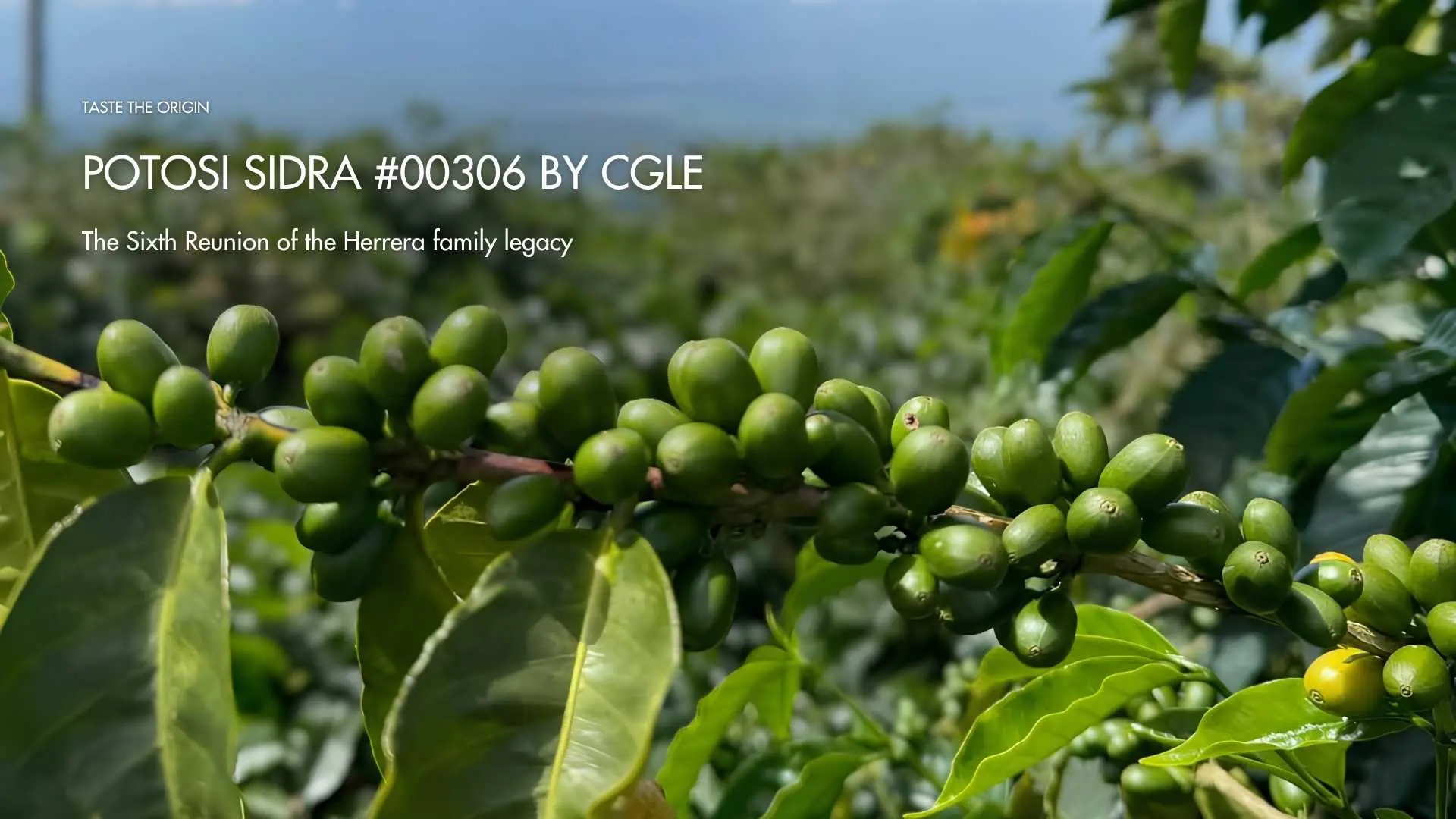
Potosi Sidra #00306 – The sixth reunion of the Herrera family legacy
The sixth harvest marks the return of Potosi Sidra #00306 by CGLE, carrying the presence of a family patriarch entrusted with more than eighty years of heritage from the Herrera family. Cultivated in the founding valley of Potosi since 1945 in Caicedonia, this genetic treasure born from the union of Bourbon and Typica presents a remarkably evolved sensory profile. Through its Extremely Light Roast philosophy and the financial transparency of the Paid for Producer model, XLIII Coffee chooses to preserve the authentic voice of terroir and the coffee’s original flavor structure.
- Taste the Origin
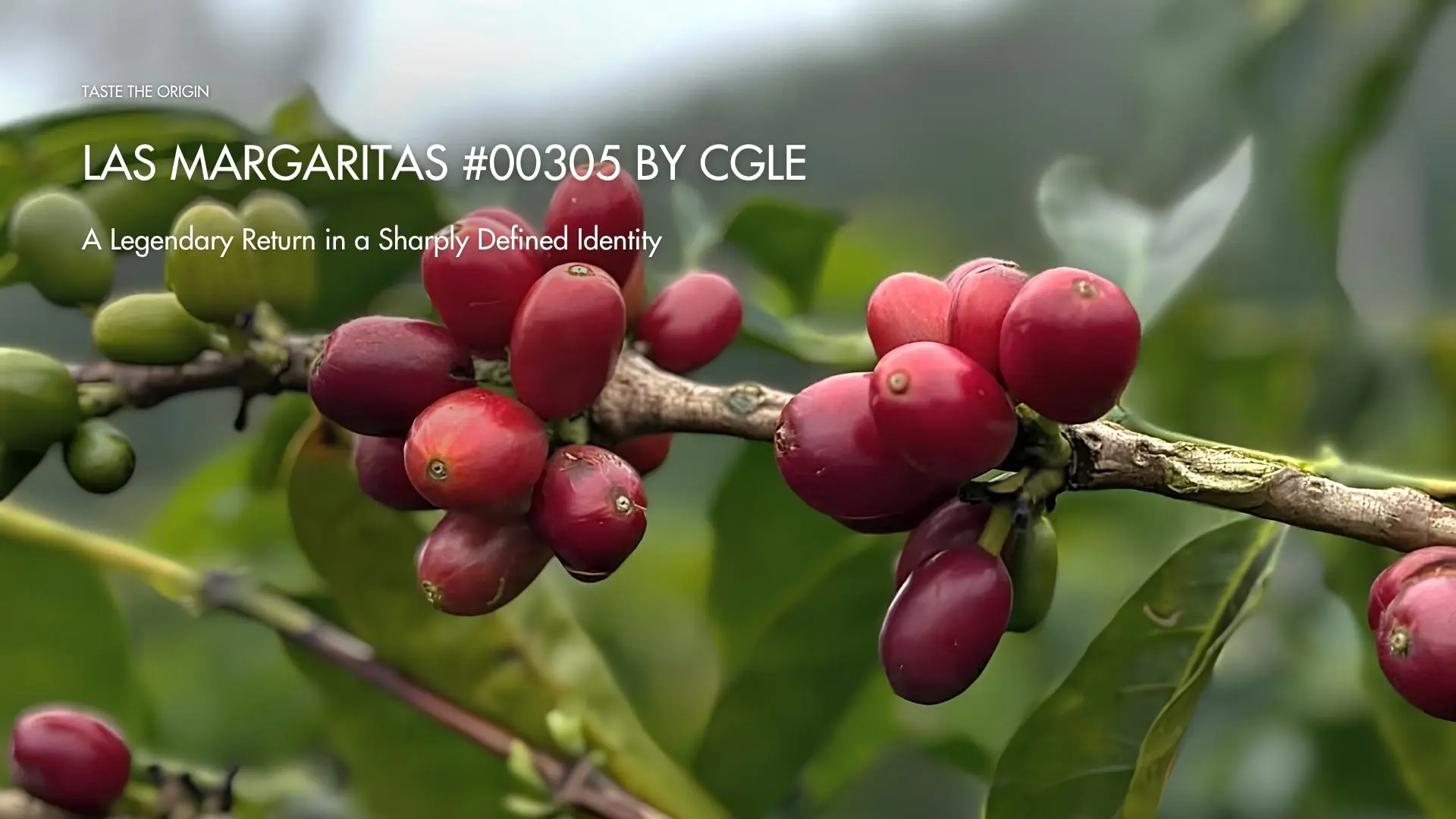
Las Margaritas #00305 by CGLE – A Legend Reunited in a Sharper Identity
Las Margaritas #00305 by CGLE returns to XLIII Coffee as a Gesha masterpiece reborn from the renowned Valle del Cauca region. Infused with the exquisite craftsmanship of Café Granja La Esperanza, this rare batch of coffee embarks on an enchanting flavor journey with vibrant citrus notes, delicate jasmine, and an elegant, lingering Earl Grey finish. Each drop is a crystallization of fertile volcanic soil and the sustainable farming philosophy that CGLE has persistently pursued for decades, creating a full-bodied, sharp flavor profile while retaining the pristine beauty characteristic of the royal Gesha variety.

- Find the Origin
Mandela coffee variety – A convergence of generations from a masterpiece breeding strategy
Amidst the constant fluctuations of the era, Mandela emerges as a gentle yet resilient response from the soil. Instead of attempting to alter or impose upon nature, this breeding strategy is, in essence, a profound act of listening. Each Mandela coffee bean carries the bloodline of multiple generations, possessing both the serene, steadfast nature of native trees and the sparkling elegance of premium varieties. It is a sacred continuation, where the flow of generations ultimate honors the original value of the species, imparting an intact and sustainable vitality into every cup.

Specialty Coffee in Vietnam
BRAND VALUE
YOU SHOULD HAVE KNOWN
XLIII Coffee has been aiming to become a big, impactful company with social responsibilities,
have access to high-quality raw materials and convey the complete original values of coffee to our customer
