
How do different coffee roasters affect the flavor of coffee?
Roasting is a critical stage where coffee beans release their tightly held aromas. Merely having quality and origin is not sufficient; if roasters fail to find the appropriate roasting profiles, they cannot produce batches of coffee with diverse and flavorful tastes. Do different coffee roasters affect the flavor of coffee? Their distinct structures and operational methods allow them to offer consumers unique and diverse coffee experiences.
How does the roasting process affect the flavor of coffee?
Roasting is a crucial stage where coffee beans release the tightly held aromas within. Through heat, various chemical reactions occur, creating the aroma and flavor of coffee. Particularly, two important reactions need mentioning: the Maillard reaction and caramelization.
The Maillard reaction can form Melanoidins – a dark brown compound with roasted, malt, bitter, pungent flavors, contributing to the robust flavor of coffee. On the other hand, caramelization breaks down long, complex carbohydrate chains into hundreds of new, smaller compounds, adding significant bitterness, acidity, and aroma to the brew.
Types of coffee roasters
Coffee roasters can utilize various roasting machines depending on their characteristics, purposes, and preferences. Among them, two popular types of roasters are drum roasters and fluid bed (or air) roasters.
Drum roasters

This machine operates by heating a rotating drum. Coffee beans are heated through both heat conduction from the drum’s surface and convective heat transfer from the surrounding air. Its advantage lies in producing evenly dark-colored roasted coffee batches. However, using it requires skill because coffee beans in contact with the drum may risk burning.
* Single Drum Roaster
This is a typical type of drum roaster. Its structure includes a burner at the bottom to heat the drum as it rotates, and the drum transfers heat to warm the coffee beans. This type of machine often produces uneven roasts due to heat retention in the drum.
* Double Drum Roaster
This refined roaster employs air between two layers of drums as insulation. Consequently, coffee beans can receive more convective heat. This technology allows for better temperature control during roasting, resulting in more even roasts and reducing the number of scorched coffee beans.
* Perforated Drum Roaster
Perforated drums enable more convective heat transfer during roasting. Through this enhanced airflow, the roaster can produce more even and flexible batches. Additionally, the roasting process with perforated drum roasters consumes less heat compared to traditional drum roasters
Fluid bed roasters
Compared to drum roasters, fluid bed roasters roast coffee faster, consume less electricity, and are suitable for lighter roasts. They tend to preserve the coffee’s harmony and characteristic acidity better because they rely solely on a stream of hot air to roast the coffee beans: the air is preheated and then pushed through a chamber containing the coffee beans. This airflow suspends the coffee beans on a “layer” of hot air. However, due to their more complex structure, fluid bed roasters are more expensive and challenging to maintain, especially with limited capacity. It’s essential to note that most fluid bed roasters do not offer the option to check the coffee beans during the roasting process.
How different roasting machines affect the flavor of coffee?
Different types of roasters with varying structures and features will uniquely impact the flavor development of coffee beans. Therefore, roasters need to understand the operating principles of their machines to adjust the parameters so that the coffee beans are guided correctly, preserving their inherent characteristics. The most apparent difference is that drum roasters made of cast iron or steel retain heat longer than fluid bed roasters. This means you’ll need to use less heat in the later stages of the roasting process because most of the initial heat emitted in the early stages will be retained throughout the entire roasting process.

The different heat distribution methods of various coffee roasting machines will affect the overall sensory experience because they transfer heat to the coffee beans differently. Therefore, roasters need to control airflow accurately to avoid burning the beans. Different roasting machines combined with different brewing methods can yield a relatively diverse range of flavors. With filter or espresso brewing methods, coffee beans roasted with drum roasters tend to produce sweeter flavors, while the flavor profiles become clearer compared to indirectly heated roasters.
We can say that different types of roasting machines can highlight certain flavor characteristics. Indirect heat roasters provide a clean taste and are suitable for high SCA score beans with a lot of sweetness and acidity, while also easily accentuating any flaws in the beans. Additionally:
– Gas-powered roasters have higher heat transfer efficiency and faster reactions compared to electric ones, which enhance the acidity inside the beans. Electric roasters, on the other hand, distribute heat more evenly, increasing sweetness and fullness.
– For drum roasters, slower speeds and higher airflow can result in more even roasts and enhance complex flavors. Faster drum speeds and lower airflow create brighter acidity and enhance fruity notes.
– With fluid bed roasters, higher airflow and increased agitation can produce lighter roasts and brighter acidity, while lower airflow and less agitation result in darker roasts with more chocolate and nutty flavors.
Although different roasting machines approach coffee beans differently, they are only tools for roasters to develop the flavor of the beans without directly determining the flavor notes or bean quality. This depends on the experience and expertise of the roaster. Therefore, by understanding the characteristics and operation of each machine, skilled roasters can overcome limitations and create fully aromatic and flavorful batches of coffee.
Follow XLIII Coffee for more useful information!
Related articles:
– WCR promotes the implementation of strategies to conserve world coffee genetic resources
– Coffee price today domestically and internationally
– Indonesian coffee output is at risk of plummeting due to climate change

Bài viết mới
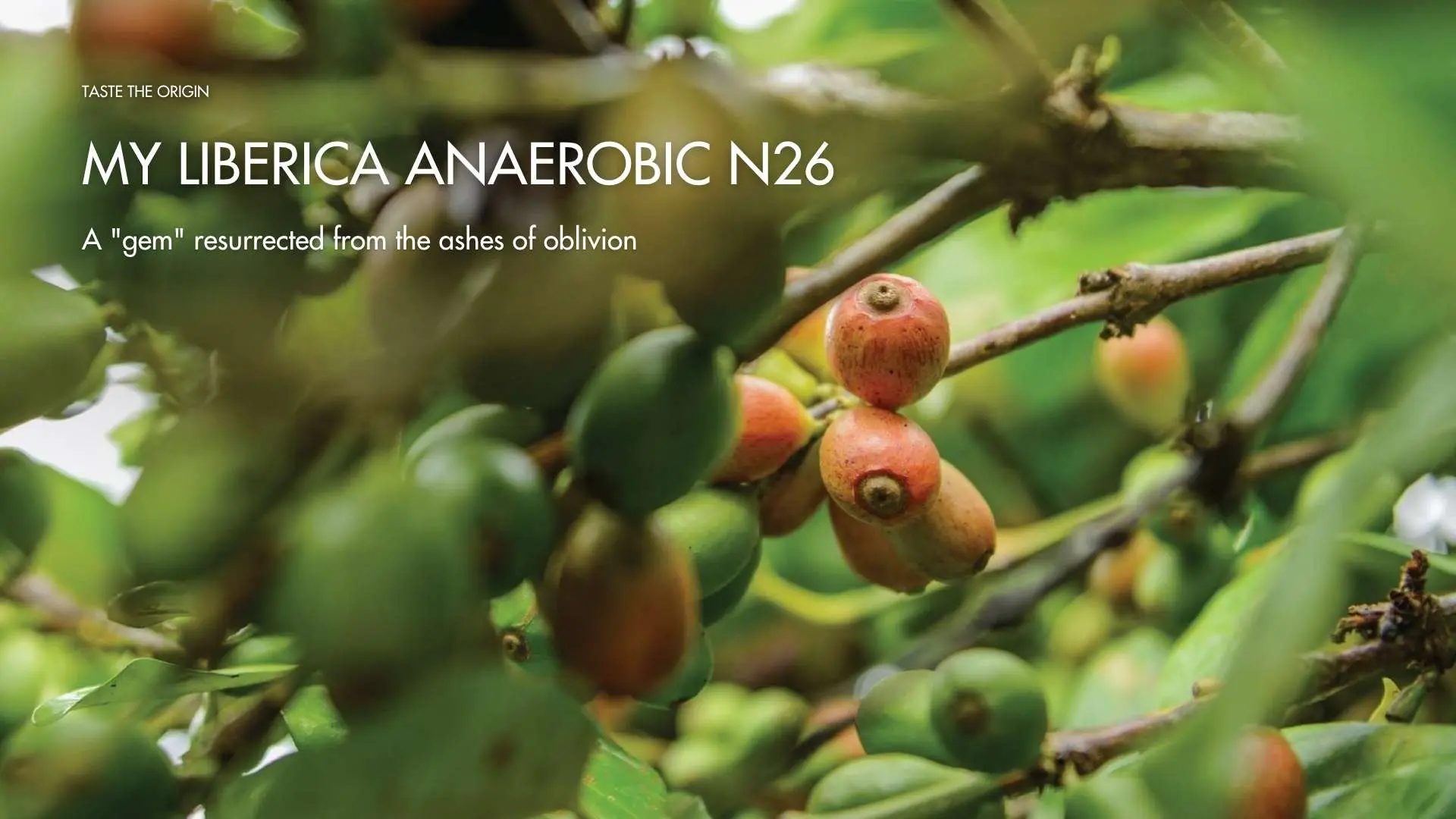
- Taste the Origin
My Liberica Anaerobic N26 – A “gem” resurrected from the ashes of oblivion
The journey of My Liberica Anaerobic N26 is the triumph of a forgotten species, awakened by the depth of understanding, patience, and faith in its original essence. From the heavy clay layers of Kulai to 26 days of transformation in absolute darkness, each step contributes to unlocking layers of flavor that the world once thought could not exist in Liberica. More than just a cup of coffee, My Liberica Anaerobic N26 is a powerful declaration that all great values begin with the courage to delve into their essence, and then rise to a unique voice that resonates throughout the world.


- Taste the Origin
Finca Soledad Mejorado Tyoxy & Fincas Putushio Mejorado – The red thread of the Jijón family
The simultaneous arrival of Finca Soledad Mejorado Tyoxy and Fincas Putushio Mejorado at XLIII Coffee paints a remarkable portrait of the adaptability of the Mejorado variety within Ecuador’s specialty coffee landscape. Nurtured by a shared family philosophy and a commitment to principled cultivation, these two processed lots represent both a breakthrough in microbial innovation and the remarkable return of an exceptional flavor profile.

Finca La Palestina Gesha #5482 – A new chapter in the legend from Cajamarca
From the renowned Cajamarca region, Finca La Palestina Gesha #5482 returns after a period of absence with a proud and fresh appearance. Nurtured in ideal altitude conditions and the cool climate characteristic of the Andes, each coffee bean slowly accumulates subtle flavor nuances before being perfected using the Washed method to maximize the purity of the Gesha variety. Under a carefully refined extremely-light roast profile, this batch of coffee reveals layers of white jasmine, ripe citrus, and sweet golden apricot aromas, interwoven in an elegant and rich flavor structure.

- Taste the Origin
Finca La Palestina ‘Gesha Inca’ #5485 – A masterpiece carved from an ancient civilization
From the mist-covered hills of San José del Alto, Finca La Palestina ‘Gesha Inca’ #5485 emerges as a proud declaration of the convergence between more than seventy years of agricultural heritage and the resilient biological code of an ancient civilization. Through the clarity of meticulously executed Washed Processing, this coffee unveils a magnificent sensory progression across temperature ranges while extending a chain of integrity through the Direct Trade model.

- Taste the Origin
Finca La Palestina Red Bourbon #5487 – A blossoming legacy in the highlands of Cajamarca
Amidst the ethereal clouds of Cajamarca, where the deep forest, Mother Earth, and time harmonize, Finca La Palestina Red Bourbon #5487 is born as a proud epic of heritage. It bears witness to the story of three generations of the Alarcón Coronel family, to their respect for nature, and to their Cup of Excellence achievements. Each layer of fragrance is a journey for all the senses, leading the connoisseur into subtle and captivating depths.

Specialty Coffee in Vietnam
BRAND VALUE
YOU SHOULD HAVE KNOWN
XLIII Coffee has been aiming to become a big, impactful company with social responsibilities,
have access to high-quality raw materials and convey the complete original values of coffee to our customer
