
How does the structure of specialty coffee beans change through each roasting stage?
The structure of specialty coffee beans changes constantly through each roasting stage. Inside each seed contains chemicals, gases and cells. They will be released, transformed or combined to form new compounds that change the structure of coffee bean tissue. The coffee will bloom, become crisper and lighter. Besides, with different roasting styles, the final flavor, aroma, and body of the coffee will be different. Regardless of the roasting mode, there are three main stages: drying, Maillard reaction and development. At these stages, coffee beans will undergo different chemical and physical changes. Join XLIII Coffee to discover the details of changes in each stage!
Structure of specialty coffee beans at the drying stage
The drying stage begins as soon as the green coffee beans are put into the roaster. The drying process takes about 4 – 6 minutes. At the end of the drying process, the temperature will reach 160°C. During that time, the water content begins to evaporate and pressure begins to build inside the coffee beans. After a few minutes, the moisture will quickly decrease, making the coffee lighter. The seeds begin to change from green to yellow, expanding and cracking the husk surrounding the seeds. Different aroma compounds begin to form, giving the coffee its flavor.

Structure of specialty coffee beans in the Maillard reaction
The Maillard reaction appears after 7-10 minutes of drying. The temperature in the roaster has now reached about 150°C/302°F. Coffee begins to turn brown due to Melanoides produced from the reaction between amino acids and sugar. In addition to changing the color of the bean, the Maillard reaction also contributes to the flavor and body of coffee. Depending on the heating rate, the temperature drives the pre-coffee into a Strecker decomposition state. Amino acids will react with carbonyl molecules to form aldehydes and ketones – an important compound that creates flavor and aroma. Besides, the temperature during this process also causes gases (carbon dioxide, water vapor) and some volatile compounds to be created, causing the volume of coffee to swell. The pressure and the amount of carbon dioxide and monoxide gas increase rapidly enough to break down the cell walls of the coffee bean, causing cracks to appear.

Structure of specialty coffee beans through development stages
The development stage is the time when the coffee cracks, causing the first explosion. During this stage the color of coffee changes from light brown to medium brown or dark brown. The roasting process changes from an endothermic reaction (beans absorb heat) to an exothermic reaction (beans release heat). Roasting oven temperature up to 195°c. The exothermic reaction takes place, causing the pressure within the particle to increase Cracks.
 become apparent causing the coffee to burst and aroma compounds to flourish. The grain increases in porosity, and lipids from inside the grain gradually move to the cell wall. Amino acids, sugars, and aromatic compounds react to create fruity odors and sweetness due to caramelization of sugar. If the development time is slow, organic acids have more time to decompose, causing a more pleasant cup of coffee to have a milder acidity. However, if roasted for too long, organic substances will enter the carbonization process, making the coffee taste bitter and harsh.
According to each level of heat, coffee will gradually change and create compounds that form different aromas. Good control of the roasting process will help you influence these compounds and thereby roast coffee batches with the delicious flavor you desire.
Please follow XLIII Coffee’s news channel to discover many useful information.
Articles you may be interested in:
– Discover water activity in specialty coffee
– Gisheke #21132 – Coffee beans created from Rwanda’s love of labor

Bài viết mới
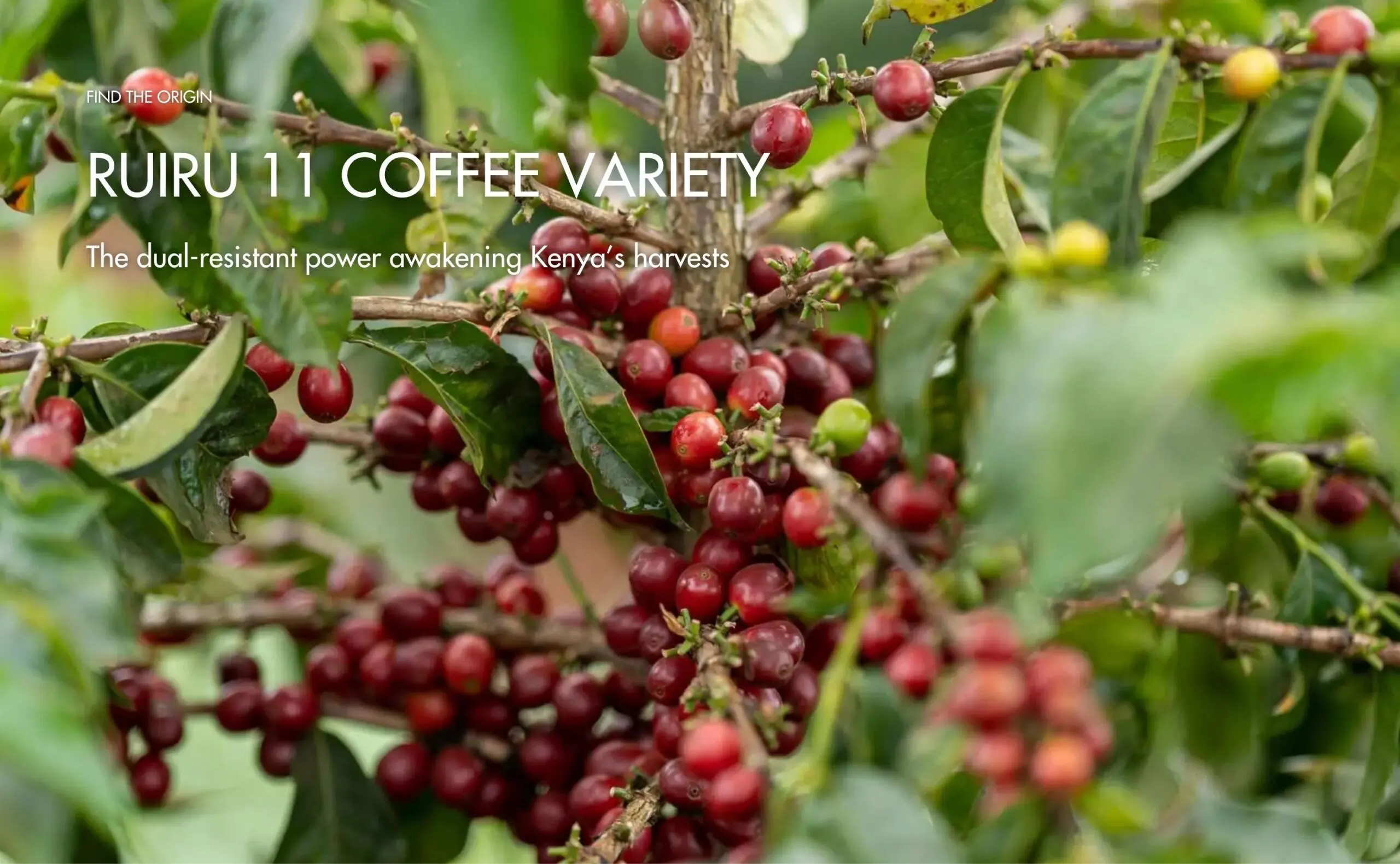
- Find the Origin
Ruiru 11 coffee variety – The dual-resistant power awakening Kenya’s harvests
Born from the ashes of a devastating pandemic, Ruiru 11 is a resilient response of indigenous wisdom to the trials of nature. Carrying a complex genetic code from 66 sibling isolines, this humbly statured coffee variety possesses superb “dual-resistance” against the twin shadows of Coffee Berry Disease and Coffee Leaf Rust. Overcoming early prejudices and the paradox of trade-offs between yield and flavor, Ruiru 11 has been weaving through nurseries, awakening dormant harvests across highland hillsides, and igniting a proud flame of self-reliance for Kenyan coffee.

- Taste the Origin
Sudan Rume #00313 by CGLE – The origin legend beneath the Eucalyptus canopy
From a wild coffee lineage discovered in the Rume Mountains in the 1940s to the enduring conservation efforts of Café Granja La Esperanza, Sudan Rume #00313 by CGLE invites drinkers on a sensory pilgrimage to the birthplace of the Arabica world. It is a rare biological legacy preserved through unwavering dedication, integrity, and deep reverence for history.
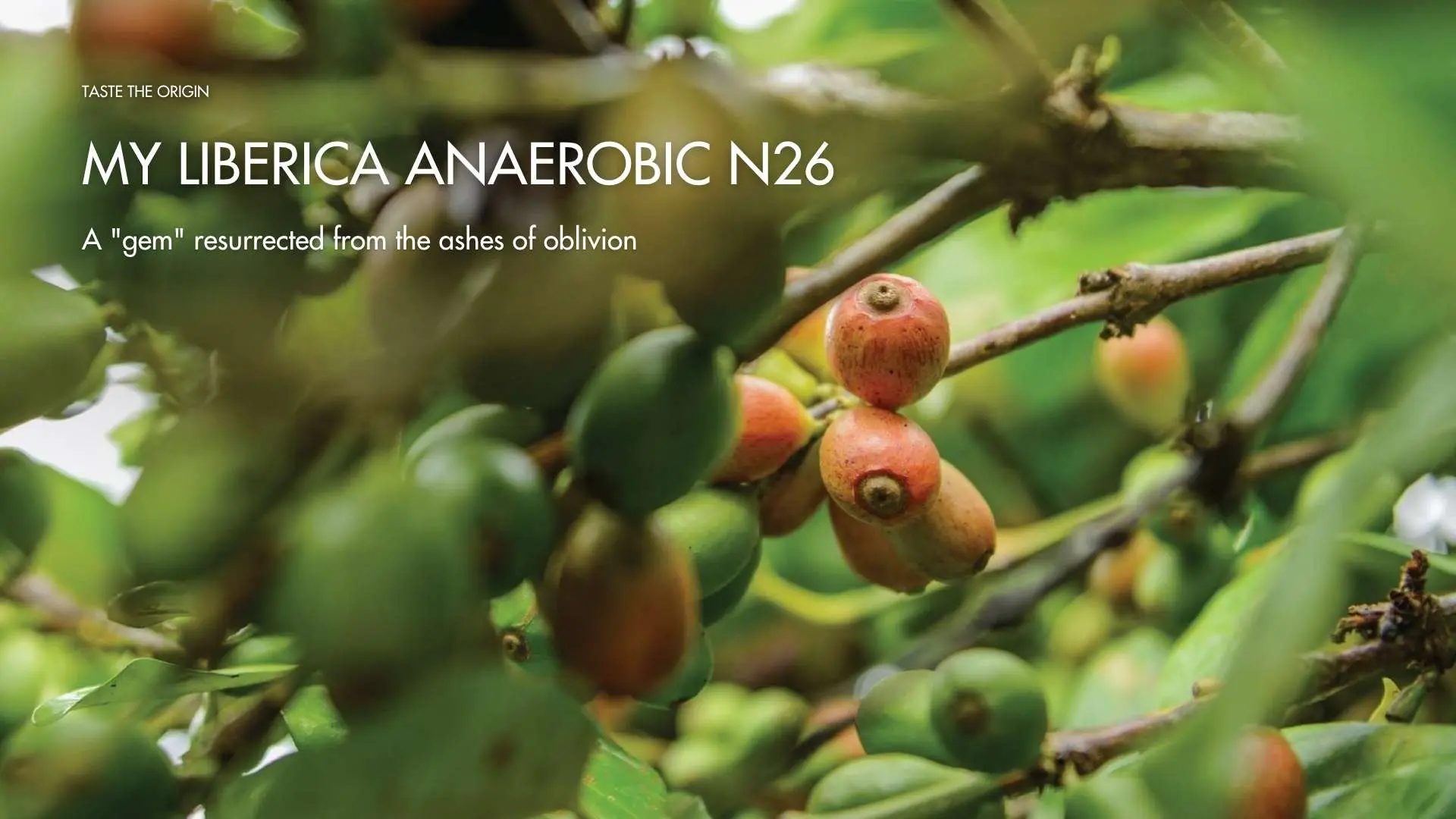
- Taste the Origin
My Liberica Anaerobic N26 – A “gem” resurrected from the ashes of oblivion
The journey of My Liberica Anaerobic N26 is the triumph of a forgotten species, awakened by the depth of understanding, patience, and faith in its original essence. From the heavy clay layers of Kulai to 26 days of transformation in absolute darkness, each step contributes to unlocking layers of flavor that the world once thought could not exist in Liberica. More than just a cup of coffee, My Liberica Anaerobic N26 is a powerful declaration that all great values begin with the courage to delve into their essence, and then rise to a unique voice that resonates throughout the world.


- Taste the Origin
Finca Soledad Mejorado Tyoxy & Fincas Putushio Mejorado – The red thread of the Jijón family
The simultaneous arrival of Finca Soledad Mejorado Tyoxy and Fincas Putushio Mejorado at XLIII Coffee paints a remarkable portrait of the adaptability of the Mejorado variety within Ecuador’s specialty coffee landscape. Nurtured by a shared family philosophy and a commitment to principled cultivation, these two processed lots represent both a breakthrough in microbial innovation and the remarkable return of an exceptional flavor profile.

- Taste the Origin
Finca La Palestina Gesha #5482 – A new chapter in the legend from Cajamarca
From the renowned Cajamarca region, Finca La Palestina Gesha #5482 returns after a period of absence with a proud and fresh appearance. Nurtured in ideal altitude conditions and the cool climate characteristic of the Andes, each coffee bean slowly accumulates subtle flavor nuances before being perfected using the Washed method to maximize the purity of the Gesha variety. Under a carefully refined extremely-light roast profile, this batch of coffee reveals layers of white jasmine, ripe citrus, and sweet golden apricot aromas, interwoven in an elegant and rich flavor structure.

Specialty Coffee in Vietnam
BRAND VALUE
YOU SHOULD HAVE KNOWN
XLIII Coffee has been aiming to become a big, impactful company with social responsibilities,
have access to high-quality raw materials and convey the complete original values of coffee to our customer
