
How is Tay Nguyen Specialty Coffee developing?
Specialty coffee in Tay Nguyen is rising amidst a land traditionally known for exporting raw Robusta. Many smallholder farmers and large estates are striving for sustainable transformation, with dreams of making remarkable breakthroughs in both quality and production. But will Tay Nguyen’s coffee industry experience an extraordinary elevation, or will it remain constrained by formidable challenges?
I. The Potential of Specialty Coffee in Tay Nguyen
According to the 2023 ICO World Coffee Report, the demand for specialty coffee is increasing by 7–10% annually, while Vietnam continues to primarily export low-value green beans. Over the past half-decade, Vietnam’s coffee sector—especially in Tay Nguyen—has been actively leveraging its natural advantages and embracing innovation to produce high-quality, sustainable coffee. In reality, Tay Nguyen has a solid foundation for developing specialty coffee, thanks to its natural advantages and a new generation of innovative farmers.

Geography and Natural Conditions
Although Tay Nguyen has yet to produce a SCA-certified specialty coffee lot, its natural conditions are comparable to renowned coffee-growing regions like Colombia, Panama, and Ethiopia. The region’s elevation ranges from 800 to 1,600 meters above sea level, with rich basalt soil and significant diurnal temperature variation, creating ideal conditions for cultivating high-quality coffee.
Furthermore, Tay Nguyen boasts a diverse coffee varietal ecosystem, including Typica, Bourbon, Gesha, and Catimor, which opens up opportunities for specialty coffee production. Some promising areas for specialty coffee in Tay Nguyen include: Cầu Đất (Lâm Đồng): Notable for Typica and Bourbon, Đắk Hà (Kon Tum): Recognized for innovative Catimor processing, Di Linh (Lâm Đồng): Transitioning towards specialty coffee, Krông Năng (Đắk Lắk): Experimenting with Arabica alongside Robusta.
A New Generation of Farmers and Technical Innovations
In the past, Tay Nguyen farmers prioritized high yield, but a new generation of coffee growers is emerging—those willing to experiment, invest in quality, and focus on sustainability. Pioneering farms adopting the specialty coffee model in Tay Nguyen are not only refining cultivation techniques but also innovating in processing. Techniques like anaerobic fermentation, honey process, and natural process are being explored to develop unique flavors and enhance the value of coffee beans.
Some farms in Cầu Đất and Đắk Hà are even implementing controlled fermentation experiments to develop more complex flavor profiles and applying sugar and acidity measurement technologies to harvest cherries at optimal ripeness. These advancements highlight Tay Nguyen’s strong potential for specialty coffee development, backed by both natural advantages and investments in advanced farming and processing techniques.


II. Challenges Behind the Journey of Specialty Coffee in Tay Nguyen
Despite its vast potential, transforming Tay Nguyen into a true Specialty Coffee-producing region that meets SCA standards still faces numerous obstacles. The major challenges in this transition revolve around the focus on yield, stringent processing requirements, market complexities, and the need for transparent value standards.
The Yield Trap
Tay Nguyen is the heart of Vietnam’s Robusta production, contributing nearly 90% of the country’s total coffee output. However, Specialty Coffee primarily develops from Arabica varieties, which require stringent standards, sustainable cultivation practices, and entirely different harvesting, processing, and storage methods. This poses a significant challenge in the region’s shift toward Specialty Coffee.
Currently, farmers are under immense pressure to maximize yield to meet the demands of the commercial coffee market, where prices are volatile and profits are dictated by quantity rather than quality. Investing in Specialty Coffee requires time, effort, and patience, while returns are not guaranteed in the short term. Without policy and market support, Tay Nguyen risks remaining stuck in the cycle of volume-driven production instead of evolving into a true Specialty Coffee hub.

Challenges in Processing and Classification
Specialty Coffee demands strict control over every stage, from fermentation and drying to green bean storage. However, Tay Nguyen’s processing infrastructure remains limited, with no standardized system on a large scale. While some farmers have experimented with innovative fermentation techniques, a lack of consistent equipment has led to unstable quality. Additionally, grading and evaluation based on international standards are still underdeveloped, making it difficult for Tay Nguyen’s specialty coffee to access the global Specialty Coffee market.
The Struggle for a Transparent Supply Chain
Another significant challenge preventing Tay Nguyen’s Specialty Coffee from expanding is the lack of transparency in sourcing. Some commercial enterprises blur the lines between specialty and commercial coffee, driving prices down and discouraging farmers from investing in quality. Moreover, training systems are still inadequate, leaving farmers with limited access to in-depth knowledge on improving quality and understanding market dynamics. Most importantly, Vietnam’s domestic Specialty Coffee market remains small, making businesses and farms hesitant to invest due to high costs.

III. Can Tay Nguyen’s Specialty Coffee Succeed?
Currently, high-quality coffee in Tay Nguyen accounts for only a small fraction of production, primarily due to suboptimal farming practices, inconsistent processing, and weak connections with premium consumer markets. According to the Buôn Ma Thuột Coffee Association, over 95% of Tay Nguyen’s coffee output remains commodity coffee, which is valued at only 20-50% of the price of Specialty Coffee.

Objectively speaking, Tay Nguyen has the potential to develop Specialty Coffee, but potential alone does not guarantee success. Leading coffee-growing regions worldwide have proven that, beyond natural conditions, the growth of Specialty Coffee depends on long-term strategies, a transparent production-supply ecosystem, and strong connections with consumer markets.
The success of Tay Nguyen’s Specialty Coffee depends on how industry stakeholders navigate this path. True success can only be achieved through a synchronized and sustainable ecosystem—ensuring transparency from production to consumption. Instead of relying solely on natural advantages, Tay Nguyen must create distinctive value and establish strong global market connections.
This requires, first and foremost, standardized quality and processing methods to meet Specialty Coffee benchmarks. Experimenting with and applying innovative fermentation techniques, while ensuring consistency across harvests, will help Tay Nguyen develop a unique flavor identity rather than merely supplying raw materials.
However, quality alone is not enough. The Direct Trade model must be further promoted—not just for raw bean exports, but also to build a strong regional brand, similar to how areas like Huila (Colombia) and Yirgacheffe (Ethiopia) have done.


Additionally, Specialty Coffee brands in major cities such as Đà Nẵng, Hội An, Thủ Đức, and Hồ Chí Minh play a crucial role. These are not only places to showcase products but also key bridges that educate consumers about Specialty Coffee, thereby driving market demand. Coffee shops like XLIII Coffee, which emphasize transparency by providing detailed information on origin, processing methods, and the story behind each lot, are helping shape consumer awareness and motivating farmers to prioritize quality over quantity.
Moreover, these specialty coffee brands can help Tay Nguyen expand its reach by hosting cupping sessions, connecting with roasters, and engaging with international markets—gradually building a reputation for Vietnam’s Specialty Coffee on the global stage.
IV. XLIII Coffee Connects and Drives the Central Highlands Specialty Coffee Market
The consumer ecosystem plays a crucial role in the development of Specialty Coffee in the Central Highlands. XLIII Coffee operates on principles of transparency, quality, and experience. Beyond selecting the finest coffee lots from around the world, XLIII Coffee emphasizes storytelling to enhance awareness of traceability, quality, and the true value of Specialty Coffee. At the same time, the brand actively promotes Specialty Coffee through media, experiential events, and community engagement—key factors in attracting the market and expanding the customer base interested in high-quality coffee. As the demand for specialty coffee continues to grow, this will serve as a driving force for coffee-growing regions like the Central Highlands to upgrade their production models, transitioning from mass production to sustainable farming and advanced processing techniques.


Additionally, XLIII Coffee’s continuous expansion from Da Nang and Hoi An to District 1 in Ho Chi Minh City and further into Thu Duc (Thao Dien) is not only a strategic move but also a reflection of the increasing appeal of the Specialty Coffee market. As more customers are willing to pay for quality and experience, Vietnam’s specialty coffee sector will attract more players. A dynamic and diverse ecosystem will create the momentum needed for the Central Highlands’ Specialty Coffee to thrive—not only serving the domestic market but also reaching global consumers.
Conclusion
Specialty Coffee has the potential to transform the coffee industry in the Central Highlands, but the journey is not without challenges. While the region boasts ideal soil conditions, high-quality varieties, and a long-standing coffee heritage, significant obstacles remain. To truly advance, the Central Highlands cannot rely solely on production volume but must establish a unique value proposition, enhance the supply chain, and build a strong brand identity. As the Specialty Coffee market continues to grow, the Central Highlands has a great opportunity to break through—but only if farmers, roasters, brands, and consumers work together to create a transparent and sustainable ecosystem.
V. FAQs
1. Can the Central Highlands produce Specialty Coffee?
Yes, but it requires selecting suitable Arabica varieties, improving farming and processing techniques. Some regions, such as Da Lat, have already succeeded, demonstrating the area’s potential.
2. What challenges make it difficult for Specialty Coffee to develop in the Central Highlands?
The main challenges include suitable varieties, farming techniques, high investment costs, and an unstable market. Additionally, lower yields make farmers hesitant to transition.
3. Does Specialty Coffee in the Central Highlands offer higher profits than commercial coffee?
It has high potential for greater profitability, but production costs are also higher. If quality is ensured and a stable market is secured, profits can be 2–5 times higher than commercial coffee.
4. What do Central Highlands coffee farmers need to do to transition to Specialty Coffee?
They must choose the right varieties, improve farming, harvesting, and processing methods, and connect with the Specialty Coffee market. Building a strong brand will also help increase product value.
5. Can the Central Highlands become a prominent Specialty Coffee region like Da Lat?
Yes, if investments are made in quality improvement, processing techniques, and branding. Some areas have favorable conditions, but a long-term strategy is essential for sustainable development.

Bài viết mới
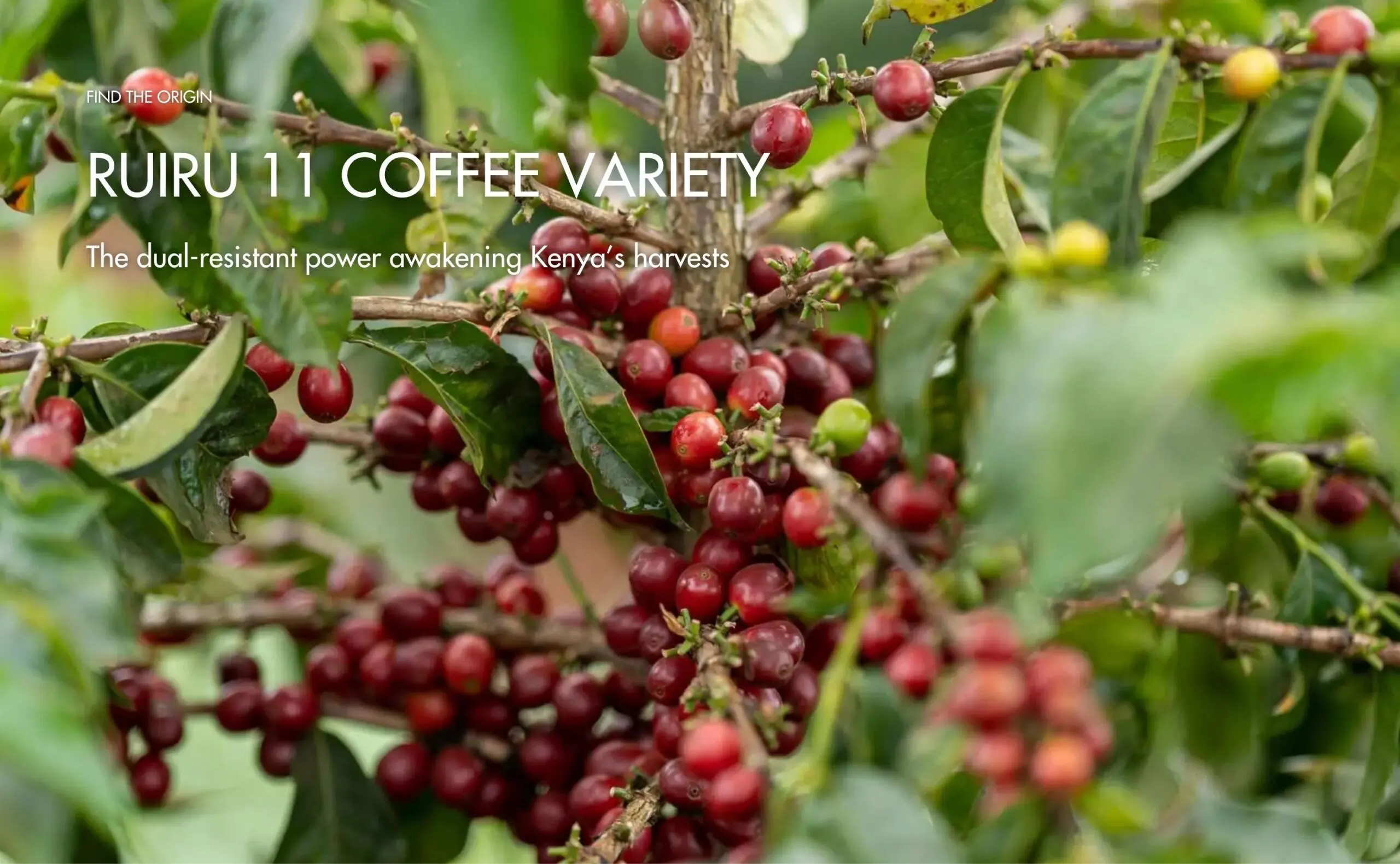
- Find the Origin
Ruiru 11 coffee variety – The dual-resistant power awakening Kenya’s harvests
Born from the ashes of a devastating pandemic, Ruiru 11 is a resilient response of indigenous wisdom to the trials of nature. Carrying a complex genetic code from 66 sibling isolines, this humbly statured coffee variety possesses superb “dual-resistance” against the twin shadows of Coffee Berry Disease and Coffee Leaf Rust. Overcoming early prejudices and the paradox of trade-offs between yield and flavor, Ruiru 11 has been weaving through nurseries, awakening dormant harvests across highland hillsides, and igniting a proud flame of self-reliance for Kenyan coffee.

- Taste the Origin
Sudan Rume #00313 by CGLE – The origin legend beneath the Eucalyptus canopy
From a wild coffee lineage discovered in the Rume Mountains in the 1940s to the enduring conservation efforts of Café Granja La Esperanza, Sudan Rume #00313 by CGLE invites drinkers on a sensory pilgrimage to the birthplace of the Arabica world. It is a rare biological legacy preserved through unwavering dedication, integrity, and deep reverence for history.
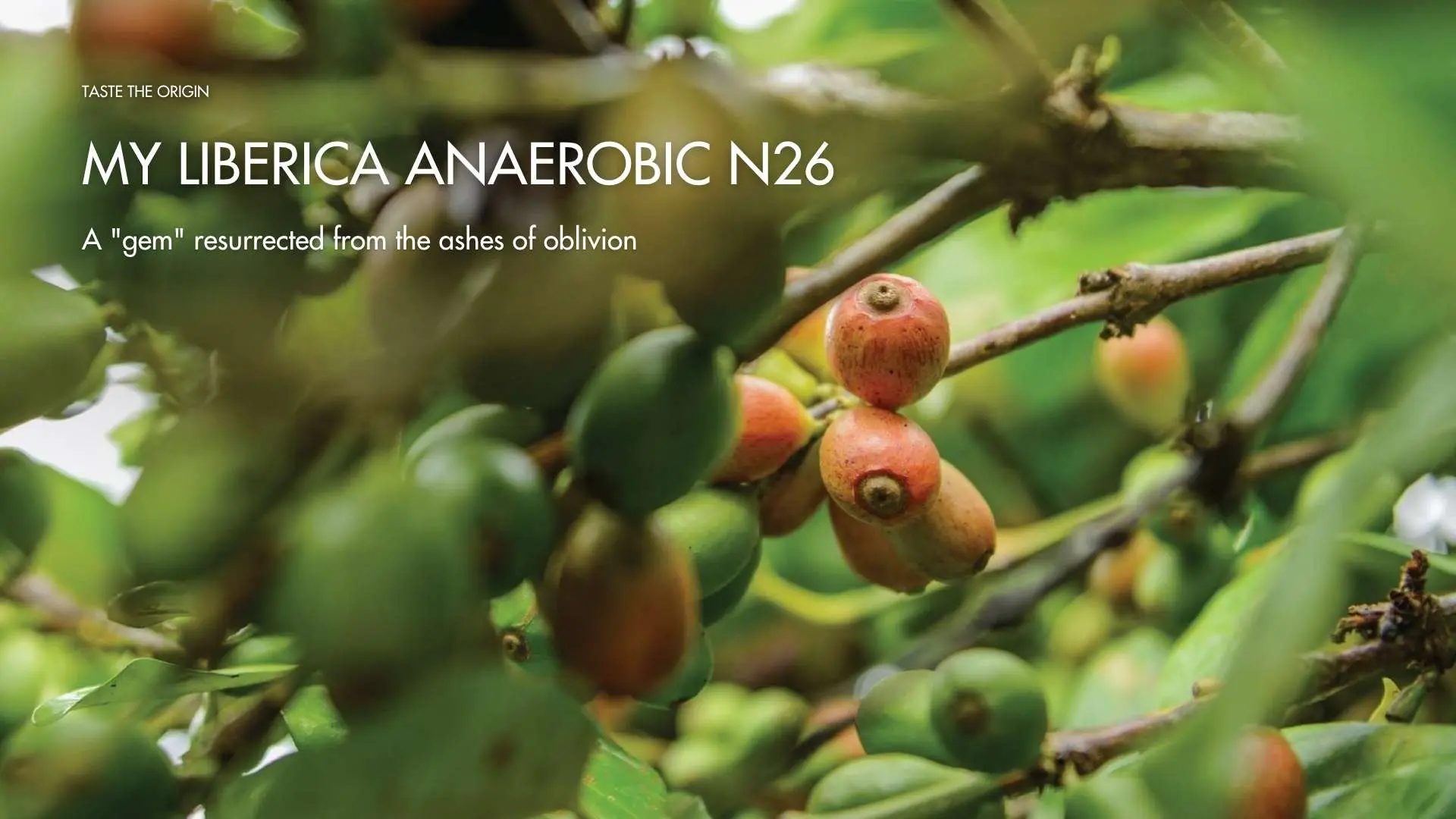
- Taste the Origin
My Liberica Anaerobic N26 – A “gem” resurrected from the ashes of oblivion
The journey of My Liberica Anaerobic N26 is the triumph of a forgotten species, awakened by the depth of understanding, patience, and faith in its original essence. From the heavy clay layers of Kulai to 26 days of transformation in absolute darkness, each step contributes to unlocking layers of flavor that the world once thought could not exist in Liberica. More than just a cup of coffee, My Liberica Anaerobic N26 is a powerful declaration that all great values begin with the courage to delve into their essence, and then rise to a unique voice that resonates throughout the world.


- Taste the Origin
Finca Soledad Mejorado Tyoxy & Fincas Putushio Mejorado – The red thread of the Jijón family
The simultaneous arrival of Finca Soledad Mejorado Tyoxy and Fincas Putushio Mejorado at XLIII Coffee paints a remarkable portrait of the adaptability of the Mejorado variety within Ecuador’s specialty coffee landscape. Nurtured by a shared family philosophy and a commitment to principled cultivation, these two processed lots represent both a breakthrough in microbial innovation and the remarkable return of an exceptional flavor profile.

- Taste the Origin
Finca La Palestina Gesha #5482 – A new chapter in the legend from Cajamarca
From the renowned Cajamarca region, Finca La Palestina Gesha #5482 returns after a period of absence with a proud and fresh appearance. Nurtured in ideal altitude conditions and the cool climate characteristic of the Andes, each coffee bean slowly accumulates subtle flavor nuances before being perfected using the Washed method to maximize the purity of the Gesha variety. Under a carefully refined extremely-light roast profile, this batch of coffee reveals layers of white jasmine, ripe citrus, and sweet golden apricot aromas, interwoven in an elegant and rich flavor structure.

Specialty Coffee in Vietnam
BRAND VALUE
YOU SHOULD HAVE KNOWN
XLIII Coffee has been aiming to become a big, impactful company with social responsibilities,
have access to high-quality raw materials and convey the complete original values of coffee to our customer
