
What is LD-PE 4? Understanding Eco-Friendly Coffee Packaging Materials
Each package made from LD-PE 4 material is a small step toward a more sustainable lifestyle. With its excellent preservation properties and lower environmental impact, this material is gradually becoming the new standard in the coffee industry, while also reflecting a shift in brand-building mindset.
I. What Does the “LD-PE 4” Symbol on Coffee Packaging Mean?
LD-PE 4 (Low-Density Polyethylene), also known as plastic number 4, is a type of polyethylene with low density. Thanks to its highly branched molecular structure, LDPE offers greater flexibility and better impact resistance compared to other types of polyethylene such as HDPE.

This type of plastic is produced through the free radical polymerization of ethylene under high pressure (approximately 1,000–3,000 bar) and high temperature (around 300°C). The result of this process is polymer chains with a characteristic branched structure, which contributes to the material’s flexibility and elasticity.
Physical Properties of LD-PE 4 Plastic
Behind the choice of LD-PE 4 lies a comprehensive set of technical values, from product protection to durability and safety. The following figures will help you better understand why XLIII Coffee trusts this material.
| Technical Parameters | LDPE Plastic |
|---|---|
| Density | 0.915 – 0.925 g/cm³ |
| Operating temperature | < 90°C |
| Melting temperature | > 110°C |
| Flexibility | Very flexible |
| Impact resistance | High |
| Shock resistance | Good |
| Chemical corrosion resistance | Good |
| Stress cracking resistance | Good |
| Water vapor resistance | Good |
Physical Characteristics of LD-PE 4 Plastic
To understand why LD-PE 4 is considered an ideal material in the coffee packaging industry, it is important to first examine its physical properties and technical features. With a combination of durability, flexibility, moisture resistance, and food safety, LD-PE 4 not only meets preservation requirements but also aligns with the sustainable development goals of many brands.
| Feature | Detailed Description |
|---|---|
| Color | Usually milky white or transparent, easy to print on, suitable for modern packaging designs. |
| Weight | Lighter than many other plastics, reducing transport costs and raw material consumption. |
| Flexibility | Can be bent and pressed without breaking, ideal for manufacturing and practical use. |
| Softness | Feels soft to the touch, creating a friendly and flexible user experience. |
| Moisture barrier | Effectively blocks moisture and water vapor—key to preserving coffee aroma and freshness. |
| Corrosion resistance | Less affected by common chemicals and climate conditions—extends shelf life. |
| Heat resistance | Safe for use below 90°C and melts above 110°C, suitable for most packaging environments. |
| Durability | Not easily torn or deformed, especially when combined with multilayer packaging materials. |
| Food safety | Approved by the FDA (USA) and international organizations for food safety, non-toxic. |
How to Identify LD-PE 4 Plastic
Currently, the market offers a wide variety of plastics, each with different purposes and properties, from durability and recyclability to health safety. Correctly identifying and classifying the type of plastic not only helps consumers choose suitable products but also supports more efficient recycling processes.
Among them, LD-PE 4 is a commonly used plastic, though not everyone knows how to recognize it. Below are two simple methods to help you determine whether a product is made from LD-PE 4, based on its identification symbol and physical characteristics.
- Based on the Identification Symbol on the Packaging
According to the Resin Identification Code (RIC) system, you can identify products made from LD-PE 4 by looking for the triangular recycling symbol with the number 4 in the center, as shown below.
This symbol is often accompanied by the text “LDPE” or sometimes “PE-LD” to specify the material name. You’ll commonly find this marking at the bottom of soft plastic bottles, flexible container lids, or on labels of cling films and plastic bags.

Resin Codes for Plastic Identification on the Market
- Based on the Physical Properties of the Product
Aside from the official symbol, LD-PE 4 can also be identified through basic physical inspection. This plastic is typically soft, flexible, slightly slippery to the touch, and squeezable, for example, ketchup or honey bottles.
Additionally, products like thin shopping bags, freezer bags, or food wrap films are often made from LDPE due to its translucent appearance and stretchability. However, for the most accurate identification, checking for the number 4 symbol on the packaging remains the most reliable method.
II. Why Is LD-PE 4 a Suitable Choice for Coffee Packaging?
In the journey of selecting the right packaging, LD-PE 4 is increasingly favored by many brands thanks to its impressive technical features, combined with its safety and sustainability.
Outstanding Product Protection
Coffee, especially roasted ground or whole bean varieties, is highly sensitive to environmental factors such as humidity, oxygen, light, and temperature. Without proper protection, coffee can lose its aroma, freshness, and quality within just a few weeks. LD-PE 4, often used in multilayer packaging structures alongside barrier materials or metallized films, provides exceptional protection:
- Oxygen and moisture barrier: When combined with EVOH (ethylene vinyl alcohol), LD-PE 4 creates an effective oxygen barrier, preventing oxidation that degrades coffee quality. Studies show that multilayer packaging with LD-PE 4 can reduce the oxygen transmission rate (OTR) to below 0.1 cm³/m²/day, much lower than standard paper or PET-based packaging.
- Light protection: The metallized layer or multilayer structure of LD-PE 4 helps block UV rays and visible light, preserving volatile compounds that define coffee’s signature aroma and flavor.
- Mechanical strength: LD-PE 4 has high tensile strength, excellent tear resistance, and can withstand pressure during transport, helping prevent punctures or tears that could damage the coffee.
Flexibility and Food Safety
LD-PE 4 stands out for its design flexibility and ability to meet strict food safety standards:
- Versatile design: LD-PE 4 can be easily molded into various packaging formats, such as stand-up pouches, flat bags, or pouches with degassing valves, suiting the diverse needs of the coffee market.
- Food-grade safety: LD-PE 4 is recognized as food-safe by international authorities such as the FDA (USA) and EFSA (EU). It does not release harmful substances when in contact with food, ensuring that coffee maintains its quality and is safe for consumers.


Sustainability and Recyclability
As consumers increasingly prioritize sustainability (with 66% willing to pay more for sustainable products, according to Nielsen 2023), LD-PE 4 offers notable environmental advantages over traditional plastics:
- Recyclability: LD-PE 4 is compatible with soft plastic recycling systems, especially when used in mono-material packaging designs.
- Bio-based integration: LD-PE 4 can be produced from renewable sources (bio-based LDPE) or combined with biodegradable layers such as PLA (polylactic acid), reducing dependence on fossil fuels.
Cost Efficiency and Logistics
Although LD-PE 4 may have a 10–30% higher production cost compared to conventional plastics like PET or PP, it offers multiple economic and logistical benefits:
- Lightweight: With low density, LD-PE 4 reduces packaging weight compared to glass or metal, lowering transportation costs and carbon emissions.
- Long-term cost optimization: Despite higher initial costs, LD-PE 4 enhances brand value, especially for premium customers willing to pay more for sustainable products. This can offset production costs through increased sales and customer loyalty.
LD-PE 4 is a fitting choice for coffee packaging thanks to its superior product protection, design versatility, food safety, sustainability, and recyclability. Although it comes with higher costs and depends on recycling infrastructure, LD-PE 4 delivers long-term value by elevating brand image and reducing environmental impact.
In a global coffee industry increasingly shifting toward green solutions, LD-PE 4 serves as a key bridge, paving the way for more sustainable packaging materials and models in the future.
III. LD-PE 4 and the Sustainability Trend in the Coffee Industry
As the coffee industry increasingly embraces sustainable development, LD-PE 4 emerges as a promising material thanks to its moisture resistance, flexibility, and ease of processing. However, to fully leverage its potential while maintaining environmental responsibility, businesses must integrate LD-PE 4 into a comprehensive, system-wide approach.

From promoting recycling and reuse, to developing bio-based alternatives to conventional LDPE, and ensuring transparency through sustainability certifications, each step plays a vital role in reducing plastic waste and reinforcing environmental accountability for coffee brands.
Recycling and Reuse
LD-PE 4 is recyclable, but effective recycling requires appropriate infrastructure for sorting and waste processing. In the coffee industry, LDPE is often used as an inner lining in multilayer packaging, which makes recycling more challenging due to the difficulty of separating materials.
To address this issue, many brands are shifting to mono-material LDPE packaging, which enhances real-world recyclability. Single-material packaging simplifies collection, sorting, and recycling at facilities, thereby reducing plastic waste leakage into the environment. Additionally, LDPE can be reused in certain circular economy models, such as being converted into garbage bags, irrigation tubes, or construction base layers.
Development of Bio-Based Plastics
Alongside mechanical recycling, another promising direction is the development of bio-based LDPE. Unlike traditional LDPE derived from fossil fuels, bio-based LDPE is synthesized from plant-based ethanol, typically sourced from sugarcane or corn. This shift can help reduce CO₂ emissions across the product lifecycle.
Although bio-based LDPE has the same physical properties as its petroleum-based counterpart, meaning it is compatible with existing packaging machinery, it is more eco-friendly in terms of raw material sourcing.
This is a particularly relevant trend for coffee brands targeting carbon neutrality or aiming to reduce their ecological footprint across the entire supply chain.
Sustainability Certifications
The use of LD-PE 4 in packaging is increasingly tied to sustainability certifications that enhance supply chain transparency and build consumer trust. Standards such as TÜV Austria OK Recyclable, RecyClass, and the Global Recycled Standard (GRS) serve as clear evidence of a material’s recyclability or recycled content.

While the growing use of LD-PE 4 packaging in the coffee industry presents significant opportunities, it also introduces challenges that brands must navigate.
|
Opportunites |
Green policies driving change: ESG commitments, export standards (e.g., EU Green Deal, CBAM) encourage F&B businesses to adopt eco-friendly packaging. |
|
Market growth: With rising demand for green consumption, LDPE 4 enables coffee brands to access environmentally conscious consumers willing to pay 10–20% more for sustainable products. |
|
|
Challenges |
Limited recycling infrastructure: Many regions lack systems to separately collect and recycle #4 plastics, reducing real-world recycling rates. |
|
Initial transition costs: Switching from conventional plastic to mono-material or recyclable LDPE 4 may incur design, machinery, or supplier-related costs. |
LD-PE 4 plays a critical role in the sustainability movement within the coffee industry thanks to its versatile applications, protective properties, and recyclability potential. However, the material’s true sustainability impact depends heavily on improvements in recycling infrastructure and technological innovation.
For brands like XLIII Coffee, LD-PE 4 is not just a packaging material, it’s a symbol of environmental commitment, transparency, and quality. Looking ahead, combining LD-PE 4 with bio-based materials and circular economy models could help establish a new standard in coffee packaging, balancing performance with responsibility to the planet.
IV. Sustainable Packaging Mindset at XLIII Coffee
At XLIII Coffee, the concept of sustainable packaging goes beyond merely protecting the quality of coffee, it serves as a declaration of environmental responsibility, transparency, and the core philosophy that the brand has upheld for the past seven years.
Each pack of XLIII Coffee’s Specialty coffee represents the culmination of a journey from farm to cup. The packaging is designed as the “final protective layer,” preserving the coffee’s sensory value while communicating a strong message of sustainability.

By choosing materials such as LD-PE 4, carbon-compensated packaging, and recycled paper boxes, XLIII Coffee consistently reinforces its philosophy: minimal yet effective, protecting product quality while minimizing environmental impact, and always prioritizing the customer experience.
First of all, at XLIII Coffee, the “Less is More” principle is not just a design trend, but a guiding philosophy in material selection, packaging format, and overall presentation. Packaging is intentionally simplified, removing unnecessary elements to reduce material usage, conserve resources, and minimize waste throughout the product’s lifecycle.
Secondly, the brand places equal emphasis on preserving product quality and minimizing waste. LD-PE 4 is chosen not only for its softness, light weight, and recyclability, but also for its moisture, gas, and aroma barrier properties. Maintaining product quality helps reduce spoilage rates, thereby minimizing waste along the supply chain.
Finally, Transparency and environmental responsibility are prioritized in every packaging decision. XLIII Coffee does not only select recyclable or recycled materials, it also communicates openly with consumers about the origin and lifecycle of the packaging. This reflects a long-term commitment: rather than avoiding environmental challenges, the brand actively contributes to solutions from design to post-consumer recycling.
Conclusion
LD-PE 4 marks a significant step forward in how the coffee industry approaches packaging, not just as a functional necessity but as a medium to express environmental consciousness. With its inherent advantages, this material is becoming a top choice for brands aiming for sustainable growth.
However, using LD-PE 4 effectively requires a long-term strategy and continuous commitment from businesses. It is a tool that, when integrated thoughtfully, can drive the coffee industry closer to responsible production models that adapt to future environmental challenges.
Images are owned and curated by XLIII Coffee.
V. Frequently Asked Questions
1. Does using LD-PE 4 increase packaging production costs compared to conventional plastics?
Yes, using LD-PE 4 can increase production costs compared to common plastics like PET or PP. However, this depends on various factors such as production processes, order volume, and supply sources. Despite the cost difference, many businesses accept this as a long-term investment in brand value and alignment with sustainability goals.
2. What should consumers do to properly dispose of LD-PE 4 packaging?
Consumers should separate LD-PE 4 packaging before disposal—avoid mixing it with organic waste or non-recyclable plastics. Rinse it lightly if needed and bring it to designated collection points such as supermarkets with recycling programs or local environmental organizations that support LDPE recovery.
3. If the goal is sustainability, why not use paper packaging instead of LD-PE 4?
Coffee packaging requires moisture resistance, aroma preservation, and long shelf life—capabilities that plain paper cannot provide without plastic coatings. LD-PE 4 offers a more practical solution under current technology by balancing protection and recyclability.
4. Is LD-PE 4 a long-term solution or just a transitional material replacing conventional plastics?
LD-PE 4 can be seen as a transitional material in the move away from traditional plastics, but it also has the potential to be a long-term solution—especially if advancements in recycling and sustainable production continue. Its future role depends on innovations in material science and recycling infrastructure.
5. Can a small detail like packaging material really impact the entire coffee value chain?
Yes. Packaging not only protects the product but directly affects flavor preservation, brand image, customer experience, and post-consumer recyclability. Choosing a material like LD-PE 4 helps maintain coffee quality during transport and storage while sending a strong message about environmental responsibility. When every link in the value chain—from producers to consumers—makes conscious choices, packaging can indeed become a catalyst for positive change.

Bài viết mới

- Taste the Origin
Nigussie Nare – Murago Outgrowers #03028: Cultivated from the Values of Sustainable Reciprocity
Nestled beneath the shade trees of Sidama, Bensa, the Nigussie Nare – Murago Outgrowers #03028 coffee lot serves as a living testament to the values of sustainable reciprocity. This symbiosis begins with the intimate bond between a rich indigenous ecosystem and the smallholder farmers of the Murago region. Each harvested bean is the culmination of a virtuous cycle: a stable environment produces exceptional bean quality, and sustainable economic growth, in turn, continues to protect the verdant canopy of the great forest.

- Taste the Origin
Rift Valley Coffee Caucus #03757 – A Testament to Western Kenya’s Collective Spirit
Turning our gaze to the Great Rift Valley of East Africa, the fertile volcanic landscapes are witnessing an inspiring transformation. Moving away from fierce, survival-driven competition, smallholder farmers in Western Kenya have chosen to join forces, forging a resilient and unified network. The Rift Valley Coffee Caucus #03757 lot stands as the ultimate testament to this remarkable collective synergy.

- Breaking News
Airworks Coffee & XLIII Coffee – A “handshake” that brings original flavors across borders
XLIII Coffee, alongside our key wholesale partner Airworks Coffee, officially announces the latest release of specialty coffee lots for the North American market. This event reaffirms our commitment to bringing original flavors across all geographical barriers to coffee enthusiasts.
Early access (for Subscribers of Airworks): 10:00 AM (PST) | Wednesday, April 29, 2026
General access: 10:00 AM (PST) | Friday, May 1, 2026
We invite our Customers and Partners to visit (airworkscoffee.com) for detailed information and to prepare for this special release!
- Taste the Origin
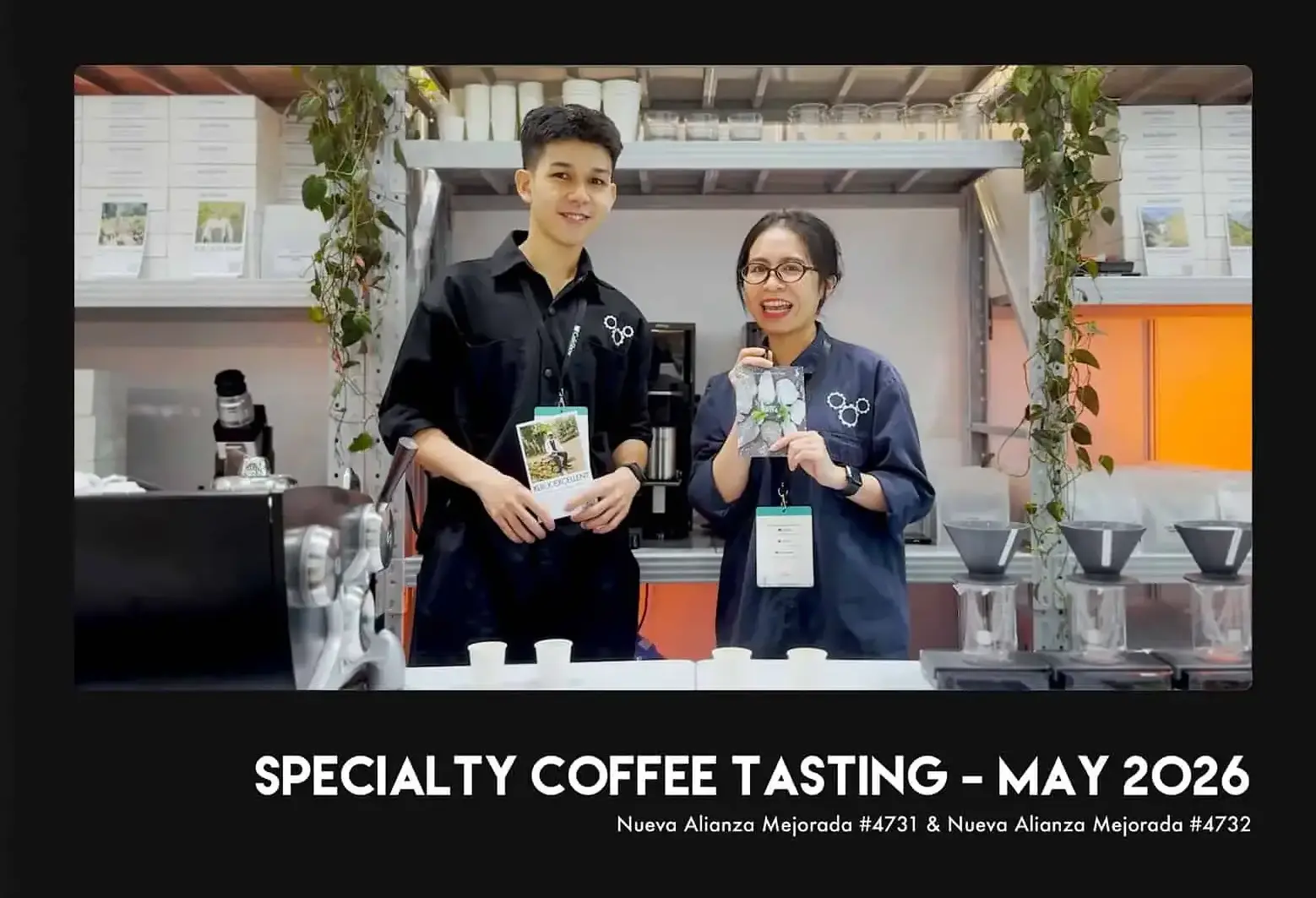
Unveiling May Discovery Subscription: Nueva Alianza Mejorada #4731 & Nueva Alianza Mejorada #4732
The Discovery Subscription is a silent dialogue, a place where the soul of the connoisseur finds a harmonious beat with distant lands. Like a transparent lens, we become storytellers, meticulously peeling back layers of cultural sediment, the breath of the soil, and the human philosophies hidden within every coffee bean.
May arrives with brilliant streaks of golden sunlight, a time when we long to hide beneath the lush, dew-drenched canopies of Santa Teresa. Amidst the silence of the Andes, when compassion touches Mother Earth, what will we hear? Perhaps it is a sweet response that nature reserves solely for souls who know how to wait patiently.

- Taste the Origin
Nueva Alianza Pacamara #4733 – The essence of Cusco with elegant jasmine notes
Nueva Alianza Pacamara #4733 is a testament to the miraculous terroir and dedicated cultivation of the renowned Cusco region. The combination of the characteristic Pacamara bean size and ideal altitude has forged a flavor profile of immense sophistication and depth. From the very first moment, this lot captivates with its elegant jasmine notes, radiating a gentle, pure fragrance akin to a flower blooming in the morning dew.

- Taste the Origin
Nueva Alianza Orange Gesha #4737 – An expedition of recessive genetic traits into the sensory realm
In a world of authenticity, Nueva Alianza Orange Gesha #4737 represents the proud emergence of rare biological traits often obscured by nature’s universality. Carrying a recessive genetic code, Lot #4737 embarks on an “expedition” into the connoisseur’s mind, where record-breaking fructose concentrations are released to perfectly fill every sensory gap with absolute smoothness and purity.
Through washed processing and extremely-light roasting, vibrant citrus nuances and ethereal floral notes, once hidden deep within the genetic structure, now manifest with power, transforming the tasting experience into a journey of ontological completion, where the rarity of recessive genes finally reigns supreme in flavor.

Specialty Coffee in Vietnam
BRAND VALUE
YOU SHOULD HAVE KNOWN
XLIII Coffee has been aiming to become a big, impactful company with social responsibilities,
have access to high-quality raw materials and convey the complete original values of coffee to our customer
