
Red Bourbon coffee variety: The sweet variant of the Bourbon family
Red Bourbon is the “older sibling” of the Bourbon coffee family, known for its smoothness and sophistication in every cup. Let’s explore its distinctive characteristics and why its sweetness might be more intense and balanced compared to other Bourbon variants.
I. Origins of the Red Bourbon Variety
Red Bourbon is a variation of the Bourbon coffee variety, which is one of the subtypes of Coffea arabica. Bourbon originated in Yemen and was brought by the French to Réunion Island (formerly Île Bourbon) in the 18th century. From there, Bourbon was developed and expanded to other regions, such as Africa and Latin America.

Red Bourbon is a variation of the Bourbon coffee variety, which is one of the subtypes of Coffea arabica
II. Characteristics of Red Bourbon Coffee
Red Bourbon coffee is known for its remarkable biological characteristics, which are valuable both agriculturally and commercially, keeping it among the most popular coffee varieties. The Red Bourbon plant has a dense structure, with secondary branches growing closely together, thick stems, and branches, allowing the plant to grow well. Its leaves are broad, with uneven textures and wavy edges, offering a unique appearance compared to other common coffee varieties. The coffee cherries are small, ripening to red, pink, or yellow, depending on the variety and growing environment. Although its yield is moderate, the quality of the cup is very high.
Red Bourbon is prized not only for its improved yield but also for its excellent cup quality. The beans thrive at high altitudes, ranging from 1,100 to 2,000 meters, where the coffee cherries ripen slowly, allowing for the development of complex flavors. Notably, Red Bourbon has good disease resistance, which contributes to stable yields over time. These factors make it a top choice in many renowned coffee-growing regions, such as El Salvador, where the yield can range from 690 to 1,840 kg per manzana.

Red Bourbon coffee has outstanding biological characteristics, agricultural and commercial value, helping it always be on the list of the most popular coffee varieties
III. Red Bourbon’s High, Rich Sweetness
The final flavor of each coffee depends on many factors such as geography, roast level, and processing methods. However, Red Bourbon beans typically have a high glucose content, creating a smooth, rich, sweet cup with a pronounced sweetness and flavors reminiscent of juicy red fruits. Its flavor profile is clear and easy to distinguish, with layers of sharp, standout notes such as nougat, chocolate, and butter. Therefore, if you catch hints of robust flavors like nougat or caramel, it’s likely to be Red Bourbon.
Many producers also note that Red Bourbon has a very balanced profile, with a smooth body. This variety is often celebrated in both national and international coffee competitions and tastings.

Red Bourbon coffee is typically high in glucose, resulting in a smooth, rich and sweet cup of coffee, with a rich sweetness and flavor reminiscent of juicy red fruits
IV. Where Does Red Bourbon Grow Best?
As part of the Bourbon family, Red Bourbon thrives in high-altitude regions with nitrogen-rich volcanic soil and a temperate climate with distinct wet and dry seasons. It also requires moderate rainfall, between 60-100 inches (150-200 cm), and fertile, well-drained soil in a shaded environment.
Several countries around the world are known for their high-quality Red Bourbon coffee, with El Salvador particularly standing out for its exceptional products for espresso. The volcanic soil and suitable climate here allow Red Bourbon to shine with its deep sweetness, rich aroma, and perfect body.
In Colombia and Peru, Red Bourbon is also gaining attention for its adaptability to altitudes ranging from 1,070 to 1,980 meters, where the specific climatic and soil conditions create complex flavors and unique aromas. The practice of growing the coffee under shade allows the cherries to ripen slowly, concentrating the sweet flavors and balancing the acidity. Other regions such as Honduras, Guatemala, and Hawaii, with fertile volcanic soil and adequate rainfall, also produce high-quality Red Bourbon, further cementing this variety’s status as a global specialty coffee icon.

Many countries grow quality Red Bourbon including Colombia, Peru, El Salvador, Honduras, Guatemala,…
Conclusion
Thanks to its disease resistance and high potential for quality, Red Bourbon is widely cultivated in many farms worldwide. Its approachable flavor profile, with impressive sweetness, makes it a crowd-pleaser, offering an exciting specialty coffee experience for all coffee lovers.
If you’re keen to explore new coffee experiences, visit XLIII Coffee and enjoy some of the exceptional Red Bourbon Specialty lots!
V. FAQs
1. What makes Red Bourbon special compared to other coffee varieties like Typica or Caturra?
Red Bourbon stands out with its natural sweetness, fresh fruity aroma, and smooth cup structure. Compared to Typica and Caturra, Red Bourbon yields slightly higher but requires more meticulous cultivation conditions.
2. Why are Red Bourbon coffee beans famous for their natural sweetness and fruity aroma?
Red Bourbon contains high levels of glucose and fructose, which result in a smooth, rich cup with notes of red fruit and creamy undertones. This is especially pronounced when grown at the right altitude and climate.
3. What environmental factors and cultivation methods impact the quality of Red Bourbon?
Red Bourbon’s quality is greatly influenced by altitude (from 1,100 to 2,000 meters), fertile soil, temperate climate, and moderate rainfall. The coffee must also be grown in shaded areas to allow slow ripening, which enhances its flavor.
4. How can the flavor of Red Bourbon differ from regions like East Africa and South America?
The flavor profile of Red Bourbon can vary depending on the region. In East Africa, it might showcase a fresh, red fruit flavor, while in South America, especially in El Salvador, it tends to have richer, sweeter notes of chocolate and caramel.
5. Is Red Bourbon suitable for brewing methods like espresso or pour-over?
Red Bourbon is excellent for both espresso and pour-over. With its smooth, sweet flavor profile, this coffee provides an amazing drinking experience, especially when roasted to highlight its best qualities.

Bài viết mới

- Taste the Origin
Finca La Palestina Red Bourbon #5487 – A blossoming legacy in the highlands of Cajamarca
Amidst the ethereal clouds of Cajamarca, where the deep forest, Mother Earth, and time harmonize, Finca La Palestina Red Bourbon #5487 is born as a proud epic of heritage. It bears witness to the story of three generations of the Alarcón Coronel family, to their respect for nature, and to their Cup of Excellence achievements. Each layer of fragrance is a journey for all the senses, leading the connoisseur into subtle and captivating depths.

- Breaking News
Royal Botanic Gardens, Kew announces new hybrid coffee named Libex
As the global coffee industry faces unprecedented challenges from climate change, the Royal Botanic Gardens, Kew (UK) has brought a ray of hope by formally announcing a natural hybrid coffee named Libex. Identified after intensive genetic research across three continents, Libex represents a perfect intersection between the resilient heat tolerance of Liberica and the robust agronomic vigor of Excelsa.

- Find the Origin
Mejorado Coffee Variety – The Perfect Blend of Bourbon & SLN Hybrid Lineage
Originating from the windswept hillsides of the South American highlands, the Mejorado coffee variety tells the story of a genetic masterpiece that is redefining the boundaries of the contemporary Specialty Coffee world. Behind a easily misunderstood name lies a completely distinct alter ego, where the sweet heritage of the Bourbon variety intertwines with the resilient vitality of the SLN hybrid lineage. Thanks to a profound slow-ripening process in the chill of extreme altitudes, this seed nurtures a magnificent flavor profile with ethereal floral and fruit notes, stepping onto the altars of global competitions to assert its status as a future icon, ready to stir the most discerning senses.
- Taste the Origin
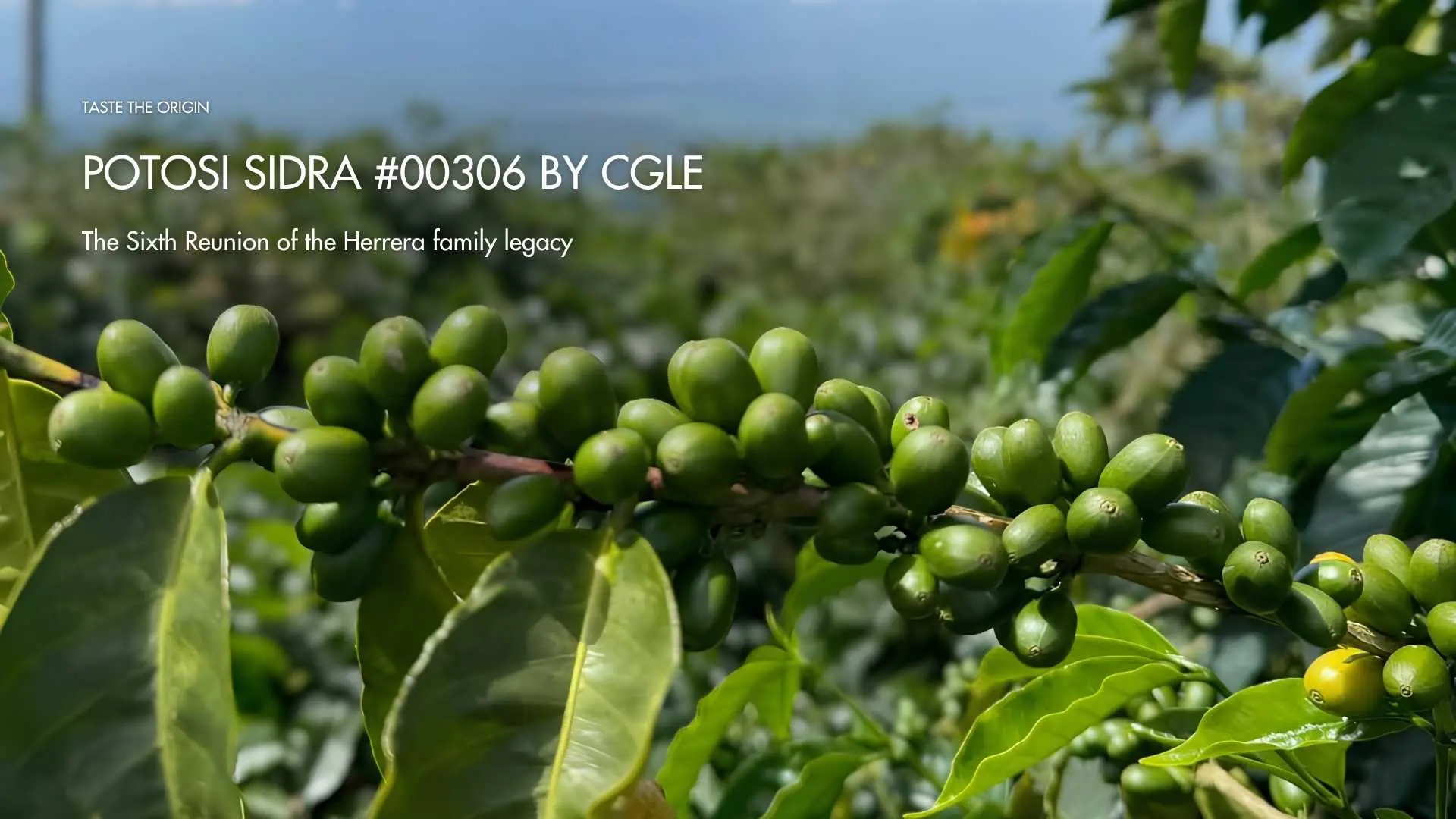
Potosi Sidra #00306 – The sixth reunion of the Herrera family legacy
The sixth harvest marks the return of Potosi Sidra #00306 by CGLE, carrying the presence of a family patriarch entrusted with more than eighty years of heritage from the Herrera family. Cultivated in the founding valley of Potosi since 1945 in Caicedonia, this genetic treasure born from the union of Bourbon and Typica presents a remarkably evolved sensory profile. Through its Extremely Light Roast philosophy and the financial transparency of the Paid for Producer model, XLIII Coffee chooses to preserve the authentic voice of terroir and the coffee’s original flavor structure.
- Taste the Origin
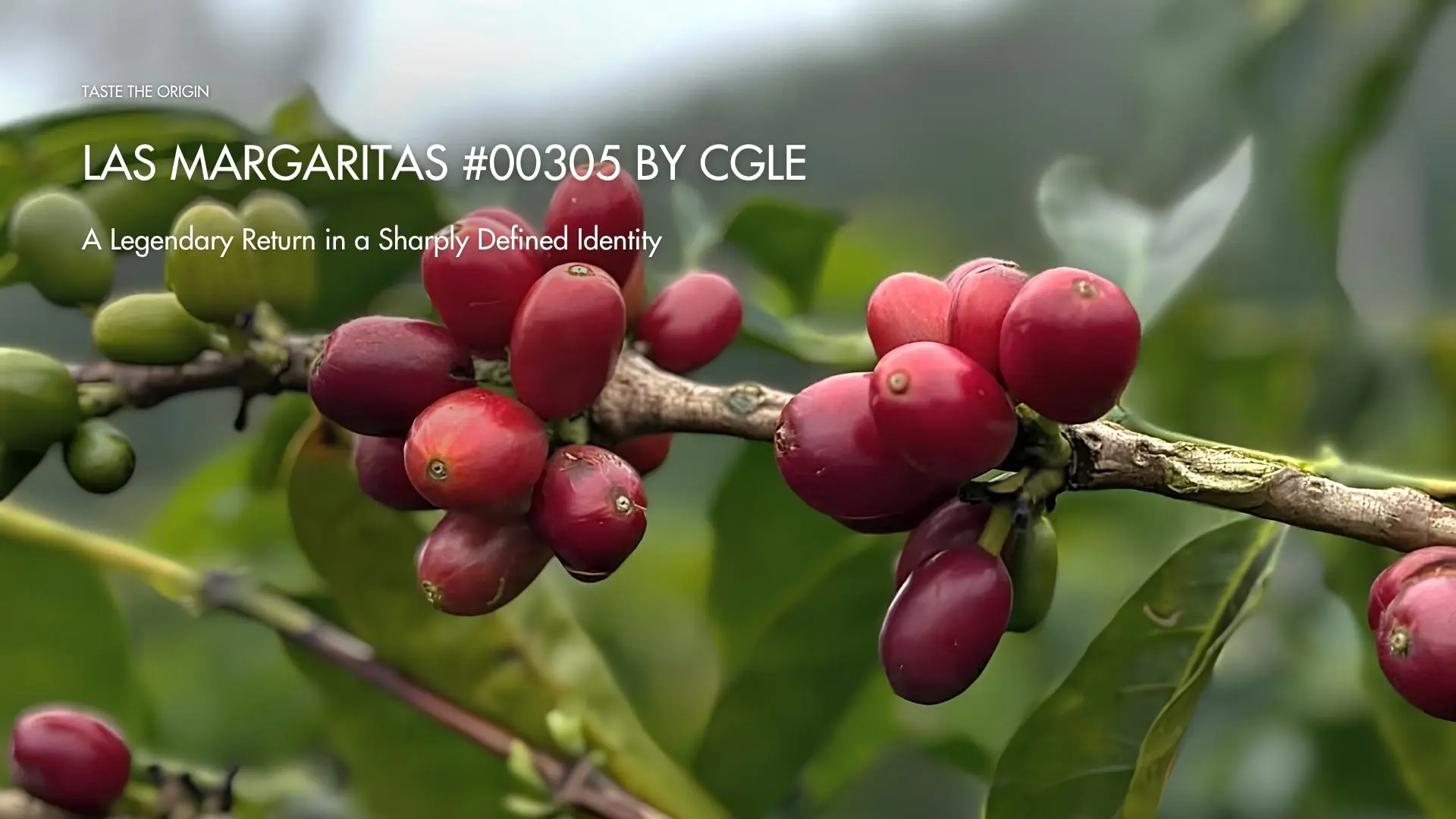
Las Margaritas #00305 by CGLE – A Legend Reunited in a Sharper Identity
Las Margaritas #00305 by CGLE returns to XLIII Coffee as a Gesha masterpiece reborn from the renowned Valle del Cauca region. Infused with the exquisite craftsmanship of Café Granja La Esperanza, this rare batch of coffee embarks on an enchanting flavor journey with vibrant citrus notes, delicate jasmine, and an elegant, lingering Earl Grey finish. Each drop is a crystallization of fertile volcanic soil and the sustainable farming philosophy that CGLE has persistently pursued for decades, creating a full-bodied, sharp flavor profile while retaining the pristine beauty characteristic of the royal Gesha variety.

- Taste the Origin
Finca Rosenheim Typica & Caturra – The Crossroads of Cultural Currents
Across the tides of world history, Finca Rosenheim Typica & Caturra emerges as a living testament hidden within the vast wilderness of Villa Rica. Here, the ancient lineage of the legendary Typica variety converges with the purity of the Washed process and the artistry of shade grown cultivation, weaving together delicate layers of Milk Chocolate, Nougat, and Purple Floral. Together, they create a profound resonance between resilient European heritage and the soul of the native Andes.

Specialty Coffee in Vietnam
BRAND VALUE
YOU SHOULD HAVE KNOWN
XLIII Coffee has been aiming to become a big, impactful company with social responsibilities,
have access to high-quality raw materials and convey the complete original values of coffee to our customer
