
The light roasting method: Preserving the true flavor of Specialty coffee
Each roasting technique, with its specific temperature settings, triggers various chemical reactions that enhance the dynamic flavors of specialty coffee. Light roasting, characterized by lower temperatures and shorter roasting times, effectively preserves the inherent qualities of specialty coffee beans.
Table of Contents
- Light roasting leaves a subtle imprint on Specialty coffee beans
- What does light roasting offer to Specialty coffee?
- How light roasting transforms the flavor and acidity of Specialty coffee
- Differences between light, medium, and dark roasting methods
- XLIII Coffee's ultra-light roasting method: A new horizon for Specialty coffee beans
- Related questions
Light roasting leaves a subtle imprint on Specialty coffee beans
Roasting coffee involves altering the structure and color of the beans using heat. This process transforms raw coffee beans into grindable and brewable coffee. There are three basic roasting levels: light, medium, and dark.
Key milestones in light roasting
Light roasting (light roast) employs the shortest roasting time and a temperature range of 356°F to 401°F (180°C to 205°C). Roasters must lower the heat at least a minute before the first crack, a cracking sound that indicates the beans’ initial expansion at around 196°C. At this point, much of the beans’ moisture has evaporated, causing them to increase in size.

During the roasting process, coffee beans change color from green to yellow, then to brown or nearly black
Three stages of the light roasting process
During roasting, coffee beans undergo three distinct stages that shape their unique flavor profile.
Drying stage
Initially, coffee beans, with a moisture content of 8-12%, need to be dried to prepare for the subsequent steps. In traditional roasters, this phase typically takes 4-8 minutes, with temperatures reaching 140°C to 160°C by the end of the stage. The beans absorb the necessary heat to develop their flavors in the next phase.
Intermediate stage
This transitional stage occurs as drying continues. Natural sugars in the beans react chemically while water vapor is released, causing the beans to expand and change color, thanks to the Maillard reaction. At 171°C, caramelization begins, slowing the Maillard reaction and introducing flavors reminiscent of fruits or nuts. The sweetness of the beans diminishes, accentuating their bitterness.
Development stage
Starting with the first crack, the roasting process shifts from endothermic (heat-absorbing) to exothermic (heat-releasing). The roasting chamber reaches up to 195°C, and the exothermic reaction increases the internal pressure of the beans, making the cracks more pronounced and intensifying the aroma compounds. Over-roasting can lead to carbonization of organic compounds, resulting in a bitter and harsh flavor.

Each stage of roasting affects the coffee beans differently
What does light roasting offer to Specialty coffee?
Many roasters prefer the light roasting level for high-quality specialty coffee batches. This method serves as a beacon for those seeking a vibrant, deep coffee experience.
Characteristics of light roasting
Light roasting can be identified by several key indicators:
– Temperature: This method uses the lowest temperature range, between 180°C and 205°C.
– Time: The light roasting process is brief, ending just after the first crack.
– Appearance of Coffee Beans: The beans have a light brown color, with a dry surface free of oil.
– Coffee Texture: The coffee has a pronounced acidity, featuring bright, nuanced flavors reminiscent of flowers and fruits.
Light roasting does not trigger many chemical reactions that alter the coffee beans’ aromatic compounds
Benefits for Specialty coffee beans
Preserving origin characteristics
First and foremost, light roasting allows specialty coffee to showcase and clarify its unique flavor characteristics. The terroir of the coffee-growing region, including soil, climate, and altitude, contributes to the distinctive notes of the coffee beans. Skilled roasters understand and control the balance in the roasting process to develop flavors without overshadowing or altering them.
With light roasting, coffee beans are not exposed to high temperatures for long periods, preventing excessive caramelization or carbonization reactions. This preservation of natural aromatic compounds maintains the initial acidity and sugar levels, resulting in a bright, complex profile. The clear acidity and dry, oil-free beans enable specialty coffee to express its true essence confidently.
Health benefits
Beyond the rich flavor experience, light roasted specialty coffee is also a healthier choice. Studies have shown that light roasted coffee contains higher levels of antioxidants and beneficial compounds. These can boost immunity and reduce the risk of certain health conditions for consumers.

The sweetness and color of the final coffee cup are largely influenced by the roasting process
How light roasting transforms the flavor and acidity of Specialty coffee
Under the influence of heat, the roasting process facilitates chemical reactions that alter the compounds in coffee beans, directly impacting their acidity and flavor.
Highlighted and lively acidity in Specialty coffee
Understanding coffee acidity
Acidity, or acid content, is a key component of coffee flavor. In coffee, acidity is a desirable trait that partially indicates the quality of the beans. This term refers not to specific acid levels or pH but to the presence of certain acids that influence the overall flavor profile.
Acidity in coffee is an abstract concept, often described as reminiscent of lemon or orange. This means it has a sharpness similar to these fruits, rather than tasting like the fruits themselves.
High acidity in light roasted Specialty coffee
Light roasting, with its gentle approach, preserves many of the natural acidic compounds inherent to the coffee beans’ origin. This results in coffee with a bright, fragrant acidity, often described with notes of citrus such as orange or lemon.
During roasting, most acids reduce in concentration, and some decompose into new acids. For instance, chlorogenic acid can break down into quinic and caffeic acids at certain temperatures, which can introduce undesirable bitterness. Over-roasting can mask the bean’s inherent qualities, while under-roasting can make the coffee too acidic or grassy. Thus, roasters aim for a perfect balance to highlight the acidity without making it excessively sour or bitter.

The Maillard reaction in light roasting is limited, preserving most of the original flavor notes without significant changes
Distinct fruit-like aromas
Each roasting stage plays a crucial role in shaping the flavor. Light roasting gradually reveals the distinct aroma notes in specialty coffee through various mechanisms:
Unleashing complex flavors
During roasting, chemical reactions alter the coffee bean’s structure. The Maillard reaction, for example, involves interactions between sugars and amino acids, creating aromatic compounds that make each cup a sensory adventure. In light roasting, the Maillard reaction is more limited, so most of the original flavor notes are preserved without significant alteration.
Developing aromatic compounds
The roasting process releases volatile compounds responsible for coffee’s aroma. With light roasting, the gentle heat and short duration result in pleasant, bright aromas like floral, tea-like, or fruity scents.
Balancing sweetness and bitterness
Light roasting concludes just after the first crack, before significant caramelization occurs. Thus, the coffee does not develop additional bitterness and retains a natural sweetness, reflecting the nutrients from the soil where it was grown. This is why light roasted coffee often has a fresh, subtle sweetness that elegantly graces the palate.

The light roasting method serves as a guide for those seeking a vibrant and deeply nuanced coffee experience
Differences between light, medium, and dark roasting methods
While all roasting methods use heat to transform the structure and flavor of coffee beans, each method has its own specific parameters, resulting in different characteristics for specialty coffee.
Criteria for Comparison
|
Criteria |
Light Roast |
Medium Roast |
|
|
Temperature |
180°C – 205°C (356°F – 401°F). Beans are removed after the first crack. Roasters must lower the oven temperature at least 1 minute before the first crack. |
210°C (410°F) to 220°C (428°F) or up to 225°C (437°F) or 230°C (446°F) for medium-dark roast. |
Around 240°C (464°F). Removed after the second crack. |
|
Flavor |
Retains original characteristics of the coffee beans. Flavors include floral, fruity, leaning towards sour and sweet with no bitterness. |
Sugars start to caramelize, beans turn light brown. Flavors change, adding sweetness and slight bitterness. Tastes like ripe fruit or chocolate. |
Sugars are carbonized, giving a smoky flavor. Significant caffeine degradation. |
|
Texture |
Firm and solid. |
Softer than light roast coffee. |
Light and airy texture. |
|
Highest acidity of the three roast levels. |
Reduced acidity. |
Lowest acidity among the roast levels. |
|
|
Oil Residue |
Dry surface, no oil. |
Slightly glossy surface due to a small amount of oil. |
Oily surface with significant oil residue. |
|
Color |
Light brown. |
Medium brown. |
Dark brown to black. |
|
Storage |
Best consumed within one month of roasting, after which flavor diminishes. |
Can be stored for up to a year. |
High oil content leads to quick rancidity. Maximum storage time is one month after roasting. |
XLIII Coffee's ultra-light roasting method: A new horizon for Specialty coffee beans
XLIII Coffee has carved its own path by adopting an ultra-light roasting method that goes beyond the conventional light, medium, and dark roasting levels. This innovative approach uses even lower temperatures than traditional light roasting.
About the ultra-light roasting method
The ultra-light roast employs a temperature range of 189-194°C, adjusted according to the bean structure to maximize the preservation of the beans’ intrinsic flavors. When the beans reach the first crack, the roaster carefully times the release, typically within one minute from the development point until the beans are ejected and cooled. The entire roasting process lasts 8-9 minutes with minimal intervention from the roaster.
Unique flavor profile with ultra-light roasting
By maintaining a temperature near 194°C, the beans are roasted just enough without triggering excessive chemical reactions. This optimal preservation of bean structure ensures that all distinctive characteristics of the coffee are clearly revealed, preventing any confusion with other beans.
This method shines with flawless, high-quality coffee batches, highlighting their exceptional flavor notes. Conversely, it can magnify defects in subpar beans, diminishing their appeal. The ultra-light roast is designed for XLIII Coffee’s premium specialty beans, especially high-scoring Arabica varieties, eager to showcase their origins.

XLIII Coffee has chosen the ultra-light roasting method, a unique approach beyond the common light, medium, and dark roasting levels
Promising future for the ultra-light roasting method
Producers are increasingly recognizing the importance of coffee quality. Investments are being made in infrastructure and equipment to enhance the flavor profiles of coffee. New farming models and pest control methods are continually adjusted to produce distinctive specialty coffee batches. Successful crossbreeding of high-yield, resilient coffee varieties has also expanded the options for suppliers.
With high-quality beans as a foundation, the ultra-light roasting method’s importance is amplified. Rather than relying on industrial aromas produced by chemical reactions during roasting, roasters prefer methods that highlight each batch’s unique qualities. However, achieving the best flavor results requires experienced roasters with extensive knowledge to adjust timing and control other factors. Without proper technique, specialty beans might fail to develop their full flavor potential or might taste grassy.

The ultra-light roasting method is increasingly important for fully preserving the flavor and quality of specialty coffee beans
Conclusion
The ultra-light roasting method enables specialty coffee beans to express their unique qualities, creating a harmonious and elegant profile with subtle fruit and floral notes that rejuvenate the drinker. Driven by a passion for preserving the essence of origin, XLIII Coffee has refined the temperature and timing to perfect the ultra-light roast for their premium Arabica beans. After the first crack, the specialty coffee’s flavors explode like a vibrant fireworks display, captivating coffee enthusiasts everywhere.
Related questions
Question 1: What are the basic roasting methods?
Currently, the basic roasting methods include:
– Light Roast: This method uses temperatures ranging from 180°C to 205°C (356°F to 401°F).
– Medium Roast: Medium roast is divided into two types: medium roast (210°C to 220°C / 410°F to 428°F) and dark medium roast (225°C to 230°C / 437°F to 446°F).
– Dark Roast: This level appears after the second crack with temperatures around 240°C (464°F).
Question 2: What are the advantages of the light roasting method?
The light roasting method helps coffee beans retain their distinctive characteristics, allowing them to develop uniquely and stand out in the diverse coffee market. Light roasted coffee flavors are reminiscent of fruits, stimulating the taste buds. The clear acidity adds depth and liveliness to the coffee.
Question 3: What type of coffee is suitable for the light roasting method?
The light roasting method is ideal for high-quality coffee with few defects and complex flavor layers, such as specialty coffee. It emphasizes the inherent features of the beans.
Question 4: How does the ultra-light roasting method differ from the light roasting method?
Both methods end shortly after the first crack, but the ultra-light roasting method uses lower temperatures (typically 189°C to 194°C). Additionally, the roaster must precisely time the release of the beans after the first crack.
Question 5: Why does XLIII Coffee choose the ultra-light roasting method?
The ultra-light roasting method aligns with XLIII Coffee’s goal of preserving the original flavors of the coffee beans. This method involves minimal physical and chemical changes, allowing the beans to fully express their inherent qualities without significant alteration.

Bài viết mới

- Find the Origin
Mandela coffee variety – A convergence of generations from a masterpiece breeding strategy
Amidst the constant fluctuations of the era, Mandela emerges as a gentle yet resilient response from the soil. Instead of attempting to alter or impose upon nature, this breeding strategy is, in essence, a profound act of listening. Each Mandela coffee bean carries the bloodline of multiple generations, possessing both the serene, steadfast nature of native trees and the sparkling elegance of premium varieties. It is a sacred continuation, where the flow of generations ultimate honors the original value of the species, imparting an intact and sustainable vitality into every cup.


- Taste the Origin
Nigussie Nare – Murago Outgrowers #03028: Cultivated from the Values of Sustainable Reciprocity
Nestled beneath the shade trees of Sidama, Bensa, the Nigussie Nare – Murago Outgrowers #03028 coffee lot serves as a living testament to the values of sustainable reciprocity. This symbiosis begins with the intimate bond between a rich indigenous ecosystem and the smallholder farmers of the Murago region. Each harvested bean is the culmination of a virtuous cycle: a stable environment produces exceptional bean quality, and sustainable economic growth, in turn, continues to protect the verdant canopy of the great forest.

- Taste the Origin
Rift Valley Coffee Caucus #03757 – A Testament to Western Kenya’s Collective Spirit
Turning our gaze to the Great Rift Valley of East Africa, the fertile volcanic landscapes are witnessing an inspiring transformation. Moving away from fierce, survival-driven competition, smallholder farmers in Western Kenya have chosen to join forces, forging a resilient and unified network. The Rift Valley Coffee Caucus #03757 lot stands as the ultimate testament to this remarkable collective synergy.

- Breaking News
Airworks Coffee & XLIII Coffee – A “handshake” that brings original flavors across borders
XLIII Coffee, alongside our key wholesale partner Airworks Coffee, officially announces the latest release of specialty coffee lots for the North American market. This event reaffirms our commitment to bringing original flavors across all geographical barriers to coffee enthusiasts.
Early access (for Subscribers of Airworks): 10:00 AM (PST) | Wednesday, April 29, 2026
General access: 10:00 AM (PST) | Friday, May 1, 2026
We invite our Customers and Partners to visit (airworkscoffee.com) for detailed information and to prepare for this special release!
- Taste the Origin
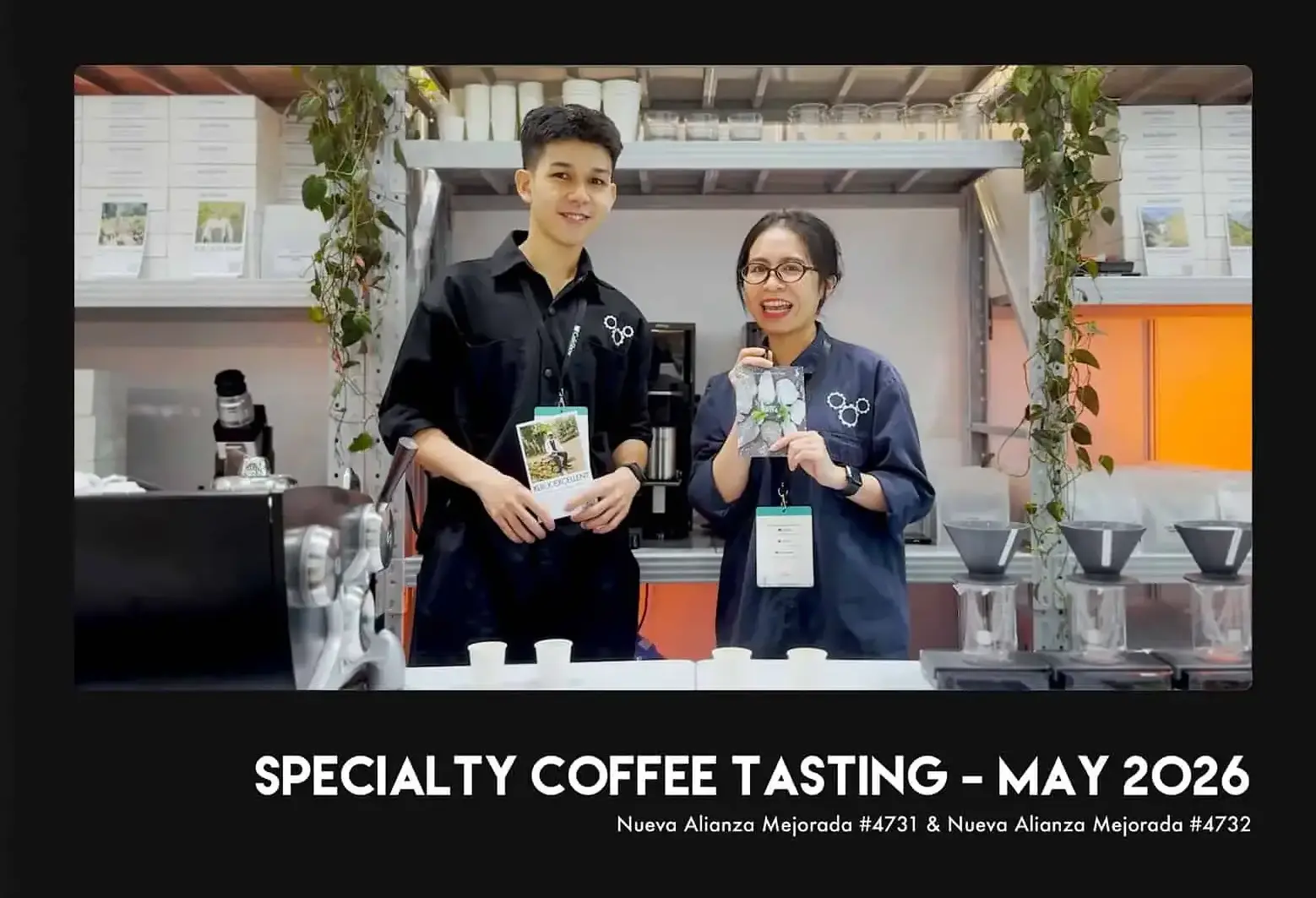
Unveiling May Discovery Subscription: Nueva Alianza Mejorada #4731 & Nueva Alianza Mejorada #4732
The Discovery Subscription is a silent dialogue, a place where the soul of the connoisseur finds a harmonious beat with distant lands. Like a transparent lens, we become storytellers, meticulously peeling back layers of cultural sediment, the breath of the soil, and the human philosophies hidden within every coffee bean.
May arrives with brilliant streaks of golden sunlight, a time when we long to hide beneath the lush, dew-drenched canopies of Santa Teresa. Amidst the silence of the Andes, when compassion touches Mother Earth, what will we hear? Perhaps it is a sweet response that nature reserves solely for souls who know how to wait patiently.

Specialty Coffee in Vietnam
BRAND VALUE
YOU SHOULD HAVE KNOWN
XLIII Coffee has been aiming to become a big, impactful company with social responsibilities,
have access to high-quality raw materials and convey the complete original values of coffee to our customer
