
How to brew Specialty Coffee with a Chemex?
Brewing specialty coffee with a Chemex is one of the best pour-over methods to enjoy the light, delicate flavors of quality coffee beans. This guide will walk you through every step, from preparing ingredients and tools to the brewing process, ensuring you get a clean, bright, and refined cup of coffee.
I. What is the Chemex Brewing Principle?
The Chemex brewing method is based on slow extraction through steeping and filtering, optimizing coffee flavors. The key principle of Chemex is its thick paper filter, which traps oils and small particles, allowing only water and dissolved compounds to pass through.
When hot water is slowly poured over the ground coffee in the Chemex funnel, it seeps through the coffee bed, extracting flavor compounds and essential oils. The steeping process is controlled by slow, even pouring, which ensures balanced extraction. This makes Chemex-brewed coffee popular for its clear and refined taste, highlighting the unique characteristics of specialty beans.

The Chemex brewing method works on the principle of slow extraction through soaking and filtering, optimizing the coffee’s flavor
II. Equipment and Ingredients for Chemex
Before brewing, it’s crucial to prepare the right tools and ingredients. Here’s what you need:
- Chemex: Classic design available in various sizes (3-cup, 6-cup, or 8-cup).
- Chemex paper filter: Thick filter to trap oils and fine particles, delivering a clean cup.
- Specialty coffee beans: Choose fresh, traceable beans from certified sustainable farms.
- Digital scale: Essential for accurate coffee-to-water ratio.
- Gooseneck kettle: Helps control the water flow during brewing.
- Coffee grinder: Freshly grind the beans to a coarse size, similar to sea salt.
- Hot water: Ideal brewing temperature is 92-96°C.

Proper preparation and the right tools are essential to ensure a smooth brewing process
III. Step-by-Step Guide to Brewing Specialty Coffee with a Chemex
Although it’s a manual method, Chemex requires precision and care. Follow these steps for the best brew:
Step 1: Heat the water and prepare the filter
Boil water to 92-96°C and place the paper filter into the Chemex. Rinse the filter with hot water to remove any paper taste and preheat the Chemex. Discard the rinse water.
Step 2: Weigh and grind the coffee
Measure your coffee using a 1:15 ratio (30g of coffee for 450ml of water). Grind the coffee to a coarse texture.
Step 3: Bloom the coffee
Pour enough hot water to saturate the grounds and let it bloom for 30-45 seconds, allowing CO2 to escape for better extraction.
Step 4: Pour the water in circles
After blooming, slowly pour water in circular motions from the center outwards, maintaining a steady flow. The total pouring time should take about 3-4 minutes.
Step 5: Wait and enjoy
Once the water has fully drained, serve the coffee and enjoy its bright, clean flavors.

Although a manual brewing method, Chemex requires meticulous attention and precision, from preparing the ingredients to controlling the temperature and pouring speed
IV. Tips for the Perfect Chemex Brew
- Use light roast coffee to maximize flavor.
- Adjust the grind size if brewing time is too fast or slow.
- Maintain water temperature between 92-96°C for optimal extraction.
- Pour steadily and evenly to ensure proper extraction.

Choose light roast coffee to fully enjoy the original flavors of the coffee beans
Conclusion
Chemex brewing offers a delicate, refined coffee experience. By following these detailed steps, you can confidently brew at home and enjoy the full range of specialty coffee flavors. Start your journey with XLIII Coffee’s specialty beans and experience the difference!
V. FAQs
Question 1: What is the principle behind the Chemex coffee brewing method?
The Chemex method operates on the principle of slow extraction through soaking and filtering. Thick paper filters trap oils and fine particles, allowing only water and soluble compounds to pass through. When hot water is poured slowly over the ground coffee, it extracts flavor compounds, releasing each component of the coffee in a balanced manner.
Question 2: What equipment is needed to brew Chemex coffee?
To brew Chemex coffee, you need the following equipment: a Chemex (available in various sizes), Chemex paper filters, fresh specialty coffee, a digital scale, a gooseneck kettle, a coffee grinder, and hot water at a temperature of 92-96°C.
Question 3: What is the coffee-to-water ratio when brewing with Chemex?
The standard brewing ratio for Chemex is 1:15, meaning 30g of coffee for 450ml of water. This ratio ensures optimal extraction of flavors, providing the best coffee experience.
Question 4: What is the significance of the blooming step in the Chemex brewing process?
The blooming step involves pouring just enough hot water to saturate the coffee, allowing all grounds to become wet and releasing CO2. This step is crucial as it facilitates even water absorption into the coffee, improving the final flavor.
Question 5: What tips are there for making a perfect Chemex coffee?
Tips for making perfect Chemex coffee include: choosing light roast coffee to enjoy the original flavors, adjusting the grind size to control brew time, ensuring the water temperature is always between 92-96°C, and pouring water evenly for optimal extraction.

Bài viết mới
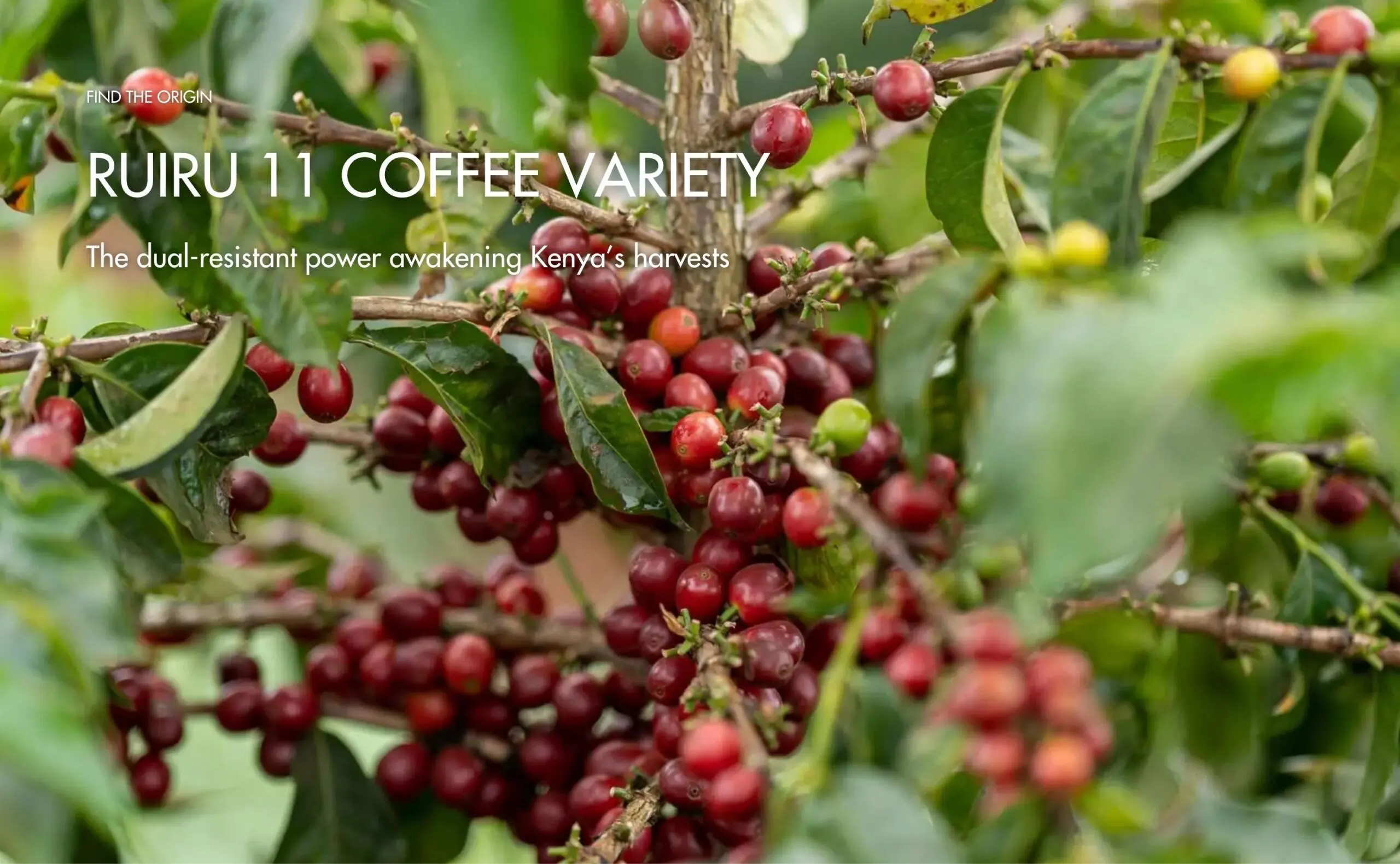
- Find the Origin
Ruiru 11 coffee variety – The dual-resistant power awakening Kenya’s harvests
Born from the ashes of a devastating pandemic, Ruiru 11 is a resilient response of indigenous wisdom to the trials of nature. Carrying a complex genetic code from 66 sibling isolines, this humbly statured coffee variety possesses superb “dual-resistance” against the twin shadows of Coffee Berry Disease and Coffee Leaf Rust. Overcoming early prejudices and the paradox of trade-offs between yield and flavor, Ruiru 11 has been weaving through nurseries, awakening dormant harvests across highland hillsides, and igniting a proud flame of self-reliance for Kenyan coffee.

- Taste the Origin
Sudan Rume #00313 by CGLE – The origin legend beneath the Eucalyptus canopy
From a wild coffee lineage discovered in the Rume Mountains in the 1940s to the enduring conservation efforts of Café Granja La Esperanza, Sudan Rume #00313 by CGLE invites drinkers on a sensory pilgrimage to the birthplace of the Arabica world. It is a rare biological legacy preserved through unwavering dedication, integrity, and deep reverence for history.
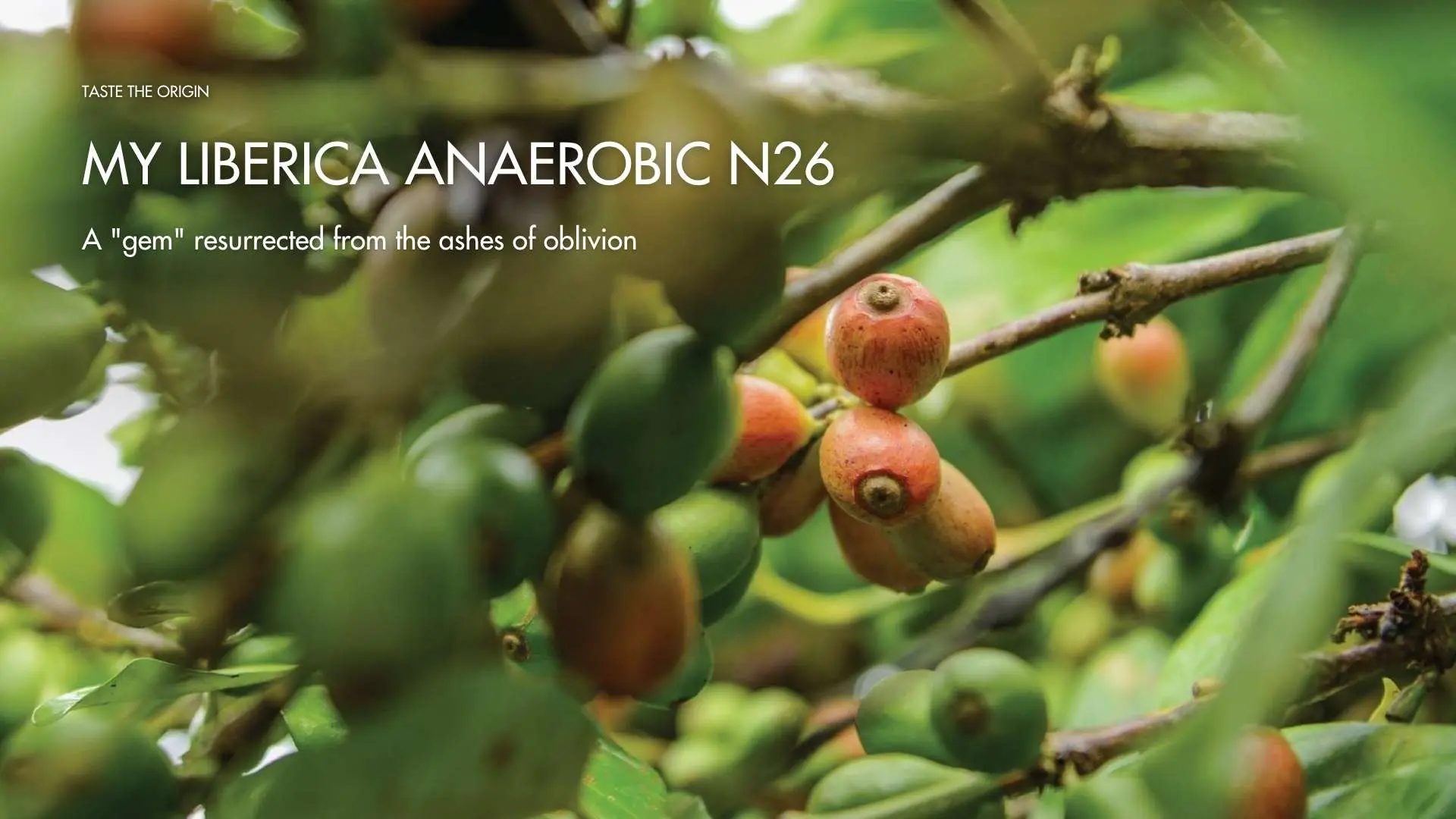
- Taste the Origin
My Liberica Anaerobic N26 – A “gem” resurrected from the ashes of oblivion
The journey of My Liberica Anaerobic N26 is the triumph of a forgotten species, awakened by the depth of understanding, patience, and faith in its original essence. From the heavy clay layers of Kulai to 26 days of transformation in absolute darkness, each step contributes to unlocking layers of flavor that the world once thought could not exist in Liberica. More than just a cup of coffee, My Liberica Anaerobic N26 is a powerful declaration that all great values begin with the courage to delve into their essence, and then rise to a unique voice that resonates throughout the world.


- Taste the Origin
Finca Soledad Mejorado Tyoxy & Fincas Putushio Mejorado – The red thread of the Jijón family
The simultaneous arrival of Finca Soledad Mejorado Tyoxy and Fincas Putushio Mejorado at XLIII Coffee paints a remarkable portrait of the adaptability of the Mejorado variety within Ecuador’s specialty coffee landscape. Nurtured by a shared family philosophy and a commitment to principled cultivation, these two processed lots represent both a breakthrough in microbial innovation and the remarkable return of an exceptional flavor profile.

- Taste the Origin
Finca La Palestina Gesha #5482 – A new chapter in the legend from Cajamarca
From the renowned Cajamarca region, Finca La Palestina Gesha #5482 returns after a period of absence with a proud and fresh appearance. Nurtured in ideal altitude conditions and the cool climate characteristic of the Andes, each coffee bean slowly accumulates subtle flavor nuances before being perfected using the Washed method to maximize the purity of the Gesha variety. Under a carefully refined extremely-light roast profile, this batch of coffee reveals layers of white jasmine, ripe citrus, and sweet golden apricot aromas, interwoven in an elegant and rich flavor structure.

Specialty Coffee in Vietnam
BRAND VALUE
YOU SHOULD HAVE KNOWN
XLIII Coffee has been aiming to become a big, impactful company with social responsibilities,
have access to high-quality raw materials and convey the complete original values of coffee to our customer
