
Exploring Filter coffee and related concepts
Filter coffee is a form of “unhurried” coffee, rich in artistry, offering a unique experience of tranquility and refinement. If you’re curious about what makes this cup so special, join XLIII Coffee in discovering the world of filter coffee and its intriguing aspects!
I. What is Filter Coffee?
Filter coffee is a manual brewing method using filter devices. It involves a combination of coffee, water, and a filtering layer made of paper, cloth, or metal. This method highlights the raw beauty of the coffee bean. In this brewing process, coffee is filtered by gravity. Specifically, hot water passes through a layer of ground coffee, and gravity pulls down the essential flavor droplets. This extraction process is much slower than espresso brewing, but it produces a smoother result, with a cleaner body and a fuller, well-rounded flavor.

Filter coffee refers to coffee brewed using the pour-over or drip method
II. Exploring Filters – The “Barrier” That Shapes Filter Coffee's Flavor
Filters play a crucial role in the brewing process by separating coffee grounds from the brewed liquid, resulting in a clean cup with minimal or no sediment. Based on material, we can categorize filters into three main types: paper filters, metal filters, and cloth filters.
- Paper Filters
Paper filters are the best solution for retaining coffee grounds and insoluble compounds. Of the three filter types, paper filters have the smallest pores, which capture the most oils, fats, lipids, and coffee residues.
– Types of Paper Filters:
+ White Paper: Bleached through a chlorine or oxygen process, usually odorless or nearly so.
+ Brown Paper: Unbleached, retaining the natural brown color of wood pulp, often with a woody or old-paper smell.
– Flavor of Filtered Coffee Through Paper Filters:
Paper filters capture insoluble compounds such as oils, lipids, and fats, contributing to a cleaner and smoother brew. As a result, the coffee tends to be lighter in color with a bright, clear flavor. However, some types of paper may impart a woody taste, so it’s recommended to rinse the filter before brewing to minimize any unwanted flavors.

The filter is used to separate the coffee grounds from the brewed water during the extraction process, resulting in coffee with a clean taste and little to no sediment
- Metal Filters
Metal filters are typically made of stainless steel or perforated aluminum, with larger pores than other filters. The relatively large holes allow fine coffee particles to pass through, creating some sediment in the cup. Therefore, coffee brewed with metal filters tends to be darker and stronger in flavor because the oils are not fully filtered out.
To brew a more balanced cup, baristas should adjust the grind size and the amount of coffee used during the filter brewing process.
- Cloth Filters
Cloth filters were used for decades before being almost entirely replaced by paper filters. Manufacturers recommend boiling the cloth filter for a few minutes to shrink it properly and remove impurities. Cloth is mostly made from odorless and tasteless cellulose, minimizing its impact on the coffee’s final flavor. Thus, cloth filters produce a smooth cup of filter coffee with rich aromas, a thicker body, a fuller mouthfeel, and a more robust flavor.

The filter plays an important role in the brewing process of filter coffee
III. Specialty Coffee Flavor in Filter Brewing
Premium Specialty coffee and the filter brewing method complement each other perfectly, enhancing the original, pure notes of the beans. Specialty coffee brewed with a filter offers a clean and refreshing flavor experience, showcasing the high quality of each coffee bean.
As hot water slowly seeps through the coffee grounds, it extracts acids like citric and malic, resulting in a cup with balanced, vibrant acidity that doesn’t overwhelm the palate. A properly brewed cup of Specialty coffee with a filter method allows drinkers to appreciate delicate fruity notes like lemon, apple, and jasmine, all harmonizing in a light yet lively structure. The combination of natural sweetness and mild acidity takes drinkers on a fascinating and deep journey of discovery.
To enjoy this symphony of subtle flavors fully, visit XLIII Coffee and listen to the story of exceptional quality beans sourced from renowned regions worldwide. If you prefer brewing at home, watch each clear drop filter through, following the Filter brewing guidelines for coffee-to-water ratios, water temperature, and grind size to ensure a clear and bright final cup with distinct flavor notes.

Conclusion
The slow, meticulous process of filter coffee not only highlights the quality of each coffee bean but also helps us uncover stories of origin and production. Every cup of filter-brewed coffee becomes a bridge, connecting the drinker to a world of sophisticated and profound flavors.
IV. Related Questions
1. What is Filter Coffee?
Filter coffee is brewed using the pour-over or drip method, where hot water flows through coffee grounds with the help of gravity. This process produces a smooth, clean, and more refined flavor compared to faster methods like espresso.
2. What role do filters play in the filter brewing method?
Filters separate the coffee grounds from the brewed liquid, creating a clean cup with minimal sediment. Depending on the material (paper, metal, cloth), the clarity, flavor, and texture of the coffee can vary, influencing the overall tasting experience.
3. Why are paper filters popular in filter brewing?
Paper filters are favored because they retain most of the oils, fats, and coffee residues, resulting in a cleaner cup with bright and pure flavors. However, to avoid any papery taste, baristas often rinse the filter with hot water before brewing.
4. What does Specialty coffee taste like when brewed using the filter method?
Specialty coffee brewed with a filter method clearly showcases the high quality of each bean, offering a clean, fresh flavor. It has a balanced acidity with fruity notes like lemon, apple, or jasmine, combined with a smooth texture, providing a refined and distinctive coffee experience.
5. What makes filter coffee a unique experience?
Filter coffee offers an artistic brewing experience with a slow and meticulous process, allowing for the full extraction of the coffee’s delicate flavors. It creates a peaceful and relaxing atmosphere, encouraging drinkers to appreciate the richness and depth of each cup.

Bài viết mới
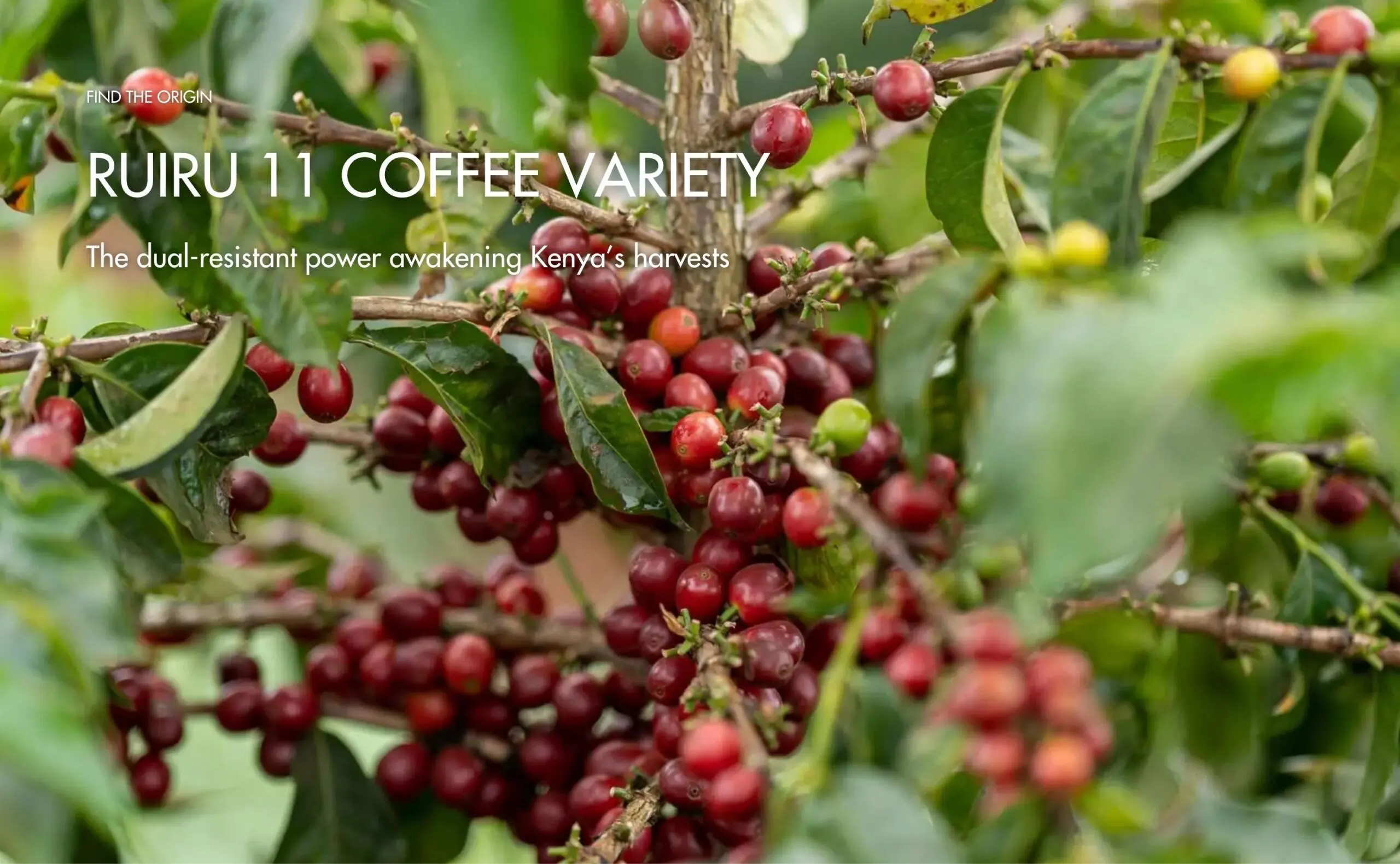
- Find the Origin
Ruiru 11 coffee variety – The dual-resistant power awakening Kenya’s harvests
Born from the ashes of a devastating pandemic, Ruiru 11 is a resilient response of indigenous wisdom to the trials of nature. Carrying a complex genetic code from 66 sibling isolines, this humbly statured coffee variety possesses superb “dual-resistance” against the twin shadows of Coffee Berry Disease and Coffee Leaf Rust. Overcoming early prejudices and the paradox of trade-offs between yield and flavor, Ruiru 11 has been weaving through nurseries, awakening dormant harvests across highland hillsides, and igniting a proud flame of self-reliance for Kenyan coffee.

- Taste the Origin
Sudan Rume #00313 by CGLE – The origin legend beneath the Eucalyptus canopy
From a wild coffee lineage discovered in the Rume Mountains in the 1940s to the enduring conservation efforts of Café Granja La Esperanza, Sudan Rume #00313 by CGLE invites drinkers on a sensory pilgrimage to the birthplace of the Arabica world. It is a rare biological legacy preserved through unwavering dedication, integrity, and deep reverence for history.
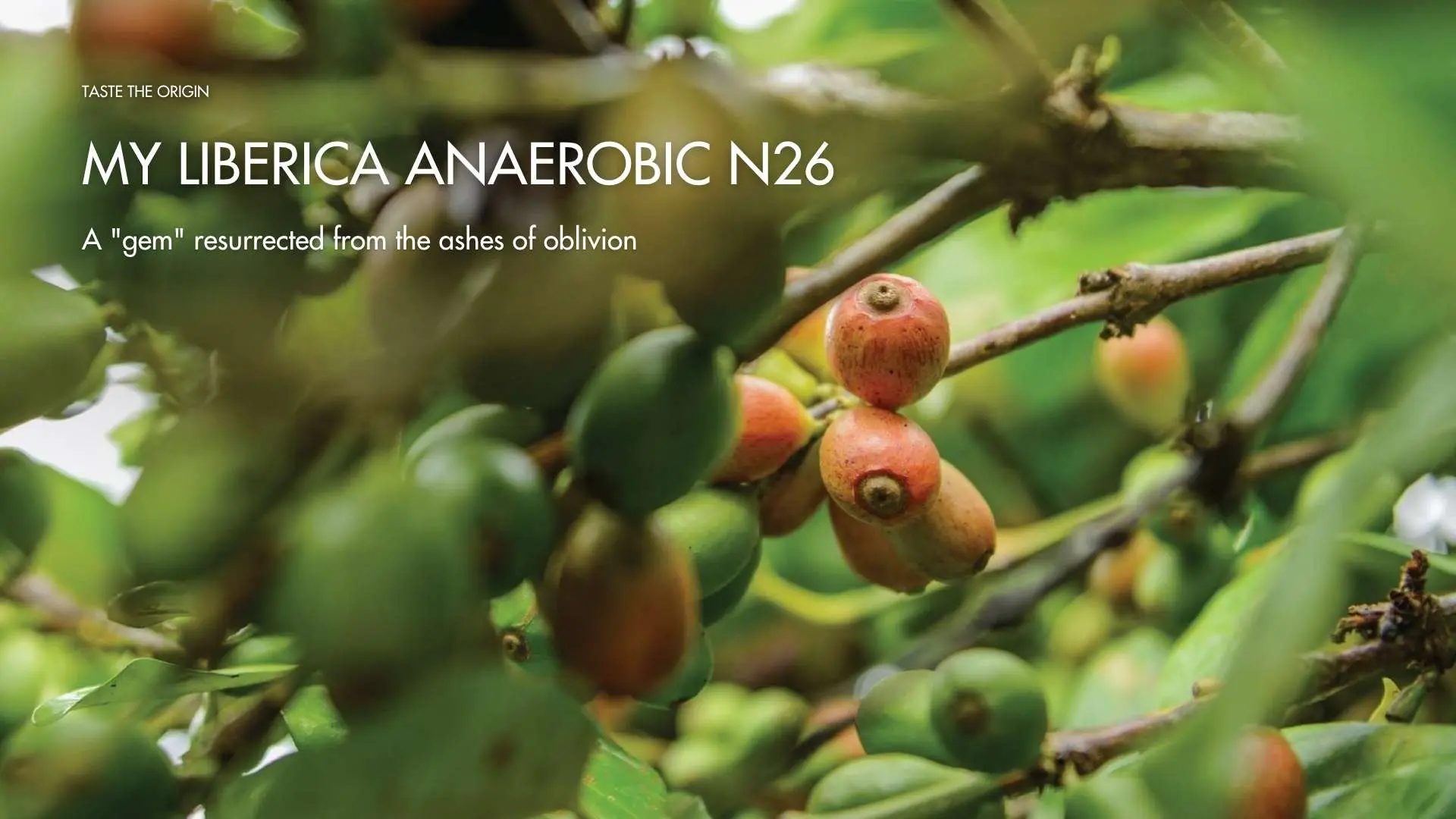
- Taste the Origin
My Liberica Anaerobic N26 – A “gem” resurrected from the ashes of oblivion
The journey of My Liberica Anaerobic N26 is the triumph of a forgotten species, awakened by the depth of understanding, patience, and faith in its original essence. From the heavy clay layers of Kulai to 26 days of transformation in absolute darkness, each step contributes to unlocking layers of flavor that the world once thought could not exist in Liberica. More than just a cup of coffee, My Liberica Anaerobic N26 is a powerful declaration that all great values begin with the courage to delve into their essence, and then rise to a unique voice that resonates throughout the world.


- Taste the Origin
Finca Soledad Mejorado Tyoxy & Fincas Putushio Mejorado – The red thread of the Jijón family
The simultaneous arrival of Finca Soledad Mejorado Tyoxy and Fincas Putushio Mejorado at XLIII Coffee paints a remarkable portrait of the adaptability of the Mejorado variety within Ecuador’s specialty coffee landscape. Nurtured by a shared family philosophy and a commitment to principled cultivation, these two processed lots represent both a breakthrough in microbial innovation and the remarkable return of an exceptional flavor profile.

- Taste the Origin
Finca La Palestina Gesha #5482 – A new chapter in the legend from Cajamarca
From the renowned Cajamarca region, Finca La Palestina Gesha #5482 returns after a period of absence with a proud and fresh appearance. Nurtured in ideal altitude conditions and the cool climate characteristic of the Andes, each coffee bean slowly accumulates subtle flavor nuances before being perfected using the Washed method to maximize the purity of the Gesha variety. Under a carefully refined extremely-light roast profile, this batch of coffee reveals layers of white jasmine, ripe citrus, and sweet golden apricot aromas, interwoven in an elegant and rich flavor structure.

Specialty Coffee in Vietnam
BRAND VALUE
YOU SHOULD HAVE KNOWN
XLIII Coffee has been aiming to become a big, impactful company with social responsibilities,
have access to high-quality raw materials and convey the complete original values of coffee to our customer
