
Catuai coffee varieties – Outstanding potential from a mutation cross with Bourbon
The Catuai coffee variety has been produced for over four decades and has received high praise for its reliable yield, quality, and potential profitability for producers. Catuai is listed among the best coffees in the world and has achieved high accolades at professional international competitions. Let’s explore the journey of efforts to catch up with the development and reputation of the parent breeds of the promising hybrid, Catuai!
1. What is the Catuai coffee variety?
– Origin
The Catuai coffee variety was created in 1949 from a cross between the yellow Caturra tree (a mutant variety of Bourbon) and the Mundo Novo tree (a hybrid between Typica and Bourbon). This process was carried out by the Instituto Agronomico (IAC) in the state of Sao Paulo in Campinas, Brazil. The goal of this hybridization was to combine the outstanding characteristics of the two coffee varieties: the high yield of Mundo Novo and the compact size of Caturra.
After many years of research and lineage selection (choosing individual trees over successive generations), the Catuai variety was officially introduced in 1972. Catuai was quickly accepted and widely planted in Brazil due to its high yield and good coffee quality. From Brazil, this coffee variety has spread to other Central American countries such as Honduras and Costa Rica.
– Meaning of the Name
Catuai comes from the Latin “Guarani multo mom,” which means “very good.” The name Catuai reflects the hope and belief of farmers in the quality and yield of the seeds. Bred from two prestigious coffee varieties, Catuai is trusted by growers to inherit the strengths of both parents to produce excellent coffee beans.
Additionally, there is a hypothesis that Catuai is named based on the shape of its beans. In Portuguese, “cat” means cat, and “uai” means seed. Combining these two words, Catuai is believed to describe the appearance of the coffee bean like the belly of a small cat.

The Catuai coffee variety was created in 1949 through the crossbreeding of Yellow Caturra (a mutant of Bourbon) and Mundo Novo (a hybrid of Typica and Bourbon).
2. Characteristics of the Catuai coffee variety
– Biological characteristics
Catuai inherits the best characteristics from both parent varieties. Like Caturra, Catuai has a relatively low height, allowing for higher planting density and easier access to the fruits during harvest. The side branches of the tree are often very close to the main branch, making the tree resistant to strong winds and heavy rain.
Catuai grows best at altitudes between 1000m and 1200m, where climate conditions are favorable for its development. However, a major drawback of this coffee variety is its poor disease resistance, especially against coffee leaf rust. To maintain high yields, Catuai needs meticulous care and adequate fertilization.
The Catuai coffee tree has two main variants: yellow fruit (Catuai-amarelo or Yellow Catuai) and red fruit (Catuai-vermelho or Maui Red Catuai).
+ Yellow Catuai:
Yellow Catuai is the most popular and preferred type among its variants. The tree is characterized by a softer stem than usual coffee trees and the fruit turns yellow when ripe. However, the soft stem trait may be due to the altitude, climate where the coffee is grown, and the harvesting method.
+ Maui Red Catuai:
Red Catuai has a thicker, harder stem than Yellow Catuai. The fruit turns red when ripe with a complex and diverse flavor profile. Typically, Red Catuai features sensory notes reminiscent of chocolate and nuts, with some similarities to smooth and mellow flavors.
– Flavor Profile
Catuai has a unique and stable flavor profile, highlighted by natural bitterness and sweetness. The beans can unleash different sensory layers depending on their origin and cultivation method. Particularly, when roasted light or medium, Catuai reveals gentle flavors of fresh fruit, cardamom, honey, chocolate, caramel, or nuts.
Moreover, there may not be a significant flavor difference between the yellow and red variants. However, some reports suggest that yellow fruits are more susceptible to rainfall during ripening. Yellow Catuai often has a strong, rich flavor. Red Catuai has more diverse layers of flavor, especially when grown at suitable altitudes and climate conditions.

The Catuai coffee variety has two main variations: Yellow Catuai (Catuai-amarelo) and Red Catuai (Catuai-vermelho or Maui Red Catuai).
3. Production and processing of Catuai coffee
Depending on the biological characteristics and natural conditions of the coffee growing region, each variety has different growth processes. Producers will study and apply suitable harvesting and processing methods accordingly.
– Common production and processing methods of Catuai coffee
+ Harvesting
João Batista Pavesi – Production Consultant, Quality Assessment Expert, and Professor at the Federal Institute of Education, Science, and Technology of Espírito Santo in Brazil, states: The first harvest of Catuai usually only takes place after three years. If invested with long-term human resources and machinery, farmers can even harvest earlier. Catuai coffee variety responds well to liming and fertilization, meaning that farmers can enhance crop productivity through good production management.
+ Pre-processing
Sérgio Pereira Parreiras – Scientific Researcher at IAC points out that each country will choose different pre-processing methods. In Brazil, traditional and natural processing methods of Catuai are preferred because they add richness to the coffee cup and create unique flavors. Growers dry coffee beans on high beds, and after reaching the desired moisture content, the shells are removed from the fruit by machine. In Central America, common methods include sun drying and mechanical drying, while natural drying on beds is increasingly known and widely used.
– Common issues in Catuai coffee production and processing
The biggest problem that Catuai faces is its poor resistance to rust, fungal infections, and pests. Additionally, Catuai requires high nutritional needs during its growth, demanding extra investment and maintenance from producers during the growth stage. To address this issue, farms need to invest more in fertilizers and choose growing regions that meet the coffee tree’s soil, climate, and water requirements. Furthermore, researchers are gradually creating new generations of varieties with improved resistance. Interestingly, despite being the same variety, when grown in Brazil, they are less rusty than in other growing regions. This is because Brazil has stable soil and climate conditions suitable for nurturing coffee trees.

The biggest challenge that Catuai faces is its poor resistance to rust, fungal infections, and pests.
Although Catuai coffee is relatively difficult to grow, it is still loved by producers and has become a popular coffee variety. The reason for this is the proud flavor diversity of Catuai. Depending on the production method and growing region, Catuai coffee beans can develop many different attributes and sensory qualities.
4. Key regions for growing Catuai coffee
Today, Catuai coffee is cultivated in many countries, mainly in Latin America, with yellow and red fruit variants due to their high yield efficiency. Here are some countries famous for growing Catuai coffee:
– Brazil: As the birthplace of the Catuai variety, Brazil grows many different Catuai coffees. Minas Gerais, São Paulo, and Bahia are regions known for high-quality Catuai coffee.
– Colombia: The land and climate in Colombia are suitable for the growth of Catuai coffee. Notable growing regions include Huila, Antioquia, and Nariño.
– Costa Rica: Besides Brazil, Costa Rica is a pioneer in growing Catuai coffee. The prominent growing region is Tarrazú.
– Guatemala: Antigua and Huehuetenango in Guatemala, where the climate and altitude are suitable for coffee cultivation, are well-known regions for Catuai coffee.
– Honduras: Santa Barbara is a notable region for growing Catuai coffee in Honduras, a country with significant coffee production.
– Mexico: Chiapas and Veracruz are two regions in Mexico that grow a lot of Catuai coffee.
– Ethiopia: Besides indigenous coffee varieties, some regions in Ethiopia also grow Catuai coffee to take advantage of its high yield.
– Peru: Regions such as Cajamarca and Cusco in Peru are also known for their excellent Catuai coffee lots.
– El Salvador: The areas of Santa Ana and Ahuachapán are two notable representatives growing Catuai coffee in El Salvador.

The Catuai coffee variety is cultivated in various countries, primarily in Latin America.
5. Prospects of the Catuai coffee variety in the Specialty coffee industry
The Catuai coffee variety is one of the promising and popular varieties in the specialty coffee industry today. It is highly regarded for coffee quality, especially when grown at ideal altitudes and climatic conditions. This variety produces beans with sweet, balanced flavors and complex aromas, suitable for various roasting and brewing methods. This makes Catuai a preferred choice for creating high-scoring specialty coffees. Notably, in 2019, many Catuai varieties surpassed the 80-point threshold according to SCA standards. These lots have been ranked among the best coffees in the world and awarded the Cup of Excellence for two consecutive years in Brazil.
Moreover, the flexibility of Catuai in enduring different weather conditions and adapting to various soil types has made it widely popular across coffee-growing regions worldwide. This advantage not only contributes to the diversification of coffee production but also plays a crucial role in enhancing the quality of specialty coffee globally.
Furthermore, according to a report from Grand View Research, the specialty coffee market is expected to grow at a compound annual growth rate (CAGR) of 11.3% from 2023 to 2030. The demand for specialty coffee is also expanding, driven by young consumers (aged 25-39) who are more open to experimenting with new flavors. This has led many coffee experts to believe that the Catuai coffee variety will continue to thrive in the specialty coffee industry, meeting the increasing market demand for high-quality, diverse-flavored coffee.

The Catuai coffee variety is one of the promising and popular choices in the specialty coffee industry today.
Conclusion
The Catuai coffee variety, originating from Brazil, is the result of meticulous hybridization and research, bringing significant benefits to the coffee industry thanks to its inherited yield and quality characteristics. Although the production and care process faces many challenges, it is still highly valued for its rich flavor and economic potential. We can trust in the promising future of Catuai coffee with its important contributions to the diversity of the global specialty coffee industry.
6. Related questions
Question 1: What is the origin of the Catuai coffee variety?
The Catuai coffee variety was created in 1949 from a cross between the yellow Caturra variety and the Mundo Novo variety.
Question 2: What was the goal of hybridizing the Catuai variety?
The goal of hybridizing the Catuai variety was to combine the outstanding characteristics of the two coffee varieties: the high yield of Mundo Novo and the compact size of Caturra.
Question 3: What does the name “Catuai” mean?
The name “Catuai” comes from the Latin “Guarani multo mom,” meaning “very good,” reflecting farmers’ hope and belief in the quality and yield of this coffee variety.
Question 4: What are the biological characteristics of the Catuai coffee tree?
The Catuai coffee tree has a relatively low height, side branches close to the main branch, grows best at altitudes from 1000m to 1200m, but has poor disease resistance, especially against coffee leaf rust.
Question 5: What are the flavor characteristics of Catuai coffee?
Catuai coffee has a unique and stable flavor profile, highlighted by natural bitterness and sweetness, and can reveal different sensory layers such as fresh fruit, cardamom, honey, chocolate, caramel, and nuts.

Bài viết mới

- Taste the Origin
Finca La Palestina Red Bourbon #5487 – A blossoming legacy in the highlands of Cajamarca
Amidst the ethereal clouds of Cajamarca, where the deep forest, Mother Earth, and time harmonize, Finca La Palestina Red Bourbon #5487 is born as a proud epic of heritage. It bears witness to the story of three generations of the Alarcón Coronel family, to their respect for nature, and to their Cup of Excellence achievements. Each layer of fragrance is a journey for all the senses, leading the connoisseur into subtle and captivating depths.

- Breaking News
Royal Botanic Gardens, Kew announces new hybrid coffee named Libex
As the global coffee industry faces unprecedented challenges from climate change, the Royal Botanic Gardens, Kew (UK) has brought a ray of hope by formally announcing a natural hybrid coffee named Libex. Identified after intensive genetic research across three continents, Libex represents a perfect intersection between the resilient heat tolerance of Liberica and the robust agronomic vigor of Excelsa.

- Find the Origin
Mejorado Coffee Variety – The Perfect Blend of Bourbon & SLN Hybrid Lineage
Originating from the windswept hillsides of the South American highlands, the Mejorado coffee variety tells the story of a genetic masterpiece that is redefining the boundaries of the contemporary Specialty Coffee world. Behind a easily misunderstood name lies a completely distinct alter ego, where the sweet heritage of the Bourbon variety intertwines with the resilient vitality of the SLN hybrid lineage. Thanks to a profound slow-ripening process in the chill of extreme altitudes, this seed nurtures a magnificent flavor profile with ethereal floral and fruit notes, stepping onto the altars of global competitions to assert its status as a future icon, ready to stir the most discerning senses.
- Taste the Origin
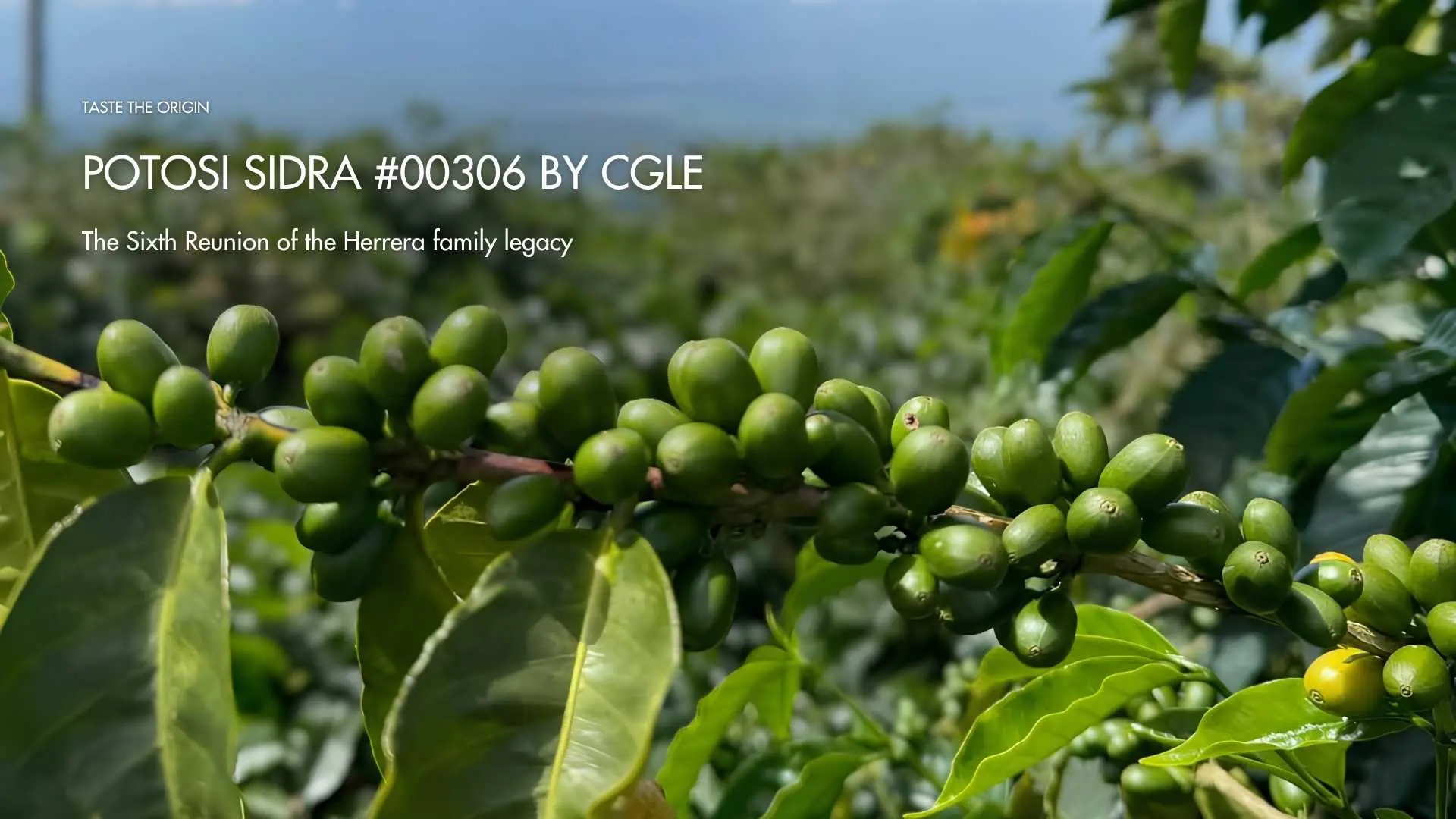
Potosi Sidra #00306 – The sixth reunion of the Herrera family legacy
The sixth harvest marks the return of Potosi Sidra #00306 by CGLE, carrying the presence of a family patriarch entrusted with more than eighty years of heritage from the Herrera family. Cultivated in the founding valley of Potosi since 1945 in Caicedonia, this genetic treasure born from the union of Bourbon and Typica presents a remarkably evolved sensory profile. Through its Extremely Light Roast philosophy and the financial transparency of the Paid for Producer model, XLIII Coffee chooses to preserve the authentic voice of terroir and the coffee’s original flavor structure.
- Taste the Origin
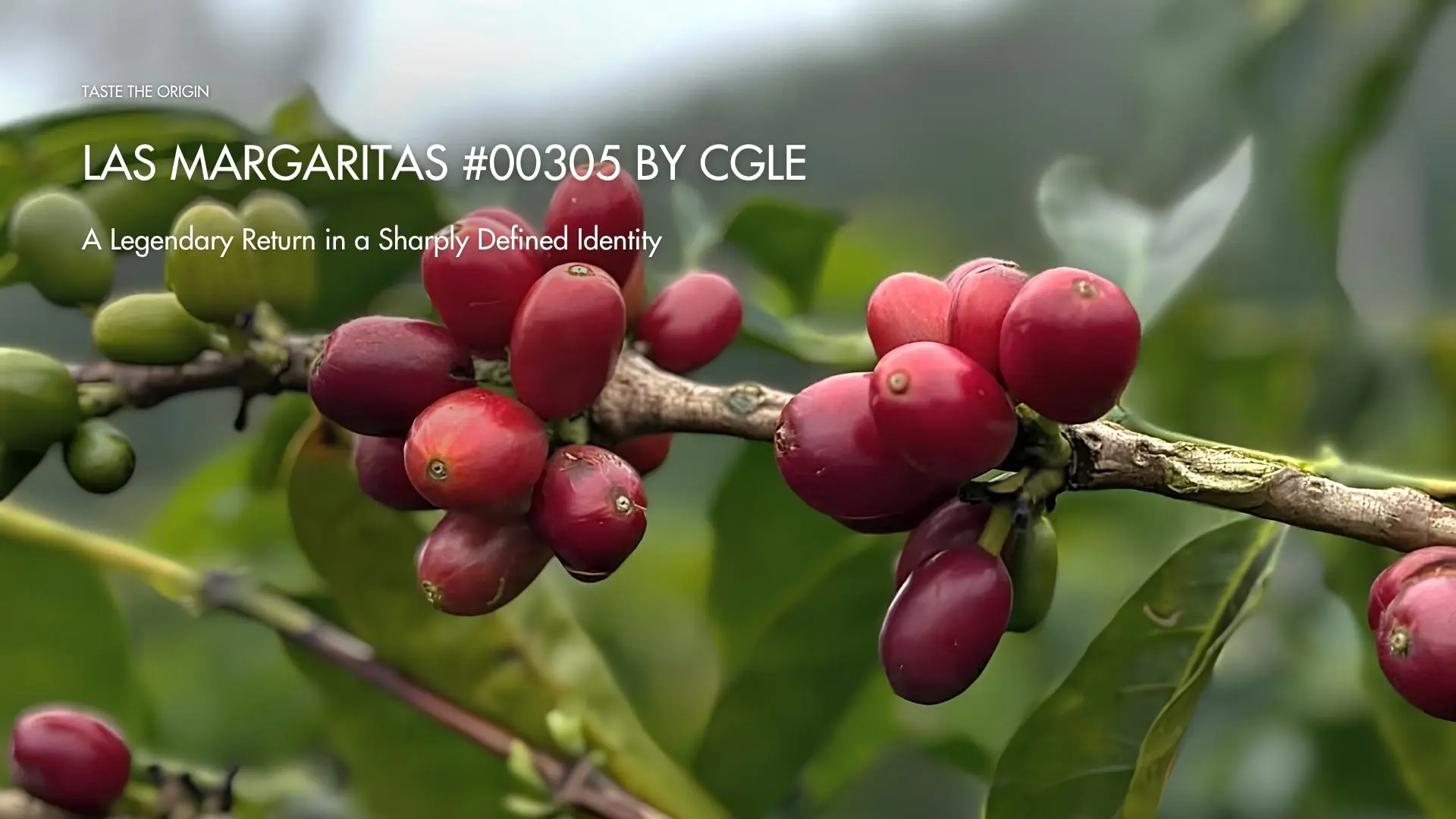
Las Margaritas #00305 by CGLE – A Legend Reunited in a Sharper Identity
Las Margaritas #00305 by CGLE returns to XLIII Coffee as a Gesha masterpiece reborn from the renowned Valle del Cauca region. Infused with the exquisite craftsmanship of Café Granja La Esperanza, this rare batch of coffee embarks on an enchanting flavor journey with vibrant citrus notes, delicate jasmine, and an elegant, lingering Earl Grey finish. Each drop is a crystallization of fertile volcanic soil and the sustainable farming philosophy that CGLE has persistently pursued for decades, creating a full-bodied, sharp flavor profile while retaining the pristine beauty characteristic of the royal Gesha variety.

- Find the Origin
Mandela coffee variety – A convergence of generations from a masterpiece breeding strategy
Amidst the constant fluctuations of the era, Mandela emerges as a gentle yet resilient response from the soil. Instead of attempting to alter or impose upon nature, this breeding strategy is, in essence, a profound act of listening. Each Mandela coffee bean carries the bloodline of multiple generations, possessing both the serene, steadfast nature of native trees and the sparkling elegance of premium varieties. It is a sacred continuation, where the flow of generations ultimate honors the original value of the species, imparting an intact and sustainable vitality into every cup.

Specialty Coffee in Vietnam
BRAND VALUE
YOU SHOULD HAVE KNOWN
XLIII Coffee has been aiming to become a big, impactful company with social responsibilities,
have access to high-quality raw materials and convey the complete original values of coffee to our customer
