
Dark roast profiles can lose the original characteristics of the coffee
A dark roast profile creates a consistent sensory profile that imparts a more intense and rich flavor to the coffee. However, this roasting level can lead to the loss of the coffee’s inherent characteristics. Simultaneously, when roasted to a dark level, coffee will also acquire bitter and smoky flavors that can impact the user’s experience. Explore the nuances with XLIII Coffee!
What is a dark roast profile?
Common coffee roasting methods in the industry include light, medium, and darker roasts. However, there is no official definition for specific roast levels. These profiles are determined by roasters based on various measurements such as temperature, total roasting time, bean color (or Agtron measurement), first crack timing, etc.
Dark roast profiles typically use high temperatures and produce coffee beans that are dark brown, almost black, with a significant amount of oil on the surface.
Dark roast profiles alter the original properties of the coffee
Each type of coffee bean in different growing regions will have its characteristics depending on the soil, cultivation, and processing methods. During the roasting process, coffee beans develop and accentuate these characteristics with different flavors, aromas, mouthfeel, and aftertaste. In particular, temperature stimulates chemicals to react with each other and transform into special properties. The particle structure also changes to become more soluble so that volatile compounds can be extracted.
Undergoing a dark roast, coffee risks losing many of its distinct and unique characteristics. Excessive heat or long roasting times can cause the coffee beans to undergo carbonization. Coffee gradually loses its acidity, inherent sugar content, and aromatic compounds accumulated from the terroir and processing.
Roasting too dark can cause the coffee to lose many of its properties
Dark roast profiles lose the original flavor
In addition to altering grain structure, darker roast profiles produce more smoky aromas and bitter flavors. Some roasters even warn that dark roasts can produce unwanted flavors if burned. The cause comes from excessive caramelization of sugar molecules and compounds in coffee. Acids, proteins, and sugars are destroyed, causing the molecules to become bitter and harsh. This can cause the original delicate flavors of the coffee to be lost and overwhelmed.
Roasting is a process that guides the release of wonderful flavor notes. Because, in reality, many characteristic flavors of the beans are fully developed after coming out of the roaster. However, dark roasting can affect the inherent flavor.
Therefore, to fully enjoy the unique and interesting qualities of each type of bean, choose specialty coffee beans roasted at an appropriate level. Each batch of coffee needs to be carefully adjusted and the right flavor synergies need to be found to create a balanced cup profile that still retains its full original flavor.

Darker roast profiles create more smoky flavors and bitter flavors
Follow XLIII Coffee’s journal channel to explore more about the world of coffee and choose specialty coffee roasted to perfection!
Articles you may be interested in
– The importance of degassing coffee after roasting
– Indian coffee exports have dropped sharply in 2023, what do experts say?
– Medium-sized farms – Important supply points in specialty coffee

Bài viết mới

- Find the Origin
Mejorado Coffee Variety – The Perfect Blend of Bourbon & SLN Hybrid Lineage
Originating from the windswept hillsides of the South American highlands, the Mejorado coffee variety tells the story of a genetic masterpiece that is redefining the boundaries of the contemporary Specialty Coffee world. Behind a easily misunderstood name lies a completely distinct alter ego, where the sweet heritage of the Bourbon variety intertwines with the resilient vitality of the SLN hybrid lineage. Thanks to a profound slow-ripening process in the chill of extreme altitudes, this seed nurtures a magnificent flavor profile with ethereal floral and fruit notes, stepping onto the altars of global competitions to assert its status as a future icon, ready to stir the most discerning senses.
- Taste the Origin
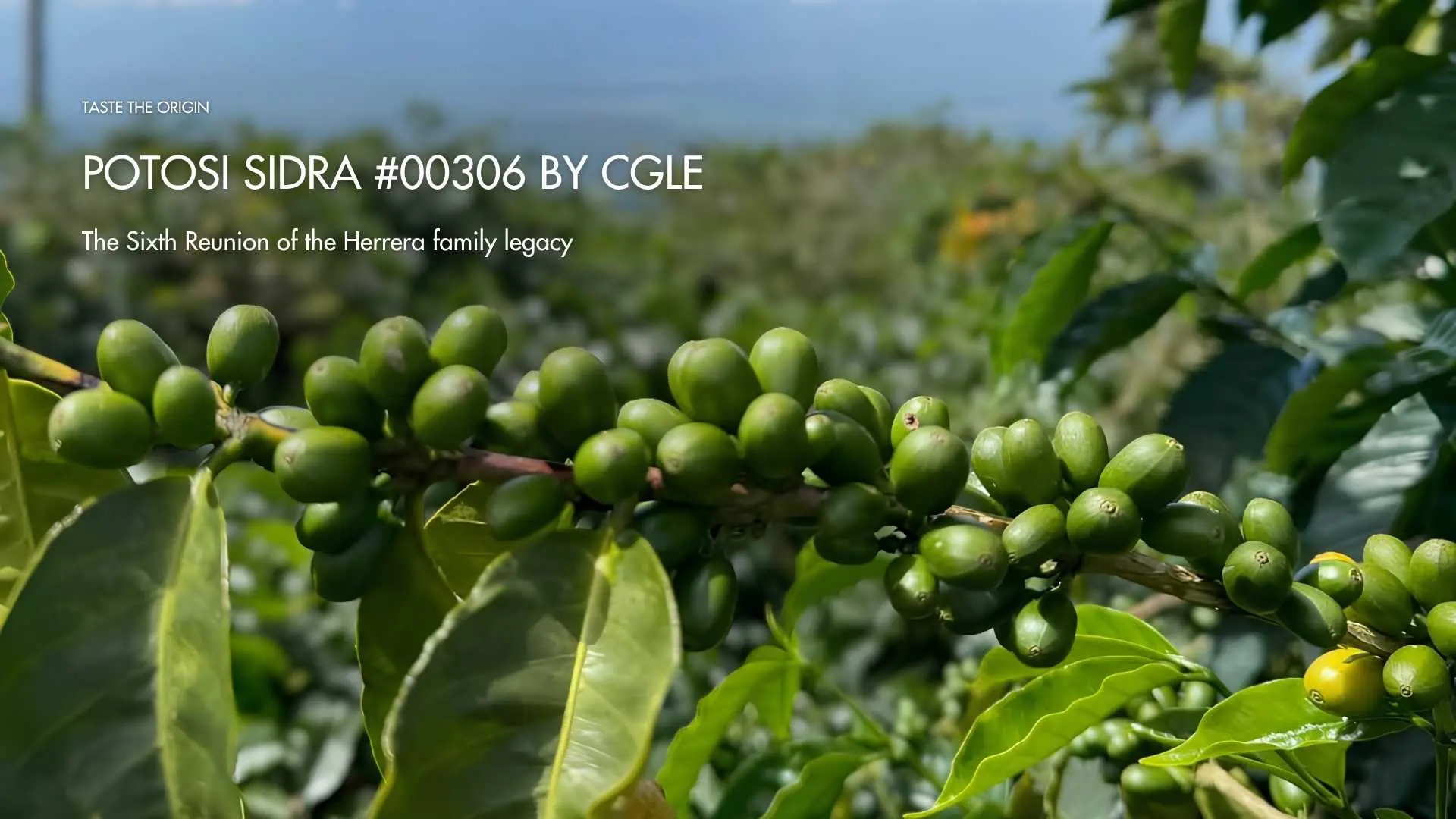
Potosi Sidra #00306 – The sixth reunion of the Herrera family legacy
The sixth harvest marks the return of Potosi Sidra #00306 by CGLE, carrying the presence of a family patriarch entrusted with more than eighty years of heritage from the Herrera family. Cultivated in the founding valley of Potosi since 1945 in Caicedonia, this genetic treasure born from the union of Bourbon and Typica presents a remarkably evolved sensory profile. Through its Extremely Light Roast philosophy and the financial transparency of the Paid for Producer model, XLIII Coffee chooses to preserve the authentic voice of terroir and the coffee’s original flavor structure.
- Taste the Origin
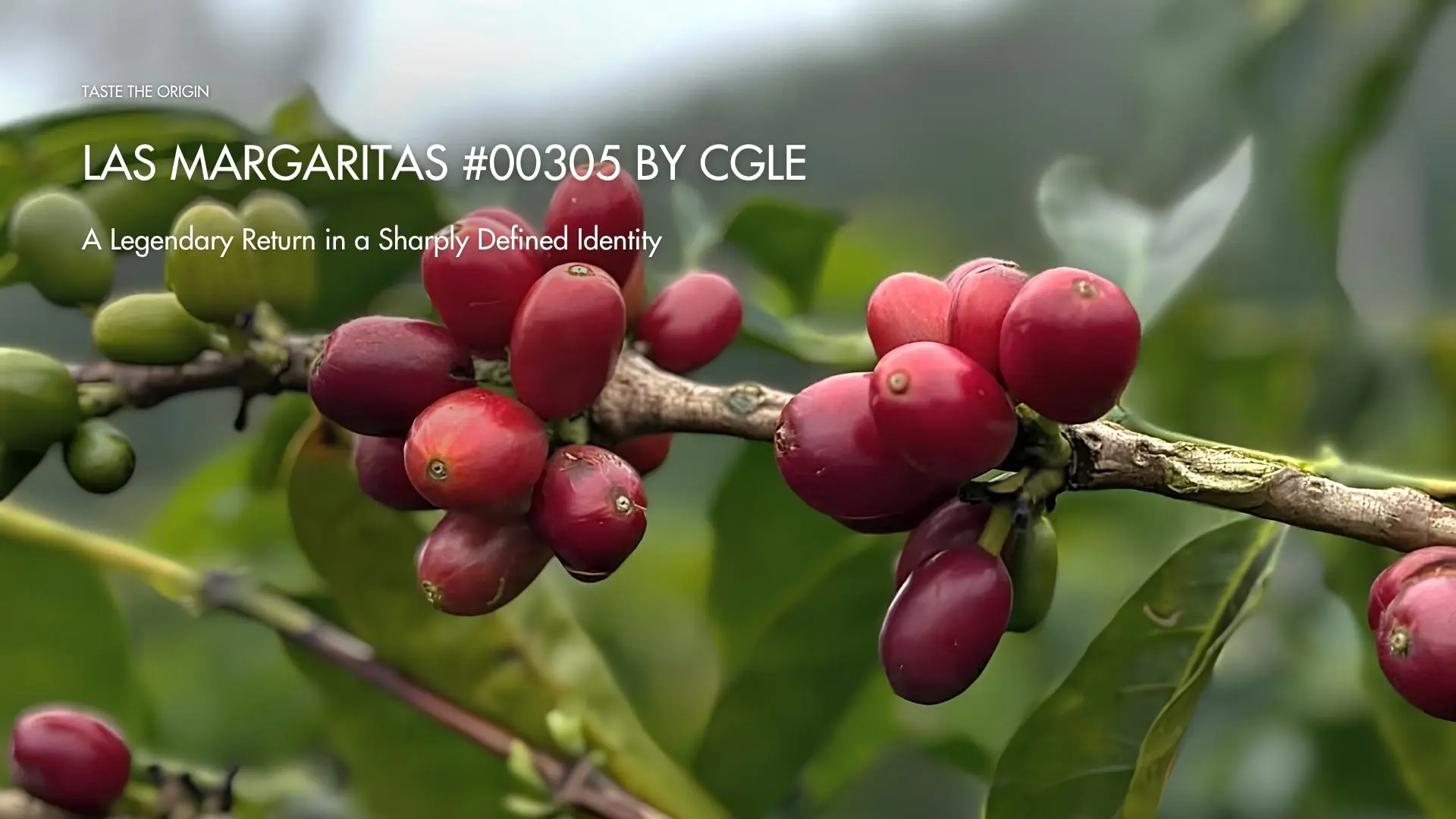
Las Margaritas #00305 by CGLE – A Legend Reunited in a Sharper Identity
Las Margaritas #00305 by CGLE returns to XLIII Coffee as a Gesha masterpiece reborn from the renowned Valle del Cauca region. Infused with the exquisite craftsmanship of Café Granja La Esperanza, this rare batch of coffee embarks on an enchanting flavor journey with vibrant citrus notes, delicate jasmine, and an elegant, lingering Earl Grey finish. Each drop is a crystallization of fertile volcanic soil and the sustainable farming philosophy that CGLE has persistently pursued for decades, creating a full-bodied, sharp flavor profile while retaining the pristine beauty characteristic of the royal Gesha variety.

- Find the Origin
Mandela coffee variety – A convergence of generations from a masterpiece breeding strategy
Amidst the constant fluctuations of the era, Mandela emerges as a gentle yet resilient response from the soil. Instead of attempting to alter or impose upon nature, this breeding strategy is, in essence, a profound act of listening. Each Mandela coffee bean carries the bloodline of multiple generations, possessing both the serene, steadfast nature of native trees and the sparkling elegance of premium varieties. It is a sacred continuation, where the flow of generations ultimate honors the original value of the species, imparting an intact and sustainable vitality into every cup.


- Taste the Origin
Nigussie Nare – Murago Outgrowers #03028: Cultivated from the Values of Sustainable Reciprocity
Nestled beneath the shade trees of Sidama, Bensa, the Nigussie Nare – Murago Outgrowers #03028 coffee lot serves as a living testament to the values of sustainable reciprocity. This symbiosis begins with the intimate bond between a rich indigenous ecosystem and the smallholder farmers of the Murago region. Each harvested bean is the culmination of a virtuous cycle: a stable environment produces exceptional bean quality, and sustainable economic growth, in turn, continues to protect the verdant canopy of the great forest.

Specialty Coffee in Vietnam
BRAND VALUE
YOU SHOULD HAVE KNOWN
XLIII Coffee has been aiming to become a big, impactful company with social responsibilities,
have access to high-quality raw materials and convey the complete original values of coffee to our customer
