
The importance of degassing coffee after roasting
Why is it necessary to let coffee degas after roasting? After roasting coffee, it is advisable not to use it immediately but to let it “degas” for a few days. Roasting it and using it right away doesn’t retain the coffee’s freshness.
WHY DOES COFFEE NEED TO DEGAS AFTER ROASTING?
The main reason coffee needs to “rest” after roasting is due to the degassing process. After roasting, coffee contains gases, mostly CO2, which acts as a barrier preventing water from interacting with coffee, adversely affecting the extraction process. Degassing allows the coffee to off-gas, releasing carbon dioxide (CO2) that can hinder extraction during brewing.
It’s important to note that the presence of CO2 in coffee doesn’t imply lower quality; on the contrary, it serves as an indicator of freshness and plays a crucial role in the stability of coffee in its packaging. CO2 is an important marker of recent roast and contributes to crema formation and overall cup profile.
Degassing coffee should be done in moderation to ensure the coffee doesn’t become stale. Excessive degassing can lead to a flat and less appealing flavor profile.
HOW LONG SHOULD COFFEE DEGAS?
The ideal degassing time for coffee is when the CO2 has escaped adequately, without affecting the flavor of the coffee beans. The necessary degassing period for coffee typically ranges from 3 days to 2 weeks. However, it is challenging to specify an exact duration because it is influenced by various factors such as brewing methods, coffee processing techniques, and roasting levels. Among these factors, the key factor is the roasting level.

Lighter roasts require a shorter resting period, typically 3-4 days. During this ideal resting period, coffee continues to degas, allowing its flavor profile to gradually evolve and reach its full potential. In the case of dark roasts, the degassing period will be longer, typically ranging from 5-7 days after roasting
HOW DOES COFFEE TRANSFORM DURING ROASTING?
During the roasting process, coffee beans come into contact with high temperatures, leading to water loss, structural transformations, and the creation of various chemical reactions. This results in enticing flavor compounds, elevating the coffee’s overall profile.
Here are some chemical reactions that occur inside coffee beans during roasting:
The Maillard Reaction
The Maillard Reaction is a chemical reaction between amino acids and reducing sugars under high heat. Amino acids and sugars form new compounds with distinctive colors and flavors, enriching the complexity of taste and color. This reaction can occur in various ways, contributing to a diverse flavor profile.
Caramelization
Caramelization is a form of pyrolysis that occurs around 120-180°C. High temperatures cause long, complex carbohydrate chains to break down into hundreds of new compounds, adding significant bitterness, acidity, and aroma to the coffee. This reaction occurs continuously until the roasting process concludes, contributing to sweet aromas like caramel, baked bread, and nuts.
Acid Decomposition
The acidity or acidic properties bring vibrancy, subtlety, complexity, and a refreshing quality to coffee. Coffee without acidity becomes flat, dull, and lacks a lasting impression. Acidity plays a crucial role in making coffee lively and distinctive.
Formation of Flavor Compounds
The roasting process enhances the development of aromatic notes within the coffee beans, bringing them closer to the consumer. This is achieved by forming flavor compounds that can dissolve in water.
* Volatile Compounds
The rapid increase in volatile aromatic compounds occurs when the moisture content of coffee drops below 5%. Caramelization, Maillard reactions, as well as the degradation and transformation of amino acids, sugars, phenolic acids, and lipids collectively contribute to the development of aromatic compounds, including:
- Aldehydes, provide the aroma of green fruits.
- Furans contribute to the scent of caramel.
- Pyrazines, with an earthy aroma.
- Guaiacol imparts a smoky, spicy scent.
- Sulfur-containing compounds like 2-furfurylthiol, create the characteristic “coffee roasting” aroma.
* Non-Volatile Compounds
These are stable compounds at room temperature that significantly contribute to coffee flavor. Examples include caffeine, which is responsible for bitterness, sucrose for sweetness, and lipids for a rich body. Acids or melanoidin compounds formed during the Maillard reaction also belong to the group of non-volatile compounds.
In summary, XLIII Coffee has explained why it’s necessary to let coffee degas after roasting instead of using it immediately. The roasting process introduces complex chemical reactions to coffee, and therefore, patiently waiting for the coffee to degas appropriately allows us to appreciate its remarkable changes.
Related articles:
– Indian coffee exports have dropped sharply in 2023, what do experts say?
– Medium-sized farms – Important supply points in specialty coffee

Bài viết mới
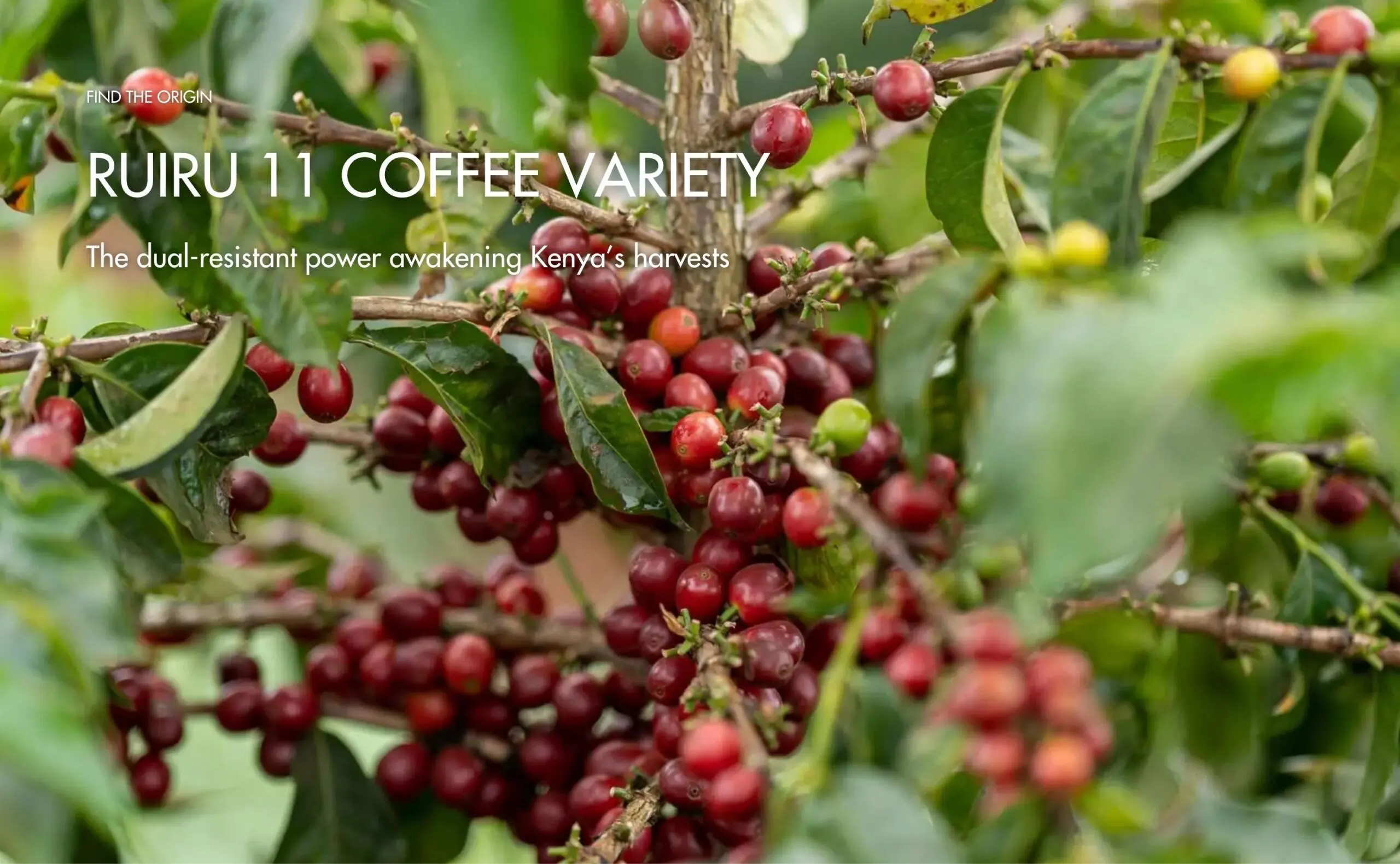
- Find the Origin
Ruiru 11 coffee variety – The dual-resistant power awakening Kenya’s harvests
Born from the ashes of a devastating pandemic, Ruiru 11 is a resilient response of indigenous wisdom to the trials of nature. Carrying a complex genetic code from 66 sibling isolines, this humbly statured coffee variety possesses superb “dual-resistance” against the twin shadows of Coffee Berry Disease and Coffee Leaf Rust. Overcoming early prejudices and the paradox of trade-offs between yield and flavor, Ruiru 11 has been weaving through nurseries, awakening dormant harvests across highland hillsides, and igniting a proud flame of self-reliance for Kenyan coffee.

- Taste the Origin
Sudan Rume #00313 by CGLE – The origin legend beneath the Eucalyptus canopy
From a wild coffee lineage discovered in the Rume Mountains in the 1940s to the enduring conservation efforts of Café Granja La Esperanza, Sudan Rume #00313 by CGLE invites drinkers on a sensory pilgrimage to the birthplace of the Arabica world. It is a rare biological legacy preserved through unwavering dedication, integrity, and deep reverence for history.
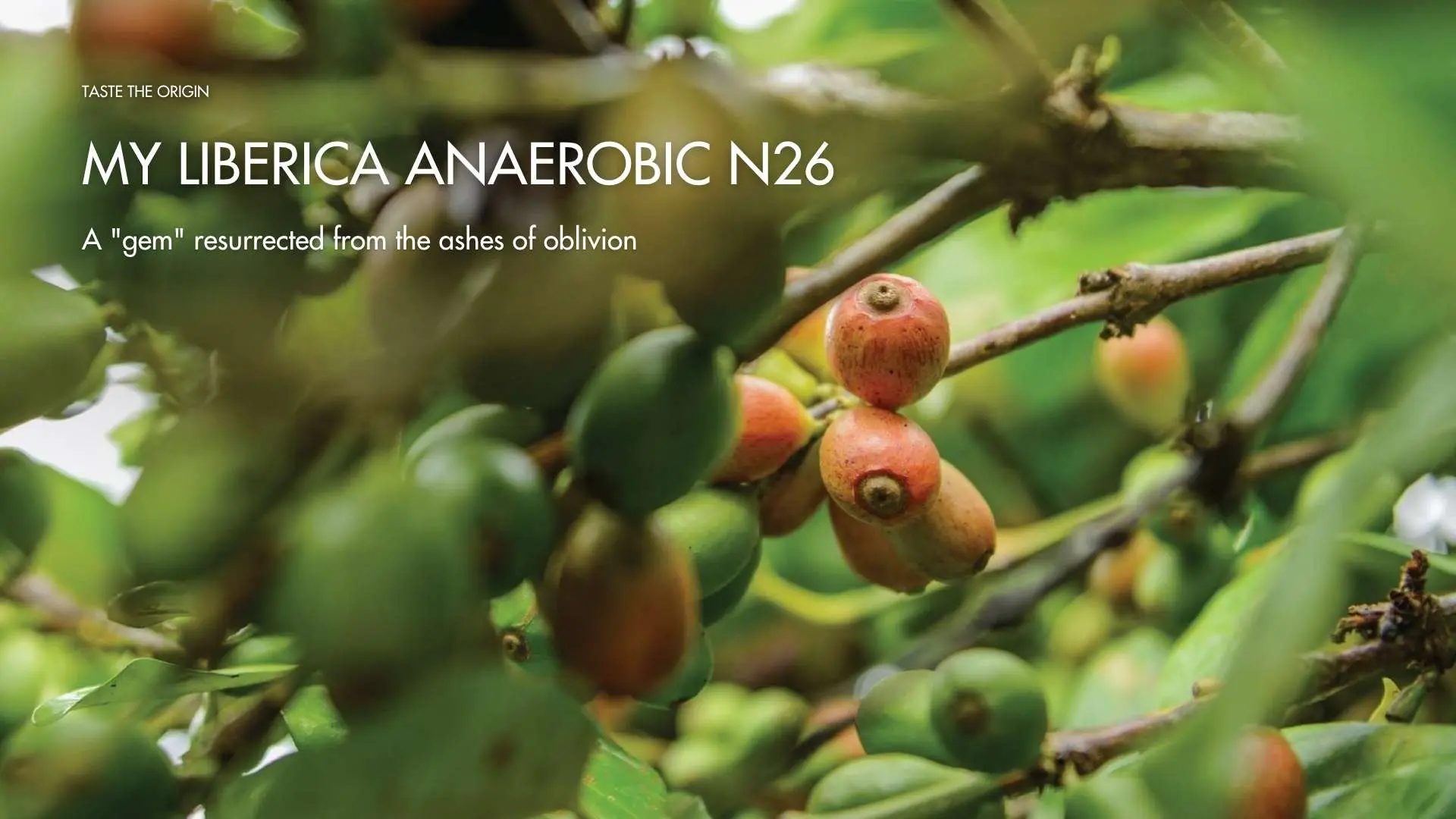
- Taste the Origin
My Liberica Anaerobic N26 – A “gem” resurrected from the ashes of oblivion
The journey of My Liberica Anaerobic N26 is the triumph of a forgotten species, awakened by the depth of understanding, patience, and faith in its original essence. From the heavy clay layers of Kulai to 26 days of transformation in absolute darkness, each step contributes to unlocking layers of flavor that the world once thought could not exist in Liberica. More than just a cup of coffee, My Liberica Anaerobic N26 is a powerful declaration that all great values begin with the courage to delve into their essence, and then rise to a unique voice that resonates throughout the world.


- Taste the Origin
Finca Soledad Mejorado Tyoxy & Fincas Putushio Mejorado – The red thread of the Jijón family
The simultaneous arrival of Finca Soledad Mejorado Tyoxy and Fincas Putushio Mejorado at XLIII Coffee paints a remarkable portrait of the adaptability of the Mejorado variety within Ecuador’s specialty coffee landscape. Nurtured by a shared family philosophy and a commitment to principled cultivation, these two processed lots represent both a breakthrough in microbial innovation and the remarkable return of an exceptional flavor profile.

- Taste the Origin
Finca La Palestina Gesha #5482 – A new chapter in the legend from Cajamarca
From the renowned Cajamarca region, Finca La Palestina Gesha #5482 returns after a period of absence with a proud and fresh appearance. Nurtured in ideal altitude conditions and the cool climate characteristic of the Andes, each coffee bean slowly accumulates subtle flavor nuances before being perfected using the Washed method to maximize the purity of the Gesha variety. Under a carefully refined extremely-light roast profile, this batch of coffee reveals layers of white jasmine, ripe citrus, and sweet golden apricot aromas, interwoven in an elegant and rich flavor structure.

Specialty Coffee in Vietnam
BRAND VALUE
YOU SHOULD HAVE KNOWN
XLIII Coffee has been aiming to become a big, impactful company with social responsibilities,
have access to high-quality raw materials and convey the complete original values of coffee to our customer
