
Does a server elevate your pour-over coffee?
Can a server help you brew better coffee? This might seem strange, wouldn’t it? We all know that the taste of a cup of coffee is determined by the quality of the coffee beans, processing methods, roasting, brewing, and so on. Yet, there is an opinion that the server also plays a small part in creating a delicious cup of coffee. To determine whether this is true or not, let’s explore the role of the server in the pour-over brewing process.
SERVER IN THE POUR-OVER BREWING METHOD
The server is always associated with the pour-over brewing method. Many people might initially think that the glass server resembles equipment found in a science lab. This is derived from Hario, its originator, which initially specialized in manufacturing glassware for chemical experiments. Influenced by the design of science lab equipment, the server carries a ‘scientific’ essence, resembling an instrument from a lab, and inadvertently adds a touch of professionalism to the pour-over brewing process, making it more visually appealing.
THE ROLE OF THE SERVER IN COFFEE BREWING
The server’s presence is undeniable throughout the pour-over process, signaling its significance in this method.
The server creates a convection of air

The pouring spout of the server also serves as an airflow vent. When pouring water over the coffee grounds inside the filter funnel, not only does coffee and water flow down, but a significant amount of air, primarily CO2 from the coffee, also descends. The presence of this airflow vent allows CO2 to escape, limiting its impact on the coffee’s aroma. Additionally, it creates a convection airflow, preventing funnel blockage during coffee extraction.
If you were to replace the server with any random cup, the hot steam wouldn’t be able to escape fully. The steam and CO2 would cling to the coffee in the cup, resulting in a stale aroma. Furthermore, funnel blockage could occur, causing slower water flow and potentially extracting bitter and astringent flavors.
Heat Resistance and Thermal Retention
Containers are typically made from heat-resistant and good thermal retention glass, often equipped with a lid. As a result, the enjoyment of coffee is more complete, and the flavor is better preserved.
Facilitates Monitoring by the Brewer
Transparent glass servers enable the brewer to observe the flow and color of the coffee – crucial factors for assessing the coffee extraction status. This visual feedback aids in adjusting actions, and deciding whether to pour more water or stop.
Aesthetic Appeal
It may sound somewhat amusing, but it’s true. The presence of an aesthetically pleasing glass server makes a much more impressive impact than a regular cup. Pour-over not only earns points for the final cup of coffee but also adds an element of artistry and relaxation to the brewing process.
Although a server might seem somewhat insignificant, it plays a crucial role as a necessary piece to complete the pour-over picture. While not a mandatory device, a server enhances the overall experience.
Follow XLIII Coffee for more useful information!
Related article:
– The gap between rich and poor in specialty coffee production – a barrier to coffee growers

Bài viết mới
- Find the Origin
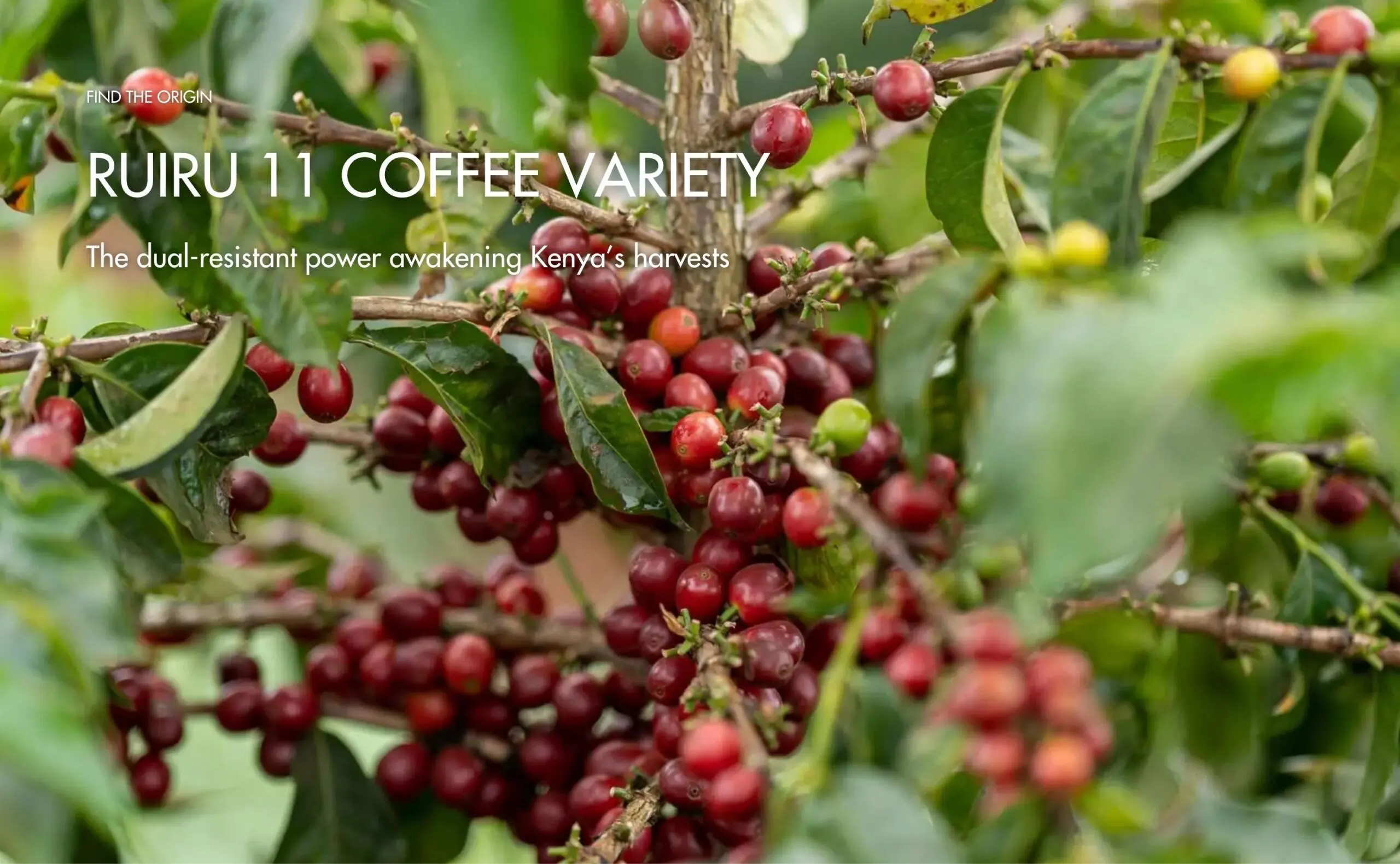
Ruiru 11 coffee variety – The dual-resistant power awakening Kenya’s harvests
Born from the ashes of a devastating pandemic, Ruiru 11 is a resilient response of indigenous wisdom to the trials of nature. Carrying a complex genetic code from 66 sibling isolines, this humbly statured coffee variety possesses superb “dual-resistance” against the twin shadows of Coffee Berry Disease and Coffee Leaf Rust. Overcoming early prejudices and the paradox of trade-offs between yield and flavor, Ruiru 11 has been weaving through nurseries, awakening dormant harvests across highland hillsides, and igniting a proud flame of self-reliance for Kenyan coffee.

- Taste the Origin
Sudan Rume #00313 by CGLE – The origin legend beneath the Eucalyptus canopy
From a wild coffee lineage discovered in the Rume Mountains in the 1940s to the enduring conservation efforts of Café Granja La Esperanza, Sudan Rume #00313 by CGLE invites drinkers on a sensory pilgrimage to the birthplace of the Arabica world. It is a rare biological legacy preserved through unwavering dedication, integrity, and deep reverence for history.
- Taste the Origin
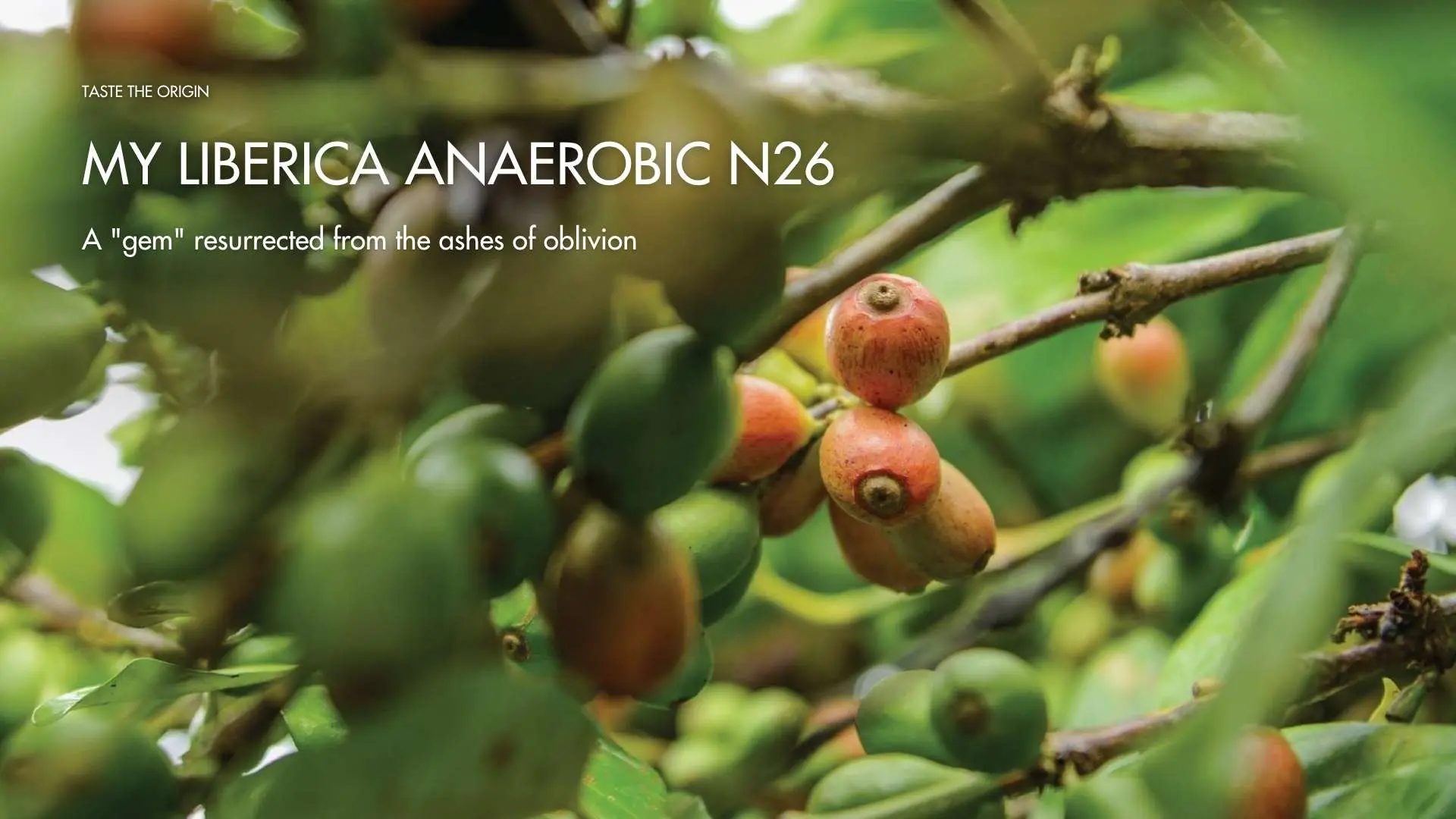
My Liberica Anaerobic N26 – A “gem” resurrected from the ashes of oblivion
The journey of My Liberica Anaerobic N26 is the triumph of a forgotten species, awakened by the depth of understanding, patience, and faith in its original essence. From the heavy clay layers of Kulai to 26 days of transformation in absolute darkness, each step contributes to unlocking layers of flavor that the world once thought could not exist in Liberica. More than just a cup of coffee, My Liberica Anaerobic N26 is a powerful declaration that all great values begin with the courage to delve into their essence, and then rise to a unique voice that resonates throughout the world.


- Taste the Origin
Finca Soledad Mejorado Tyoxy & Fincas Putushio Mejorado – The red thread of the Jijón family
The simultaneous arrival of Finca Soledad Mejorado Tyoxy and Fincas Putushio Mejorado at XLIII Coffee paints a remarkable portrait of the adaptability of the Mejorado variety within Ecuador’s specialty coffee landscape. Nurtured by a shared family philosophy and a commitment to principled cultivation, these two processed lots represent both a breakthrough in microbial innovation and the remarkable return of an exceptional flavor profile.

- Taste the Origin
Finca La Palestina Gesha #5482 – A new chapter in the legend from Cajamarca
From the renowned Cajamarca region, Finca La Palestina Gesha #5482 returns after a period of absence with a proud and fresh appearance. Nurtured in ideal altitude conditions and the cool climate characteristic of the Andes, each coffee bean slowly accumulates subtle flavor nuances before being perfected using the Washed method to maximize the purity of the Gesha variety. Under a carefully refined extremely-light roast profile, this batch of coffee reveals layers of white jasmine, ripe citrus, and sweet golden apricot aromas, interwoven in an elegant and rich flavor structure.

Specialty Coffee in Vietnam
BRAND VALUE
YOU SHOULD HAVE KNOWN
XLIII Coffee has been aiming to become a big, impactful company with social responsibilities,
have access to high-quality raw materials and convey the complete original values of coffee to our customer
