
High-pressure processing (HPP): Ensuring Safety and Preserving Flavor for Cold Brew Coffee
I January 2024, leading food technology company Hiperbaric published the results of research on the effectiveness of high-pressure processing (HPP) for cold brew coffee. This study was carried out in collaboration with the University of Burgos in Spain and experts from the Hiperbaric organization. Join XLIII Coffee to explore this processing method!
What is High-Pressure Processing (HPP)?
High-pressure processing (HPP) is a method of preserving food and beverages without using heat, typically performed at temperatures between 5°C and 20°C. It is used to ensure cold brew coffee safety and increase shelf life while maintaining the sensory qualities of fresh produce.
The operating principle of HPP is based on the use of high isostatic pressure transmitted by cold water, reaching up to 6,000 bar/600MPa/87,000 psi. With holding times of several minutes, this pressure is transmitted evenly and instantaneously throughout the product. The efficiency achieved is equivalent to pasteurization but only uses water and pressure instead of heat, bringing many advantages to food and beverage products.
Specifically, packaged products are placed into baskets and then introduced to the HPP equipment for a few minutes. During this process, high pressure neutralizes pathogenic bacteria and spoilage microorganisms, preserving the original flavor and nutritional properties of the product without the use of heat or chemical preservatives.

Photo of Hiperbaric’s high pressure treatment method
High-pressure coffee processing reduces pathogenic bacteria in cold-brew coffee
On January 23, 2024, Hiperbaric published the results of a comprehensive study demonstrating the effectiveness of HPP for cold brew coffee. Research confirms HPP achieves significant reductions in pathogenic bacteria while maintaining fresh taste and quality in this ready-to-drink beverage. In particular, HPP achieved a reduction of more than 6 logs of pathogenic bacteria. Moreover, over a 90-day cold storage period, the treated pathogenic bacteria displayed no signs of regeneration. This proves that high-pressure treatment is an effective killing step to improve the safety of cold brew coffee.
In addition to ensuring cold brew coffee safety, research also proves that HPP can maximize the original characteristics of cold brew coffee. Specifically, during monitoring, key attributes such as color, bioactive compounds, soluble solids, pH, and antioxidant activity were not changed during high-pressure processing. The flavor, acidity, and overall quality of the drink through the HPP process are also highly appreciated for its smoothness and sophistication. Furthermore, coffee quality can be maintained for more than three months of cold storage.

Photo of equipment used in Hiperbaric high-pressure treatment method
With its ability to reduce pathogenic bacteria while protecting delicate flavors, HPP could become the ideal pasteurization technology for today’s cold brew coffee market. If developed and popularized, this processing method can make an important contribution to improving the safety and quality of coffee for consumers.
Follow XLIII Coffee’s journal channe to stay at the forefront of the latest coffee industry news and developments!
Articles you may be interested in
– Coffee price today domestically and internationally
– Dark roast profiles can lose the original characteristics of the coffee

Bài viết mới

- Find the Origin
Mejorado Coffee Variety – The Perfect Blend of Bourbon & SLN Hybrid Lineage
Originating from the windswept hillsides of the South American highlands, the Mejorado coffee variety tells the story of a genetic masterpiece that is redefining the boundaries of the contemporary Specialty Coffee world. Behind a easily misunderstood name lies a completely distinct alter ego, where the sweet heritage of the Bourbon variety intertwines with the resilient vitality of the SLN hybrid lineage. Thanks to a profound slow-ripening process in the chill of extreme altitudes, this seed nurtures a magnificent flavor profile with ethereal floral and fruit notes, stepping onto the altars of global competitions to assert its status as a future icon, ready to stir the most discerning senses.
- Taste the Origin
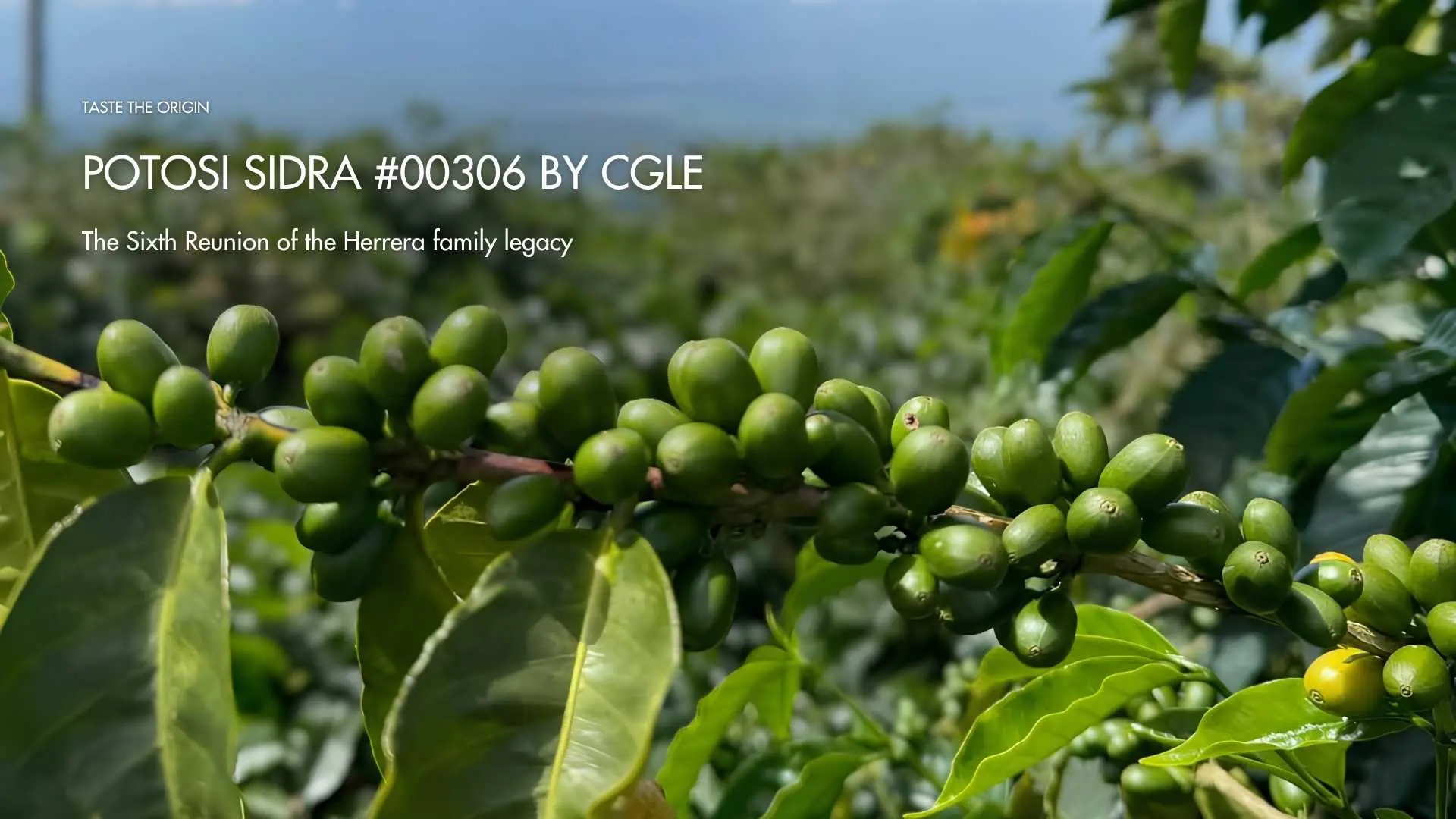
Potosi Sidra #00306 – The sixth reunion of the Herrera family legacy
The sixth harvest marks the return of Potosi Sidra #00306 by CGLE, carrying the presence of a family patriarch entrusted with more than eighty years of heritage from the Herrera family. Cultivated in the founding valley of Potosi since 1945 in Caicedonia, this genetic treasure born from the union of Bourbon and Typica presents a remarkably evolved sensory profile. Through its Extremely Light Roast philosophy and the financial transparency of the Paid for Producer model, XLIII Coffee chooses to preserve the authentic voice of terroir and the coffee’s original flavor structure.
- Taste the Origin
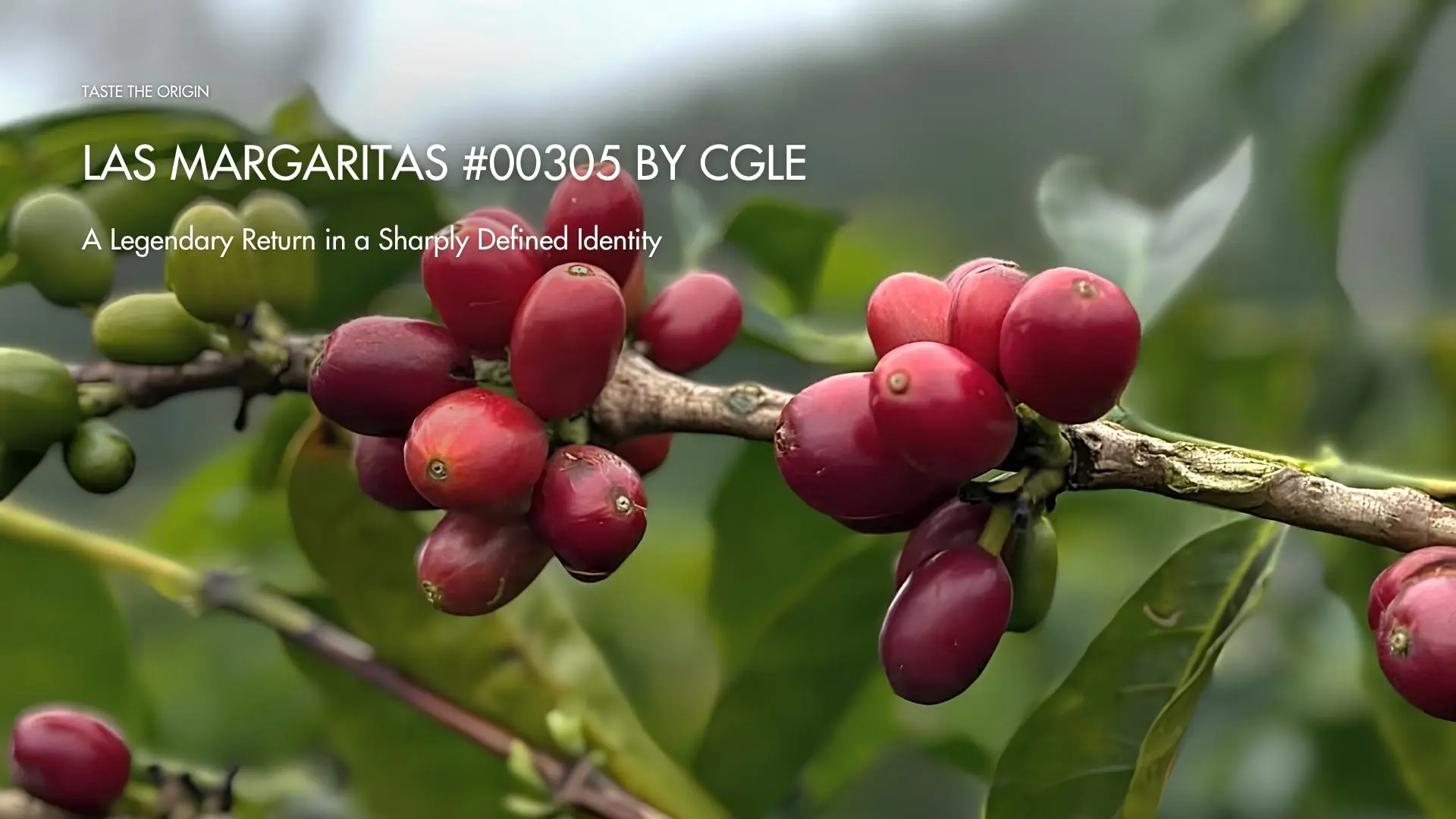
Las Margaritas #00305 by CGLE – A Legend Reunited in a Sharper Identity
Las Margaritas #00305 by CGLE returns to XLIII Coffee as a Gesha masterpiece reborn from the renowned Valle del Cauca region. Infused with the exquisite craftsmanship of Café Granja La Esperanza, this rare batch of coffee embarks on an enchanting flavor journey with vibrant citrus notes, delicate jasmine, and an elegant, lingering Earl Grey finish. Each drop is a crystallization of fertile volcanic soil and the sustainable farming philosophy that CGLE has persistently pursued for decades, creating a full-bodied, sharp flavor profile while retaining the pristine beauty characteristic of the royal Gesha variety.

- Find the Origin
Mandela coffee variety – A convergence of generations from a masterpiece breeding strategy
Amidst the constant fluctuations of the era, Mandela emerges as a gentle yet resilient response from the soil. Instead of attempting to alter or impose upon nature, this breeding strategy is, in essence, a profound act of listening. Each Mandela coffee bean carries the bloodline of multiple generations, possessing both the serene, steadfast nature of native trees and the sparkling elegance of premium varieties. It is a sacred continuation, where the flow of generations ultimate honors the original value of the species, imparting an intact and sustainable vitality into every cup.


- Taste the Origin
Nigussie Nare – Murago Outgrowers #03028: Cultivated from the Values of Sustainable Reciprocity
Nestled beneath the shade trees of Sidama, Bensa, the Nigussie Nare – Murago Outgrowers #03028 coffee lot serves as a living testament to the values of sustainable reciprocity. This symbiosis begins with the intimate bond between a rich indigenous ecosystem and the smallholder farmers of the Murago region. Each harvested bean is the culmination of a virtuous cycle: a stable environment produces exceptional bean quality, and sustainable economic growth, in turn, continues to protect the verdant canopy of the great forest.

Specialty Coffee in Vietnam
BRAND VALUE
YOU SHOULD HAVE KNOWN
XLIII Coffee has been aiming to become a big, impactful company with social responsibilities,
have access to high-quality raw materials and convey the complete original values of coffee to our customer
