
Moka Coffee in the Specialty Coffee World: Value & Potential
From its ancient origins in Yemen, Moka coffee has embarked on a long journey to establish its special position in the global coffee community. What sets Moka apart, and why do coffee connoisseurs crave the experience of this coffee? The following article will explore the value and potential of Moka in the Specialty Coffee market.
I. Origins and History of Moka Coffee
Moka coffee (originally known as Mocha) is believed to have originated from the port city of Mocha in Yemen. From there, the first coffee beans were shipped globally through sea trade routes, spreading across Africa, Latin America, and Southeast Asia.
Specifically, in the 13th century, missionary Marco Polo introduced Moka coffee to Europe. Four centuries later, Moka coffee made waves when it was mixed with chocolate. In the 17th century, Dutch traders brought Yemeni coffee to Java (Indonesia), where it was combined with Robusta coffee and became famous under the name Mocha Java. Later, in 1875, Moka coffee was introduced to Vietnam by the French, initially planted in the north and later expanded to the Central Highlands, particularly in Cầu Đất, Đà Lạt, where the climate and soil are ideal for this coffee variety.
Although it is grown in various places, Yemen remains the symbol of quality and tradition for Moka coffee. To this day, Moka is highly regarded as a rare coffee sought after by experts.

Moka coffee (originally called Mocha) is believed to have originated from the port city of Mocha, Yemen
II. Moka Coffee’s Potential in the Specialty Coffee Industry
Moka coffee stands out with its unique agronomic characteristics, genetically similar to Bourbon. Moka coffee plants thrive at elevations between 1,500 – 2,000 meters above sea level, where the cool climate and nutrient-rich soil provide ideal growing conditions. The coffee beans are small but of high quality, boasting a rich and distinctive flavor.
In terms of taste, Moka offers a complex blend of mild acidity, a sweet aftertaste, and fruity and floral aromas, especially the delicate scents of berries and herbs. Compared to other coffee varieties in the Specialty Coffee world, such as Gesha or SL28, Moka remains favored and impresses in its own way. It is known for its perfect balance between acidity and sweetness, allowing coffee enthusiasts to appreciate its subtlety and depth with every sip.

Moka coffee stands out with its unique agronomic characteristics, genetically very similar to Bourbon
III. The Development Potential of Moka Coffee in Specialty Coffee
The Specialty Coffee market is thriving, and Moka coffee is becoming one of the highlights of the industry. This growth is fueled by the increasing demand from coffee aficionados who are constantly seeking unique and rare varieties like Moka.
However, Moka coffee’s growth also faces many challenges. Climate change, pests, and urbanization threaten Moka’s cultivation areas, reducing the size of the farming regions. To maintain and develop Moka coffee, many replanting projects are being implemented, alongside the use of modern farming techniques to improve both yield and quality.
Looking to the future, with the ongoing efforts of the coffee community and conservation projects, Moka coffee promises to continue asserting its position in the Specialty Coffee world, bringing significant cultural and economic value.

The Specialty Coffee market is growing rapidly, and Moka coffee is emerging as one of the highlights in the industry
IV. How to Choose Quality Moka Coffee?
To purchase quality Moka coffee, consumers need to pay attention to various factors, from geographic origin to farming and processing methods. Moka coffee from Yemen or Đà Lạt offers different flavors depending on altitude, climate, and farming conditions. Processing methods also play a crucial role, as they directly impact the final flavor of the coffee beans. Wet-processed Moka often has a cleaner and clearer flavor, while dry-processed coffee tends to have a richer and more complex aroma.
You can consider the following criteria when selecting quality Moka coffee:
Choose reputable suppliers: This ensures you receive high-quality Moka coffee grown and processed to high standards. Well-known Specialty Coffee shops often offer Moka products with clear origin information and certifications.
Check certifications: Products certified by organizations like Rainforest Alliance or Organic ensure that Moka coffee is grown and processed sustainably.
Evaluate sensory qualities: Inspect the color, size, and aroma of the coffee beans before purchasing. Moka coffee beans are usually small but firm, with a distinctive fruity fragrance.
Check the roast date: Buying freshly roasted coffee helps retain the flavor. Avoid purchasing coffee that has been roasted for too long, as its flavor may fade.
Additionally, be cautious of Moka coffee from unclear sources or at unusually low prices. After purchasing, avoid exposing the coffee to too much light and air, as this can degrade its quality and flavor.

Depending on the altitude, climate, cultivation conditions, and processing methods, the final flavor of Moka coffee beans can vary
Conclusion:
It is evident that Moka coffee holds considerable value and potential in the world of Specialty Coffee. With its unique flavor and the meticulous care in its cultivation, Moka coffee is highly appreciated by coffee lovers. As the demand for premium coffee continues to rise, maintaining and developing this variety will not only bring economic benefits to farmers but also help preserve the cultural heritage of the coffee industry. Let us support and explore the wonderful experiences Moka coffee has to offer, so that each cup of coffee is not just a drink, but a journey of discovering its profound value.
V. Related Questions
1. Where does Moka coffee originate?
Moka coffee originates from Yemen, one of the oldest coffee-growing regions in the world. From there, Moka coffee spread to other areas such as Java (Indonesia) and later to Latin America and Southeast Asia.
2. Why is Moka coffee considered rare in the Specialty Coffee world?
Moka coffee is rare because it is grown in limited geographical areas with harsh climates, such as the highlands of Yemen. Moreover, careful cultivation and meticulous farming processes help Moka beans achieve high quality and a unique flavor, distinguishing it in the Specialty Coffee world.
3. What is the distinctive flavor of Moka coffee?
Moka coffee is renowned for its mild acidity, smooth sweetness, and delicate fruity aromas. This unique flavor differs from other coffee varieties, often providing a sophisticated and rich experience for those who enjoy it.
4. What role does Moka coffee play in creating a special coffee experience?
With its unique flavor and rich tradition, Moka coffee offers a special experience for coffee connoisseurs. Moka is often used in high-end coffee blends like Mocha Java, creating complex and well-balanced coffee drinks.
5. What is the development potential of Moka coffee in the Specialty Coffee industry?
The market demand for Moka coffee is increasing among coffee connoisseurs. However, to grow and sustain this coffee variety, challenges such as climate change, pests, and shrinking cultivation areas need to be addressed through improved farming processes and preservation projects.

Bài viết mới
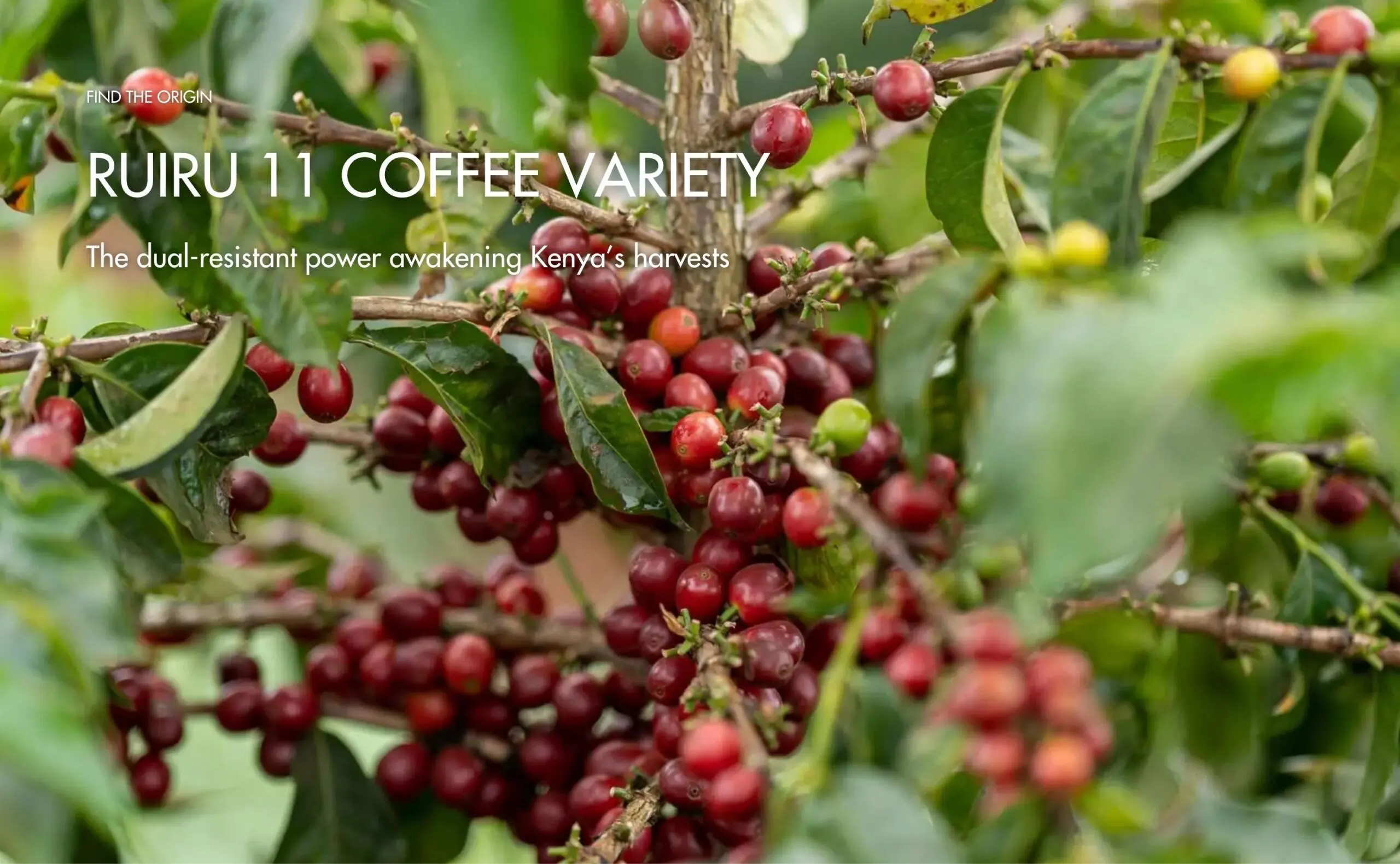
- Find the Origin
Ruiru 11 coffee variety – The dual-resistant power awakening Kenya’s harvests
Born from the ashes of a devastating pandemic, Ruiru 11 is a resilient response of indigenous wisdom to the trials of nature. Carrying a complex genetic code from 66 sibling isolines, this humbly statured coffee variety possesses superb “dual-resistance” against the twin shadows of Coffee Berry Disease and Coffee Leaf Rust. Overcoming early prejudices and the paradox of trade-offs between yield and flavor, Ruiru 11 has been weaving through nurseries, awakening dormant harvests across highland hillsides, and igniting a proud flame of self-reliance for Kenyan coffee.

- Taste the Origin
Sudan Rume #00313 by CGLE – The origin legend beneath the Eucalyptus canopy
From a wild coffee lineage discovered in the Rume Mountains in the 1940s to the enduring conservation efforts of Café Granja La Esperanza, Sudan Rume #00313 by CGLE invites drinkers on a sensory pilgrimage to the birthplace of the Arabica world. It is a rare biological legacy preserved through unwavering dedication, integrity, and deep reverence for history.
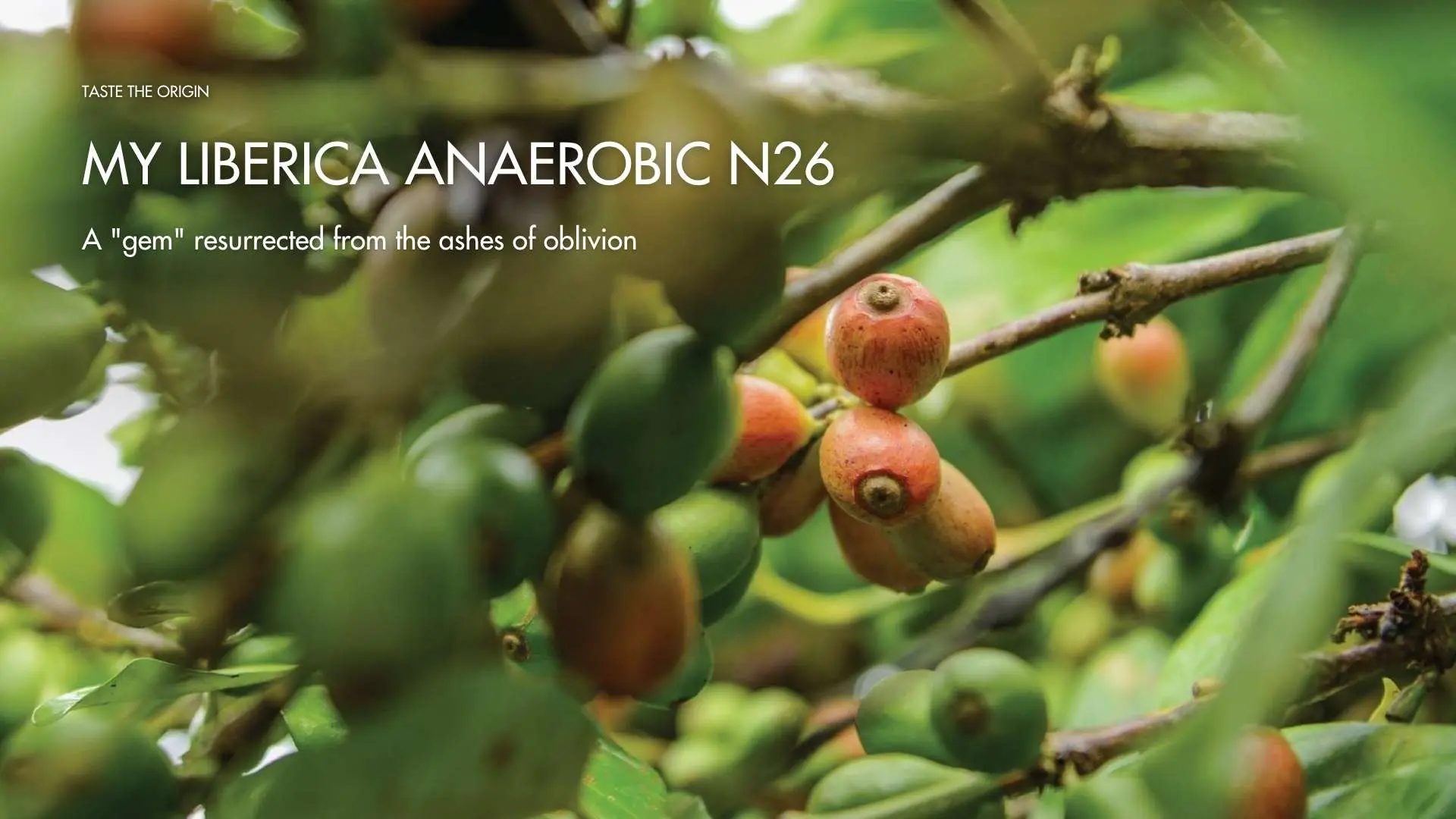
- Taste the Origin
My Liberica Anaerobic N26 – A “gem” resurrected from the ashes of oblivion
The journey of My Liberica Anaerobic N26 is the triumph of a forgotten species, awakened by the depth of understanding, patience, and faith in its original essence. From the heavy clay layers of Kulai to 26 days of transformation in absolute darkness, each step contributes to unlocking layers of flavor that the world once thought could not exist in Liberica. More than just a cup of coffee, My Liberica Anaerobic N26 is a powerful declaration that all great values begin with the courage to delve into their essence, and then rise to a unique voice that resonates throughout the world.


- Taste the Origin
Finca Soledad Mejorado Tyoxy & Fincas Putushio Mejorado – The red thread of the Jijón family
The simultaneous arrival of Finca Soledad Mejorado Tyoxy and Fincas Putushio Mejorado at XLIII Coffee paints a remarkable portrait of the adaptability of the Mejorado variety within Ecuador’s specialty coffee landscape. Nurtured by a shared family philosophy and a commitment to principled cultivation, these two processed lots represent both a breakthrough in microbial innovation and the remarkable return of an exceptional flavor profile.

- Taste the Origin
Finca La Palestina Gesha #5482 – A new chapter in the legend from Cajamarca
From the renowned Cajamarca region, Finca La Palestina Gesha #5482 returns after a period of absence with a proud and fresh appearance. Nurtured in ideal altitude conditions and the cool climate characteristic of the Andes, each coffee bean slowly accumulates subtle flavor nuances before being perfected using the Washed method to maximize the purity of the Gesha variety. Under a carefully refined extremely-light roast profile, this batch of coffee reveals layers of white jasmine, ripe citrus, and sweet golden apricot aromas, interwoven in an elegant and rich flavor structure.

Specialty Coffee in Vietnam
BRAND VALUE
YOU SHOULD HAVE KNOWN
XLIII Coffee has been aiming to become a big, impactful company with social responsibilities,
have access to high-quality raw materials and convey the complete original values of coffee to our customer
