
Specialty Coffee in Vietnam – A turning point or a distant dream?
Vietnam is globally recognized for its coffee production, ranking second in the world for Robusta exports, just behind Brazil. However, sheer volume is not enough to meet the demands of the increasingly sophisticated global coffee market. Recognizing this, Vietnam has begun focusing on specialty coffee, making efforts to cultivate Arabica beans and enhance processing techniques. Despite some initial achievements, reaching the strict international standards of specialty coffee remains a significant challenge. The question is: Can Specialty Coffee in Vietnam make its mark on the global stage?
Table of Contents
I. The potential of Vietnam’s Specialty Coffee
The term “Specialty Coffee” is defined by the Specialty Coffee Association (SCA), which sets stringent standards regarding bean quality, origin, and grading. Some may mistakenly believe that Vietnamese specialty coffee already meets these standards, but in reality, this is an aspiration for the near future. Clearly differentiating between Vietnamese specialty coffee and SCA-certified specialty coffee helps readers appreciate Vietnam’s efforts to improve quality and establish a solid position in the international market.
Vietnam has many advantages for growing high-quality coffee, including favorable land and experienced farmers. The future of Vietnamese specialty coffee is bright, especially with the development of Arabica beans and improved cultivation practices.
Diverse coffee varieties
According to the General Department of Vietnam Customs, Vietnam exported 833,000 tons of coffee in the first five months of 2024, with Robusta accounting for about 82% of that volume. Robusta coffee plants thrive in the Central Highlands and have been a source of income for local farmers for decades.
Recently, Arabica varieties have gained more attention and are now cultivated in areas like Lâm Đồng and Sơn La. Notable varieties include Bourbon, known for its sweetness and smooth body, and Typica, appreciated for its delicate acidity. Hybrid varieties like Catimor, which are more resistant to pests, are also being improved in quality, adding diversity to Vietnam’s coffee and creating opportunities for producing premium coffee in the future.
Ideal climate and soil
Vietnam’s Arabica-growing regions, such as Lâm Đồng’s Cầu Đất area, offer ideal conditions with high altitudes (1,500-1,650 meters), cool weather, and mineral-rich soil, perfect for producing high-quality Arabica coffee. Coffee from Cầu Đất stands out with its fruity aroma and mild acidity, gaining recognition in quality evaluations.
In the Central Highlands, the rich volcanic soil of Đắk Lắk and Gia Lai provides ideal conditions for robust Robusta coffee. Although Robusta is usually associated with mass-market coffee, modern cultivation and processing methods, such as wet processing, can enhance its complexity and body, occasionally revealing flavors like chocolate, hazelnut, or earthy notes.
These natural factors form a solid foundation for the growth of Vietnamese specialty coffee, especially as new varieties and advanced farming techniques are adopted.
Farmers’ expertise and dedication
Vietnamese farmers, especially in the Central Highlands, have extensive experience growing coffee. Their deep knowledge of coffee cultivation has allowed them to maintain stable production for decades. Recently, many farmers have joined international support programs to improve their production techniques, particularly in specialty coffee.
Farmers in areas like Lâm Đồng and Sơn La have experimented with new processing methods like wet processing, natural drying, and controlled drying, which help develop more complex coffee flavors, aligning with specialty coffee standards.
Growing domestic demand for quality coffee
The domestic market in Vietnam is increasingly shifting towards higher-quality, sustainable coffee consumption. Specialty coffee shops, such as XLIII Coffee, are growing in number, focusing on delivering unique coffee experiences through careful bean selection and manual brewing methods like pour-over and filter. The younger generation in Vietnam is becoming more aware of coffee quality and is willing to pay premium prices for the complex and unique flavors of specialty coffee.
This growing demand is driving local producers to focus more on their cultivation and processing methods to improve the quality of their beans. This not only stimulates the growth of Vietnam’s domestic specialty coffee market but also opens doors for exporting Vietnamese coffee if international quality standards are met.

The domestic market in Vietnam is gradually shifting toward high-quality coffee consumption, creating opportunities for Vietnamese coffee to be exported to the global market if it meets strict quality standards.
II. Challenges on the path to developing Vietnamese Specialty Coffee
Strong competition from established Specialty Coffee producers
Should Vietnam successfully develop its specialty coffee industry, it will face stiff competition from countries with a long-standing reputation for specialty coffee, such as Ethiopia and Colombia. These nations produce exceptional specialty coffees that consistently score high in international competitions due to their superior quality and distinctive flavors.
To elevate the recognition and value of Vietnamese specialty coffee in the global market, it is essential to develop high-quality coffee varieties, improve processing methods to meet SCA standards, and build strong branding and marketing strategies.
Limited awareness among Vietnamese consumers
Traditional coffee in Vietnam is mostly Robusta, characterized by its strong flavor and high concentration, typically brewed using the traditional “phin” filter. This has led many consumers to be unfamiliar with the characteristics of specialty coffee, such as its nuanced flavors and advanced processing techniques. Many consumers may not fully appreciate the distinctions between traditional coffee and specialty coffee, leading to a reluctance to pay more for specialty products.
Producers and specialty coffee shops need to focus on consumer education through media campaigns, tasting events, and coffee workshops. Hosting events like “Specialty Coffee Day” can raise awareness and interest in specialty coffee.

Traditional coffee in Vietnam is mainly Robusta, known for its strong flavor and high concentration, often brewed using traditional methods like the phin filter.
Processing and roasting infrastructure limitations
Processing and roasting infrastructure play a critical role in producing coffee that meets international specialty standards. Many coffee processing facilities in Vietnam still lack modern equipment and standardized processes, leading to inconsistent quality control and flavor. For instance, traditional sun-drying methods can result in uneven bean quality.
Investing in modern processing and roasting infrastructure, while expensive, is essential for improving product quality. Producers can seek investment or support from international cooperation programs to fund the necessary equipment upgrades.
III. Opportunities for Vietnam’s Specialty Coffee industry
Global trends towards sustainable and high-quality coffee
Globally, consumers are increasingly demanding sustainable and high-quality coffee products, creating opportunities for Vietnamese producers to enter the international market.
By adopting sustainable farming practices and improving product quality, Vietnam has the potential to produce its first batches of internationally recognized specialty coffee.
Government and international support
The Vietnamese government and international organizations are showing growing interest in developing sustainable agriculture, including coffee. Programs providing financial support, training, and technical assistance can help Vietnamese farmers improve their coffee quality and adopt modern farming methods.
Creative product development reflecting local identity
Innovative coffee production and processing can create unique products that showcase Vietnam’s local culture and flavors. The development and promotion of specialty Arabica beans from regions like Cầu Đất, with their distinct aroma and light acidity, can position Vietnam’s coffee on the international stage.

Innovation in coffee processing and production helps create unique products that reflect the distinctive essence of Vietnamese culture.
IV. XLIII Coffee - Pioneering Vietnam’s Specialty Coffee dream
XLIII Coffee is making significant contributions to the development of Vietnam’s specialty coffee industry. Through building a sustainable supply chain, continuously improving product quality, and creating a strong brand, XLIII Coffee is helping to elevate the recognition of Vietnamese specialty coffee domestically and internationally.
By fostering long-term relationships with farmers and prioritizing direct trade, XLIII Coffee ensures fair compensation for coffee producers while promoting environmental sustainability.

After many years of growth and collaboration with specialty coffee, XLIII Coffee has built a reputable image, becoming a trusted guarantee for exceptional coffee batches.
V. A bright future for Vietnamese Specialty Coffee
The role of brands in educating the market, connecting communities, and investing in research is essential for improving the quality and value of Vietnamese specialty coffee. These efforts not only contribute to the growth of the domestic coffee industry but also open up opportunities for Vietnam’s coffee on the international market.
With natural advantages, committed farmers, and companies like XLIII Coffee leading the way, Vietnam’s specialty coffee industry has the potential to reach international acclaim. The current challenges, though significant, are driving innovation and sustainable development. By continuing to seize opportunities and improve product quality, Vietnam’s specialty coffee dream is within reach.
VI. FAQs
1. What is the difference between Vietnamese Specialty Coffee and internationally certified Specialty Coffee by SCA?
Vietnamese Specialty Coffee and SCA-certified Specialty Coffee are distinct. Vietnamese Specialty Coffee is still in its early stages of development and aims to meet international standards in the near future. However, it has not yet fulfilled the strict requirements set by the SCA in terms of grading, origin, and bean quality. Understanding this difference helps to accurately assess Vietnam’s efforts in improving quality and establishing a stronger position in the global coffee market.
2. What are the development trends for specialty coffee in Vietnam?
The development trends for specialty coffee in Vietnam include:
- Leveraging regional strengths: Utilizing the diversity of Vietnam’s climate and soil to create unique, region-specific coffee products.
- Organic coffee production: Meeting the growing demand for clean, sustainable products.
- Original specialty coffee reflecting regional characteristics: Focusing on preserving and developing distinct coffee varieties unique to specific regions, such as Moka coffee from Lâm Đồng.
3. What are the biggest challenges facing the future of Vietnamese Specialty Coffee?
In the future, Vietnamese Specialty Coffee will face challenges such as limited investment in research and development, strong competition from other countries, and the need to build a sustainable and high-quality supply chain.
4. Can Vietnam export Specialty Coffee to the global market?
Vietnam has the potential to produce and export Specialty Coffee to the global market due to improving quality and increasing awareness of high-quality coffee. However, achieving this will require continued efforts and development.
5. How does XLIII Coffee contribute to the development of Vietnam’s Specialty Coffee industry?
XLIII Coffee contributes to the growth of Vietnam’s Specialty Coffee industry by:
- Building a sustainable supply chain and forming long-term partnerships with farmers, focusing on direct trade.
- Continuously improving product quality through knowledge enhancement and process innovations.
- Establishing a strong brand, raising consumer awareness about SCA-certified Specialty Coffee in Vietnam.
- Aiming to promote Vietnamese Specialty Coffee internationally in the future.

Bài viết mới

- Taste the Origin
Finca La Palestina Red Bourbon #5487 – A blossoming legacy in the highlands of Cajamarca
Amidst the ethereal clouds of Cajamarca, where the deep forest, Mother Earth, and time harmonize, Finca La Palestina Red Bourbon #5487 is born as a proud epic of heritage. It bears witness to the story of three generations of the Alarcón Coronel family, to their respect for nature, and to their Cup of Excellence achievements. Each layer of fragrance is a journey for all the senses, leading the connoisseur into subtle and captivating depths.

- Breaking News
Royal Botanic Gardens, Kew announces new hybrid coffee named Libex
As the global coffee industry faces unprecedented challenges from climate change, the Royal Botanic Gardens, Kew (UK) has brought a ray of hope by formally announcing a natural hybrid coffee named Libex. Identified after intensive genetic research across three continents, Libex represents a perfect intersection between the resilient heat tolerance of Liberica and the robust agronomic vigor of Excelsa.

- Find the Origin
Mejorado Coffee Variety – The Perfect Blend of Bourbon & SLN Hybrid Lineage
Originating from the windswept hillsides of the South American highlands, the Mejorado coffee variety tells the story of a genetic masterpiece that is redefining the boundaries of the contemporary Specialty Coffee world. Behind a easily misunderstood name lies a completely distinct alter ego, where the sweet heritage of the Bourbon variety intertwines with the resilient vitality of the SLN hybrid lineage. Thanks to a profound slow-ripening process in the chill of extreme altitudes, this seed nurtures a magnificent flavor profile with ethereal floral and fruit notes, stepping onto the altars of global competitions to assert its status as a future icon, ready to stir the most discerning senses.
- Taste the Origin
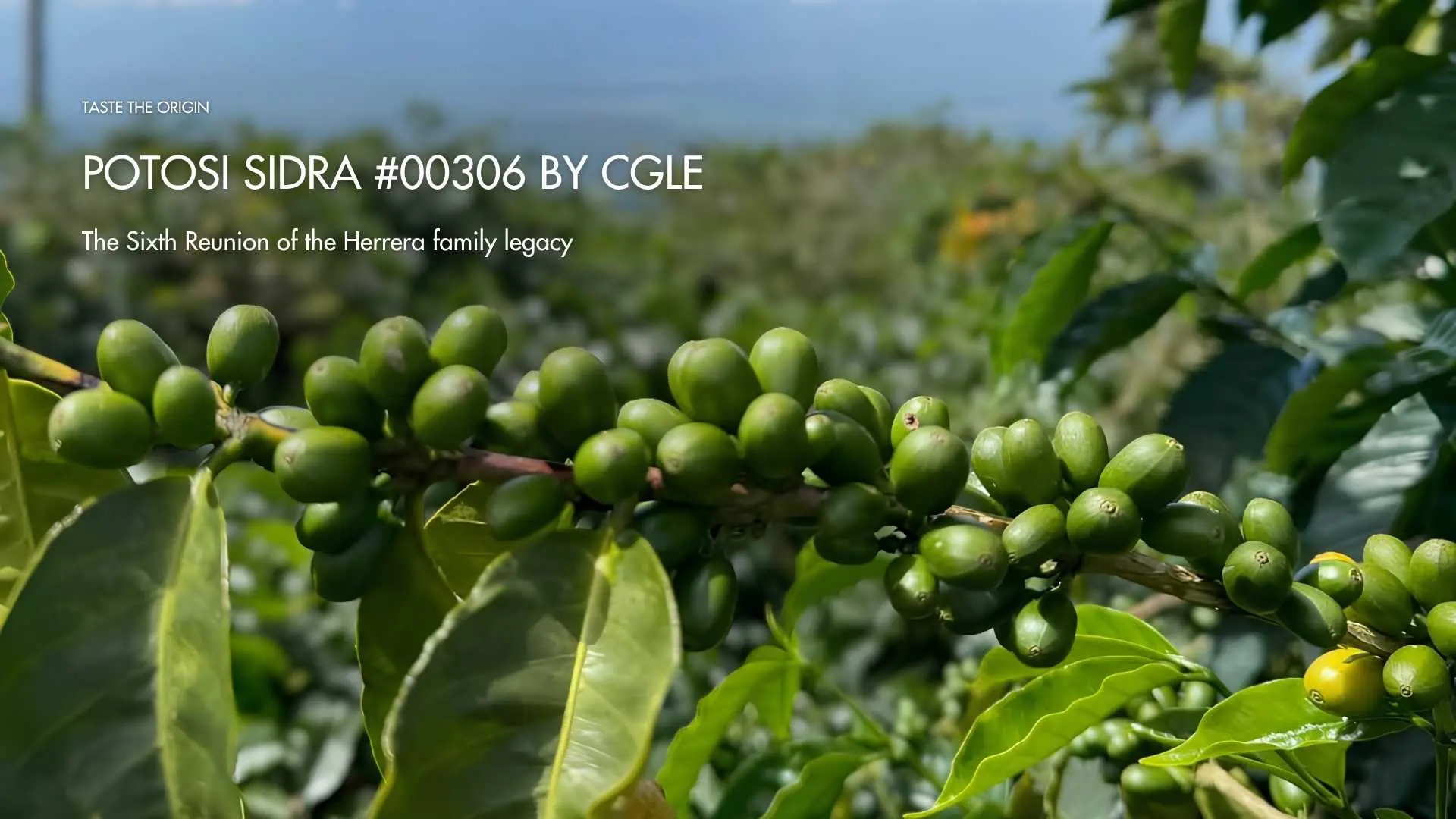
Potosi Sidra #00306 – The sixth reunion of the Herrera family legacy
The sixth harvest marks the return of Potosi Sidra #00306 by CGLE, carrying the presence of a family patriarch entrusted with more than eighty years of heritage from the Herrera family. Cultivated in the founding valley of Potosi since 1945 in Caicedonia, this genetic treasure born from the union of Bourbon and Typica presents a remarkably evolved sensory profile. Through its Extremely Light Roast philosophy and the financial transparency of the Paid for Producer model, XLIII Coffee chooses to preserve the authentic voice of terroir and the coffee’s original flavor structure.
- Taste the Origin
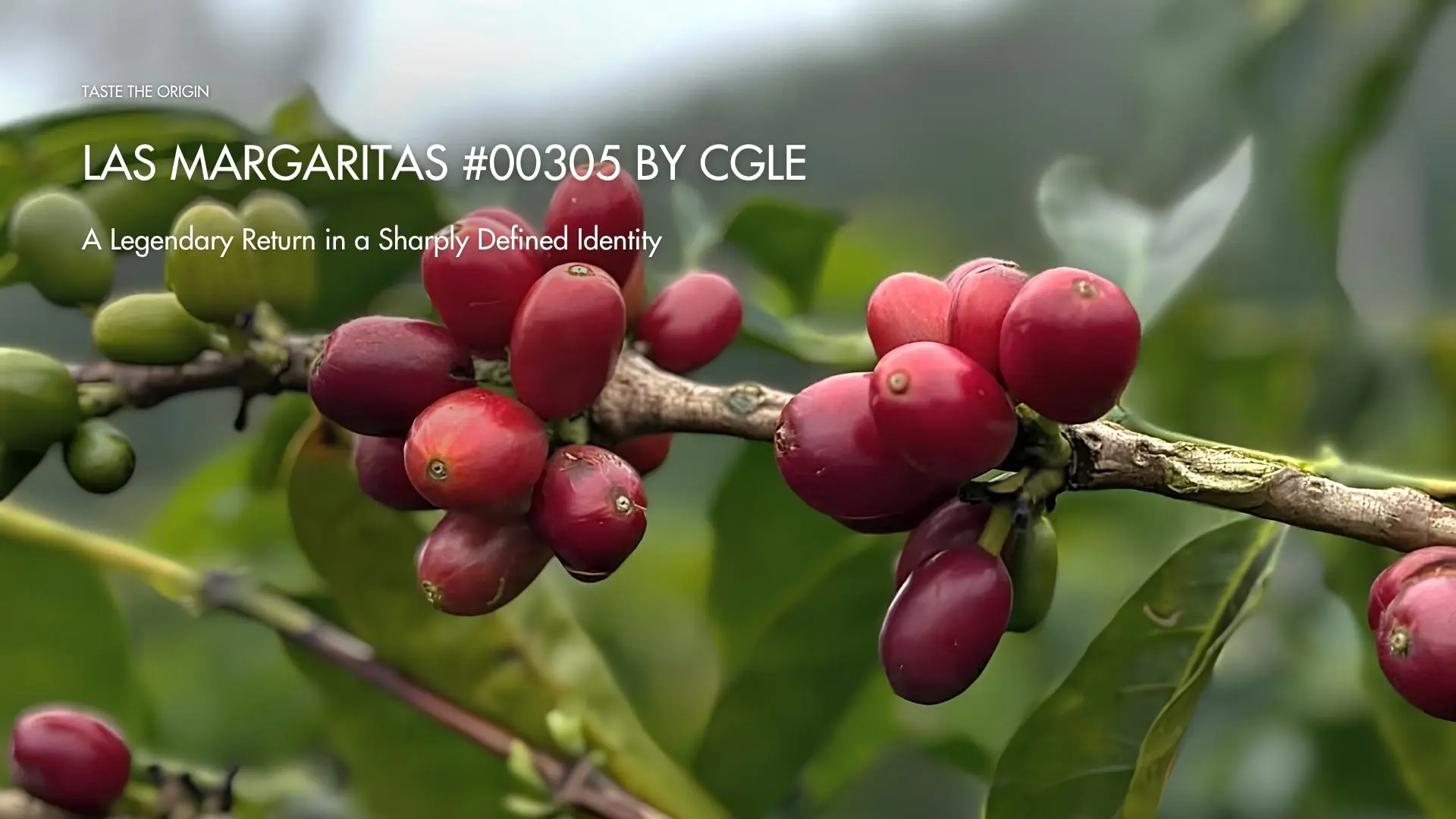
Las Margaritas #00305 by CGLE – A Legend Reunited in a Sharper Identity
Las Margaritas #00305 by CGLE returns to XLIII Coffee as a Gesha masterpiece reborn from the renowned Valle del Cauca region. Infused with the exquisite craftsmanship of Café Granja La Esperanza, this rare batch of coffee embarks on an enchanting flavor journey with vibrant citrus notes, delicate jasmine, and an elegant, lingering Earl Grey finish. Each drop is a crystallization of fertile volcanic soil and the sustainable farming philosophy that CGLE has persistently pursued for decades, creating a full-bodied, sharp flavor profile while retaining the pristine beauty characteristic of the royal Gesha variety.

- Find the Origin
Mandela coffee variety – A convergence of generations from a masterpiece breeding strategy
Amidst the constant fluctuations of the era, Mandela emerges as a gentle yet resilient response from the soil. Instead of attempting to alter or impose upon nature, this breeding strategy is, in essence, a profound act of listening. Each Mandela coffee bean carries the bloodline of multiple generations, possessing both the serene, steadfast nature of native trees and the sparkling elegance of premium varieties. It is a sacred continuation, where the flow of generations ultimate honors the original value of the species, imparting an intact and sustainable vitality into every cup.

Specialty Coffee in Vietnam
BRAND VALUE
YOU SHOULD HAVE KNOWN
XLIII Coffee has been aiming to become a big, impactful company with social responsibilities,
have access to high-quality raw materials and convey the complete original values of coffee to our customer
