
SL28 and SL34 coffee varieties: The resilient and promising new generation
The coffee industry is constantly evolving with promising new varieties like SL28 and SL34. Known for their complex flavors and resilience to harsh weather conditions, these two varieties have established themselves as rising stars in the specialty coffee world. But what sets them apart and enhances their impact? Let’s explore the hidden strengths of SL28 and SL34 coffee varieties that have made them renowned in the global coffee community.
1. Overview of SL28 and SL34 coffee varieties
Coffee variety is one of the core factors determining the quality and flavor of each cup of coffee. As more consumers are interested in specialty coffee, choosing the right variety not only optimizes flavor but also distinguishes high-end coffee products. SL28 and SL34 are among the three SL varieties officially recognized by World Coffee Research (WCR).
These two varieties have proven their exceptional value in the specialty coffee industry due to their adaptability, complex flavors, and high stability. “SL” stands for Scott Laboratories, the Kenyan research center that developed these varieties. The notable advantage of SL varieties over other coffee varieties is that they require minimal fertilizers and care. Even after years of neglect, they continue to produce yields (albeit at lower levels).
– SL28
- Origin: Scott Agricultural Laboratories, Kenya
- Genetic Traits: Bourbon-Typica group (related to Typica)
- Resilience: Low nutritional requirements; susceptible to rust, nematodes, and coffee berry disease; drought-resistant
- Yield: High
- Flavor Potential at High Altitude: High
- Growing Conditions: High-altitude areas with good rainfall
– SL34
- Origin: Scott Agricultural Laboratories, Kenya
- Genetic Traits: Bourbon-Typica group (related to Bourbon)
- Resilience: Low nutritional requirements; susceptible to rust, nematodes, and coffee berry disease
- Yield: Very high
- Flavor Potential at High Altitude: High
- Growing Conditions: Mid to high-altitude areas with harsh climates
Both SL28 and SL34 are favored not only for their prestigious origin but also for their ability to produce exceptional coffee flavors that are hard to match. They serve as the foundation for many famous specialty coffees worldwide, especially in leading coffee-producing regions such as Kenya, Tanzania, and South America.
2. Origin and characteristics of SL28
Historical background
The SL28 coffee variety was developed by Scott Agricultural Laboratories to find a coffee variety with good resistance to harsh climate conditions while ensuring excellent flavor quality. According to WCR, SL28 was selected in 1935 from a population called Tanganyika Drought Resistant, belonging to the Bourbon-Typica genetic group (related to Bourbon).
This coffee variety quickly demonstrated its potential, not only in terms of weather resistance but also in producing delicate and complex coffee flavors. Additionally, SL28 was rapidly accepted and widely planted thanks to its unique flavor profile and bright acidity.
Genetic characteristics and flavor
SL28 has tall green-tipped trees and bears the genetic characteristics of the Bourbon variety, including complex flavors, natural sweetness, and bright acidity. This combination creates coffee beans with a light body yet rich and full of flavor layers.
SL28 coffee is often known for its fruity notes such as orange, lemon, and berries combined with natural sweetness and a light body, creating a captivating coffee experience. This balance and sophistication have made SL28 one of the most popular varieties in the specialty coffee industry.

The SL28 coffee variety was developed by Scott Agricultural Laboratories to create a coffee plant capable of withstanding harsh climate conditions while maintaining excellent flavor quality.
3. Origin and features of SL34
Development and adaptation
The SL34 variety was also developed by Scott Agricultural Laboratories during the same period as SL28. However, SL34 was primarily aimed at improving adaptability to tropical climates, especially in regions with high rainfall.
SL34 is widely used in coffee farms in Kenya and many coffee-producing areas facing high climate variability risks. With its high vitality, SL34 helps reduce risks for coffee growers while ensuring stable coffee yield and quality.
Characteristics and flavor
SL34 is genetically rooted in Typica, with tall trees and copper-tipped leaves. While it has good yields, it requires more fertilizers than SL28. However, these trees have strong resilience and vigor, making SL34 an ideal choice for harsh climate areas without compromising coffee flavor quality.
The flavor of SL34 is highly balanced, with a full and rich body. Notes of chocolate, hazelnut, and subtle citrus create a complete and profound coffee experience. This combination appeals not only to fans of bold coffee but also captivates specialty coffee enthusiasts.

SL34 is widely used on coffee farms in Kenya and in many coffee-producing regions that face high risks of climate variability.
4. Optimal growth environment for SL28 and SL34
Altitude significantly affects the flavor of both SL28 and SL34. In high-altitude regions, coffee beans develop more slowly, allowing for the accumulation of more flavor compounds. This results in coffee with complex flavors, balanced acidity, sweetness, and body. Both SL28 and SL34 thrive in highland areas at elevations from 700 meters above sea level. The climate conditions here enable slow coffee growth, producing beans rich in natural sugars and acids while preserving their distinctive flavors.
Additionally, SL34 has better disease resistance than SL28, especially in humid climates. This makes SL34 a preferred choice in areas with high disease risk while ensuring the flavor quality remains unaffected.

Both SL28 and SL34 thrive in highland regions at altitudes of 700 meters above sea level or higher
5. Global expansion of SL28 and SL34
Popular cultivation areas
SL28 and SL34 have been widely planted in many African countries besides Kenya, such as Tanzania and Ethiopia. Here, they have become the foundation for specialty coffee production, offering high-quality coffee with distinctive flavors, contributing to the development of the specialty coffee industry in the region.
Beyond Africa, SL28 and SL34 have begun to spread to other parts of the world, particularly South America. Many coffee farms in Colombia, Brazil, and Peru have started to adopt these two varieties due to their ability to produce high-quality coffee under diverse climate conditions. With the growing interest in specialty coffee, many farmers in South America have invested in growing SL28 and SL34. In Colombia, SL28 is becoming increasingly popular, especially in high-altitude regions like Huila and Nariño, where the climate and terrain are ideal for coffee development. SL34, with its good disease resistance, has also been successfully tested in some areas of Brazil and Peru. The results show that these varieties not only yield high crops but also enhance the flavor quality of South American coffee, enriching the region’s specialty coffee portfolio.
Bright future for SL28 and SL34
SL28 and SL34 coffee varieties have been and continue to play an important role in the global specialty coffee industry. Their ability to produce beans with rich flavors, bright acidity, and full-bodied profiles makes them promising factors in the specialty coffee world. Moreover, they help farmers improve yields and disease resistance, offering long-term economic benefits.
With the market trend increasingly favoring coffee products with clear origins and unique flavors, these varieties promise to continue expanding to new areas. Experts predict that SL28 and SL34 will maintain their significant position in the specialty coffee industry. The combination of modern farming techniques and ideal natural conditions will be key for farmers and coffee producers to maximize the potential of SL28 and SL34, enriching the coffee experience for consumers worldwide.

SL28 and SL34 are widely planted in African regions and have begun to spread to other parts of the world, especially South America, due to their potential for quality and flavor.
Conclusion
In the competitive specialty coffee market, SL28 and SL34 have become high-value varieties, attracting the attention of roasters and consumers globally. The market is witnessing strong growth in products made from SL28 and SL34, particularly in premium markets in North America, Europe, and Asia. The demand for these varieties may expand to large coffee chains and other beverage manufacturers, offering unique and consistent flavors.
Moreover, they represent the perfect blend of agricultural science and farming artistry, providing invaluable value to both coffee growers and consumers. When sipping a cup of coffee from SL28 or SL34, one not only enjoys the excellent flavor but also appreciates the sophistication and dedication of those who create them.
FAQs
Question 1: Where do the SL28 and SL34 coffee varieties originate?
The SL28 and SL34 coffee varieties were developed by Scott Agricultural Laboratories in Kenya. SL28 was selected from a population called Tanganyika Drought Resistant, related to Bourbon. SL34 has genetics from Typica, developed to adapt better to tropical climates with high rainfall.
Question 2: What are the standout genetic characteristics of SL28 and SL34?
SL28 carries Bourbon genetic traits, with complex flavors, natural sweetness, and bright acidity. SL34 also has a Typica genetic foundation, with tall trees, good yields, but requires more nutrients than SL28.
Question 3: Why are SL28 and SL34 popular in the specialty coffee industry?
SL28 and SL34 are popular for their ability to produce coffee beans with rich flavors, bright acidity, and full-bodied profiles. Additionally, they adapt well to harsh climate conditions while providing stable yield and quality, making them ideal choices in the specialty coffee industry.
Question 4: What environmental conditions are best for SL28 and SL34?
Both SL28 and SL34 thrive in highland regions with altitudes of 700 meters and above, with cool climates and consistent rainfall. SL28 is suitable for high-altitude areas with good rainfall, while SL34 adapts well to tropical climates with high rainfall.
Question 5: Where have SL28 and SL34 been widely planted outside Kenya?
Beyond Kenya, SL28 and SL34 have been widely planted in many African countries such as Tanzania and Ethiopia, as well as in other parts of the world, including South America, particularly in Colombia, Brazil, and Peru.

Bài viết mới

- Taste the Origin
Nigussie Nare – Murago Outgrowers #03028: Cultivated from the Values of Sustainable Reciprocity
Nestled beneath the shade trees of Sidama, Bensa, the Nigussie Nare – Murago Outgrowers #03028 coffee lot serves as a living testament to the values of sustainable reciprocity. This symbiosis begins with the intimate bond between a rich indigenous ecosystem and the smallholder farmers of the Murago region. Each harvested bean is the culmination of a virtuous cycle: a stable environment produces exceptional bean quality, and sustainable economic growth, in turn, continues to protect the verdant canopy of the great forest.

- Taste the Origin
Rift Valley Coffee Caucus #03757 – A Testament to Western Kenya’s Collective Spirit
Turning our gaze to the Great Rift Valley of East Africa, the fertile volcanic landscapes are witnessing an inspiring transformation. Moving away from fierce, survival-driven competition, smallholder farmers in Western Kenya have chosen to join forces, forging a resilient and unified network. The Rift Valley Coffee Caucus #03757 lot stands as the ultimate testament to this remarkable collective synergy.

- Breaking News
Airworks Coffee & XLIII Coffee – A “handshake” that brings original flavors across borders
XLIII Coffee, alongside our key wholesale partner Airworks Coffee, officially announces the latest release of specialty coffee lots for the North American market. This event reaffirms our commitment to bringing original flavors across all geographical barriers to coffee enthusiasts.
Early access (for Subscribers of Airworks): 10:00 AM (PST) | Wednesday, April 29, 2026
General access: 10:00 AM (PST) | Friday, May 1, 2026
We invite our Customers and Partners to visit (airworkscoffee.com) for detailed information and to prepare for this special release!
- Taste the Origin
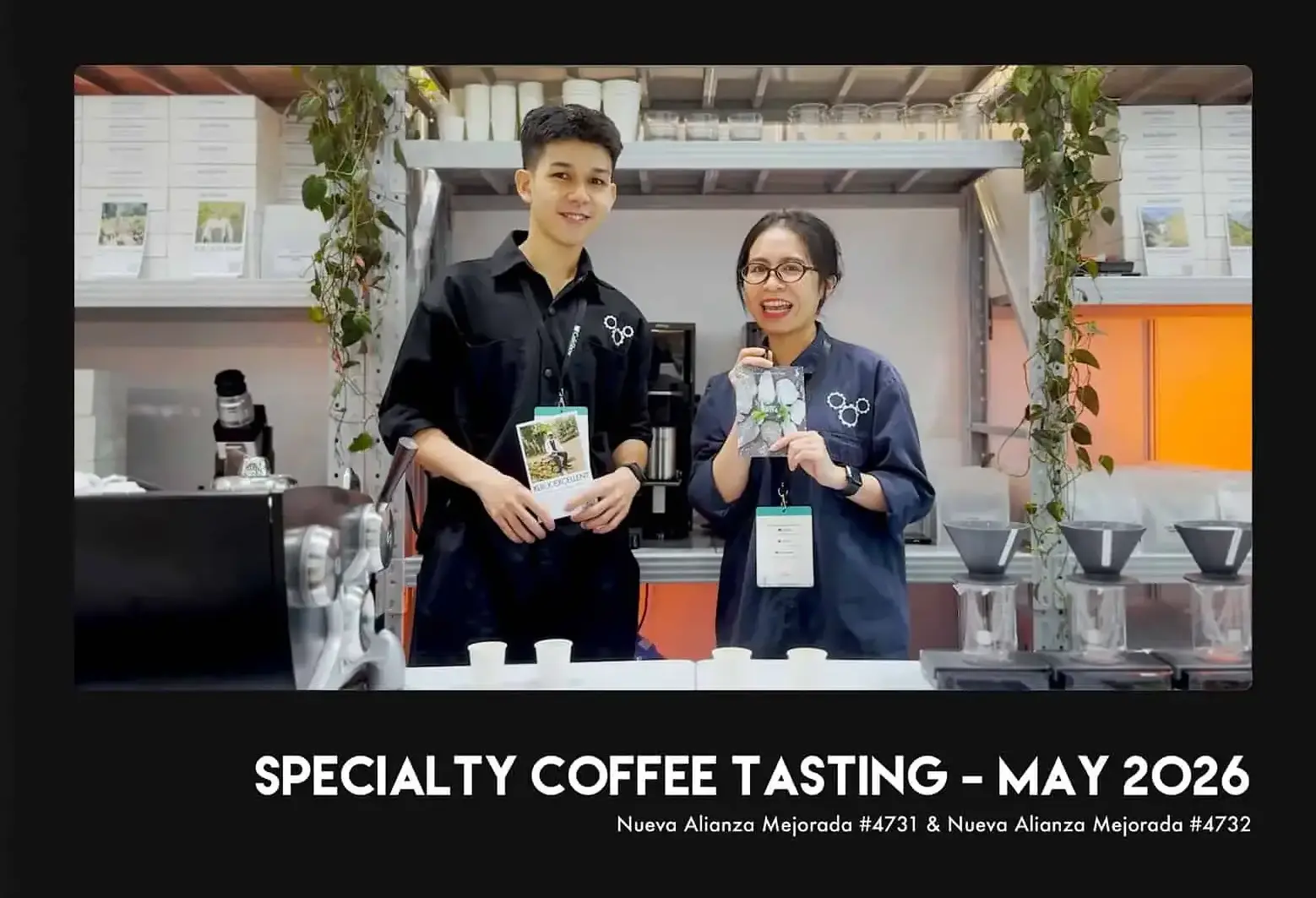
Unveiling May Discovery Subscription: Nueva Alianza Mejorada #4731 & Nueva Alianza Mejorada #4732
The Discovery Subscription is a silent dialogue, a place where the soul of the connoisseur finds a harmonious beat with distant lands. Like a transparent lens, we become storytellers, meticulously peeling back layers of cultural sediment, the breath of the soil, and the human philosophies hidden within every coffee bean.
May arrives with brilliant streaks of golden sunlight, a time when we long to hide beneath the lush, dew-drenched canopies of Santa Teresa. Amidst the silence of the Andes, when compassion touches Mother Earth, what will we hear? Perhaps it is a sweet response that nature reserves solely for souls who know how to wait patiently.

- Taste the Origin
Nueva Alianza Pacamara #4733 – The essence of Cusco with elegant jasmine notes
Nueva Alianza Pacamara #4733 is a testament to the miraculous terroir and dedicated cultivation of the renowned Cusco region. The combination of the characteristic Pacamara bean size and ideal altitude has forged a flavor profile of immense sophistication and depth. From the very first moment, this lot captivates with its elegant jasmine notes, radiating a gentle, pure fragrance akin to a flower blooming in the morning dew.

- Taste the Origin
Nueva Alianza Orange Gesha #4737 – An expedition of recessive genetic traits into the sensory realm
In a world of authenticity, Nueva Alianza Orange Gesha #4737 represents the proud emergence of rare biological traits often obscured by nature’s universality. Carrying a recessive genetic code, Lot #4737 embarks on an “expedition” into the connoisseur’s mind, where record-breaking fructose concentrations are released to perfectly fill every sensory gap with absolute smoothness and purity.
Through washed processing and extremely-light roasting, vibrant citrus nuances and ethereal floral notes, once hidden deep within the genetic structure, now manifest with power, transforming the tasting experience into a journey of ontological completion, where the rarity of recessive genes finally reigns supreme in flavor.

Specialty Coffee in Vietnam
BRAND VALUE
YOU SHOULD HAVE KNOWN
XLIII Coffee has been aiming to become a big, impactful company with social responsibilities,
have access to high-quality raw materials and convey the complete original values of coffee to our customer
