
Neja Fadil coffee – A community effort from Tobitu Tuta
Neja Fadil coffee is the result of the dedication and hard work of hundreds of hands in Tobitu Tuta, Ethiopia. Growing in a region with a long tradition of coffee production and ideal natural conditions, this coffee embodies purity, quality, and an inspiring story of ethical coffee production.
Table of Contents
I. Origin of Neja Fadil coffee varietals
Neja Fadil is a unique blend of coffee varietals 74110, 74112, Dega, and Wolisho. Though all originate from Ethiopia, each brings its own distinct characteristics. Varietals 74110 and 74112, both derived from the Metu-Bishari forest, are compact and disease-resistant. Dega, named after the Amharic word for “cool highlands,” thrives in high-altitude areas with a sweet aroma reminiscent of roasted coffee. Wolisho, a local variety, produces large beans with a unique fragrance.
II. Growing conditions for Neja Fadil coffee
The terroir, shaped by natural conditions and the farmers’ care, plays a significant role in defining the quality and distinctive flavor of Neja Fadil coffee. Benefiting from the natural blessings and strong farming traditions of the region, Neja Fadil coffee reveals its finest genetic qualities.
Natural Blessings of Tobitu Tuta, Uraga
Neja Fadil coffee is cultivated in Tobitu Tuta, Uraga, Guji—one of Ethiopia’s most renowned coffee-growing regions. Situated at over 2,000 meters above sea level, Tobitu Tuta enjoys an ideal climate and rich red clay soils for producing high-quality Arabica coffee. The area’s abundant rivers provide fresh water year-round, creating an environment that nurtures the rich compounds in the coffee beans.
Guji, Uraga is recognized among the top five most beloved coffee-producing regions worldwide. The area’s pristine forests, rich biodiversity, and native flora and fauna help create a unique ecosystem where coffee thrives, resulting in beans with rich and distinctive flavors that reflect the character of the region.

The coffee is grown in Tobitu Tuta, Uraga, Guji, a famous coffee-producing region in Ethiopia.
Tobitu Tuta’s commitment to nurturing coffee
Beyond natural factors, the success of Neja Fadil coffee is also due to the dedication and love of 250 farmers in Tobitu Tuta. These farmers adhere to traditional farming practices, often intercropping coffee with food crops, optimizing land use while ensuring food security for their families. This approach fosters a sustainable and balanced farming system.
In addition to traditional intercropping, the farms in Tobitu Tuta also pursue organic coffee farming, using minimal to no fertilizers or pesticides. Most farm work, from planting and care to harvesting, is done by hand by the farmers’ families, ensuring each coffee bean receives meticulous attention.
Maintaining traditional and organic farming practices enhances the value of ethical coffee. It also helps farmers preserve the cultural identity of the Tobitu Tuta community, protecting the ecosystem and their living environment for future generations.
III. Preserving Neja Fadil coffee’s value at the Guji processing station
Most coffee farms in Tobitu Tuta are small-scale, averaging about 1 hectare, with limited resources. After harvesting, farmers bring their coffee to processing stations like Neja Fadil. This station is a trusted partner in processing, preserving, and elevating the unique qualities of Ethiopian coffee while guiding farmers on cultivation, harvesting, and finding markets for their coffee.
After harvesting, the coffee is delivered to the Neja Fadil processing station. Here, workers aggregate small lots, carefully inspect, and select only the fully ripe, intact coffee cherries. This process ensures that only the highest quality beans are processed.
Neja Fadil coffee undergoes a fully washed processing method. The cherries are cleaned, sorted, and pulped to remove the outer skin and mucilage, leaving the green beans, which are then sun-dried on raised beds. During drying, workers frequently turn the coffee to ensure even drying, keeping the beans fresh and of the highest quality.

After harvesting, the coffee is taken to the Neja Fadil processing station for washed processing
IV. Flavor profile of Neja Fadil coffee
The careful attention to ethical coffee production and the focus on detail in every step of the process bring out the rich and refined flavors of Neja Fadil coffee, a true representation of Ethiopian Specialty Coffee. The nuanced flavors captivate coffee lovers and showcase the unique beauty of the region on the global coffee map.
When enjoying Neja Fadil coffee, you may be immediately drawn to its vibrant aroma, with fresh Clementine, sweet honey, and delicate lavender. Like a masterpiece crafted by Tobitu Tuta, each layer reveals a pure, enchanting beauty.

The coffee has rich, sweet flavors that are typical of Ethiopian Specialty Coffee.
At first, Neja Fadil coffee gently entices with the scent of ripe citrus from a Clementine orchard. Upon tasting, the vibrant acidity of the citrus comes alive, followed by the sweetness of honey, adding depth and interest to the experience. The aroma is natural, blending smoothly like honey with the citrus, dancing lightly across the palate.
As the acidity mellows, the delicate, refined scent of lavender emerges, combining with the remaining flavors to create a fresh and lively experience. All these elements come together to create a soft, pleasing sensation, drawing you into the love and dedication of the Tobitu Tuta farmers.
V. Experience the full value of Neja Fadil coffee at XLIII Coffee
With a commitment to authenticity and excellence, experiencing Neja Fadil at XLIII Coffee offers not just a superb cup of coffee but also a complete and meaningful engagement with the Specialty Coffee supply chain.
Light roast technique: Preserving the coffee’s true flavor
XLIII Coffee applies a light roast technique with low heat, minimizing any impact on the coffee bean’s structure. This technique aims to highlight the bean’s quality, with every aspect of the process carefully controlled to preserve the natural characteristics and flavor of Neja Fadil coffee. As a result, the roasted beans remain free of oil, retaining the essence of the terroir, ready to be unlocked.
Traceability and sustainable value creation
Leveraging technological advancements, XLIII Coffee enhances the transparency of Neja Fadil coffee. Through partnerships with processing stations in Guji, XLIII Coffee not only ensures clear traceability of each batch of Specialty Coffee but also adds value for farmers and roasters. They work directly with the processing station team, ensuring fair prices that reflect the effort of each producer, and carefully documenting information to build a sustainable and ethical coffee supply chain.
Customers at XLIII Coffee can enjoy high-quality coffee while experiencing full traceability information of each coffee batch. Additionally, customers can immerse themselves in the coffee’s journey through stories shared by the XLIII Coffee Workers during the experience. From the vast coffee fields of Tobitu Tuta, the Neja Fadil processing station, to the meticulous roasting process at XLIII Coffee, every detail is conveyed authentically and vividly.

XLIII Coffee works to increase the transparency of Neja Fadil coffee.
Conclusion
Neja Fadil coffee is a proud achievement of the collaboration between nature’s beauty and the hard work of the Tobitu Tuta community. The quality and flavor of this coffee clearly reflect its origins, from the genetic traits of its varietals to its cultivation and processing. Enjoying Neja Fadil coffee at XLIII Coffee is an opportunity to fully appreciate the rich layers of flavor and the effort behind the Specialty Coffee supply chain. Each cup is a fragrant symphony. Dive into this experience to savor the unique and refined qualities of Neja Fadil coffee and better understand the dedication and passion that the farmers pour into every coffee bean.
VI. Related Questions (FAQs)
1. Where does Neja Fadil coffee come from?
Neja Fadil coffee comes from Tobitu Tuta, Uraga, Guji in Ethiopia. This area is renowned for its elevation above 2,000 meters, red clay soils rich in minerals, and abundant rivers.
2. What varietals make up Neja Fadil coffee?
Neja Fadil coffee is a blend of varietals 74110, 74112, Dega, and Wolisho.
3. What farming methods are used in Tobitu Tuta?
Farmers in Tobitu Tuta use traditional farming methods, often intercropping coffee with food crops, and pursue organic coffee farming, using minimal to no fertilizers or pesticides.
4. How is Neja Fadil coffee processed at the processing station?
Neja Fadil coffee undergoes a fully washed processing method, where the cherries are carefully selected, cleaned, pulped, and dried on raised beds under the sun.
5. What are the distinctive flavors of Neja Fadil coffee?
Neja Fadil coffee features fresh Clementine, sweet honey, and delicate lavender, creating a refined and vibrant flavor profile.

Bài viết mới

- Find the Origin
Mandela coffee variety – A convergence of generations from a masterpiece breeding strategy
Amidst the constant fluctuations of the era, Mandela emerges as a gentle yet resilient response from the soil. Instead of attempting to alter or impose upon nature, this breeding strategy is, in essence, a profound act of listening. Each Mandela coffee bean carries the bloodline of multiple generations, possessing both the serene, steadfast nature of native trees and the sparkling elegance of premium varieties. It is a sacred continuation, where the flow of generations ultimate honors the original value of the species, imparting an intact and sustainable vitality into every cup.


- Taste the Origin
Nigussie Nare – Murago Outgrowers #03028: Cultivated from the Values of Sustainable Reciprocity
Nestled beneath the shade trees of Sidama, Bensa, the Nigussie Nare – Murago Outgrowers #03028 coffee lot serves as a living testament to the values of sustainable reciprocity. This symbiosis begins with the intimate bond between a rich indigenous ecosystem and the smallholder farmers of the Murago region. Each harvested bean is the culmination of a virtuous cycle: a stable environment produces exceptional bean quality, and sustainable economic growth, in turn, continues to protect the verdant canopy of the great forest.

- Taste the Origin
Rift Valley Coffee Caucus #03757 – A Testament to Western Kenya’s Collective Spirit
Turning our gaze to the Great Rift Valley of East Africa, the fertile volcanic landscapes are witnessing an inspiring transformation. Moving away from fierce, survival-driven competition, smallholder farmers in Western Kenya have chosen to join forces, forging a resilient and unified network. The Rift Valley Coffee Caucus #03757 lot stands as the ultimate testament to this remarkable collective synergy.

- Breaking News
Airworks Coffee & XLIII Coffee – A “handshake” that brings original flavors across borders
XLIII Coffee, alongside our key wholesale partner Airworks Coffee, officially announces the latest release of specialty coffee lots for the North American market. This event reaffirms our commitment to bringing original flavors across all geographical barriers to coffee enthusiasts.
Early access (for Subscribers of Airworks): 10:00 AM (PST) | Wednesday, April 29, 2026
General access: 10:00 AM (PST) | Friday, May 1, 2026
We invite our Customers and Partners to visit (airworkscoffee.com) for detailed information and to prepare for this special release!
- Taste the Origin
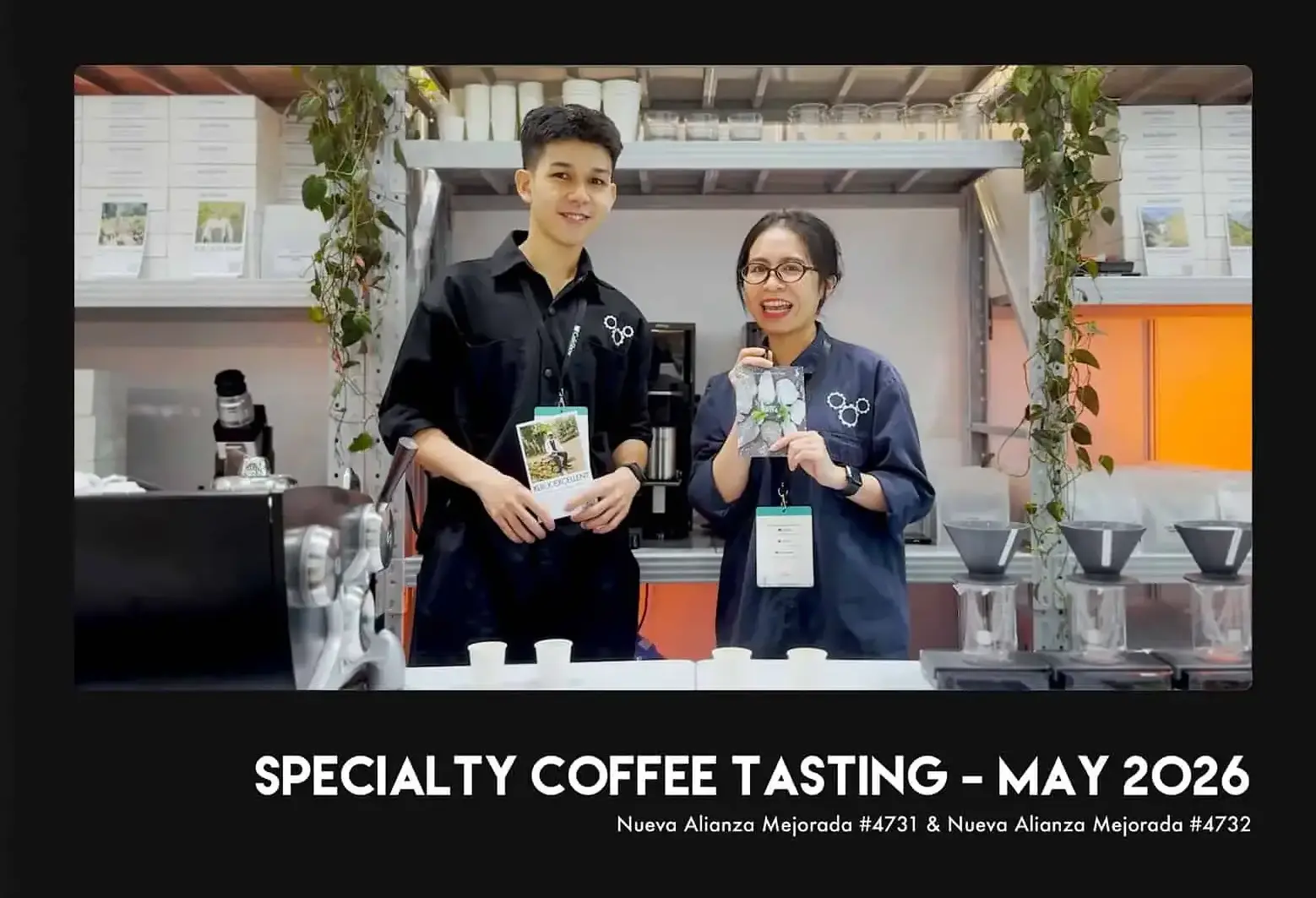
Unveiling May Discovery Subscription: Nueva Alianza Mejorada #4731 & Nueva Alianza Mejorada #4732
The Discovery Subscription is a silent dialogue, a place where the soul of the connoisseur finds a harmonious beat with distant lands. Like a transparent lens, we become storytellers, meticulously peeling back layers of cultural sediment, the breath of the soil, and the human philosophies hidden within every coffee bean.
May arrives with brilliant streaks of golden sunlight, a time when we long to hide beneath the lush, dew-drenched canopies of Santa Teresa. Amidst the silence of the Andes, when compassion touches Mother Earth, what will we hear? Perhaps it is a sweet response that nature reserves solely for souls who know how to wait patiently.

Specialty Coffee in Vietnam
BRAND VALUE
YOU SHOULD HAVE KNOWN
XLIII Coffee has been aiming to become a big, impactful company with social responsibilities,
have access to high-quality raw materials and convey the complete original values of coffee to our customer
