
Papua New Guinea Specialty Coffee Region: A Breakthrough
Papua New Guinea Specialty Coffee Region (PNG), an island nation in the Pacific, is known for its volcanic terrain and fertile highlands. With a long-standing cultivation tradition and dedicated efforts from producers, Papua New Guinea is emerging as a standout in the specialty coffee world.
I. History of Coffee Development in Papua New Guinea
Coffee Arrives in PNG (Late 19th Century)
Coffee was introduced to PNG in the late 19th century, tied to the country’s colonial history. A prominent figure in this development was Emma Coe Forsayth, known as “Queen Emma,” who established plantations for cocoa and coconut and likely planted coffee.
Coffee Takes Root in Volcanic Soil (1890-1920)
The first official record of coffee cultivation in PNG was in 1890, with small-scale production until exports began in 1901. However, commercial growth was slow during this period.
Post-War Coffee Boom (1920-1950)
By the 1920s, coffee production expanded, particularly in the highlands, where ideal growing conditions for Arabica were found.
Commercial Coffee Growth (1951-1965)
Post-WWII saw a massive increase in coffee production, with smallholder farmers contributing 85% of PNG’s output.
Specialty Coffee and the Future (1965-Present)
Despite infrastructure challenges, efforts by organizations like the Coffee Industry Corporation (CIC) have elevated PNG’s coffee quality, positioning it as a key player in the specialty coffee market.

Coffee arrived in Papua New Guinea (PNG) in the late 19th century
II. Specialty Coffee Regions in Papua New Guinea
- Western Highlands: Known for its complex flavors and smooth body due to cool climate and volcanic soil.
- Jiwaka: Small-scale farmers produce high-quality coffee, gaining international recognition.
- Eastern Highlands: Coffee here offers fruity notes and balanced acidity.
- Morobe: Volcanic soil contributes to rich, diverse flavors, with a focus on sustainable farming.
III. Specialty Coffee Production in PNG
- Cultivation and Harvesting: Coffee is mostly grown by smallholder farmers who handpick ripe cherries for quality.
- Post-Harvest Processing: The washed process is common, producing clean and bright flavors, with natural and honey processes gaining popularity.
- Grading and Quality Assessment: Strict grading standards ensure PNG’s coffee competes on the global specialty coffee stage.

In Papua New Guinea (PNG), coffee is cultivated by tens of thousands of smallholder farmers, each owning only a modest piece of land for coffee cultivation
IV. PNG’s Efforts to Expand Specialty Coffee Internationally
Papua New Guinea (PNG) has received strong support from international programs to help bring its coffee to the global market. A prime example is the PHAMA Plus program, which connects PNG coffee producers with international buyers. Through PHAMA Plus, producers like Jiwaka Coffee Limited have had the opportunity to participate in coffee exhibitions in the U.S., providing exposure and promoting the export of PNG’s specialty coffee.
Additionally, the Coffee Industry Corporation (CIC) plays a crucial role in improving productivity and quality among smallholder farmers while encouraging the transition to certified and specialty coffee production. Initiatives such as the Women in Coffee Association (WICA) empower women, enhancing their representation and connection to international markets.

Conclusion
The specialty coffee-growing region of Papua New Guinea is poised for significant opportunities in the global specialty coffee market. With exceptional quality and sustainable development efforts, PNG coffee is gaining recognition and appreciation from international consumers. However, to maintain and expand its growth, PNG must invest in improving transport and logistics infrastructure while continuing to uphold sustainable standards in coffee cultivation and processing.
The future of Papua New Guinea’s specialty coffee is promising. With nutrient-rich volcanic soil, dedicated farmers and producers, and support from international programs, PNG has the potential to become a leading specialty coffee hub in the Pacific region and globally.
V. FAQs
1. Why does Papua New Guinea have great potential for Specialty Coffee cultivation?
Papua New Guinea features unique topography with fertile volcanic soils and a highland climate ideal for coffee cultivation. At elevations above 1,500 meters, combined with biodiversity and pristine natural conditions, it provides an ideal environment for developing high-quality Arabica coffee varieties. This allows the coffee beans to develop rich and unique flavors that meet global Specialty Coffee standards.
2. How has the coffee industry in Papua New Guinea evolved historically?
Coffee was introduced to Papua New Guinea in the late 19th century during the colonial period. After initial experiments, coffee production surged in the 1920s. Post-World War II, commercial coffee production exploded, with smallholder farmers becoming increasingly significant. Today, 85% of Papua New Guinea’s coffee production comes from small farmers primarily growing high-quality Arabica.
3. What are the main coffee-growing regions in Papua New Guinea?
The primary coffee-growing regions in Papua New Guinea are mainly located in the Highlands, including Eastern Highlands, Western Highlands, and Simbu. These areas, situated at elevations above 1,500 meters, benefit from cool climates and nutrient-rich volcanic soils, creating ideal conditions for cultivating distinctive and diverse Specialty Arabica coffee.
4. What is unique about the coffee production process in Papua New Guinea?
The coffee production process in Papua New Guinea primarily uses wet processing, which preserves the coffee’s natural and fresh flavors. Many smallholders hand-harvest and process coffee on-site, ensuring meticulous care for each bean. Additionally, with support from organizations like the Coffee Industry Corporation (CIC), coffee quality is continuously improving through sustainable practices and advanced techniques.
5. What are the future prospects for the Specialty Coffee industry in Papua New Guinea?
The Specialty Coffee industry in Papua New Guinea is poised for robust growth due to efforts to enhance product quality and expand into international markets. Despite challenges like infrastructure and technical limitations, increasing interest from specialty markets and a focus on sustainable coffee are creating significant opportunities for Papua New Guinea to establish itself as an important source of Specialty Coffee globally.

Bài viết mới

- Taste the Origin
Finca La Palestina Red Bourbon #5487 – A blossoming legacy in the highlands of Cajamarca
Amidst the ethereal clouds of Cajamarca, where the deep forest, Mother Earth, and time harmonize, Finca La Palestina Red Bourbon #5487 is born as a proud epic of heritage. It bears witness to the story of three generations of the Alarcón Coronel family, to their respect for nature, and to their Cup of Excellence achievements. Each layer of fragrance is a journey for all the senses, leading the connoisseur into subtle and captivating depths.

- Breaking News
Royal Botanic Gardens, Kew announces new hybrid coffee named Libex
As the global coffee industry faces unprecedented challenges from climate change, the Royal Botanic Gardens, Kew (UK) has brought a ray of hope by formally announcing a natural hybrid coffee named Libex. Identified after intensive genetic research across three continents, Libex represents a perfect intersection between the resilient heat tolerance of Liberica and the robust agronomic vigor of Excelsa.

- Find the Origin
Mejorado Coffee Variety – The Perfect Blend of Bourbon & SLN Hybrid Lineage
Originating from the windswept hillsides of the South American highlands, the Mejorado coffee variety tells the story of a genetic masterpiece that is redefining the boundaries of the contemporary Specialty Coffee world. Behind a easily misunderstood name lies a completely distinct alter ego, where the sweet heritage of the Bourbon variety intertwines with the resilient vitality of the SLN hybrid lineage. Thanks to a profound slow-ripening process in the chill of extreme altitudes, this seed nurtures a magnificent flavor profile with ethereal floral and fruit notes, stepping onto the altars of global competitions to assert its status as a future icon, ready to stir the most discerning senses.
- Taste the Origin
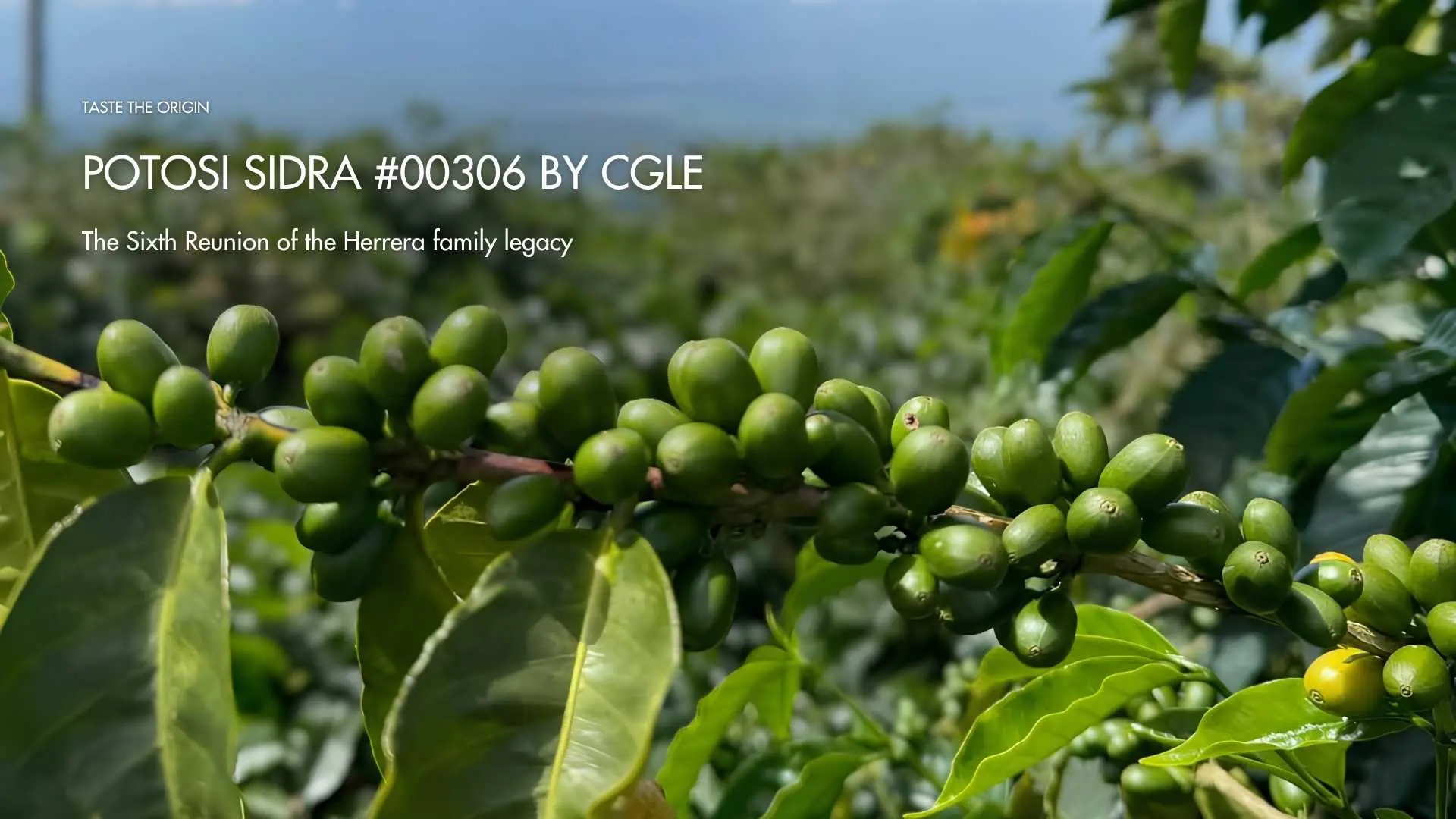
Potosi Sidra #00306 – The sixth reunion of the Herrera family legacy
The sixth harvest marks the return of Potosi Sidra #00306 by CGLE, carrying the presence of a family patriarch entrusted with more than eighty years of heritage from the Herrera family. Cultivated in the founding valley of Potosi since 1945 in Caicedonia, this genetic treasure born from the union of Bourbon and Typica presents a remarkably evolved sensory profile. Through its Extremely Light Roast philosophy and the financial transparency of the Paid for Producer model, XLIII Coffee chooses to preserve the authentic voice of terroir and the coffee’s original flavor structure.
- Taste the Origin
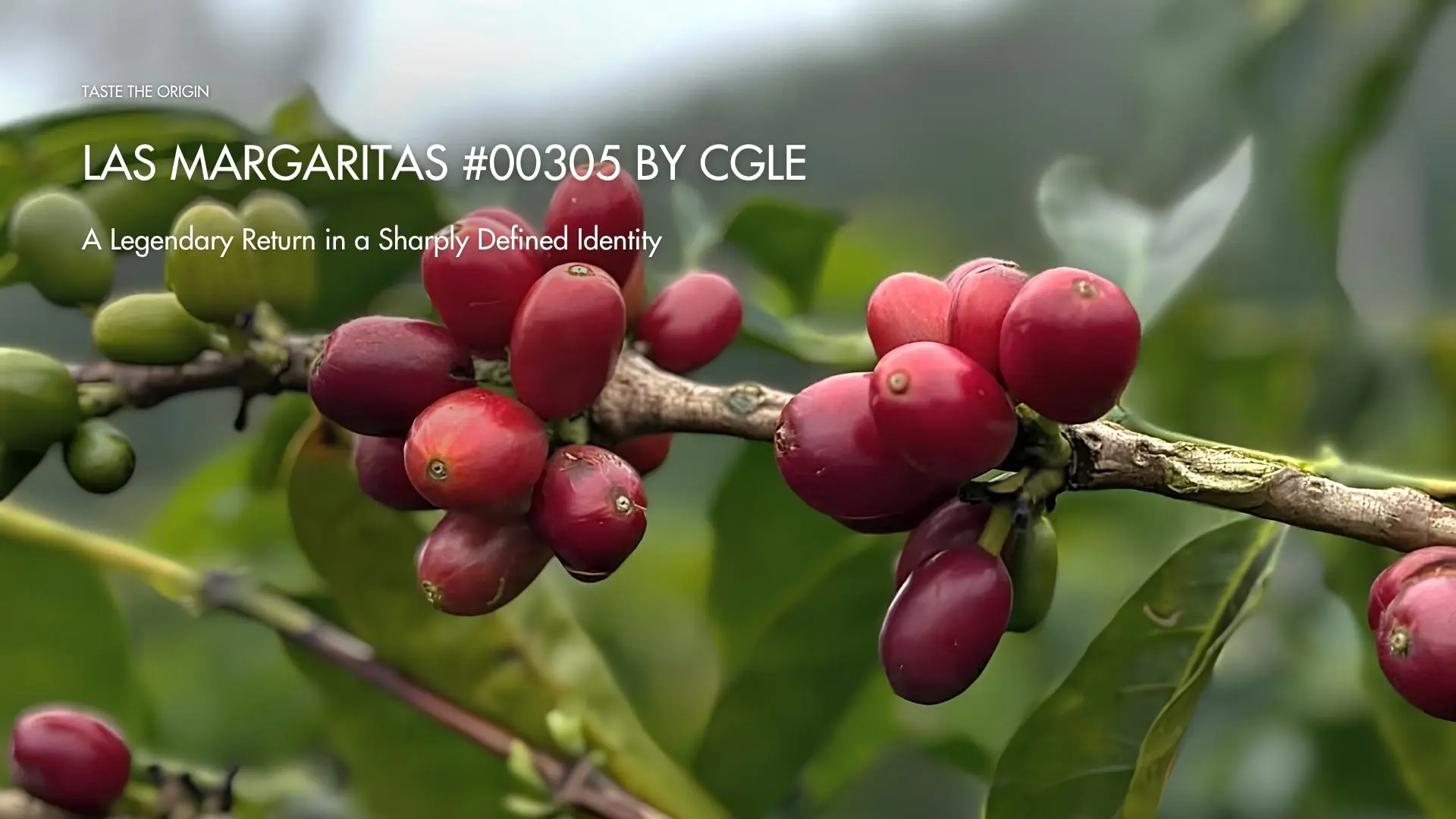
Las Margaritas #00305 by CGLE – A Legend Reunited in a Sharper Identity
Las Margaritas #00305 by CGLE returns to XLIII Coffee as a Gesha masterpiece reborn from the renowned Valle del Cauca region. Infused with the exquisite craftsmanship of Café Granja La Esperanza, this rare batch of coffee embarks on an enchanting flavor journey with vibrant citrus notes, delicate jasmine, and an elegant, lingering Earl Grey finish. Each drop is a crystallization of fertile volcanic soil and the sustainable farming philosophy that CGLE has persistently pursued for decades, creating a full-bodied, sharp flavor profile while retaining the pristine beauty characteristic of the royal Gesha variety.

- Taste the Origin
Finca Rosenheim Typica & Caturra – The Crossroads of Cultural Currents
Across the tides of world history, Finca Rosenheim Typica & Caturra emerges as a living testament hidden within the vast wilderness of Villa Rica. Here, the ancient lineage of the legendary Typica variety converges with the purity of the Washed process and the artistry of shade grown cultivation, weaving together delicate layers of Milk Chocolate, Nougat, and Purple Floral. Together, they create a profound resonance between resilient European heritage and the soul of the native Andes.

Specialty Coffee in Vietnam
BRAND VALUE
YOU SHOULD HAVE KNOWN
XLIII Coffee has been aiming to become a big, impactful company with social responsibilities,
have access to high-quality raw materials and convey the complete original values of coffee to our customer
