
Specialty Coffee Flow of Central Vietnam: Savoring Flavors, Experiencing Culture
Central Vietnam is not only famous for its stunning natural landscapes but also for its specialty coffee that reflects the soul of its land and people. From the ancient town of Hoi An to the dreamlike city of Hue, from the dynamic Da Nang to the sun-kissed Quy Nhon and Nha Trang – each cup of coffee tells a story of history, people, and life. Join us on a journey to explore the unique flavors of Central Vietnam’s Specialty Coffee and experience the magical connection within.
Table of Contents
- I. The Landscape of Specialty Coffee in Central Vietnam
- II. Enjoying the Diversity of Specialty Coffee in Central Vietnam’s Provinces
- III. Specialty Coffee in Central Vietnam: A Driving Force for Economic and Social Development and Tourism
- IV. The Future of Specialty Coffee in Central Vietnam
- V. FAQs
I. The Landscape of Specialty Coffee in Central Vietnam
Currently, there are no coffee-growing regions in Central Vietnam that meet the international Specialty Coffee standards set by the Specialty Coffee Association (SCA). However, the potential for developing specialty coffee in this area is enormous. Places like Khe Sanh (Quang Tri) and Phu Quy (Nghe An), although not boasting the ideal altitude like the Central Highlands, still possess unique natural conditions that allow coffee varieties such as Catimor to thrive with distinctive characteristics. The coffee here has a deep fragrance and rich flavor, offering an interesting experience for coffee enthusiasts while also demonstrating promising potential for future breakthroughs.
Khe Sanh is one of the pioneering lands for coffee in Central Vietnam, with the Catimor variety making its mark. Although it doesn’t have the sweetness of Bourbon or Typica, the coffee from this region shows the potential to produce specialty-grade beans, fostering the growth of the domestic Specialty Coffee industry. Phu Quy, despite being only 50-80 meters above sea level and facing the harsh Laotian winds, benefits from its volcanic basalt-rich soil, contributing to the production of high-quality coffee beans. However, the declining coffee-growing area poses a significant challenge to the industry.
Though it hasn’t yet reached international specialty standards, Central Vietnam’s Specialty Coffee has opened a fascinating market for coffee enthusiasts. In major cities like Hue, Hoi An, Da Nang, Quy Nhon, and Nha Trang, specialty coffee shops are becoming favorite spots for those who enjoy the rich and refined flavors of coffee. These coffee spaces are not only places to experience flavor but also cultural and tourism hubs, where visitors can enjoy specialty coffee amidst the beautiful landscapes of Central Vietnam.
With the vast potential of the land, geographical conditions, and the dedication of coffee growers, Vietnam’s Specialty Coffee promises to achieve significant milestones, bringing Central Vietnam to the global specialty coffee map.

The potential for developing specialty coffee in Central Vietnam is enormous, particularly in areas such as Khe Sanh (Quang Tri) and Phu Quy (Nghe An).
II. Enjoying the Diversity of Specialty Coffee in Central Vietnam’s Provinces
Specialty Coffee in Hue: Blending Culture and Flavor
Hue, the ancient capital famous for its rich cultural heritage, is now also known for its delicate and tranquil specialty coffee, much like the character of its people and culture. Specialty coffee in Hue carries warm, refined flavors with a long-lasting aftertaste, reflecting the meticulousness and long-standing traditions of the locals. Visitors come to Hue not only for the historical sites but also to savor cups of coffee that embody the spirit of the imperial city.
Specialty Coffee in Hoi An: Poetic Flavors in Every Cup
Hoi An is a well-known destination with its ancient charm and a blend of Eastern and Western cultures. Here, specialty coffee is not just a drink but an integral part of the local cultural experience. Specialty coffee shops like XLIII Coffee, hidden in ancient alleys, offer visitors a serene, nostalgic space to enjoy their coffee. The specialty coffee in Hoi An often has mild, local flavors, loved by international visitors for the harmonious blend of coffee taste and the poetic setting of the old town.
Specialty Coffee in Da Nang: The New Vitality of a Young City
Da Nang, a vibrant and modern city, has become a hub for Specialty Coffee development. Specialty coffee shops here feature modern, creative styles, catering to both locals and tourists from all over the world. Specialty coffee brands like XLIII Coffee focus on creativity in processing and brewing techniques, offering high-quality coffee experiences. Da Nang has successfully integrated coffee into its urban culture, making Specialty Coffee a part of its dynamic lifestyle.
Specialty Coffee in Quy Nhon: The Taste of the Sea and Red Basalt Soil
Quy Nhon is an unpolished gem in Vietnam’s coffee industry, with specialty coffee grown on red basalt soil near the coast. The coffee here often has bold, robust flavors, reflecting the rawness and simplicity of the people and nature of this region. Along with the development of coastal tourism, Quy Nhon’s Specialty Coffee is becoming a new highlight, attracting tourists. Coffee farm tours combined with beach exploration have created unique experiences for domestic and international tourists.

Specialty coffee in Hoi An is not just a drink; it is an essential part of the local cultural experience.
Specialty Coffee in Nha Trang: The Intersection of Tourism and Coffee
Nha Trang, a famous coastal city, attracts visitors not only with its natural beauty but also with excellent specialty coffee. The coffee here typically carries a rich flavor, mixed with the scent of the sea breeze, offering a relaxing and peaceful feeling. The growth of Specialty Coffee in Nha Trang is playing a significant role in promoting the city’s image, attracting coffee-loving tourists and contributing to the blend of coastal and coffee cultures.
III. Specialty Coffee in Central Vietnam: A Driving Force for Economic and Social Development and Tourism
The Value of Specialty Coffee – A Boost for Central Vietnam’s Economy
Specialty Coffee is not just a high-quality product but also an important driver for local economic development in Central Vietnam. It has helped increase farmers’ incomes and create sustainable value chains from farms to coffee shops. According to the Vietnam Coffee and Cocoa Association (Vicofa), households growing specialty coffee can increase their income by 25-50% compared to conventional coffee farming, thanks to the higher value of meticulously processed and quality-verified coffee lots.
Hue, Da Nang, and Hoi An have become important investment centers for the specialty coffee industry. With their strategic coastal locations and growing tourism, specialty coffee shops in these cities are drawing attention from both domestic and international investors. For instance, Da Nang saw 3.5 million international tourist arrivals in 2019 before the COVID-19 pandemic, and coffee-related services contributed significantly to revenue.
Promoting Tourism through Specialty Coffee
Beyond economic value, specialty coffee is becoming an essential part of promoting tourism in Central Vietnam. Coffee spaces rich in local cultural identity are not just places to enjoy unique flavors but also highlights in cultural exploration journeys. In Hoi An, specialty coffee shops not only serve tourists but also act as cultural exchange centers. Coffee shops like XLIII Coffee focus on both high-quality coffee and community engagement by connecting customers with the workers behind the scenes.
Sustainable Development with Cultural Value
Along with the rise of Specialty Coffee, sustainable agricultural projects are being widely implemented in Central Vietnam. In Khe Sanh, some farmers have joined organic certification programs and adopted regenerative farming practices to minimize negative environmental impacts. These projects not only protect natural resources but also improve local living standards by enhancing productivity and product quality.

Specialty coffee is not merely a product but also a vehicle for the comprehensive development of Central Vietnam, contributing to economic, social, and cultural preservation and promotion.
A prime example of sustainable development is the community coffee model in Phu Quy (Nghe An), where farmers produce coffee while connecting with local culture through traditional activities, such as coffee festivals and cultural events. Such programs help preserve cultural values and contribute to promoting Central Vietnam as a sustainable cultural tourism destination.
Overall, Specialty Coffee is not just a product but also a means of helping Central Vietnam grow comprehensively, from economics to social and cultural conservation. It benefits farmers, businesses, and contributes to positioning Vietnam as a coffee nation on the global map.
IV. The Future of Specialty Coffee in Central Vietnam
With shifting consumer tastes and the continuous efforts of pioneering businesses, Central Vietnam’s Specialty Coffee is entering a promising phase of development. So, what makes this future so bright?
Geographical and Climatic Conditions: A Foundation of Potential
Central Vietnam, with its diverse climate and terrain, offers great potential for Specialty Coffee development. Though it lacks the vast highlands of the Central Highlands or Lam Dong, coffee-growing regions like Khe Sanh (Quang Tri) and Phu Quy (Nghe An) have demonstrated their potential thanks to moderate altitudes, nutrient-rich soil, and a climate suitable for varieties like Catimor and Arabica.
The Specialty Coffee Market: A Breakthrough in Branding and Quality
Central Vietnam is witnessing a significant shift in the specialty coffee market. With rising demand for Specialty Coffee both domestically and internationally, local businesses and farmers have recognized the opportunity to enhance the value of their products. According to ResearchAndMarkets, the global specialty coffee market is projected to reach a value of $83.6 billion by 2027, growing at an average annual rate (CAGR) of 13.3%. This highlights a strong growth trend, and Central Vietnam is well-positioned to capitalize on this potential through high-quality coffee products.

XLIII Coffee has been making continuous efforts to promote the development of specialty coffee in Central Vietnam.
V. FAQs
1. Why does Central Vietnam have the potential for Specialty Coffee development?
Central Vietnam has mountainous terrain, diverse climates, and areas with favorable soil conditions for growing specialty coffee. Regions like Khe Sanh (Quang Tri) and Phu Quy (Nghe An) are prime examples, with hybrid coffee varieties suited to the local climate, producing unique and distinctive flavors. While not yet fully meeting international standards, Central Vietnam shows great potential for growth in the specialty coffee sector.
2. Which locations in Central Vietnam are prominent in Specialty Coffee development?
Cities like Hue, Da Nang, Hoi An, Quy Nhon, and Nha Trang are emerging as key players in Specialty Coffee development. From coffee farms to specialty coffee shops, these locations offer high-quality products and unique coffee experiences intertwined with local culture and history.
3. How does Specialty Coffee impact the economy, society, and tourism in Central Vietnam?
Specialty Coffee has become a driving force for economic development, increasing farmers’ incomes and creating sustainable value chains. Specialty coffee shops and coffee tours in Central Vietnam attract both domestic and international tourists, contributing to the region’s socio-economic development and promoting its tourism image.
4. What role do local businesses like XLIII Coffee play in developing Specialty Coffee in Central Vietnam?
XLIII Coffee plays a pioneering role in elevating Specialty Coffee in Central Vietnam. The company focuses on product quality while promoting sustainable development, working directly with farmers, ensuring fair income, and protecting the environment. XLIII Coffee also promotes specialty coffee culture, offering unique and high-quality experiences to consumers.
5. What is the future outlook for Specialty Coffee in Central Vietnam?
With its land, soil potential, and growing investment from businesses, Specialty Coffee in Central Vietnam has a bright future. By continuing to improve production processes and adhering to international standards, Central Vietnam can become one of Vietnam’s leading specialty coffee suppliers and expand into international markets.

Bài viết mới


- Taste the Origin
Nigussie Nare – Murago Outgrowers #03028: Cultivated from the Values of Sustainable Reciprocity
Nestled beneath the shade trees of Sidama, Bensa, the Nigussie Nare – Murago Outgrowers #03028 coffee lot serves as a living testament to the values of sustainable reciprocity. This symbiosis begins with the intimate bond between a rich indigenous ecosystem and the smallholder farmers of the Murago region. Each harvested bean is the culmination of a virtuous cycle: a stable environment produces exceptional bean quality, and sustainable economic growth, in turn, continues to protect the verdant canopy of the great forest.

- Taste the Origin
Rift Valley Coffee Caucus #03757 – A Testament to Western Kenya’s Collective Spirit
Turning our gaze to the Great Rift Valley of East Africa, the fertile volcanic landscapes are witnessing an inspiring transformation. Moving away from fierce, survival-driven competition, smallholder farmers in Western Kenya have chosen to join forces, forging a resilient and unified network. The Rift Valley Coffee Caucus #03757 lot stands as the ultimate testament to this remarkable collective synergy.

- Breaking News
Airworks Coffee & XLIII Coffee – A “handshake” that brings original flavors across borders
XLIII Coffee, alongside our key wholesale partner Airworks Coffee, officially announces the latest release of specialty coffee lots for the North American market. This event reaffirms our commitment to bringing original flavors across all geographical barriers to coffee enthusiasts.
Early access (for Subscribers of Airworks): 10:00 AM (PST) | Wednesday, April 29, 2026
General access: 10:00 AM (PST) | Friday, May 1, 2026
We invite our Customers and Partners to visit (airworkscoffee.com) for detailed information and to prepare for this special release!
- Taste the Origin
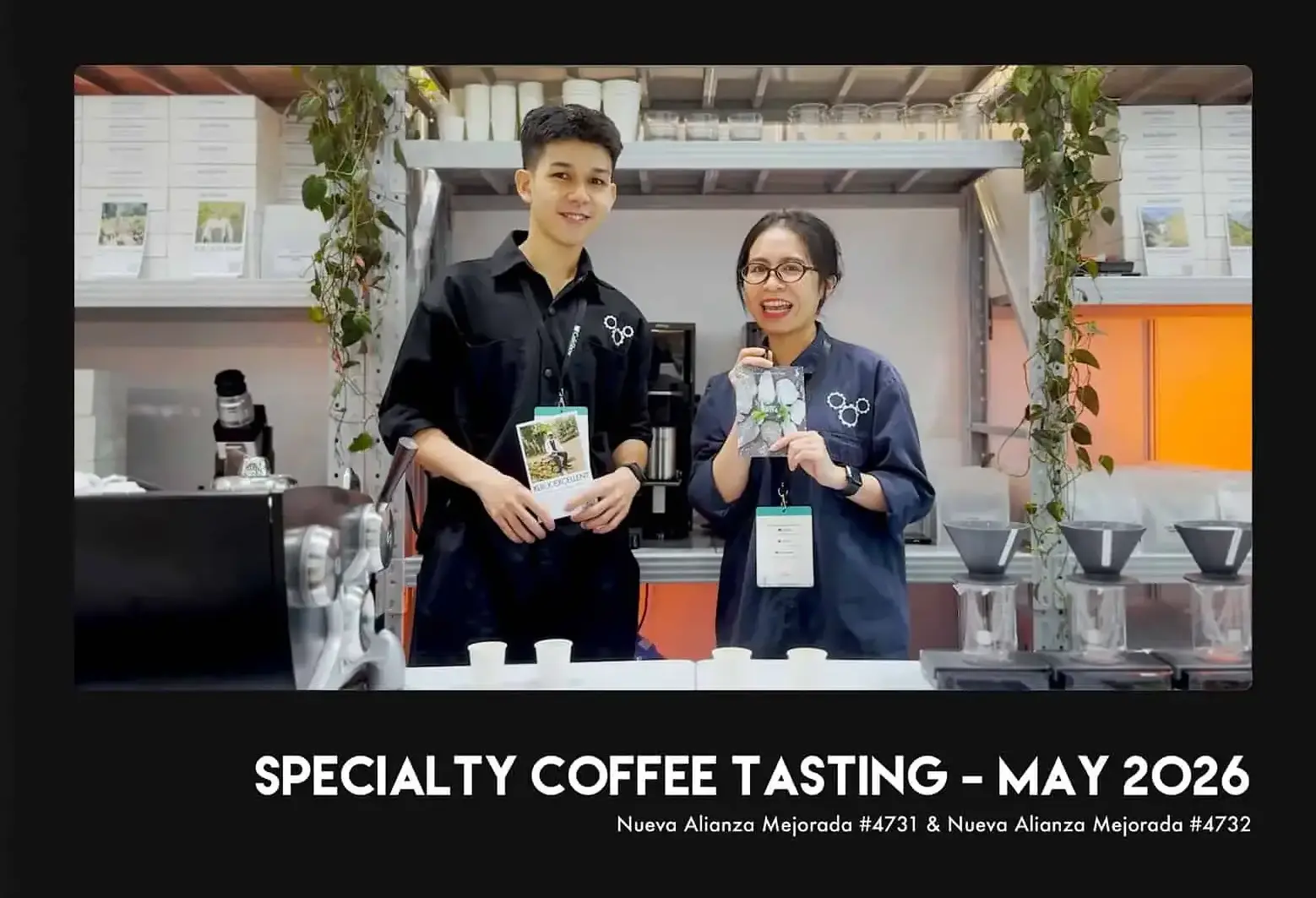
Unveiling May Discovery Subscription: Nueva Alianza Mejorada #4731 & Nueva Alianza Mejorada #4732
The Discovery Subscription is a silent dialogue, a place where the soul of the connoisseur finds a harmonious beat with distant lands. Like a transparent lens, we become storytellers, meticulously peeling back layers of cultural sediment, the breath of the soil, and the human philosophies hidden within every coffee bean.
May arrives with brilliant streaks of golden sunlight, a time when we long to hide beneath the lush, dew-drenched canopies of Santa Teresa. Amidst the silence of the Andes, when compassion touches Mother Earth, what will we hear? Perhaps it is a sweet response that nature reserves solely for souls who know how to wait patiently.

- Taste the Origin
Nueva Alianza Pacamara #4733 – The essence of Cusco with elegant jasmine notes
Nueva Alianza Pacamara #4733 is a testament to the miraculous terroir and dedicated cultivation of the renowned Cusco region. The combination of the characteristic Pacamara bean size and ideal altitude has forged a flavor profile of immense sophistication and depth. From the very first moment, this lot captivates with its elegant jasmine notes, radiating a gentle, pure fragrance akin to a flower blooming in the morning dew.

Specialty Coffee in Vietnam
BRAND VALUE
YOU SHOULD HAVE KNOWN
XLIII Coffee has been aiming to become a big, impactful company with social responsibilities,
have access to high-quality raw materials and convey the complete original values of coffee to our customer
