
What is the current price of pure roasted coffee beans? Understanding the market before choosing
The price of pure roasted coffee beans is not a fixed figure, it depends on various factors such as global market prices, green bean quality, processing methods, roasting standards, and the target market segment. Amidst the continuous fluctuations on international trading floors, the price gap between commodity coffee and Arabica, especially Specialty Coffee is becoming increasingly distinct.
Table of Contents
- I. Overview of pure coffee bean prices in global and vietnamese markets
- II. Price list of pure Arabica coffee beans in the market and at XLIII Coffee
- III. Why can coffee prices differ by several times?
- IV. Identifying quality risks in low-priced coffee
- V. Criteria for choosing suitable specialty whole bean coffee for consumers
- IV. FAQs
I. Overview of pure coffee bean prices in global and vietnamese markets
In recent years, the price of whole beans coffee in the global market has experienced significant fluctuations and has remained at levels higher than the average of previous cycles. One of the primary indicators is the futures prices of Robusta coffee on the London exchange and Arabica coffee on the New York exchange – two of the most important pricing benchmarks in the global coffee industry.
According to data reported in October 2025, Robusta futures prices on the London exchange reached approximately USD 4,262 per metric ton, representing an increase of nearly 45% compared to the same period the previous year. At the same time, Arabica futures prices on the New York exchange exceeded USD 8,321 per metric ton, also nearly 45% higher than in 2024.
These figures indicate that despite short-term fluctuations in individual trading sessions, the long-term trend shows coffee raw material prices remaining high and highly volatile. Mid-2025 report also recorded Arabica futures trading within the range of USD 7,700-8,500 per metric ton, a significant increase compared to the previous year. These fluctuations are closely linked to factors such as climate change affecting production, rising storage and transportation costs, market sentiment, and broader macroeconomic conditions.

In Vietnam – one of the world’s largest coffee exporters, domestic coffee prices also reflect the global picture to a certain extent. Prices of bulk green coffee beans in the Central Highlands typically fluctuate around VND 90,000-90,500 per kilogram, indicating upward pressure from the global market.
However, when discussing the price of pure coffee beans, understanding the nature of pricing is essential, as not all coffee products are valued according to the same logic. In today’s market, pure coffee beans can broadly be divided into two main groups based on pricing mechanisms and their roles within the supply chain.
| Criteria | Commodity Coffee | Specialty Coffee |
|---|---|---|
| Nature of trading | Large-volume transactions; prices closely follow London/New York exchanges | Lot-based transactions; not fully dependent on exchange prices |
| Price formation | Primarily based on exchange prices and basic costs | Reflects quality, SCA score, origin, and rarity |
| Bean quality | Average quality, limited defect sorting | Strict selection, low defect ratio |
| Origin | Often unspecified farm or growing region | Clearly traceable to farm or region |
| Processing methods | Standard processing | Carefully controlled Washed/Honey/Natural processes |
| Price volatility | Directly fluctuates with global markets | Less dependent on exchanges; more stable based on quality value |
| Intended use | Mass consumption | Flavor-driven and quality-focused experiences |
| Reference price | Lower, reflecting general market levels | Higher, reflecting added value |
This distinction explains why pure coffee prices on the market can vary widely: while commodity coffee reflects general raw material price levels, Specialty coffee reflects the value of quality and sensory experience. Therefore, when evaluating the price of pure coffee beans, consumers and professional buyers need to clearly identify which category the product belongs to in order to assess its price and value accurately.

II. Price list of pure Arabica coffee beans in the market and at XLIII Coffee
When discussing the price of pure Arabica coffee beans, it is necessary to consider the market segment to which the product belongs. In Vietnam, pure Arabica coffee is not a homogeneous category but is divided into several tiers based on raw material quality, level of selection, traceability, and roasting standards. These differences result in a wide price range, from mainstream segments to high-end Specialty coffee.
Market prices of pure Arabica coffee beans in Vietnam
| Segment | Common Characteristics | Reference Price |
|---|---|---|
| Mainstream Arabica | Standard Screen 16-18; dry or wet processed in bulk; used for basic espresso or blending. | 220,000-350,000 VND/kg |
| High-quality Arabica | Selected cherries (>95% ripeness); primarily from Cau Dat (Da Lat); Washed or Honey processed. | 400,000-650,000 VND/kg |
| Single Origin Arabica | Traceable to a single farm/estate; distinct taste notes; meticulous processing; SCA scored. | 700,000-1,200,000 VND/kg |
In these segments, prices are primarily formed based on raw material, roasting, and distribution costs, with quality improving gradually across tiers. However, criteria such as SCA sensory scoring, detailed farm-level traceability, or highly distinctive flavor profiles are not mandatory. This category suits consumers seeking pure Arabica coffee for daily use, prioritizing approachability and reasonable pricing.


Specialty whole bean coffee prices at XLIII Coffee
Unlike the general market, Specialty coffee at XLIII Coffee is priced in 250g units. This format ensures freshness and reflects a lot-based approach rather than volume optimization.
| Coffee Segment | Intended Audience | Price per 250g box |
|---|---|---|
| Specialty | Newcomers to Specialty coffee seeking clean, bright flavors | 500,000-800,000 VND |
| Excellent | Drinkers with a clear personal taste who want to elevate their coffee experience | 1,000,000-1,500,000 VND |
| Competition | Drinkers seeking more pronounced flavor experiences | 2,000,000-2,500,000 VND |
| Outstanding | Collectors and advanced tasters seeking complex profiles | 3,000,000-3,500,000 VND |
| Rare | Extremely limited lots for in-depth experiences | 7,000,000-8,000,000 VND |
At XLIII Coffee, the price of Specialty whole bean coffee reflects not only raw material and roasting costs, but also sensory quality scores, lot rarity, transparent, and investment throughout the value chain. Each lot is individually selected and roasted to preserve the natural characteristics of the beans rather than standardizing for mass preferences.
Overall, placing Vietnam’s market prices for pure Arabica alongside XLIII Coffee’s Specialty pricing highlights a fundamental difference: although both are Arabica coffee, their value is built on entirely different criteria. Price differences stem not from branding alone, but from raw material quality, selection rigor, transparency, and the sensory experience delivered.


III. Why can coffee prices differ by several times?
When coffee prices range from a few hundred thousand to several million VND for the same quantity, a common question arises:
Why can pure coffee beans differ so dramatically in price?
This difference does not result from a single factor, but from the entire value chain behind each coffee product.
Raw Material Quality and Selection

The most critical difference lies in the quality of green coffee beans. Mainstream coffee is often harvested on a large scale, accepting uneven ripeness and a certain defect rate. In contrast, Specialty coffee requires selective hand-picking of ripe cherries to ensure clean and stable flavor foundations. According to the Specialty Coffee Association (SCA), only coffees scoring 80 points or above qualify as Specialty, representing a small fraction of global production.
Processing and Quality Control

After harvest, differences continue through processing. Commodity coffee typically follows standardized processes to optimize cost and time, while Specialty coffee requires precise control over fermentation time, temperature, humidity, and drying conditions. Minor deviations can render an entire lot unsuitable for its intended quality level.
Traceability and Transparency

Traceability is another key component of pricing. For mainstream coffee, information about variety, farm, or cultivation conditions rarely affects price. In contrast, Specialty coffee demands transparency regarding origin, altitude, variety, farming practices, and processing methods requiring long-term investment but enabling objective quality evaluation.
Roasting: From Mass Production to Lot-Specific Approaches

Mainstream coffee is roasted using standardized profiles prioritizing consistency and volume. Specialty coffee, however, is roasted with lot-specific profiles, involving multiple test roasts and adjustments to highlight each coffee’s intrinsic characteristics, increasing time, expertise, and loss rates.
Yield Losses and Limited Production

In Specialty coffee, defective beans may be removed at multiple stages. from green sorting to post-roast and sensory evaluation, significantly reducing final yield. Many high-scoring or origin-specific lots are also produced in very limited quantities, making scarcity an inherent part of their pricing structure.
IV. Identifying quality risks in low-priced coffee
Low-priced coffee does not necessarily mean blended coffee or unsafe products. However, it often comes with systemic quality risks across multiple stages, from raw material selection and storage to roasting practices and information transparency. Understanding these risks helps consumers more accurately assess the price they are paying and make choices aligned with their needs and expectations for coffee experience.
Inconsistent Raw Material Quality
The most common risk associated with low-priced coffee lies in the quality of green coffee beans. In many cases, the raw material consists of a mixture of beans with uneven ripeness, size, and density, and may include a certain proportion of broken beans, insect-damaged beans, or over-aged beans.
 These defects are not always easily identifiable by visual inspection after roasting, yet they can directly affect cup quality, resulting in harsh bitterness, astringency, or a short and hollow aftertaste. Accepting a higher defect tolerance helps reduce raw material costs, but simultaneously compromises consistency and cup cleanliness.
Risks Related to Storage Conditions and Defective Beans
Another frequent risk involves the storage conditions of green coffee. Low-priced coffee may be stored in environments with insufficient control over humidity and temperature, increasing the likelihood of mold growth or off-odors. In some cases, these defects are not fully removed before roasting.

Issues related to moldy beans or uncontrolled fermentation not only impact flavor quality but also raise food safety concerns if quality control processes are not rigorously implemented.
Dark Roasting as a Means of Masking Defects
In lower price segments, excessively dark roasting is often used as a technical solution to mask raw material defects. When coffee is roasted to very dark levels, many undesirable characteristics are overshadowed by smoky aromas and intense bitterness.

While this approach creates a familiar “strong” taste profile, it also eliminates the natural attributes of the coffee and makes it difficult for consumers to distinguish differences between origins or raw materials. Over time, habitual consumption of heavily roasted coffee can limit one’s ability to perceive the diversity of flavors present in pure coffee.
Lack of Transparency in Origin and Processing
A noticeable characteristic of low-priced coffee is the absence of transparent traceability information. Without clear data on origin, variety, or processing method, consumers have little basis for evaluating quality beyond price and subjective taste perception.


This lack of transparency does not automatically indicate that a product is unsafe, but it reflects a pricing strategy that prioritizes cost over quality control and consistency. As consumers increasingly value origin transparency and sustainability, this becomes a significant limitation.
Inconsistent Flavor Experience
Due to reliance on variable raw material sources and limited quality control, low-priced coffee often shows poor consistency across roast batches. Flavor profiles may change significantly from one lot to another, making it difficult for consumers to establish a stable and repeatable drinking experience. From a sensory perspective, this inconsistency is a clear indicator that the product is optimized for cost efficiency rather than long-term quality.
V. Criteria for choosing suitable specialty whole bean coffee for consumers
After gaining a clear understanding of the pricing landscape of pure roasted coffee and the factors driving price differences across segments, the next step for consumers is to shift from “reading prices” to “reading products.” In the case of Specialty whole bean coffee, a higher price only becomes meaningful when it aligns with usage purpose, personal taste preferences, and expected experience.
Defining Usage Purpose and Consumption Frequency

The first criterion to consider is usage purpose. Specialty coffee can serve a wide range of needs, from daily consumption to in-depth flavor exploration.
For frequent daily drinking, consumers should prioritize Specialty lots with balanced flavor profiles, high approachability, and strong consistency. Conversely, for experiential or exploratory purposes, coffees with distinctive flavor profiles, experimental processing methods, or limited production volumes may be more suitable, despite their higher cost.
Understanding and Interpreting Flavor Profiles

Flavor profiles are a core element of Specialty coffee, but interpreting them requires personal context.
Beginners often find it easier to approach coffees with familiar notes such as chocolate, nuts, caramel, or gently ripe fruit. In contrast, profiles with high acidity, fresh fruit character, or complex fermentation-driven notes are better suited for experienced drinkers who are open to exploration. Comparing flavor descriptions with prior drinking habits helps reduce the risk of choosing an unsuitable coffee.
Paying Attention to Origin and Processing Method

Origin and processing method are not merely reference information; they directly influence flavor characteristics. Coffees from different growing regions tend to exhibit distinct sensory traits, while processing methods such as Washed, Honey, or Natural significantly affect cleanliness, sweetness, and flavor structure.
Roast Level and Brewing Method Compatibility

Another important criterion is the alignment between roast level and brewing method. Specialty coffee is typically roasted to highlight the bean’s inherent characteristics, but each roast level is better suited to certain brewing styles.
Consumers should note that the same coffee can deliver very different experiences when brewed as espresso versus pour-over. Selecting coffee that matches available equipment and brewing techniques helps optimize the experience and prevents misjudgment of product quality.
Budget Consideration and Value Assessment

Specialty coffee pricing reflects quality, but a higher price does not always equate to higher suitability. Consumers should define a reasonable budget for each purchase and balance desired experience with consumption frequency.
For regular drinkers, choosing stable, moderately priced Specialty lots offers long-term value. Rare or high-priced lots are better approached as special experiences rather than everyday beverages.
Transparency and Credibility of the Roaster

Finally, an essential criterion is the level of transparency provided by the roaster. Information such as origin, variety, processing method, roast date, and brewing recommendations signals a serious commitment to quality control. Transparency not only helps consumers understand their choices but also supports consistency and reliability in long-term experience.
Choosing Specialty whole bean coffee is a process of balancing taste preferences, usage purpose, and budget, rather than chasing price or rarity alone. With a solid understanding of core criteria, consumers can approach Specialty coffee proactively and with direction, ultimately building a sustainable and meaningful coffee experience.
If you are not yet familiar with the foundational concepts and criteria of pure whole bean coffee, such as bean quality, the role of roasting, and traceability, you may refer to the journal What Makes Pure Whole Bean Coffee Captivate Coffee Connoisseurs?.
IV. FAQs
1. How much does pure ground coffee cost?
The price ranges from 180,000 – 300,000 VND/kg, depending on the bean type and quality. If the price is below 80,000 VND/kg, it is likely adulterated or of inferior quality.
2. How to distinguish pure ground coffee from adulterated coffee?
To differentiate between pure ground coffee and adulterated coffee, pay attention to:
Bean color: Pure roasted coffee has an even brown color, not excessively oily.
Ground coffee texture: Pure coffee is light and fluffy; when sprinkled in water, it floats.
Aroma: Natural, mild fragrance—not overly strong due to artificial additives.
Brewed coffee appearance: Pure coffee has a clear amber-brown color with a balanced taste, not overly bitter.
3. Is cheap coffee good?
Extremely cheap coffee is often mixed with corn, soybeans, or chemical additives. Long-term consumption may negatively impact health. Choosing high-quality coffee ensures both a better taste and better health.
4. Where can I buy clean, pure ground coffee?
You should buy from reputable brands like XLIII Coffee, which have transparent roasting processes, carefully selected beans, and a commitment to 100% pure coffee.
5. Why does the price of pure ground coffee vary?
The price depends on factors such as bean type Arabica, Robusta, Specialty), origin, processing method, and roasting quality. Arabica is usually more expensive than Robusta, and Specialty Coffee is priced even higher due to strict quality standards.

Bài viết mới

- Taste the Origin
Nigussie Nare – Murago Outgrowers #03028: Cultivated from the Values of Sustainable Reciprocity
Nestled beneath the shade trees of Sidama, Bensa, the Nigussie Nare – Murago Outgrowers #03028 coffee lot serves as a living testament to the values of sustainable reciprocity. This symbiosis begins with the intimate bond between a rich indigenous ecosystem and the smallholder farmers of the Murago region. Each harvested bean is the culmination of a virtuous cycle: a stable environment produces exceptional bean quality, and sustainable economic growth, in turn, continues to protect the verdant canopy of the great forest.

- Taste the Origin
Rift Valley Coffee Caucus #03757 – A Testament to Western Kenya’s Collective Spirit
Turning our gaze to the Great Rift Valley of East Africa, the fertile volcanic landscapes are witnessing an inspiring transformation. Moving away from fierce, survival-driven competition, smallholder farmers in Western Kenya have chosen to join forces, forging a resilient and unified network. The Rift Valley Coffee Caucus #03757 lot stands as the ultimate testament to this remarkable collective synergy.

- Breaking News
Airworks Coffee & XLIII Coffee – A “handshake” that brings original flavors across borders
XLIII Coffee, alongside our key wholesale partner Airworks Coffee, officially announces the latest release of specialty coffee lots for the North American market. This event reaffirms our commitment to bringing original flavors across all geographical barriers to coffee enthusiasts.
Early access (for Subscribers of Airworks): 10:00 AM (PST) | Wednesday, April 29, 2026
General access: 10:00 AM (PST) | Friday, May 1, 2026
We invite our Customers and Partners to visit (airworkscoffee.com) for detailed information and to prepare for this special release!
- Taste the Origin
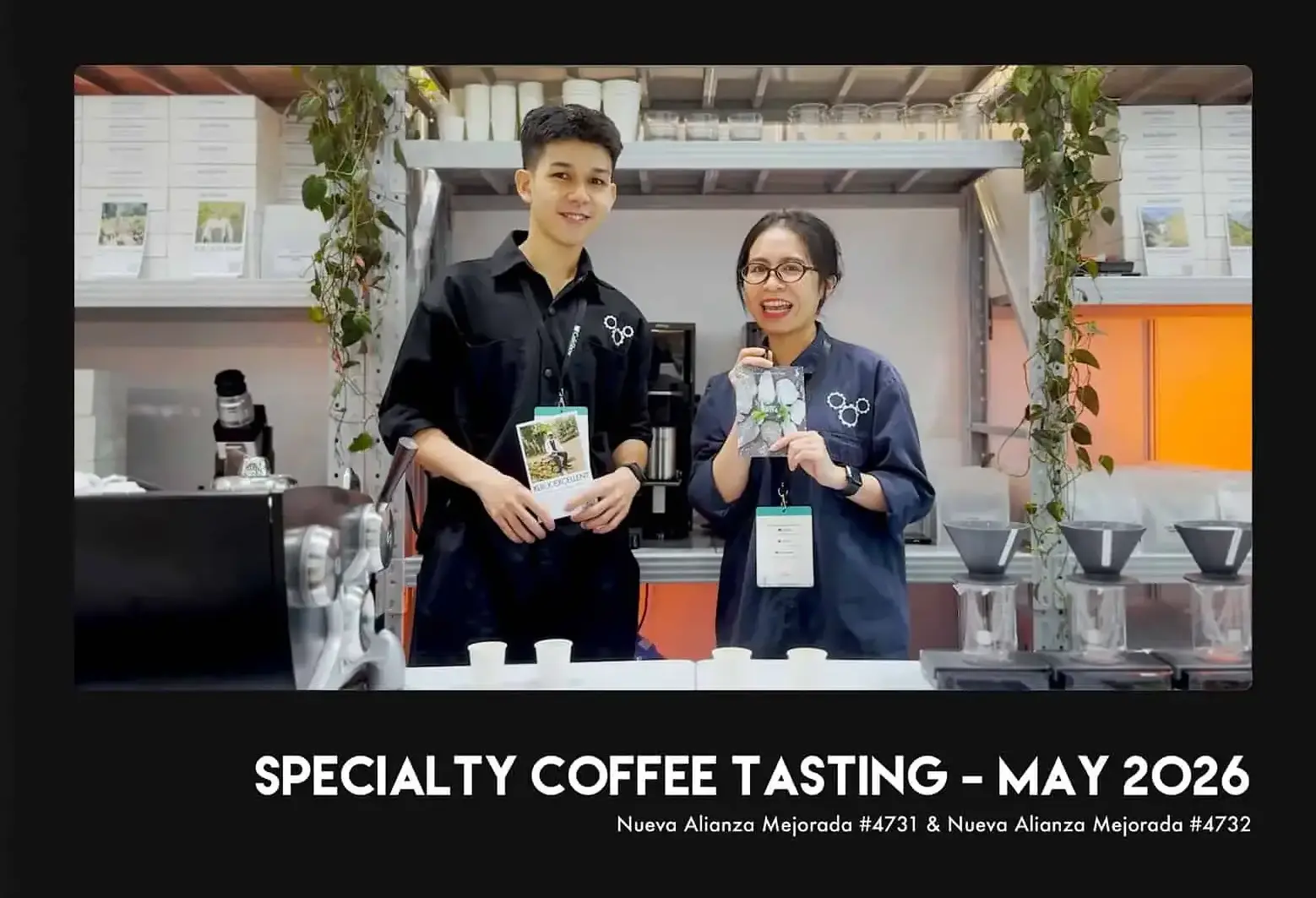
Unveiling May Discovery Subscription: Nueva Alianza Mejorada #4731 & Nueva Alianza Mejorada #4732
The Discovery Subscription is a silent dialogue, a place where the soul of the connoisseur finds a harmonious beat with distant lands. Like a transparent lens, we become storytellers, meticulously peeling back layers of cultural sediment, the breath of the soil, and the human philosophies hidden within every coffee bean.
May arrives with brilliant streaks of golden sunlight, a time when we long to hide beneath the lush, dew-drenched canopies of Santa Teresa. Amidst the silence of the Andes, when compassion touches Mother Earth, what will we hear? Perhaps it is a sweet response that nature reserves solely for souls who know how to wait patiently.

- Taste the Origin
Nueva Alianza Pacamara #4733 – The essence of Cusco with elegant jasmine notes
Nueva Alianza Pacamara #4733 is a testament to the miraculous terroir and dedicated cultivation of the renowned Cusco region. The combination of the characteristic Pacamara bean size and ideal altitude has forged a flavor profile of immense sophistication and depth. From the very first moment, this lot captivates with its elegant jasmine notes, radiating a gentle, pure fragrance akin to a flower blooming in the morning dew.

- Taste the Origin
Nueva Alianza Orange Gesha #4737 – An expedition of recessive genetic traits into the sensory realm
In a world of authenticity, Nueva Alianza Orange Gesha #4737 represents the proud emergence of rare biological traits often obscured by nature’s universality. Carrying a recessive genetic code, Lot #4737 embarks on an “expedition” into the connoisseur’s mind, where record-breaking fructose concentrations are released to perfectly fill every sensory gap with absolute smoothness and purity.
Through washed processing and extremely-light roasting, vibrant citrus nuances and ethereal floral notes, once hidden deep within the genetic structure, now manifest with power, transforming the tasting experience into a journey of ontological completion, where the rarity of recessive genes finally reigns supreme in flavor.

Specialty Coffee in Vietnam
BRAND VALUE
YOU SHOULD HAVE KNOWN
XLIII Coffee has been aiming to become a big, impactful company with social responsibilities,
have access to high-quality raw materials and convey the complete original values of coffee to our customer
