
What Is a Cupping Form? Its Role and Scoring Principles According to SCA
The Cupping Form is a standardized tool used for objectively evaluating coffee quality. Developed by the Specialty Coffee Association (SCA), the SCA Cupping Form has become a global standard in the Specialty coffee industry. This form helps identify critical attributes such as aroma, flavor, and acidity, ensuring accurate assessment of coffee quality.
I. What is a Cupping Form?
A Cupping Form is a standardized evaluation sheet used during coffee tasting (cupping) sessions to assess the sensory qualities of coffee. This tool standardizes the evaluation process, creating consistency among experts and facilitating the classification of specialty coffee, thus ensuring objectivity and transparency throughout the industry.
Cupping Forms play a crucial role in improving production processes. Producers utilize cupping results as feedback to refine farming, harvesting, and processing methods. Roasters rely on these scores to adjust their roasting profiles accordingly. Buyers use cupping scores as a basis for negotiation and selection.

Through its application within the supply chain, the Cupping Form enhances economic value, accurately and transparently determining the worth of high-quality coffee and fostering trust across the entire Specialty coffee industry
II. Scoring structure of the Cupping Form
The SCA Cupping Form has a maximum total score of 100 points and comprises 11 key attributes, divided into three groups for a comprehensive assessment of coffee quality:
- 7 Scored Quality Attributes: Fragrance/Aroma, Flavor, Aftertaste, Acidity, Body, Balance, and Overall. Each of these attributes is evaluated on a scale from 6 to 10, with increments of 0.25. Scores below 6 or above 10 are not acceptable within the Specialty Coffee system.
- 3 Non-Scored Attributes (Presence Attributes): Uniformity, Clean Cup, and Sweetness. These attributes are assessed using a tick-box system rather than numerical scoring. Each attribute involves evaluating 5 sample cups. If all 5 cups meet the standard, the attribute earns 5 points, which is converted into 10 bonus points per attribute, totaling 30 bonus points.
- 1 Deduction Attribute: Defect. This attribute evaluates any undesirable flavor defects that may appear in the coffee sample. Defects are classified into two types: Taint (-2 points per occurrence) and Fault (-4 points per occurrence). Whenever a defect is detected, points are deducted directly from the total sample score.
Classification of Coffee Based on Scores
Specialty Coffee is defined as scoring 80 points or higher. Samples scoring from 80 to 85 are considered good quality, those scoring between 85 and 90 are considered high quality, and scores of 90 or above represent outstanding quality coffee, achieving the pinnacle of the specialty coffee industry, though such coffees are quite rare. The Specialty Coffee scoring scale indicates that higher scores correlate with superior quality and increased rarity.
III. Key evaluation criteria
The SCA Cupping Form includes 10 main criteria and one additional category for identifying defects. Each criterion contributes to capturing the identity and overall quality of a coffee sample.
Fragrance/Aroma (Dry and Wet Aromas)
Fragrance refers to the smell of dry ground coffee before brewing, while Aroma is the scent released when hot water is poured over the grounds. During evaluation, cuppers focus on intensity and quality, recorded under the “Dry” and “Break” columns. Although intensity is not scored numerically, it gives an initial impression of the coffee’s quality.

This attribute is scored from 6 to 10. A higher score reflects a strong, pleasant aroma; a lower score indicates weak or unimpressive fragrance.
Flavor
Flavor represents the combined taste sensations, including basic elements like sweet, sour, salty, bitter, and umami, as well as complex flavor notes such as fruits, spices, florals, or chocolate. The focus is on balance, complexity, and how well the flavors integrate.
Aftertaste
Aftertaste refers to the lingering sensation in the mouth after swallowing. A pleasant, long-lasting aftertaste is highly valued, whereas a bitter or unpleasant finish will reduce the score. Cuppers assess this attribute based on its length, clarity, and positive character—typically evaluated when the coffee is around 70°C.
Acidity
In coffee, acidity does not mean sharp sourness. It is judged by how bright, vibrant, and pleasant the acidity is, rather than its intensity alone.

Good acidity is often associated with fruity notes, like malic acid (green apple) or citric acid (orange), and is a defining characteristic of high-quality specialty coffee.
Body
Body describes the physical feel or weight of the coffee in the mouth—its texture, richness, and consistency (e.g., smooth, creamy, oily, or thin). A well-developed body provides a satisfying mouthfeel, while a thin body may feel weak or flat. This score reflects the harmony and appeal of the coffee’s texture.
Balance
Balance evaluates how well the different sensory attributes—flavor, aftertaste, acidity, and body—blend together. A balanced coffee has no overpowering or underwhelming elements. If one attribute, such as acidity, dominates too strongly, it may disrupt the overall harmony.
Uniformity
Uniformity refers to the consistency across five cups brewed from the same sample. All cups should exhibit similar flavor and quality. Any noticeable inconsistency will lower this score, signaling variability in the coffee’s quality.
Clean Cup
This measures the absence of any off-flavors or contamination not native to coffee, such as moldy, chemical, or foreign notes.

Clean Cup is essential for determining whether a coffee meets specialty standards and reflects the purity of its processing.
Sweetness
Sweetness in coffee doesn’t mean sugary, but rather a smooth, mellow quality that enhances flavor clarity and roundness. A good specialty coffee has natural sweetness, contributing to a pleasing, well-integrated profile.
Overall
This is the cupper’s holistic assessment of the coffee sample. It reflects personal impression and overall appreciation based on all previously scored attributes.
Additionally, the system includes a Defects section to assess any unwanted flavor notes that may appear in the coffee. Defects are divided into two types: Taint and Fault. Taint refers to minor flaws that cause unpleasant but not overpowering flavors. These defects are noticeable but do not dominate the cup. Fault refers to major flaws that severely affect the coffee’s quality. Faults often result in a significantly unpleasant taste and may disqualify the sample from being considered Specialty Coffee. These defects commonly arise from problems during processing, storage, or transportation—such as overfermentation, mold, or exposure to contaminants. Evaluating defects is crucial because it reflects the cleanliness and quality of the coffee and helps identify production shortcomings.
IV. How to apply cupping at home
You don’t need to be an expert to start cupping. With just a few simple tools, you can easily use the Cupping Form to explore and compare coffee quality right at home.

You need to prepare a few simple tools and techniques to conduct coffee cupping.
1. Prepare Your Samples
Use approximately 8.25g of whole coffee beans for each cup, brewed with 150ml of hot water at around 93°C. If tasting multiple coffees, prepare at least 5 cups per sample to ensure consistency and control for uniformity.
2. Smell the Dry and Wet Aromas
After grinding the beans, smell the dry grounds to assess the dry fragrance. Pour hot water into the cups and let them sit for about 4 minutes to form a crust. Break the crust with a spoon and inhale deeply to evaluate the wet aroma.
3. Taste as the Coffee Cools
Use a spoon to slurp small amounts of coffee, which helps you evaluate Flavor, Acidity, and Body all at once. Be sure to re-taste the coffee as it cools to observe how the aftertaste and mouthfeel evolve over time.
4. Take Notes and Score
Using the Cupping Form, record your impressions and assign scores from 6 to 10 for the main attributes:
Fragrance/Aroma, Flavor, Aftertaste, Acidity, Body, Balance, and Overall.
Conclusion
The Cupping Form is not just a technical tool—it’s a bridge that connects every link in the specialty coffee value chain. By enabling detailed and consistent evaluation, cupping ensures quality control, promotes economic value, and fosters transparency. Whether you’re a seasoned cupper or simply a coffee lover, understanding and using the this form will enrich your appreciation and deepen your connection to every cup.
Images from XLIII Coffee and collected by XLIII Coffee.
IV. FAQs
Question 1: What is a Cupping Form and what is it used for?
A Cupping Form is a standardized tool used to objectively evaluate the quality of coffee during the cupping process according to the SCA’s criteria.
Question 2: What does the cupping score mean in the coffee industry?
The cupping score reflects the overall quality of the coffee; a score of 80 or above is considered Specialty Coffee, which helps in transparent pricing and classification within the supply chain.
Question 3: What are the scoring criteria in the cupping form?
There are 11 main criteria, including 7 scored attributes (such as Fragrance/Aroma, Flavor, Aftertaste, Acidity, Body, Balance, Overall), 3 tick-box attributes (Uniformity, Clean Cup, Sweetness), and 1 defect deduction criterion (Defect).
Question 4: Can non-experts perform cupping at home?
Absolutely, with just coffee, hot water, glass cups, and a cupping form, you can practice evaluating flavors and comparing different coffees at home.

Bài viết mới

- Taste the Origin
Finca La Palestina Red Bourbon #5487 – A blossoming legacy in the highlands of Cajamarca
Amidst the ethereal clouds of Cajamarca, where the deep forest, Mother Earth, and time harmonize, Finca La Palestina Red Bourbon #5487 is born as a proud epic of heritage. It bears witness to the story of three generations of the Alarcón Coronel family, to their respect for nature, and to their Cup of Excellence achievements. Each layer of fragrance is a journey for all the senses, leading the connoisseur into subtle and captivating depths.

- Breaking News
Royal Botanic Gardens, Kew announces new hybrid coffee named Libex
As the global coffee industry faces unprecedented challenges from climate change, the Royal Botanic Gardens, Kew (UK) has brought a ray of hope by formally announcing a natural hybrid coffee named Libex. Identified after intensive genetic research across three continents, Libex represents a perfect intersection between the resilient heat tolerance of Liberica and the robust agronomic vigor of Excelsa.

- Find the Origin
Mejorado Coffee Variety – The Perfect Blend of Bourbon & SLN Hybrid Lineage
Originating from the windswept hillsides of the South American highlands, the Mejorado coffee variety tells the story of a genetic masterpiece that is redefining the boundaries of the contemporary Specialty Coffee world. Behind a easily misunderstood name lies a completely distinct alter ego, where the sweet heritage of the Bourbon variety intertwines with the resilient vitality of the SLN hybrid lineage. Thanks to a profound slow-ripening process in the chill of extreme altitudes, this seed nurtures a magnificent flavor profile with ethereal floral and fruit notes, stepping onto the altars of global competitions to assert its status as a future icon, ready to stir the most discerning senses.
- Taste the Origin
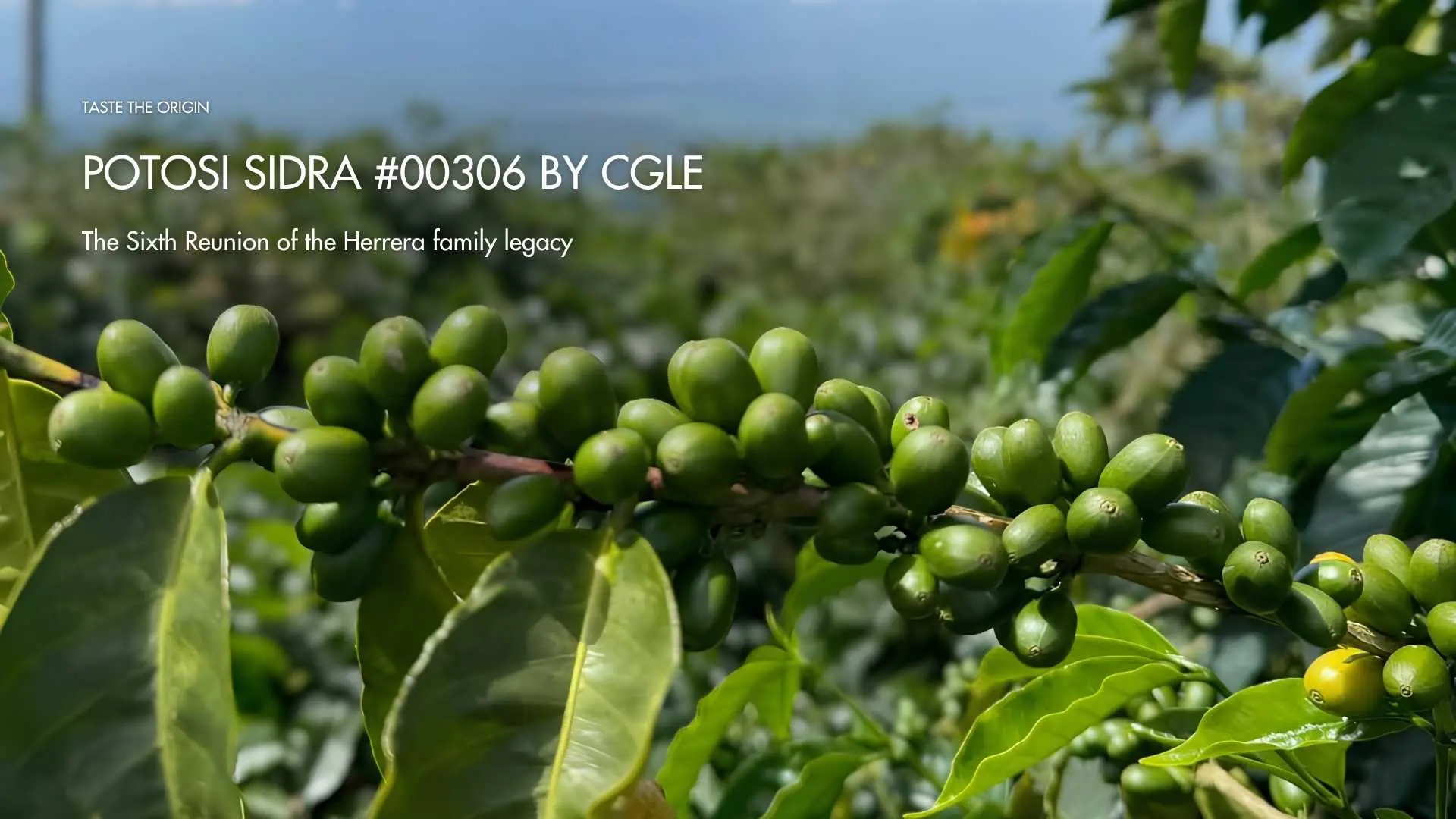
Potosi Sidra #00306 – The sixth reunion of the Herrera family legacy
The sixth harvest marks the return of Potosi Sidra #00306 by CGLE, carrying the presence of a family patriarch entrusted with more than eighty years of heritage from the Herrera family. Cultivated in the founding valley of Potosi since 1945 in Caicedonia, this genetic treasure born from the union of Bourbon and Typica presents a remarkably evolved sensory profile. Through its Extremely Light Roast philosophy and the financial transparency of the Paid for Producer model, XLIII Coffee chooses to preserve the authentic voice of terroir and the coffee’s original flavor structure.
- Taste the Origin
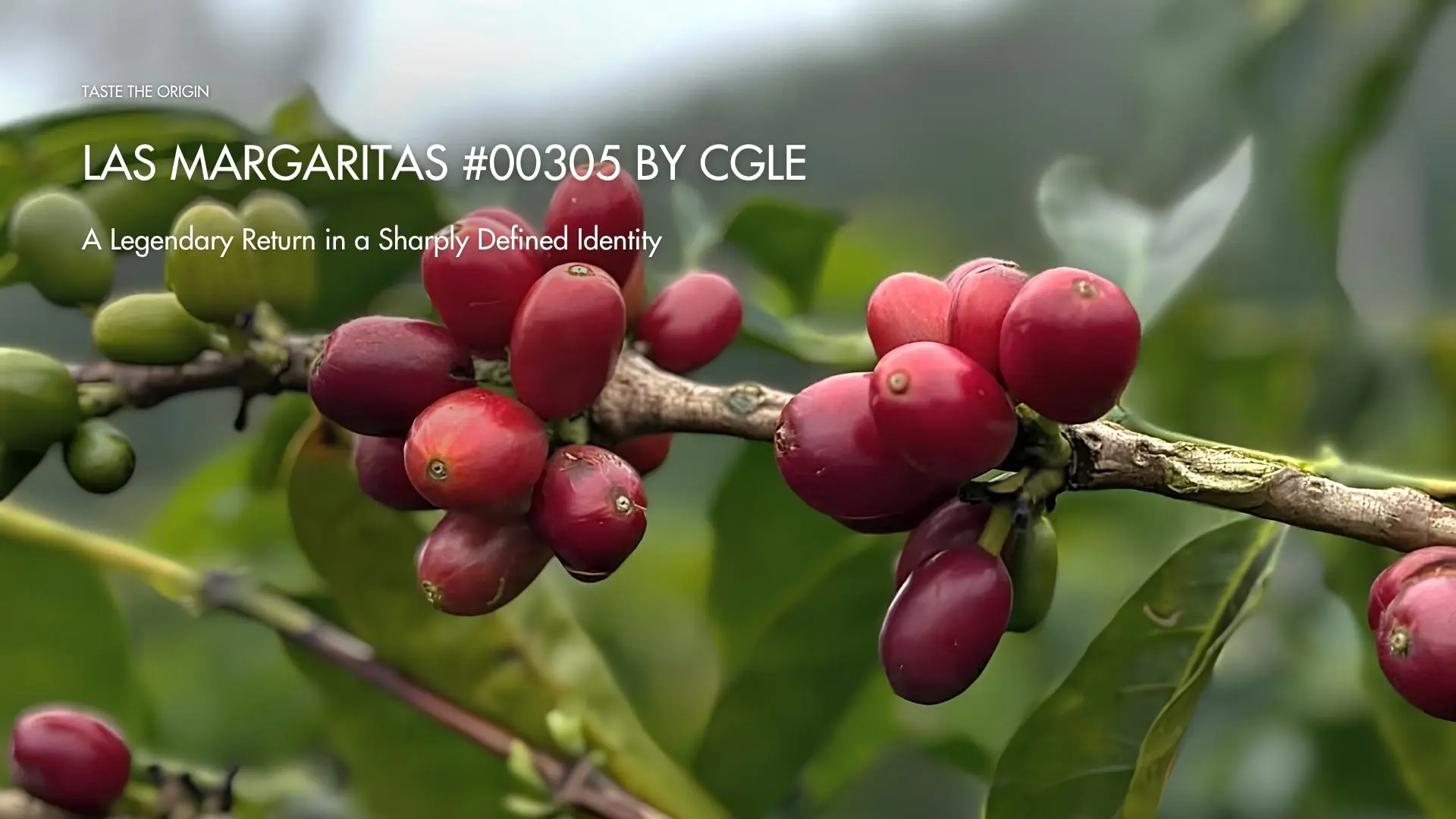
Las Margaritas #00305 by CGLE – A Legend Reunited in a Sharper Identity
Las Margaritas #00305 by CGLE returns to XLIII Coffee as a Gesha masterpiece reborn from the renowned Valle del Cauca region. Infused with the exquisite craftsmanship of Café Granja La Esperanza, this rare batch of coffee embarks on an enchanting flavor journey with vibrant citrus notes, delicate jasmine, and an elegant, lingering Earl Grey finish. Each drop is a crystallization of fertile volcanic soil and the sustainable farming philosophy that CGLE has persistently pursued for decades, creating a full-bodied, sharp flavor profile while retaining the pristine beauty characteristic of the royal Gesha variety.

- Taste the Origin
Finca Rosenheim Typica & Caturra – The Crossroads of Cultural Currents
Across the tides of world history, Finca Rosenheim Typica & Caturra emerges as a living testament hidden within the vast wilderness of Villa Rica. Here, the ancient lineage of the legendary Typica variety converges with the purity of the Washed process and the artistry of shade grown cultivation, weaving together delicate layers of Milk Chocolate, Nougat, and Purple Floral. Together, they create a profound resonance between resilient European heritage and the soul of the native Andes.

Specialty Coffee in Vietnam
BRAND VALUE
YOU SHOULD HAVE KNOWN
XLIII Coffee has been aiming to become a big, impactful company with social responsibilities,
have access to high-quality raw materials and convey the complete original values of coffee to our customer
