
What is an Cupper? Secrets to becoming a coffee Cupper expert
The specialty coffee industry stands out not only for meticulous roasting processes but also for the thorough sensory evaluation performed by experts known as Cupper. Whether you’ve heard of a Cupper before or not, understanding their role is essential. Although not an official title, Cuppers play a vital part in specialty coffee. With professional training and refined sensory skills, they evaluate and classify coffee according to international standards, ensuring quality and delivering exceptional experiences to coffee lovers.
I. What is a Cupper?
A crucial process in assessing coffee quality is called cupping, and those skilled in performing this task are often referred to as Cupper. These individuals are trained to evaluate coffee based on specific criteria, including flavor, aroma, and body. To become a certified cupper, individuals must undergo rigorous training and pass a series of exams, including:

Coffee is enjoyed through the keen senses of a certified expert, not simply tasting but also a precise analysis process, working with international standards to ensure each cup is perfect.
-
Q Grader Certification: Provided by the Coffee Quality Institute (CQI), this renowned certification involves a week-long course covering sensory evaluation and coffee analysis. Participants must pass rigorous tests to become certified Q Graders.
-
Sensory Judges: In coffee competitions, sensory judges evaluate entries from around the world using standardized scoring systems focusing on aroma, flavor, aftertaste, and more. High-scoring coffees receive awards and recognition.
Is Cupper an official title?
While “Cupper” is not an official title across all industries, it is a specialized term in coffee, referring to those trained to taste and evaluate coffee using sensory criteria such as aroma, taste, aftertaste, and acidity. Official recognition as a Cupper typically requires formal training and certification, like the Q-Grader certification from the Specialty Coffee Association (SCA), validating their precise and reliable sensory evaluation abilities. Within specialty coffee, Cuppers hold significant roles in roasteries, sensory labs, and quality assurance organizations, thoroughly analyzing each sample not just by taste, but by listening carefully to every nuance from aroma to finish.

Focusing deeply on each coffee sample, Cupper not only tastes but also “listens” to every flavor nuance, from aroma to aftertaste, to be able to evaluate accurately and comprehensively.
II. Differences among Cupper, Taster, Q Grader, and Sensory Analyst
A perfect cup of coffee is the result of a precise roasting process combined with meticulous assessment by professionals in the profession. These people, called Cuppers, are responsible for identifying and analyzing the sensory elements of coffee such as aroma, acidity, body and aftertaste. However, the terms Cupper, Taster, Q Grader and Sensory (also known as Sensory Panel) are often confused. So, how are they different and what does each contribute to the process of creating a quality cup of coffee?

Each expert will apply a distinct technique, from simple perception to precise analysis, all contributing to creating great cups of coffee, full of flavor and personality.
-
Taster: Anyone who tastes coffee without strict standards. A taster can range from professionals to everyday consumers, providing basic opinions.
-
Q Grader: Certified professionals trained to evaluate coffee according to standardized scoring, having successfully completed CQI’s rigorous sensory tests.
-
Sensory Analyst: Experts specializing in sensory science with strong analytical skills, working in labs researching coffee alongside other products like food, cosmetics, and wine.
-
Cupper: Professionals who conduct cupping sessions, evaluating coffee based on sensory attributes such as aroma, flavor, acidity, body, and aftertaste. Cuppers identify flavors, detect defects, and classify coffee per international standards, bridging producers and markets to enhance coffee quality throughout the production process.
With specialized knowledge, refined sensory abilities, and continuous practice, these experts—from Cuppers to Q Graders and Sensory Analysts—ensure high-quality coffees that reflect both complexity and character. Their role transcends tasting, becoming guardians of specialty coffee quality, requiring precision, patience, and deep passion.
III. Essential skill set for a Cupper
Every coffee tells a unique story, making cupping more than mere tasting—it’s about capturing and communicating the essence of coffee. Cuppers need a comprehensive professional skill set, crucial for accurate assessment and enhancing specialty coffee’s value:
Sensory Acuity
This is the ability to perceive the subtle elements that make up the flavor: aroma, taste and aftertaste. A good cupper can distinguish the difference between malic and citric acidity, or recognize the characteristic floral aroma of Ethiopian coffee with just one sniff. Sensory sensitivity is the result of both innate factors and continuous practice, especially in a highly controlled environment like a professional cupping room.

This tasting is an important part of evaluating the sensory elements of coffee such as aroma, acidity and freshness of the coffee.
Sensory Lexicon
A cupper does not simply “smell” or “taste” but also needs to “name” the flavors he perceives. That’s why they need a precise, consistent sensory vocabulary – including terms describing acidity, body, mouthfeel, aftertaste, etc. Mastering the Flavor Wheel helps them communicate effectively with others and is also a tool to organize their own sensory thinking.
Calibration
Cupping is not an individual experience, but a standardized group activity. Calibration is the ability to synchronize your assessment with others in a group – so that when tasting the same coffee sample, everyone recognizes “citric acidity”, “medium body”, or “short finish”. Calibration requires regular practice, the ability to analyze small differences, and an open attitude to feedback from colleagues.
Objectivity and focus
Good cuppers do not let personal preferences dictate their judgment. They don’t rate “likes” or “dislikes,” but focus on honest descriptions, according to a set of established criteria. This requires a lot of concentration – especially when trying 8–10 coffee samples in a row, each with a complex flavor profile that needs to be carefully analyzed.
 Tasting multiple coffee samples in succession, focusing entirely on each sensory element without letting personal preferences interfere. With care and professionalism, experts analyze each flavor note honestly and accurately, ensuring that each assessment is of the highest standard.
Sensory Memory
Just as a visual artist remembers colors, Cuppers remember flavors. They need to remember the feel of a coffee from Sidama or a sweet Bourbon from Guatemala, so that when they encounter it again – even after many months – they can compare, contrast, and make an accurate judgment. Sensory memory is the foundation for building a personal frame of reference, thereby improving the accuracy of the assessment.
Background Knowledge
A Cupper does not simply “taste” coffee – they analyze it as an expression of its origin, processing method, plant variety, and roasting process. They know that natural Ethiopia tends to have berry notes, while washed Kenya has complex blackcurrant-like acidity. They understand why a very dark roast can lose its brightness in the cup, or why the same variety grown at different altitudes can taste completely different.
Communication Skills
A good Cupper is not only someone who feels deeply, but also shares that experience in clear, coherent language. They can convince listeners with sharp, unambiguous sensory reasoning. From producer to roaster, from barista to end customer – a Cupper’s precise communication helps connect the entire value chain with a “common language” of flavor.
A spirit of continuous learning and practice
There is no good Cupper who does not spend hours practicing every week. They constantly sample coffees from many regions, learn to describe them better, and find ways to calibrate with the community. They know that taste changes over time, and to stay consistent – the most important thing is to maintain discipline in sensory training.
A cup of coffee is the result of a combination of skill, passion and meticulousness. Cupper experts, with their sharp sensory ability, not only improve the quality of coffee but also bring great experiences to those who love special flavors.
Conclusion:
Becoming a Cupper is a challenging but also extremely interesting and rewarding journey. This is not only a career, but also a strong passion and a relentless commitment to the quality and sophistication of each cup of coffee. Cuppers are the ones who protect and convey the unique identity of specialty coffee to the world, helping to connect more closely between growers, producers, roasters, and connoisseurs. With extensive expertise, keen senses, and a spirit of continuous learning, each Cupper contributes to enhancing the value of coffee, turning the tasting into a true art, and inspiring all those who are passionate about this special flavor.
IV. FAQ
1. What is a Cupper and Why Are They Important in the Coffee Industry?
Cuppers are professionals who taste and evaluate coffee based on sensory factors such as aroma, taste and aftertaste. They help ensure the quality of specialty coffee and connect producers, roasters and consumers.
2. How to become a Cupper?
To become a professional Cupper, one must undergo formal training and possibly receive certification such as Q-Grader from the Specialty Coffee Association (SCA). This process includes rigorous sensory evaluation exams.
3. How is a Cupper different from a Taster, Q Grader and Sensory Analyst?
A Cupper is someone who cupps and evaluates coffee based on sensory factors. Taster can be anyone, Q Grader is a professional level with international certification, and Sensory Analyst is a specialist in sensory science with a background in data analysis.
4. What skills are essential to become a good Cupper?
A good Cupper needs to have sensory sensitivity, an accurate sensory vocabulary, the ability to calibrate with a team, good sensory memory, and a solid knowledge of coffee. In addition, communication skills and a spirit of continuous learning are also important.
5. How does a Cupper contribute to the quality of specialty coffee?
Cuppers play an important role in protecting and improving the quality of specialty coffee. They help classify and evaluate coffee according to international standards, while conveying the essence and identity of each type of coffee to consumers.

Bài viết mới

- Taste the Origin
Finca La Palestina Red Bourbon #5487 – A blossoming legacy in the highlands of Cajamarca
Amidst the ethereal clouds of Cajamarca, where the deep forest, Mother Earth, and time harmonize, Finca La Palestina Red Bourbon #5487 is born as a proud epic of heritage. It bears witness to the story of three generations of the Alarcón Coronel family, to their respect for nature, and to their Cup of Excellence achievements. Each layer of fragrance is a journey for all the senses, leading the connoisseur into subtle and captivating depths.

- Breaking News
Royal Botanic Gardens, Kew announces new hybrid coffee named Libex
As the global coffee industry faces unprecedented challenges from climate change, the Royal Botanic Gardens, Kew (UK) has brought a ray of hope by formally announcing a natural hybrid coffee named Libex. Identified after intensive genetic research across three continents, Libex represents a perfect intersection between the resilient heat tolerance of Liberica and the robust agronomic vigor of Excelsa.

- Find the Origin
Mejorado Coffee Variety – The Perfect Blend of Bourbon & SLN Hybrid Lineage
Originating from the windswept hillsides of the South American highlands, the Mejorado coffee variety tells the story of a genetic masterpiece that is redefining the boundaries of the contemporary Specialty Coffee world. Behind a easily misunderstood name lies a completely distinct alter ego, where the sweet heritage of the Bourbon variety intertwines with the resilient vitality of the SLN hybrid lineage. Thanks to a profound slow-ripening process in the chill of extreme altitudes, this seed nurtures a magnificent flavor profile with ethereal floral and fruit notes, stepping onto the altars of global competitions to assert its status as a future icon, ready to stir the most discerning senses.
- Taste the Origin
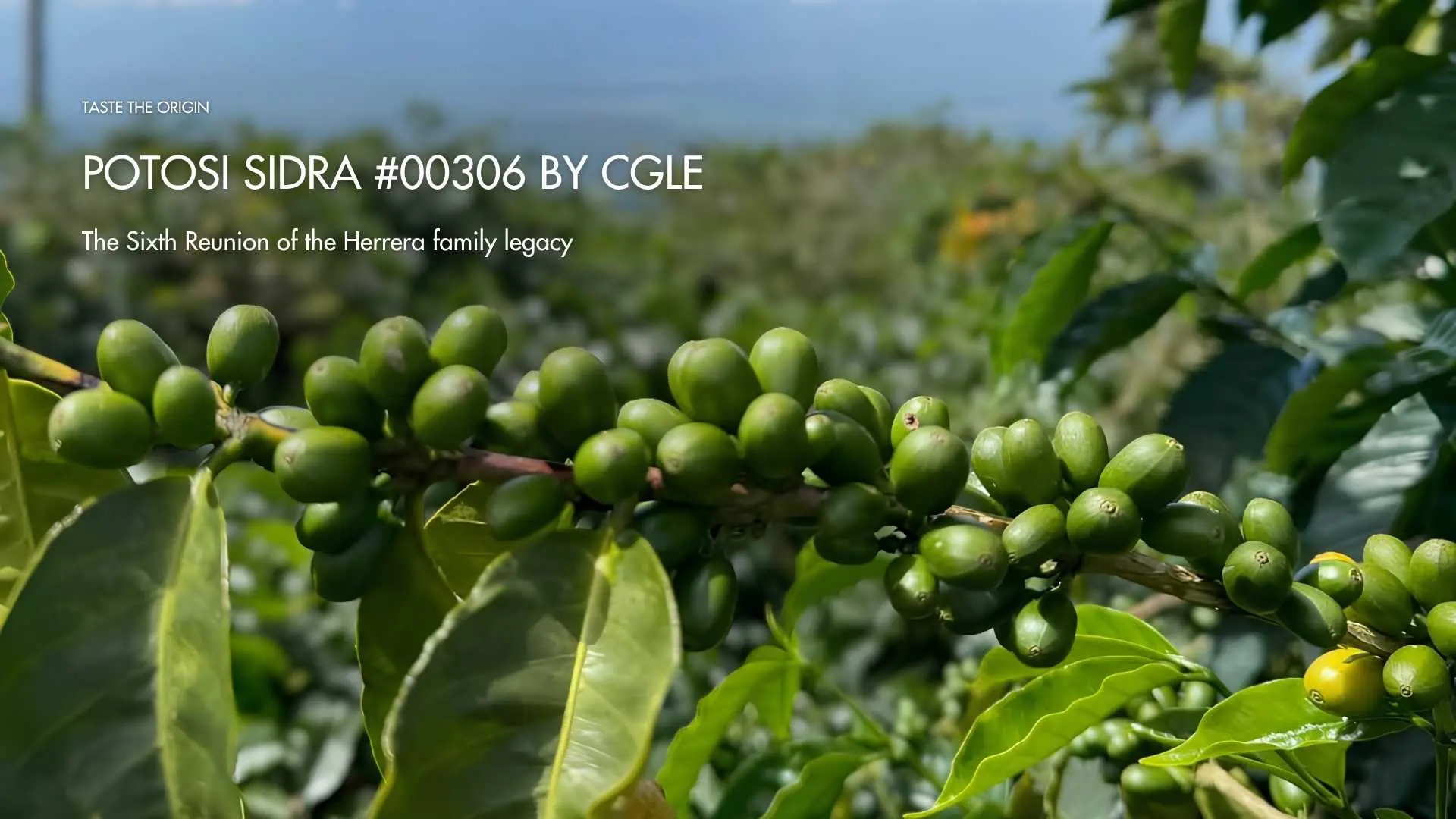
Potosi Sidra #00306 – The sixth reunion of the Herrera family legacy
The sixth harvest marks the return of Potosi Sidra #00306 by CGLE, carrying the presence of a family patriarch entrusted with more than eighty years of heritage from the Herrera family. Cultivated in the founding valley of Potosi since 1945 in Caicedonia, this genetic treasure born from the union of Bourbon and Typica presents a remarkably evolved sensory profile. Through its Extremely Light Roast philosophy and the financial transparency of the Paid for Producer model, XLIII Coffee chooses to preserve the authentic voice of terroir and the coffee’s original flavor structure.
- Taste the Origin
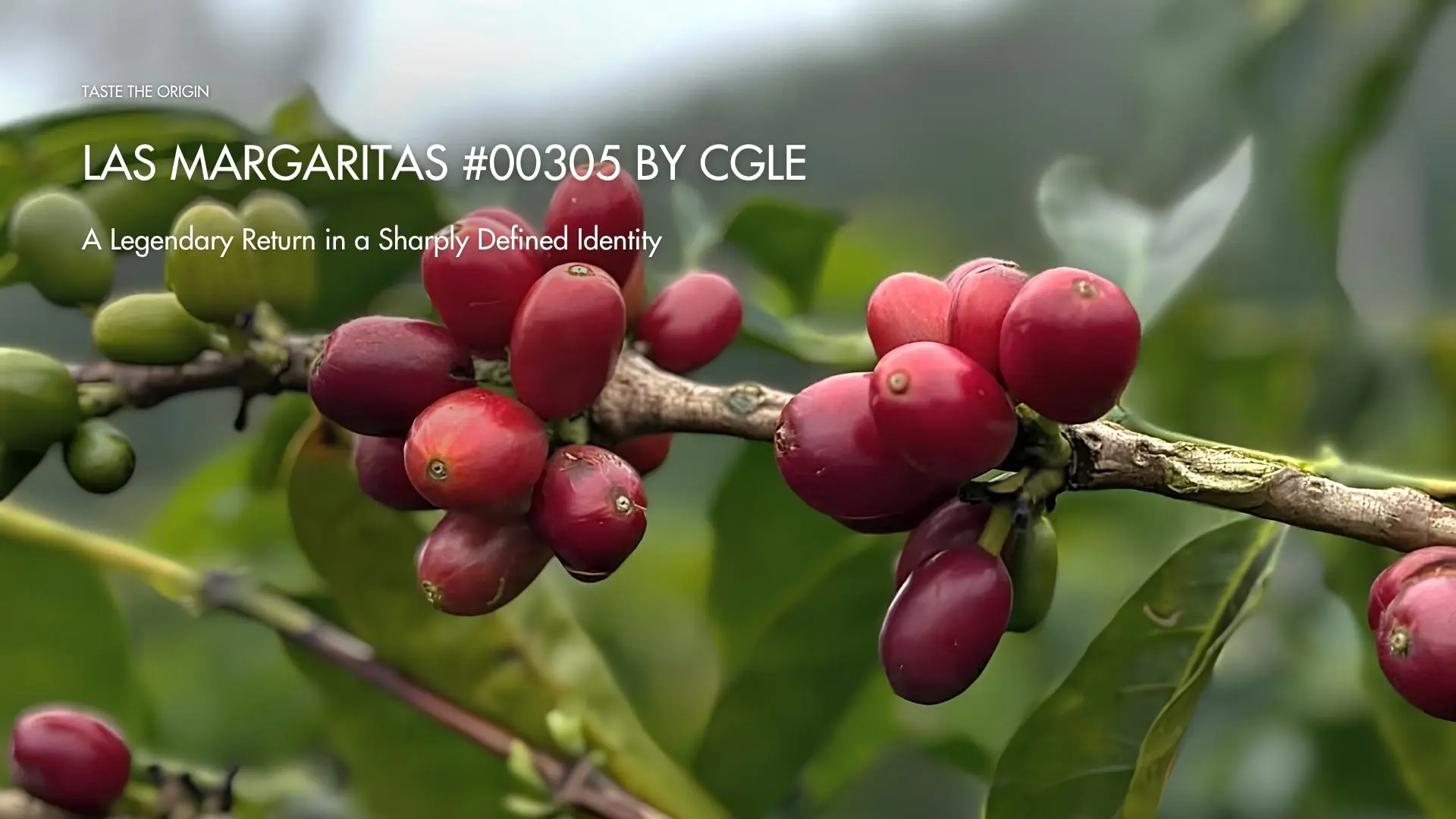
Las Margaritas #00305 by CGLE – A Legend Reunited in a Sharper Identity
Las Margaritas #00305 by CGLE returns to XLIII Coffee as a Gesha masterpiece reborn from the renowned Valle del Cauca region. Infused with the exquisite craftsmanship of Café Granja La Esperanza, this rare batch of coffee embarks on an enchanting flavor journey with vibrant citrus notes, delicate jasmine, and an elegant, lingering Earl Grey finish. Each drop is a crystallization of fertile volcanic soil and the sustainable farming philosophy that CGLE has persistently pursued for decades, creating a full-bodied, sharp flavor profile while retaining the pristine beauty characteristic of the royal Gesha variety.

- Taste the Origin
Finca Rosenheim Typica & Caturra – The Crossroads of Cultural Currents
Across the tides of world history, Finca Rosenheim Typica & Caturra emerges as a living testament hidden within the vast wilderness of Villa Rica. Here, the ancient lineage of the legendary Typica variety converges with the purity of the Washed process and the artistry of shade grown cultivation, weaving together delicate layers of Milk Chocolate, Nougat, and Purple Floral. Together, they create a profound resonance between resilient European heritage and the soul of the native Andes.

Specialty Coffee in Vietnam
BRAND VALUE
YOU SHOULD HAVE KNOWN
XLIII Coffee has been aiming to become a big, impactful company with social responsibilities,
have access to high-quality raw materials and convey the complete original values of coffee to our customer
