
What is cupping coffee? The true value of cupping coffee!
Cupping coffee is a specialized process where coffee is tasted and evaluated based on a standardized scoring system. The process allows producers to identify and highlight the distinct flavors, acidity, sweetness, aftertaste, and balance in different coffee types. Through cupping, producers can refine their cultivation and processing methods to enhance the quality of their final product, providing consumers with a deeper appreciation for each coffee’s unique profile.
I. What is coffee cupping?
Coffee cupping involves the systematic tasting and scoring of coffee samples according to established standards. This method is essential for both producers and buyers to assess the quality of a coffee batch. For Arabica coffee, the Specialty Coffee Association (SCA) provides the guidelines, with coffee scoring over 80/100 recognized as Specialty Coffee. The process is thorough, beginning with the inspection of green beans for defects and continuing through to the scoring of roasted coffee on key qualities such as flavor, cleanliness, acidity, and aftertaste.
II. The standardized cupping process
Cupping is a meticulous process requiring careful preparation and precision at every stage. From selecting and roasting the coffee beans to the specific brewing techniques, each step is standardized by the SCA to ensure that the results are consistent, whether the tasting is conducted by different people or in different locations.

Each step in the cupping process is standardized by the SCA, ensuring that everyone involved can fully appreciate the flavors the coffee beans offer.
Key steps in the cupping process:
- Dry fragrance evaluation: The process begins by assessing the aroma of freshly ground coffee, which reveals the underlying notes and potential flavors within the beans.
- Brewing: Hot water, typically at 93°C, is poured over the coffee grounds, and the mixture is allowed to steep for about 4 minutes. During this stage, the wet aroma is evaluated as it begins to unfold, much like the opening notes of a symphony.
- Tasting (slurping): The coffee is slurped to distribute it evenly across the palate, enabling the taster to detect the full spectrum of flavors, including sweetness, acidity, bitterness, and the overall balance of the coffee.
- Recording and scoring: Detailed notes are taken on every aspect of the coffee, including acidity, sweetness, body, and aftertaste, which are then scored to determine the overall quality.
- Analysis and conclusion: The recorded notes are analyzed and compared to draw final conclusions about the quality and characteristics of each coffee sample.
III. Important evaluation criteria in cupping
Several factors influence the quality of coffee during its growth and are reflected in the cupping scores:
- Flavor score: This is influenced by the variety, cultivation conditions, and processing methods. A low flavor score may indicate issues such as nutrient-deficient soil or poorly controlled fermentation processes. Producers can use these scores to evaluate the impact of different processing experiments and adjust methods to improve flavor. For consumers, the flavor score and accompanying tasting notes provide essential information to help choose coffee that matches personal preferences.
- Aroma: Aroma plays a crucial role in determining the coffee’s flavor profile. It can evoke notes of ripe fruit, flowers, spices, or earthiness. Both the dry aroma (before water is added) and wet aroma (after brewing) are carefully evaluated by experts.
- Acidity: Often described as the brightness of the coffee, acidity ranges from mild, like green apples, to strong, like citrus fruits. This characteristic adds vibrancy to the coffee.
- Body: The body refers to the texture and weight of the coffee on the palate, ranging from light, like tea, to full-bodied, like hot chocolate. It is a key element that contributes to the coffee’s overall structure.
- Aftertaste: This is the lingering flavor that remains on the palate after swallowing. A long, pleasant aftertaste enhances the overall experience of the coffee.
- Balance: Balance refers to the harmony between the different flavor elements. A well-balanced coffee will have all its components, such as acidity, sweetness, and body, working together seamlessly without any one aspect overpowering the others

Some key evaluation criteria in coffee cupping include flavor score, uniformity, cleanliness, and more
IV. Factors influencing cupping results
The results of a coffee cupping session can be influenced by several factors:
- Raw material quality: The origin of the coffee beans, the conditions under which they were grown, and the processing methods used all play a significant role in determining the final flavor profile. Coffee from different regions, such as the highlands of Kenya or the red soils of Brazil, will have distinct characteristics, much like how jazz differs from classical music.
- Roasting technique: Roasting is an art form where the raw beans are transformed into a final product. The temperature, duration, and method of roasting all influence the coffee’s flavor, aroma, and body.
- Water quality: The water used in brewing is not just a medium for extraction but also a critical factor in the final taste. The pH and mineral content of the water can significantly affect how coffee compounds dissolve and thus the flavor that emerges.
- Cupping environment: The environment in which cupping takes place is crucial. A quiet, odor-free space with natural lighting and stable temperature helps the taster focus and accurately assess the coffee’s qualities. The time of day can also influence results, with mornings often being the most optimal time for cupping.
- Taster’s condition: The taster’s mental and physical state is vital for an accurate evaluation. Like an artist needing to be in peak condition to perform, a taster must be relaxed and alert to detect the subtle nuances in the coffee.

The origin of the beans, roasting technique, grinding, water quality, environment, and the condition of the taster can all influence the cupping results.
V. How to conduct simple cupping at home
Cupping isn’t reserved just for professionals; it can be done at home with a few basic tools and some attention to detail. Here’s how:
Materials needed:
- Coffee samples (10-15g each)
- SCA score sheet
- Scale, timer, cupping bowls (160-200ml), water kettle, cupping spoon
Steps:
- Prepare Samples: Weigh and grind each coffee sample into separate cups. Assess the dry fragrance of each.
- Brew: Pour hot water over the grounds and let them steep for 3-5 minutes. Evaluate the wet aroma.
- Skim: Remove the grounds and foam, allowing the coffee to cool slightly, which enhances the flavor clarity.
- Taste: Slurp the coffee to coat your palate and capture the full range of flavors.
- Record: Note down the different aromas, flavors, and sensations you experience.

To conduct a coffee cupping session, you need to prepare some materials, equipment, and ensure you are in the right mindset.
Conclusion
Cupping is a crucial tool for improving coffee quality. By analyzing the results, producers can make informed decisions about cultivation, harvesting, and processing methods to achieve the desired flavor profile. For roasters, cupping results help refine roasting techniques, ensuring the final product aligns with consumer preferences. For traders, it provides a reliable basis for selecting and pricing coffee.
Though cupping may seem complex, it’s a practice that anyone can learn and enjoy. It also empowers consumers to choose specialty coffee that best suits their taste and preferences, enriching their overall coffee experience.
VI. FAQs
1. What is coffee cupping, and why is it important?
Coffee cupping is a method of tasting and evaluating coffee quality and flavor profiles. It’s important because it helps professionals and consumers understand the characteristics of coffee, allowing for better product selection and improvement.
2. What factors are evaluated in coffee cupping?
Factors such as flavor, uniformity, clean cup, balance, complexity, and aftertaste are assessed to determine overall coffee quality.
3. What elements make up the flavor in coffee cupping?
Aroma, acidity, body, and aftertaste combine to create the overall coffee flavor experience.
4. What is the role of uniformity in coffee cupping?
Uniformity ensures that all samples from a batch have consistent flavor, indicating consistent quality in production and roasting.
5. What factors influence coffee cupping results?
Results are influenced by the quality of green beans, roasting process, grind size, water temperature, and the taster’s preparation and environment.

Bài viết mới

- Find the Origin
Mandela coffee variety – A convergence of generations from a masterpiece breeding strategy
Amidst the constant fluctuations of the era, Mandela emerges as a gentle yet resilient response from the soil. Instead of attempting to alter or impose upon nature, this breeding strategy is, in essence, a profound act of listening. Each Mandela coffee bean carries the bloodline of multiple generations, possessing both the serene, steadfast nature of native trees and the sparkling elegance of premium varieties. It is a sacred continuation, where the flow of generations ultimate honors the original value of the species, imparting an intact and sustainable vitality into every cup.


- Taste the Origin
Nigussie Nare – Murago Outgrowers #03028: Cultivated from the Values of Sustainable Reciprocity
Nestled beneath the shade trees of Sidama, Bensa, the Nigussie Nare – Murago Outgrowers #03028 coffee lot serves as a living testament to the values of sustainable reciprocity. This symbiosis begins with the intimate bond between a rich indigenous ecosystem and the smallholder farmers of the Murago region. Each harvested bean is the culmination of a virtuous cycle: a stable environment produces exceptional bean quality, and sustainable economic growth, in turn, continues to protect the verdant canopy of the great forest.

- Taste the Origin
Rift Valley Coffee Caucus #03757 – A Testament to Western Kenya’s Collective Spirit
Turning our gaze to the Great Rift Valley of East Africa, the fertile volcanic landscapes are witnessing an inspiring transformation. Moving away from fierce, survival-driven competition, smallholder farmers in Western Kenya have chosen to join forces, forging a resilient and unified network. The Rift Valley Coffee Caucus #03757 lot stands as the ultimate testament to this remarkable collective synergy.

- Breaking News
Airworks Coffee & XLIII Coffee – A “handshake” that brings original flavors across borders
XLIII Coffee, alongside our key wholesale partner Airworks Coffee, officially announces the latest release of specialty coffee lots for the North American market. This event reaffirms our commitment to bringing original flavors across all geographical barriers to coffee enthusiasts.
Early access (for Subscribers of Airworks): 10:00 AM (PST) | Wednesday, April 29, 2026
General access: 10:00 AM (PST) | Friday, May 1, 2026
We invite our Customers and Partners to visit (airworkscoffee.com) for detailed information and to prepare for this special release!
- Taste the Origin
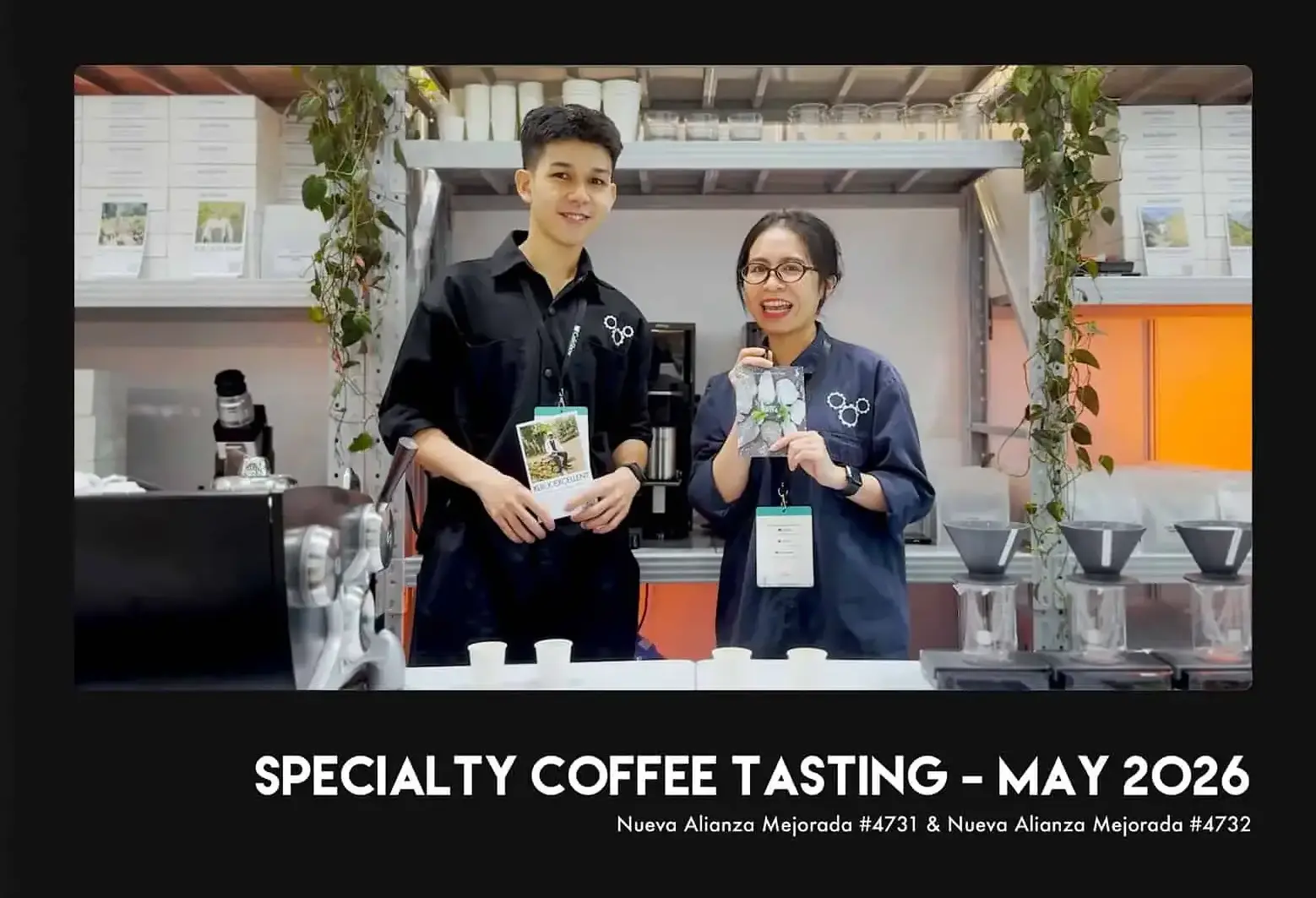
Unveiling May Discovery Subscription: Nueva Alianza Mejorada #4731 & Nueva Alianza Mejorada #4732
The Discovery Subscription is a silent dialogue, a place where the soul of the connoisseur finds a harmonious beat with distant lands. Like a transparent lens, we become storytellers, meticulously peeling back layers of cultural sediment, the breath of the soil, and the human philosophies hidden within every coffee bean.
May arrives with brilliant streaks of golden sunlight, a time when we long to hide beneath the lush, dew-drenched canopies of Santa Teresa. Amidst the silence of the Andes, when compassion touches Mother Earth, what will we hear? Perhaps it is a sweet response that nature reserves solely for souls who know how to wait patiently.

Specialty Coffee in Vietnam
BRAND VALUE
YOU SHOULD HAVE KNOWN
XLIII Coffee has been aiming to become a big, impactful company with social responsibilities,
have access to high-quality raw materials and convey the complete original values of coffee to our customer
