
Sustainable Specialty coffee shops – Design for the future
The specialty coffee industry is evolving towards sustainability, focusing on environmentally conscious coffee shop designs. These specialty coffee shops connect people with the essence of their coffee while committing to nature’s protection, blending coffee enjoyment with social responsibility.
Table of Contents
- 1. The appeal of Specialty coffee shop spaces
- 2. Current design standards for Specialty coffee shops
- 3. Specialty coffee roasting factory - Elevating the authenticity of flavor
- 4. Harmonious integration of Specialty coffee experience
- 5. Challenges and opportunities for Specialty coffee brands
- 6. Related questions
1. The appeal of Specialty coffee shop spaces
People choose coffee shops for various reasons, from the tranquility of vintage-style cafes to the vibrant, green energy of sustainable specialty coffee shops.
Defining Specialty coffee shops
Though not officially defined, specialty coffee shops serve beans that emphasize origin and inherent characteristics. These beans meet SCA scoring standards and have unique flavor profiles.
Differences between Specialty coffee shops and regular coffee shops
Specialty coffee shops and regular coffee shops differ significantly, catering to different customer bases.
| Criteria |
Specialty Coffee Shops |
Regular Coffee Shops |
|
Origin and quality of beans |
High-quality Arabica beans from certified sustainable regions like Ethiopia, Brazil, Peru. |
Typically use Robusta beans, not stringent on origin or quality certifications. |
|
Flavor |
Beans with distinct, layered flavors. |
Often have a characteristic bitter taste. |
| Roasting |
Lightly roasted to preserve original characteristics. |
Often darker roasted. |
|
Customer experience |
Focus on customer experience, service, and coffee education. Staff knowledgeable about coffee. |
Less focus on coffee education. Staff not required to have extensive coffee knowledge. |
|
Customer experience |
Committed to sustainability, fairness, and transparency. Directly support coffee farms ensuring good working conditions. |
Less focus on sustainable and fair practices. |
XLIII Coffee – A model of eco-friendly Specialty coffee space
Sustainability, responsibility, and ethics are core to XLIII Coffee’s growth. The shop delights customers with rich coffee while focusing on human rights and environmental preservation.
Using eco-friendly materials
XLIII Coffee prioritizes reusable and recyclable materials to reduce environmental impact. Glass cups replace plastic ones, and paper products are used for takeaways. GrainPro bags, part of a recycling project, are used for storing green coffee beans, reducing plastic waste.

Sustainability is increasingly being discussed and has become more prevalent across various industries and fields in recent years.
Minimalist green space
Built on minimalist principles, XLIII Coffee features a black and white color scheme, complemented by green plants that add freshness and lower the temperature. A serene river with colorful Koi fish enhances the tranquil atmosphere.
High-quality whole bean Specialty soffee
XLIII Coffee offers premium specialty coffee from ethical, organic farms. These farms practice environmentally friendly methods, reducing carbon footprints and showcasing the beans’ natural qualities. Sustainable coffee farming also ensures good living and working conditions for workers, promoting gender equality and fair wages.
Meaningful space design – Ethical and responsible Beauty
Sustainable specialty coffee shops protect the environment and create long-term value for the community and businesses. They appeal to environmentally conscious customers who appreciate contributing to environmental protection efforts through their choices.
– Environmental protection
+ Using eco-friendly materials, saving energy, managing water efficiently, and minimizing waste.
+ Reducing carbon emissions and conserving natural resources.
– Promoting economic sustainability
+ Supporting local suppliers and boosting the local economy, creating sustainable jobs.
+ Reducing long-term costs through energy and resource savings.
– Building healthy social values
+ Creating a healthy and safe working environment for employees, improving their quality of life.
+ Encouraging environmental protection and sustainable practices within the community.
– Raising awareness
Providing a space for customers to learn and increase awareness about sustainability and environmental protection.

XLIII Coffee offers high-quality specialty coffee batches sourced from ethical, organic farms.
2. Current design standards for Specialty coffee shops
Specialty coffee shops today focus on creating unique spaces that provide great customer experiences and are environmentally friendly. Here are some styles you might encounter at specialty coffee shops:
Open space Specialty coffee shops
Open space coffee shops offer airy, spacious environments that closely connect with nature. Customers can enjoy the gentle aspects of nature, such as breezes, sunlight, and the sound of rain.
Characteristics:
– Use of glass or large windows to expand the view to the beautiful, wide world.
– Limited partitions to create a sense of openness.
– Lots of greenery both inside and outside the shop.
– Garden or balcony areas.
– Use of natural materials like wood, stone, metal, bamboo, and rattan.

XLIII Coffee is designed with an open space concept, providing a spacious and airy environment closely connected with nature.
Specialty coffee shops for studying and working
With the rise of remote work and freelancing in the 4.0 era, many young and dynamic workers prefer to work in inspiring environments. This trend has led to the development of coffee shops with spaces designed for studying and working.
Characteristics:
– Clean design with large tables suitable for laptops, documents, and books.
– Clearly defined walkways for easy movement.
– Dedicated work areas for meetings or those needing quiet spaces.
– Well-organized common and private areas to meet diverse customer needs.

XLIII Coffee has a relatively tidy design with large tables suitable for laptops, documents, and books.
Sustainable spaces
As people increasingly adopt green living, specialty coffee shops with a sustainability focus play a crucial role in environmental and human life protection.
Characteristics:
– Use of recycled materials, energy-saving products like recycled bricks, wood, and insulation materials.
– Minimal use of plastics, favoring glass and paper to reduce environmental impact.
– Strict sourcing of coffee beans, selecting only those grown with environmental consciousness.

XLIII Coffee prioritizes using recycled and energy-saving materials.
Community-connecting coffee shops
In today’s open world, people are more inclined to connect with others. Many modern specialty coffee shops host workshops and community activities to foster connections.
Characteristics:
– Open spaces with long tables to encourage interaction.
– Bar seating where customers can watch the coffee-making process and chat with baristas about coffee.

Many modern specialty coffee shops like XLIII Coffee regularly organize workshops and community activities for everyone to participate in.
Integrated roasting workshops
Roasting coffee is crucial in shaping the flavor profile of coffee beans. Many specialty coffee shops integrate roasting areas into their space to ensure quality control and add an eye-catching element.
Characteristics:
– Large, modern roasting machines that serve both as functional tools and decorative pieces.
– Skilled roasters who carefully develop the coffee’s flavor profile, often roasting lightly to preserve the beans’ original characteristics.

Many specialty coffee shops choose to integrate roasting areas into their shop spaces.
At XLIII Coffee, for instance, you can see the impressive roasting machine prominently displayed. Here, skilled artisans roast the beans just after the first crack to preserve their inherent qualities, ensuring a unique and authentic coffee experience.
3. Specialty coffee roasting factory - Elevating the authenticity of flavor
For green coffee beans to be ready for brewing, they must unlock and enhance their inherent flavors through the roasting process. Roasting coffee is a double-edged sword: it can either release pure aromas or result in burnt, smoky flavors if time and temperature are not properly managed.
The role of the roasting factory in Specialty coffee shops
The roasting workshop is crucial for every specialty coffee shop. No matter how good the green coffee beans are, improper roasting can lead to undesirable flavors.
– Direct impact onflavor profile
The roasting process is essential for developing and optimizing the flavor of coffee beans. Skilled roasters use their techniques and experience to adjust temperature, time, and roasting methods to bring out the best flavors in each type of bean. During roasting, heat causes chemical reactions within the beans, forming new aromatic compounds and changing their structure. For example, the Maillard reaction turns beans from yellow to light brown, reducing sweetness and increasing bitterness.
– Quality control
The roasting workshop plays a vital role in testing and maintaining coffee quality. This involves tasting and sampling roasted batches to ensure they achieve the desired flavors without defects.

During roasting, heat induces chemical reactions within the beans, forming new aromatic compounds and changing the structure of the coffee beans.
Roasting process in a Specialty coffee workshop
The roasting process involves several meticulous and tightly controlled steps to ensure the best flavor for each batch of coffee. Here are some basic steps in a typical roasting process:
– Selecting green coffee beans: Roasters thoroughly inspect green coffee samples to ensure they are free from defects and have good flavor potential.
– Analyzing green coffee beans: Before roasting, green beans are analyzed for moisture content, size, density, and color to adjust the roasting process according to each bean’s characteristics.
– Creating a roasting profile: Roasters determine the appropriate roasting profile for each type of coffee bean, including temperature, time, and different roasting stages. The profile can be adjusted and tested multiple times to achieve optimal flavor.
– Preheating and preparing the roasting machine: The roasting machine is preheated to the appropriate temperature to ensure stability throughout the roasting process.
– Roasting the coffee
– Cooling the coffee beans: The beans are cooled using air or water.
– Storing and resting:
+ Storage: Roasted coffee beans must be stored in a dry, cool environment to maintain their flavor.
+ Resting: Coffee beans usually need to rest for at least 24-48 hours before use to develop their maximum flavor.

The roaster will determine the appropriate roasting profile for each type of coffee bean, including temperature, time, and various roasting stages.
Ensuring quality during roasting
To ensure the quality of coffee beans, roasters need to control temperature and time according to the analyzed characteristics of the green coffee beans and avoid errors in the roasting process. Specifically:
– Preheat the equipment before roasting coffee.
– Monitor and document the roasting process.
– Avoid over-roasting or under-roasting.
– Understand the structure of coffee during roasting.
– Control roasting time.
– Adjust roasting temperature appropriately.
– Clean the equipment before roasting coffee.
– Avoid tasting coffee too soon after roasting.
At XLIII Coffee, for instance, you’ll notice the impressive roasting machine prominently displayed. Here, skilled artisans carefully develop the coffee’s flavor profile, often roasting lightly to preserve the beans’ original characteristics, ensuring a unique and authentic coffee experience.

Roasters need to carefully control temperature and time to match the analyzed characteristics of the coffee beans.
4. Harmonious integration of Specialty coffee experience
Specialty coffee beans from unique growing regions inherently possess an irresistible allure. However, exceptional customer experiences in specialty coffee require more than just high-quality beans. When aesthetics and quality are seamlessly integrated, customers not only enjoy the product but also feel valued, leading to a memorable and elevated experience.
Creating a strong impression
A well-designed, visually appealing product captures immediate attention. Many people subconsciously form initial judgments based on appearance. For instance, dark, roasted coffee beans might evoke thoughts of bitterness, while light, solid, crack-free beans often suggest bright, acidic flavors. This is why specialty coffee shops strive to enhance the visual appeal of their coffee and spaces. While the brilliant, pure flavor profile of the coffee is paramount, the aesthetic presentation of the coffee and its environment significantly enhances the overall experience. For example, a thin, clear glass is ideal for showcasing the clarity and brightness of specialty coffee. Additionally, a slow, relaxed atmosphere is more conducive to savoring specialty coffee, allowing customers to fully appreciate its subtle notes.

Specialty coffee shops strive to improve the visual appeal of their coffee batches and spaces.
Improving satisfaction levels
A delicious coffee alone isn’t enough; it must also be aesthetically pleasing for customers to feel their expenditure is worthwhile. This combination of high-quality coffee and beautiful surroundings makes customers feel cared for and creates memorable experiences. Over time, this satisfaction can turn into loyalty, making customers more likely to return.
Enhancing sensory experience
Sophisticated design, harmonious colors, and premium materials create a pleasant environment, allowing customers to immerse themselves in the coffee’s layers of flavor. Modern coffee shops often integrate technology to enhance the experience. At XLIII Coffee, for example, customers can scan QR codes on coffee tags to access detailed information about the coffee batch and farm. Understanding the origin and characteristics of each bean helps customers connect more deeply with the coffee, enriching their sensory experience.
Conveying brand values
When aesthetics and quality are aligned, they reinforce and consistently convey the brand’s values. Every customer interaction, from product packaging to store layout and customer service, reflects a commitment to detail and quality. Specialty coffee brands emphasize environmental sustainability, ethical practices, and origin authenticity. These values can be communicated through the shop’s design, packaging, and the way coffee is served. If the product’s image does not align with its values, it can create customer doubts and diminish the positive impact of the brand. For instance, a specialty coffee brand advocating sustainability but using harmful plastics would contradict its core principles.

Each unique characteristic can be conveyed through the shop’s space, packaging, and the way coffee is served to customers.
5. Challenges and opportunities for Specialty coffee brands
Specialty coffee brands offer exceptional flavor profiles and promote environmental awareness and stakeholder rights within the coffee supply chain. Despite their success, these brands face significant challenges.
Industry competition
The coffee world is vast and diverse, with varying customer preferences influenced by cultural factors. Some prefer the bitter taste of dark-roasted Robusta, while others enjoy the fruity notes of specialty coffee. This diversity has fostered the coexistence of traditional coffee brands and newer specialty coffee brands. Although the specialty coffee wave has spread to many Asian countries, it has not fully replaced the preference for instant and bitter black coffee in countries like Vietnam. To assert their position, specialty coffee shops must continually enhance the quality of their beans and sustainable spaces to meet increasingly stringent customer demands.

Over many years of development, specialty coffee brands have achieved certain successes.
Educating customers about Specialty coffee
Understanding and appreciating the complex flavors of specialty coffee can be a long and challenging journey for newcomers. Educating customers about specialty coffee is essential for a thorough appreciation of the product. Specialty coffee shops are doing well in this regard, with baristas serving as knowledgeable bridges between customers and specialty coffee. They provide insights into the origin, cultivation, and production of the coffee and guide customers on how to savor it properly. Over time, customers find joy in identifying the bright flavor notes in their amber-brown coffee.
Trends andinnovations in the industry
– Sustainable development
Sustainability is a core focus for the specialty coffee industry. Companies, including XLIII Coffee, are striving to transition towards sustainable practices to keep pace with market developments. This green trend extends beyond production to include transportation, storage, brewing, and customer service. Eco-friendly materials are increasingly used in all aspects of business operations, and environmental protection projects are widely implemented, yielding positive outcomes for nature and people.

Businesses in the specialty coffee industry are pursuing a green trend, transitioning towards sustainability.
– Transparency
Transparency ensures that producers are honest with consumers, encourages responsible consumer choices, and provides a method for strict quality control. Technologies like Blockchain, an advanced database mechanism that enables transparent information sharing within a business network, have been developed to facilitate this. Blockchain enhances traceability, efficiency, and fairness in the specialty coffee industry and is already being adopted by various businesses.
Conclusion
Sustainable specialty coffee shops represent a commitment to a green, responsible journey in the specialty coffee industry. This model is being widely adopted in various locations and forms, with a common focus on environmental awareness and spreading a love for nature among customers. If you have any doubts about these sustainable spaces, visit XLIII Coffee and experience it for yourself!
6. Related questions
Question 1: What is a sustainable specialty coffee shop space?
A sustainable specialty coffee shop space is designed and operated to minimize negative environmental impact. It uses eco-friendly materials, conserves energy, reduces waste, and utilizes sustainable resources.
Question 2: Why do sustainable specialty coffee shop spaces attract customers?
Sustainable specialty coffee shop spaces attract customers by providing a comfortable and relaxing experience while allowing them to contribute to environmental protection. The blend of aesthetics and social responsibility creates a friendly and meaningful environment.
Question 3: How do sustainable specialty coffee shops build social value?
Sustainable specialty coffee shops create a healthy and safe working environment for employees, encourage customers and the community to engage in environmental protection activities, and promote sustainable practices.
Question 4: How does the combination of aesthetics and product quality in sustainable specialty coffee shops enhance customer experience?
This combination creates a comfortable and meaningful space, attracting customers with aesthetics and product quality. It also helps customers feel satisfied and valued, knowing they are contributing to environmental protection.
Question 5: Why is a sustainable specialty coffee shop space important in the coffee industry today?
A sustainable specialty coffee shop space is important because it minimizes negative environmental impacts, promotes economic and social sustainability, and enhances customer experience by combining aesthetics with social responsibility.

Bài viết mới

- Taste the Origin
Nigussie Nare – Murago Outgrowers #03028: Cultivated from the Values of Sustainable Reciprocity
Nestled beneath the shade trees of Sidama, Bensa, the Nigussie Nare – Murago Outgrowers #03028 coffee lot serves as a living testament to the values of sustainable reciprocity. This symbiosis begins with the intimate bond between a rich indigenous ecosystem and the smallholder farmers of the Murago region. Each harvested bean is the culmination of a virtuous cycle: a stable environment produces exceptional bean quality, and sustainable economic growth, in turn, continues to protect the verdant canopy of the great forest.

- Taste the Origin
Rift Valley Coffee Caucus #03757 – A Testament to Western Kenya’s Collective Spirit
Turning our gaze to the Great Rift Valley of East Africa, the fertile volcanic landscapes are witnessing an inspiring transformation. Moving away from fierce, survival-driven competition, smallholder farmers in Western Kenya have chosen to join forces, forging a resilient and unified network. The Rift Valley Coffee Caucus #03757 lot stands as the ultimate testament to this remarkable collective synergy.

- Breaking News
Airworks Coffee & XLIII Coffee – A “handshake” that brings original flavors across borders
XLIII Coffee, alongside our key wholesale partner Airworks Coffee, officially announces the latest release of specialty coffee lots for the North American market. This event reaffirms our commitment to bringing original flavors across all geographical barriers to coffee enthusiasts.
Early access (for Subscribers of Airworks): 10:00 AM (PST) | Wednesday, April 29, 2026
General access: 10:00 AM (PST) | Friday, May 1, 2026
We invite our Customers and Partners to visit (airworkscoffee.com) for detailed information and to prepare for this special release!
- Taste the Origin
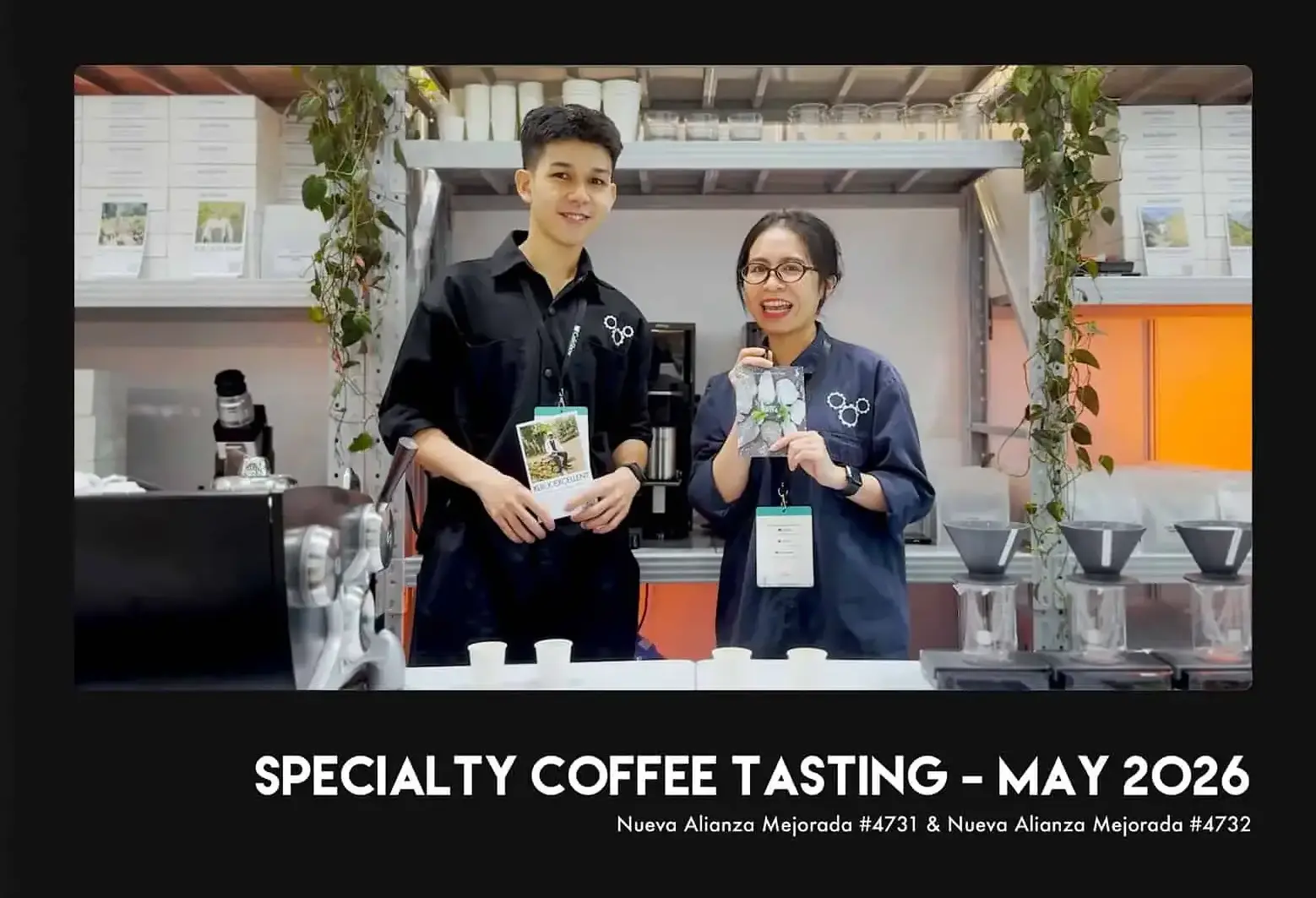
Unveiling May Discovery Subscription: Nueva Alianza Mejorada #4731 & Nueva Alianza Mejorada #4732
The Discovery Subscription is a silent dialogue, a place where the soul of the connoisseur finds a harmonious beat with distant lands. Like a transparent lens, we become storytellers, meticulously peeling back layers of cultural sediment, the breath of the soil, and the human philosophies hidden within every coffee bean.
May arrives with brilliant streaks of golden sunlight, a time when we long to hide beneath the lush, dew-drenched canopies of Santa Teresa. Amidst the silence of the Andes, when compassion touches Mother Earth, what will we hear? Perhaps it is a sweet response that nature reserves solely for souls who know how to wait patiently.

- Taste the Origin
Nueva Alianza Pacamara #4733 – The essence of Cusco with elegant jasmine notes
Nueva Alianza Pacamara #4733 is a testament to the miraculous terroir and dedicated cultivation of the renowned Cusco region. The combination of the characteristic Pacamara bean size and ideal altitude has forged a flavor profile of immense sophistication and depth. From the very first moment, this lot captivates with its elegant jasmine notes, radiating a gentle, pure fragrance akin to a flower blooming in the morning dew.

- Taste the Origin
Nueva Alianza Orange Gesha #4737 – An expedition of recessive genetic traits into the sensory realm
In a world of authenticity, Nueva Alianza Orange Gesha #4737 represents the proud emergence of rare biological traits often obscured by nature’s universality. Carrying a recessive genetic code, Lot #4737 embarks on an “expedition” into the connoisseur’s mind, where record-breaking fructose concentrations are released to perfectly fill every sensory gap with absolute smoothness and purity.
Through washed processing and extremely-light roasting, vibrant citrus nuances and ethereal floral notes, once hidden deep within the genetic structure, now manifest with power, transforming the tasting experience into a journey of ontological completion, where the rarity of recessive genes finally reigns supreme in flavor.

Specialty Coffee in Vietnam
BRAND VALUE
YOU SHOULD HAVE KNOWN
XLIII Coffee has been aiming to become a big, impactful company with social responsibilities,
have access to high-quality raw materials and convey the complete original values of coffee to our customer
