
Weekly Coffee News: The Paradox of Modern Coffee Marketing
Discover the latest updates in the coffee industry with this week’s news. From the paradox of sustainable coffee marketing and the impacts of climate change to market price trends and surprising coffee facts, here’s everything you need to know:
Table of Contents
- 1. Sustainable Coffee Sold as Regular Coffee
- 2. The Journey of a Coffee Bean
- 3. Misconceptions About Caffeine in Roasted Coffee
- 4. The Carbon Footprint of a Coffee Cup
- 5. Maximizing Specialty Coffee Value Through Direct Trade
- 6. Should Roasted Coffee Beans Be Washed?
- 7. Arabica Coffee vs Climate Change
- 8. Quality Compromised by Rising Coffee Prices
- 9. Gender Inequality in Coffee
- 10. Supply Chain Transparency Through Microlots
- 11. Frost Raises Concerns About Global Coffee Supply and Prices

1. Sustainable Coffee Sold as Regular Coffee
Despite 55% of global coffee being sustainably certified, only 26% is marketed as such. Factors like price-sensitive consumer habits, complex supply chains, and supply-demand gaps contribute to this paradox. Transparency and regulations like the EU Deforestation Regulation are crucial to addressing this issue.
>> See details
2. The Journey of a Coffee Bean
Every coffee bean’s journey—from a tiny seed to a fragrant cup—is a tale of dedication and care. From cultivation and meticulous harvesting to processing and roasting, coffee beans embody the love and patience of farmers. Remember the story behind each drop of coffee when you savor your next cup.
>>> See details
3. Misconceptions About Caffeine in Roasted Coffee
It’s a myth that dark roast coffee contains more caffeine. Caffeine levels remain stable during roasting. However, dark roast beans are lighter by weight, meaning more beans—and thus more caffeine—are needed per weight unit. Conversely, lighter roasts contain more caffeine when measured by volume.
>>> See details
4. The Carbon Footprint of a Coffee Cup
A cup of coffee has an estimated carbon footprint of 0.2 to 0.5 kg CO2, reflecting emissions from farming, transport, processing, and brewing. Farming accounts for over 50% of emissions. Sustainable practices and technical innovations can reduce emissions by up to 77%, mitigating climate change impacts.
>>> See details
5. Maximizing Specialty Coffee Value Through Direct Trade
Direct trade maximizes specialty coffee’s value by eliminating intermediaries, increasing farmer income, and improving product quality. This model also preserves cultural values, promotes sustainability, and ensures transparency, creating positive impacts on communities and the environment.
>>> See details
6. Should Roasted Coffee Beans Be Washed?
Washing roasted coffee beans is unnecessary and can degrade their quality. Beans are cleaned before roasting and are sensitive to water, which can diminish flavor and disrupt brewing. Instead, store them in a dry place to enjoy their natural taste.
>>> See details
7. Arabica Coffee vs Climate Change
Rising temperatures and extreme weather are disrupting Arabica coffee growth cycles and reducing yields. These changes not only threaten coffee quality but also severely impact farming communities. Supporting sustainable coffee is essential to combat climate change’s effects.
>>> See details
8. Quality Compromised by Rising Coffee Prices
Higher coffee prices often push farmers to prioritize quantity over quality for short-term gains, affecting specialty coffee standards. To safeguard quality, the industry must provide sustainable financial support, low-interest loans, and equitable profit-sharing, encouraging long-term investment in quality.
>>> See details
9. Gender Inequality in Coffee
Gender inequality persists in the coffee industry, limiting women’s access to finance and opportunities. Empowering women enhances productivity, quality, and community investment. Initiatives like Fairtrade and Rainforest Alliance offer microfinance and training to promote equality and sustainable development.
>>> See details
10. Supply Chain Transparency Through Microlots
Microlots, featuring small, exclusive coffee batches from prime regions, ensure supply chain transparency. These unique lots offer superior flavor, exclusivity, and fair farmer compensation. As demand grows, microlots are gaining popularity for their high quality and traceability.
>>> See details
11. Frost Raises Concerns About Global Coffee Supply and Prices
Frost in Brazil’s Cerrado Mineiro region, though mild, has sparked worries about global coffee supply and pricing. While white frost is less harmful than black frost, the industry remains sensitive to weather impacts. Climate change underscores the need for sustainable farming practices.
>>> See details

Bài viết mới
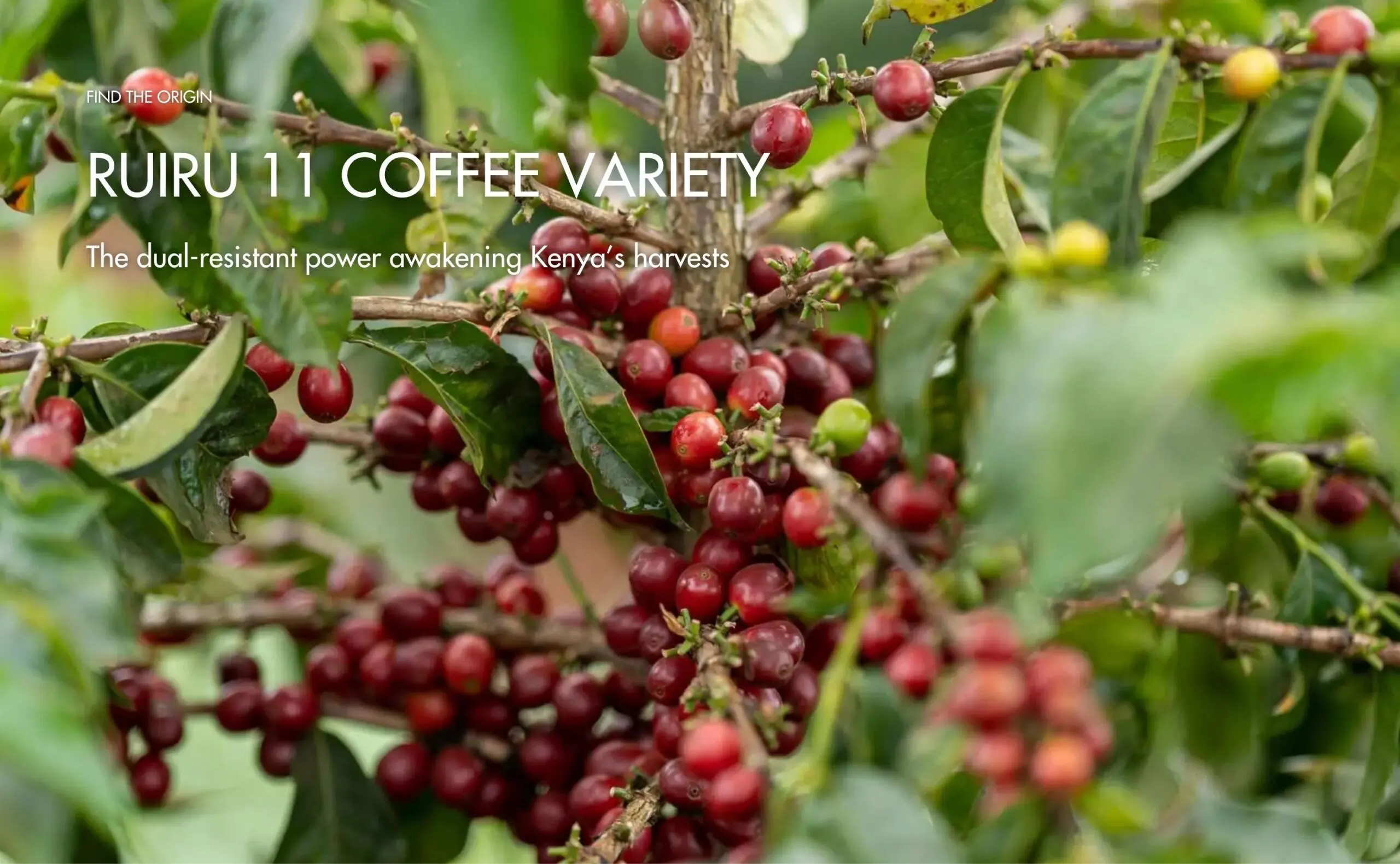
- Find the Origin
Ruiru 11 coffee variety – The dual-resistant power awakening Kenya’s harvests
Born from the ashes of a devastating pandemic, Ruiru 11 is a resilient response of indigenous wisdom to the trials of nature. Carrying a complex genetic code from 66 sibling isolines, this humbly statured coffee variety possesses superb “dual-resistance” against the twin shadows of Coffee Berry Disease and Coffee Leaf Rust. Overcoming early prejudices and the paradox of trade-offs between yield and flavor, Ruiru 11 has been weaving through nurseries, awakening dormant harvests across highland hillsides, and igniting a proud flame of self-reliance for Kenyan coffee.

- Taste the Origin
Sudan Rume #00313 by CGLE – The origin legend beneath the Eucalyptus canopy
From a wild coffee lineage discovered in the Rume Mountains in the 1940s to the enduring conservation efforts of Café Granja La Esperanza, Sudan Rume #00313 by CGLE invites drinkers on a sensory pilgrimage to the birthplace of the Arabica world. It is a rare biological legacy preserved through unwavering dedication, integrity, and deep reverence for history.
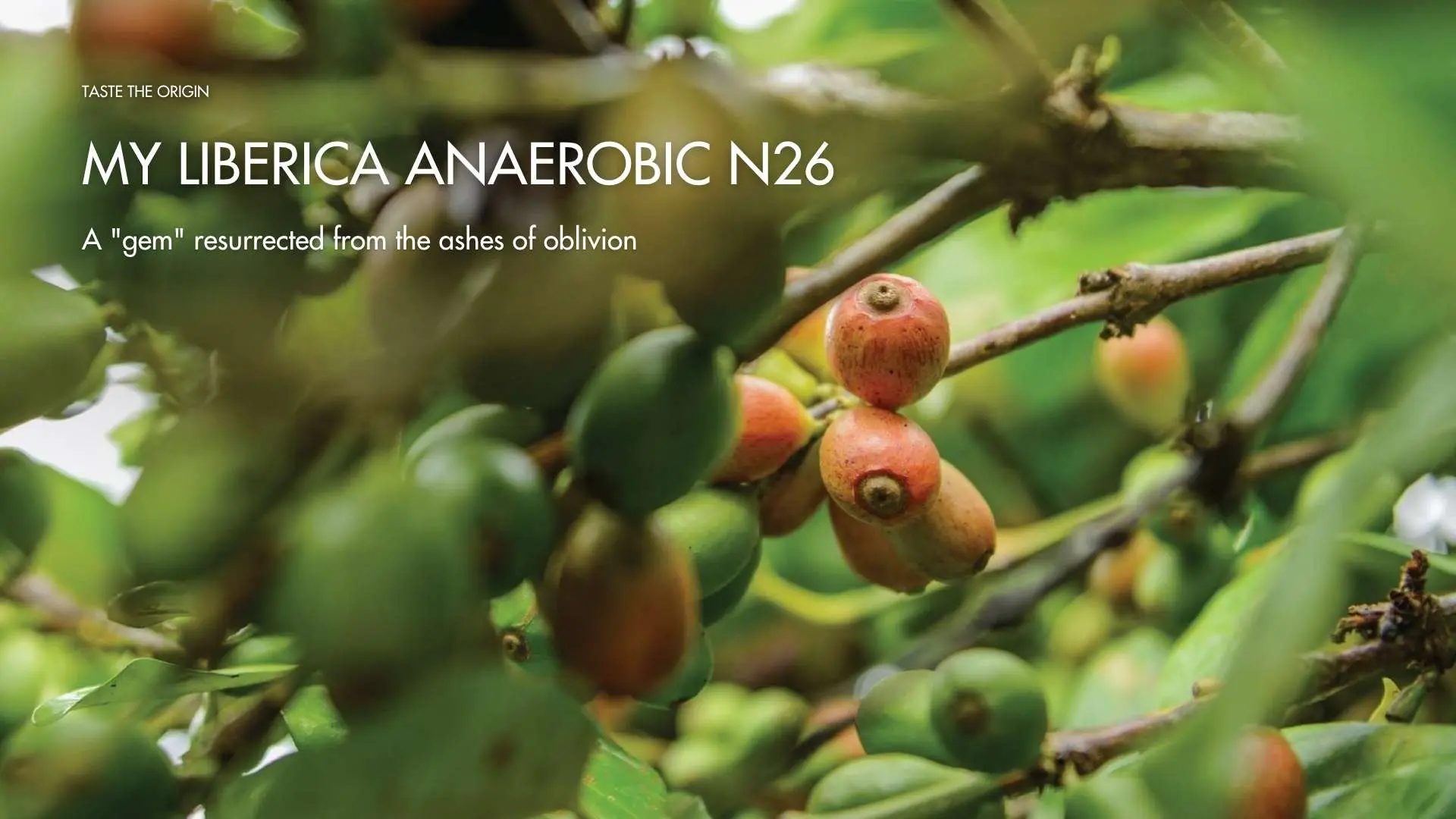
- Taste the Origin
My Liberica Anaerobic N26 – A “gem” resurrected from the ashes of oblivion
The journey of My Liberica Anaerobic N26 is the triumph of a forgotten species, awakened by the depth of understanding, patience, and faith in its original essence. From the heavy clay layers of Kulai to 26 days of transformation in absolute darkness, each step contributes to unlocking layers of flavor that the world once thought could not exist in Liberica. More than just a cup of coffee, My Liberica Anaerobic N26 is a powerful declaration that all great values begin with the courage to delve into their essence, and then rise to a unique voice that resonates throughout the world.


- Taste the Origin
Finca Soledad Mejorado Tyoxy & Fincas Putushio Mejorado – The red thread of the Jijón family
The simultaneous arrival of Finca Soledad Mejorado Tyoxy and Fincas Putushio Mejorado at XLIII Coffee paints a remarkable portrait of the adaptability of the Mejorado variety within Ecuador’s specialty coffee landscape. Nurtured by a shared family philosophy and a commitment to principled cultivation, these two processed lots represent both a breakthrough in microbial innovation and the remarkable return of an exceptional flavor profile.

- Taste the Origin
Finca La Palestina Gesha #5482 – A new chapter in the legend from Cajamarca
From the renowned Cajamarca region, Finca La Palestina Gesha #5482 returns after a period of absence with a proud and fresh appearance. Nurtured in ideal altitude conditions and the cool climate characteristic of the Andes, each coffee bean slowly accumulates subtle flavor nuances before being perfected using the Washed method to maximize the purity of the Gesha variety. Under a carefully refined extremely-light roast profile, this batch of coffee reveals layers of white jasmine, ripe citrus, and sweet golden apricot aromas, interwoven in an elegant and rich flavor structure.

Specialty Coffee in Vietnam
BRAND VALUE
YOU SHOULD HAVE KNOWN
XLIII Coffee has been aiming to become a big, impactful company with social responsibilities,
have access to high-quality raw materials and convey the complete original values of coffee to our customer
