
What does Wolisho coffee have besides being “stubborn” with climate change?
Wolisho, a landrace coffee variety, has thrived for centuries in the Ethiopian highlands, especially in the Gedeo region. Also known as Welicho, this variety is predominantly cultivated in semi-forest conditions, blending harmoniously with its natural surroundings.
I. The Origin Story of Wolisho Coffee
Wolisho evolved from wild coffee populations, adapting over centuries to Ethiopia’s diverse ecosystems. According to extensive Ethiopian coffee research, Wolisho represents one of the thousands of heirloom coffee varieties yet to be formally classified in the country.
Among these many undiscovered gems, Wolisho has carved out a reputation as a standout native variety. Its name derives from a native tree common in the region, where the ideal climate and soil create the perfect environment for high-quality coffee cultivation.

The Wolisho variety evolved from wild coffee populations that adapted over centuries to the diverse ecological conditions of Ethiopia
II. Unique Traits of Wolisho Beyond Drought Tolerance
Naturally selected from wild coffee populations in Ethiopia, Wolisho boasts exceptional adaptability, especially its drought resistance and resilience to climate change. These traits are critical as global weather conditions become increasingly unpredictable, making Wolisho a promising choice for sustainable coffee production.
Wolisho trees are robust, with long, sprawling canopies that thrive under the natural shade of forested environments. This not only protects the plants from intense sunlight but also supports the preservation of the rainforest ecosystem where they grow.
The variety also produces larger coffee cherries, which are easier to harvest manually—a significant advantage for farmers in Ethiopia’s highlands. Additionally, Wolisho cherries ripen slowly, requiring more time to mature than many other varieties. While this longer ripening period poses challenges for harvest, it allows the cherries to develop their distinct and complex characteristics.

Naturally selected from wild coffee populations in Ethiopia, Wolisho inherits excellent adaptability to the environment
However, like many heirloom varieties, Wolisho yields can vary significantly from year to year. This inconsistency is tied to the plant’s natural growth cycles and dependence on environmental conditions. Interestingly, low-yield years often produce higher-quality beans, adding significant commercial value in the specialty coffee market.
III. Flavor Potential of Wolisho Coffee
Wolisho coffee delivers a complex flavor profile that embodies the unique essence of Ethiopian coffee. The beans typically feature a natural sweetness, balanced acidity, and a clean aftertaste. Its flavor notes often include floral aromas like jasmine and orange blossom, interwoven with refreshing fruit tones such as peach, lemon, or apricot.
The extended sweetness and light, clean finish make Wolisho an excellent fit for the specialty coffee market. These qualities have made it a sought-after variety among producers dedicated to nurturing its high-value potential.

Coffees from the Wolisho variety tend to have complex flavors, with characteristics typical of Ethiopian coffees. Coffee beans from this variety have a natural light sweetness, balanced acidity, and a clean aftertaste
IV. Where Is Wolisho Coffee Grown?
Wolisho thrives at high altitudes with cool climates and fertile soils, making Ethiopia’s highlands its natural home. In regions like Chelbesa and Gedeb Woreda, Wolisho is often intercropped under semi-forest conditions, carefully tended by local farmers to produce high-quality beans with distinctive flavors.
Beyond Gedeo, Wolisho has also gained popularity in areas like West Arsi and Hambela Wamena in Guji. Here, it is cultivated under shaded forest canopies, supporting both local ecosystems and sustainable farming practices. Its ability to flourish in shaded environments and at ideal elevations highlights the harmonious balance between nature and sustainable agriculture in Ethiopia.

In areas like Chelbesa, Gedeb Woreda, Wolisho, intercropping is done in semi-forested conditions, with the support of indigenous farmers
Conclusion
Wolisho coffee is much more than a drought-tolerant variety. It offers a rich flavor profile and showcases remarkable potential for thriving in challenging environments. This landrace variety, combined with the optimal ecological conditions of Ethiopia’s highlands, produces high-quality beans with captivating flavor characteristics.
Its compatibility with natural forest canopies and traditional farming methods ensures both sustainability and biodiversity conservation. These exceptional traits make Wolisho a rising star in the specialty coffee industry and a source of pride for Ethiopian coffee producers.
Image collected by XLIII Coffee
V. FAQs
1. Where does Wolisho coffee originate?
Wolisho coffee originates in Ethiopia, particularly in highland areas like Gedeo, where it grows naturally under forest canopies and adapts to harsh environments.
2. What are the standout traits of Wolisho coffee?
Wolisho trees are tall, with long canopies and large cherries. They thrive at high altitudes and are drought-resistant, making them ideal for combating climate change.
3. What does Wolisho coffee taste like?
Wolisho coffee has a rich, complex flavor profile, featuring floral notes like jasmine and orange, alongside bright, fruity undertones like peach, lemon, and apricot, with a natural sweetness and clean finish.
4. Can Wolisho coffee be grown outside Ethiopia?
Thanks to its ability to thrive at high altitudes and in shaded environments, Wolisho could be grown in other highland regions, such as the Andes or the Himalayas.
5. How is Wolisho coffee cultivated?
Wolisho is primarily grown under forest canopies in areas like Chelbesa and West Arsi. Farmers use traditional agroforestry methods to ensure sustainability and ecosystem preservation.

Bài viết mới
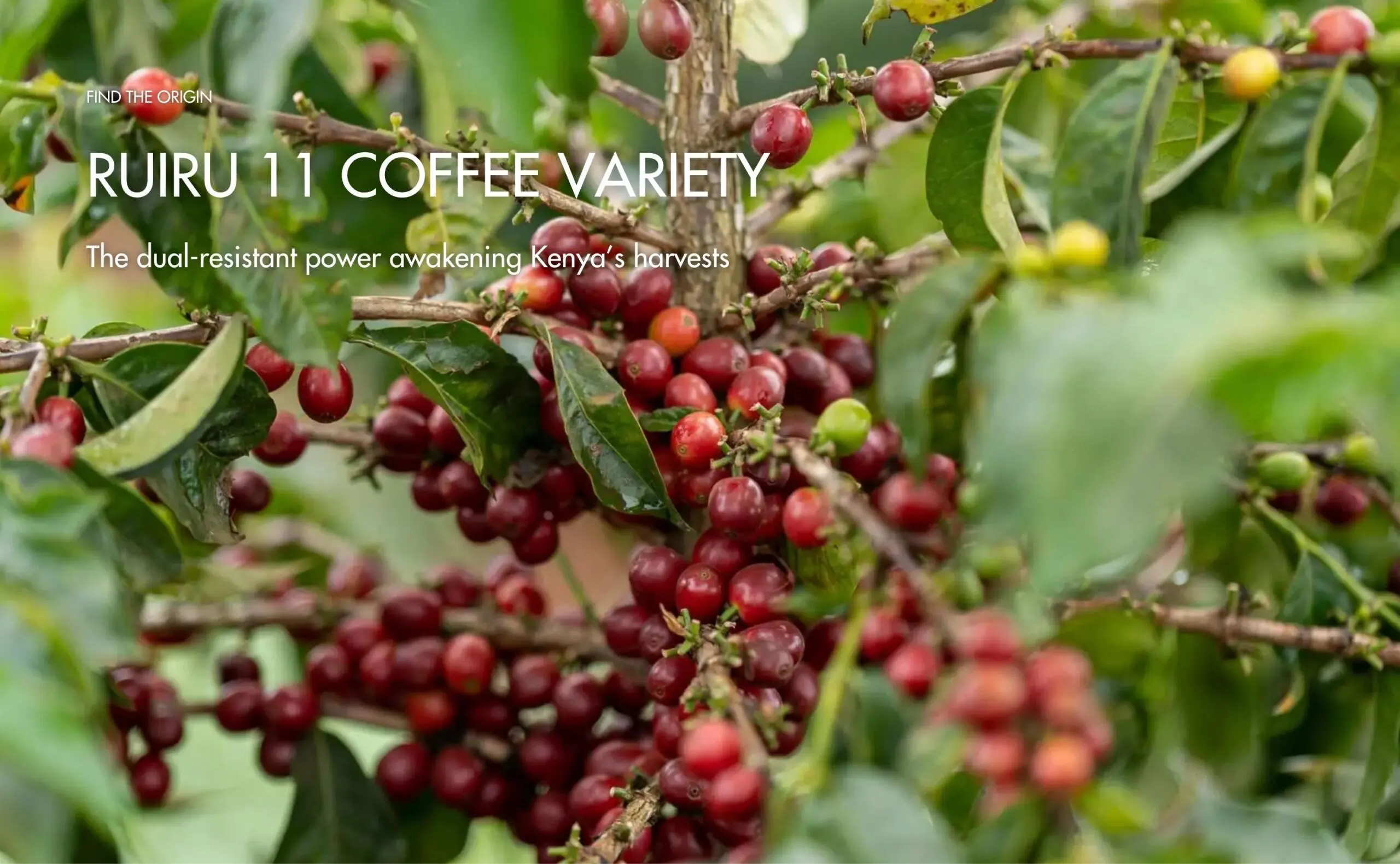
- Find the Origin
Ruiru 11 coffee variety – The dual-resistant power awakening Kenya’s harvests
Born from the ashes of a devastating pandemic, Ruiru 11 is a resilient response of indigenous wisdom to the trials of nature. Carrying a complex genetic code from 66 sibling isolines, this humbly statured coffee variety possesses superb “dual-resistance” against the twin shadows of Coffee Berry Disease and Coffee Leaf Rust. Overcoming early prejudices and the paradox of trade-offs between yield and flavor, Ruiru 11 has been weaving through nurseries, awakening dormant harvests across highland hillsides, and igniting a proud flame of self-reliance for Kenyan coffee.

- Taste the Origin
Sudan Rume #00313 by CGLE – The origin legend beneath the Eucalyptus canopy
From a wild coffee lineage discovered in the Rume Mountains in the 1940s to the enduring conservation efforts of Café Granja La Esperanza, Sudan Rume #00313 by CGLE invites drinkers on a sensory pilgrimage to the birthplace of the Arabica world. It is a rare biological legacy preserved through unwavering dedication, integrity, and deep reverence for history.
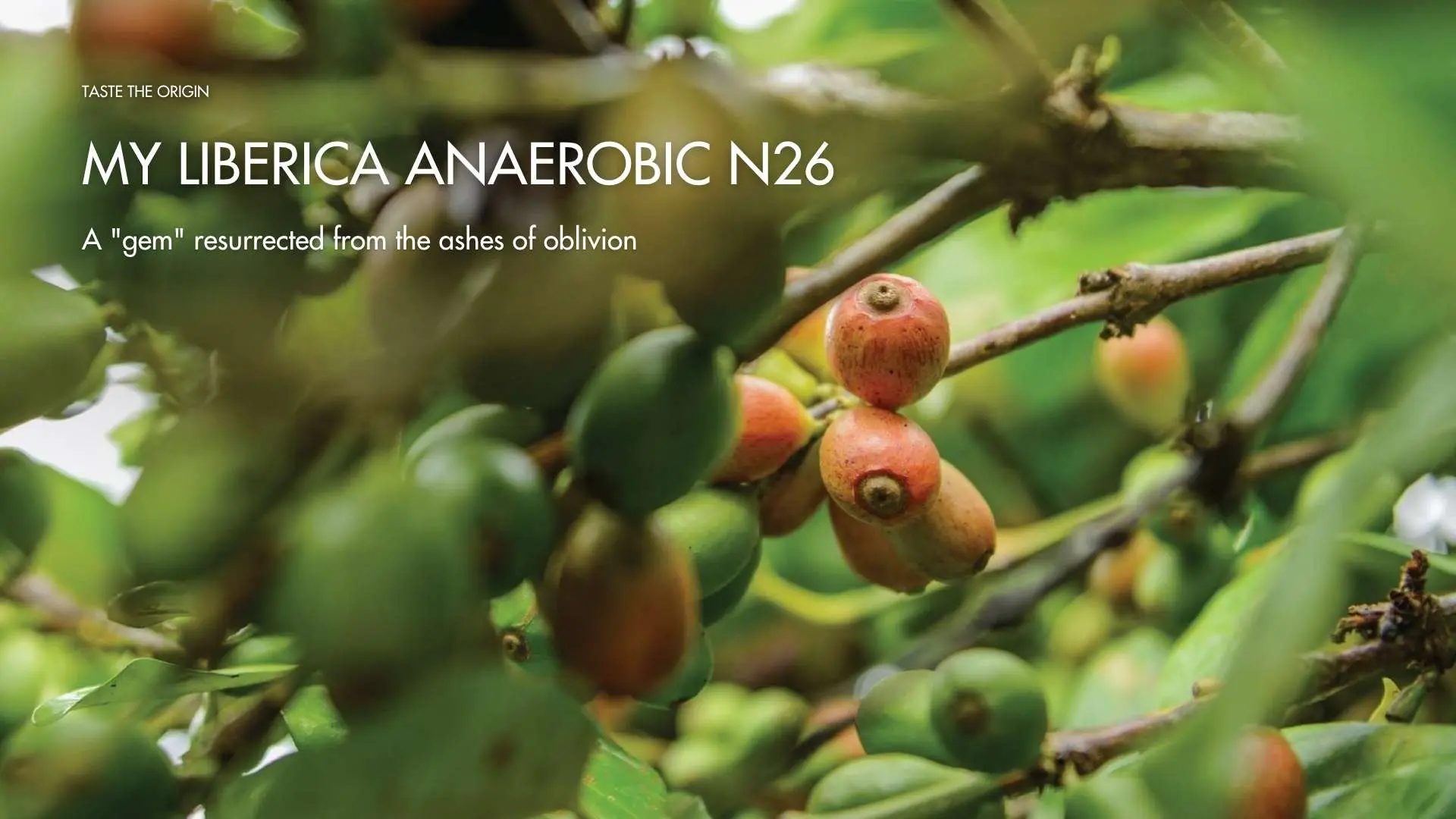
- Taste the Origin
My Liberica Anaerobic N26 – A “gem” resurrected from the ashes of oblivion
The journey of My Liberica Anaerobic N26 is the triumph of a forgotten species, awakened by the depth of understanding, patience, and faith in its original essence. From the heavy clay layers of Kulai to 26 days of transformation in absolute darkness, each step contributes to unlocking layers of flavor that the world once thought could not exist in Liberica. More than just a cup of coffee, My Liberica Anaerobic N26 is a powerful declaration that all great values begin with the courage to delve into their essence, and then rise to a unique voice that resonates throughout the world.


- Taste the Origin
Finca Soledad Mejorado Tyoxy & Fincas Putushio Mejorado – The red thread of the Jijón family
The simultaneous arrival of Finca Soledad Mejorado Tyoxy and Fincas Putushio Mejorado at XLIII Coffee paints a remarkable portrait of the adaptability of the Mejorado variety within Ecuador’s specialty coffee landscape. Nurtured by a shared family philosophy and a commitment to principled cultivation, these two processed lots represent both a breakthrough in microbial innovation and the remarkable return of an exceptional flavor profile.

- Taste the Origin
Finca La Palestina Gesha #5482 – A new chapter in the legend from Cajamarca
From the renowned Cajamarca region, Finca La Palestina Gesha #5482 returns after a period of absence with a proud and fresh appearance. Nurtured in ideal altitude conditions and the cool climate characteristic of the Andes, each coffee bean slowly accumulates subtle flavor nuances before being perfected using the Washed method to maximize the purity of the Gesha variety. Under a carefully refined extremely-light roast profile, this batch of coffee reveals layers of white jasmine, ripe citrus, and sweet golden apricot aromas, interwoven in an elegant and rich flavor structure.

Specialty Coffee in Vietnam
BRAND VALUE
YOU SHOULD HAVE KNOWN
XLIII Coffee has been aiming to become a big, impactful company with social responsibilities,
have access to high-quality raw materials and convey the complete original values of coffee to our customer
