
What is Monsoon Malabar coffee? Its processing and flavor?
Monsoon Malabar is a specialty coffee processing method that harnesses local climate to transform coffee beans in both flavor and structure. What makes this coffee so unique? Let’s explore the process, its distinctive sensory characteristics, and how to unlock the full potential of Monsoon Malabar.
I. Understanding the Monsoon Malabar Method
What is Monsoon Malabar?
Monsoon Malabar, also known as Monsooned Malabar or Monsooning coffee, is a unique processing method originating from India’s Malabar Coast in Karnataka, Southwest India. Unlike typical processing methods that simply dry or ferment beans after harvest, Monsooning takes advantage of India’s humid monsoon season to “cure” the coffee in moist air for weeks.
During this time, the beans absorb natural moisture from the monsoon winds, swell in size, change color, and lose most of their original acidity—developing distinctive earthy, chocolatey, and spicy notes.
Monsoon Malabar coffee is also protected under India’s Geographical Indications of Goods Act, meaning it can only be officially sold under this name if it comes from this designated region.
Historical Origins
Monsoon Malabar was born from what was essentially a “happy accident” of colonial-era coffee trade.
In the late 19th century, coffee from India was shipped to Europe on wooden sailing vessels—a journey that took four to six months via the Cape of Good Hope. During this lengthy voyage, the beans were stored in closed but damp wooden hulls, exposed to salty sea air and humidity.
As a result, the coffee naturally absorbed moisture, expanded in size, changed color from fresh green to pale yellow, and lost most of its bright acidity. Ironically, European buyers came to love this “weathered” flavor profile for its smooth, earthy, low-acid character.
However, with the advent of modern, faster, and sealed shipping, Indian coffee arrived in Europe fresher, greener, and with its acidity intact—but no longer delivered the mellow flavor that customers had grown to expect.

To meet this demand, producers in India developed the Monsooning process: a controlled method that recreates the humid, maritime conditions of the old sea voyages, right on the Malabar Coast, restoring the beloved “weathered” flavor profile.
II. The Monsooned Malabar Processing Method
The Monsooned Malabar process takes place during the Southwest monsoon season (June to September) along India’s Malabar Coast—a region defined by its humid, windy, tropical climate. The entire process is carefully managed and standardized in three main stages:
1. Harvesting and Preparatio
Coffee cherries are harvested and initially processed either by wet or dry methods. They are then sun-dried.
After drying, the beans are graded by size and quality (for example, AA, A). These dried beans are stored in warehouses until the monsoon season begins.
2. Monsooning
When the monsoon arrives, the coffee beans are spread in thick layers of 10 to 15 cm in large, well-ventilated warehouses designed to allow airflow but keep out direct rain.
For about 12 to 16 weeks, the damp monsoon winds continuously blow through these warehouses, and the beans gradually absorb moisture from the naturally humid air.
Workers routinely rake and turn the beans on a set schedule to ensure even moisture absorption and to prevent unwanted fermentation or mold growth.
Throughout this process, the beans swell significantly, changing color from green to a pale straw yellow, and their moisture content rises to around 14.5% (compared to the typical 10–11% for standard coffee).

3. Sorting and Packing
After the monsooning period ends, the beans are carefully screened and graded once more to remove any damaged or substandard beans.
The finished Monsooned coffee is then bagged (usually in 60–70 kg sacks) ready for export or local roasting.
Key Point:
The Monsooning process relies entirely on the region’s natural humid monsoon climate without the need for added water or the production of wastewater. This makes it a much lower-impact processing method environmentally than wet or honey processing, which typically consume and discharge large amounts of water.

III. Distinctive Flavor Profile of Monsoon Malabar Coffee
Monsoon Malabar coffee is renowned for having virtually no acidity. This is in stark contrast to the modern specialty coffee trend that favors bright, fruity acidity.
The typical flavor of Monsoon Malabar is described as deep, earthy, and layered. It often has a pronounced earthy character, giving it a rustic, nostalgic feel. Light spice notes evoke black pepper, dry wood, or nutmeg. Dark chocolate or cocoa notes lend a pleasant bittersweetness. Nutty and malty tones add natural sweetness and complexity. There may also be a subtle “musty” or “weathered” aroma—a signature result of the humid monsooning process that many drinkers actually seek out.
The body of Monsooned coffee is especially heavy and full, coating the palate richly. The finish is long-lasting, leaving earthy and nutty flavors lingering in the mouth.

Because of these characteristics, Monsoon Malabar is often used by roasters as a component in espresso blends, balancing out coffees with higher acidity to create smooth, complex, and well-rounded shots.
IV. Tips for Roasting and Brewing Monsoon Malabar
Understanding the Strengths and Challenges of Monsoon Malabar
Before you can fully unlock Monsoon Malabar’s potential, both roasters and brewers need to appreciate its unique properties—and the challenges they present.
Advantages: Monsoon Malabar’s standout quality is its highly distinctive flavor, which is unmistakably different from most modern specialty coffees. It has virtually no acidity, making it approachable for those who dislike bright, sour profiles. It offers a dense, full body that’s ideal for crafting balanced, smooth espresso blends. Moreover, Monsoon Malabar is a heritage product of India with protected geographical indication status, adding cultural and commercial value.
Challenges: Monsoon Malabar is typically sourced from multiple farms, making farm-level traceability nearly impossible. Technically, the beans have low density and high moisture content, posing challenges in roasting. Additionally, its low-acid, earthy profile doesn’t align with the bright, single-origin style that many Third Wave coffee enthusiasts seek.

Roasting Monsoon Malabar
Given these strengths and weaknesses, roasting Monsoon Malabar requires careful adjustments to highlight its unique qualities without scorching or imbalancing the cup.
Because of the beans’ low density, their outer layer can scorch easily if the initial charge temperature is too high. Meanwhile, the higher-than-average internal moisture requires a long, even drying phase to prevent roasting defects like uneven development.
A recommended approach is to start with a lower drum charge temperature than you would use for denser coffees. This allows a slower, better-controlled drying stage. In terms of roast level, many experts suggest aiming for light-medium to medium-dark. At these levels, chocolate, nutty, and malty notes shine through, delivering a rich, smooth cup. Roasting too lightly can expose undesirable grassy or woody flavors.
Additionally, Monsoon Malabar is often roasted separately (rather than pre-blended) to allow for better control of its development and post-roast blending to meet flavor goals.

Brewing with Monsoon Malabar
Monsoon Malabar truly shines with brewing methods that emphasize its full body and long finish. Espresso is the classic choice, producing thick, sweet crema with low acidity but plenty of complexity. Brewing with a Moka Pot also yields a traditional, dense, robust cup.
French Press is excellent for maximizing body and deep flavors, showcasing the earthy, nutty, and chocolatey notes. For pour-over methods (like V60 or Chemex), aim for a medium to medium-dark roast to ensure balanced extraction and avoid overly grassy or woody flavors.
In contrast, Monsoon Malabar is not well-suited to cold brew. Its naturally low acidity can result in a “flat” and underwhelming cold coffee without sufficient brightness or contrast.
Conclusion
Monsoon Malabar coffee is an experience in itself, transporting drinkers to the salty monsoon winds of India’s coastal regions. While it may not suit everyone’s taste, this processing method has secured its own niche in the specialty coffee world as a kind of “wonder” of coffee processing. With the right preparation and understanding, Monsoon Malabar can become a unique ingredient in the arsenal of any roaster or barista.
Are you ready to try specialty coffee lots processed with Monsoon Malabar? Visit XLIII Coffee to explore them.
V. FAQs
1. Does monsooning make coffee moldy?
A properly executed monsooning process ensures excellent ventilation and frequent turning to prevent mold growth. However, the light “weathered” aroma is a desired characteristic, not a sign of spoilage.
2. How does the monsooning process work?
After drying and grading, coffee beans are spread in well-ventilated warehouses to catch the humid monsoon winds for 3–4 months. Workers regularly rake and turn the beans to ensure even moisture absorption and to prevent mold. This process replicates the conditions of old sailing-ship transport.
3. Is Monsoon Malabar only produced in India?
Yes. The process relies on the distinctive southwest monsoon winds along the Malabar Coast and is protected by India’s geographical indication system.
4. Is Monsoon Malabar Arabica or Robusta?
Both Arabica and Robusta can undergo the monsooning process. However, the most famous Monsoon Malabar coffees are typically Arabica from Karnataka and Kerala.
5. How is Monsoon Malabar different from typical specialty coffee?
The biggest difference is its extremely low acidity and deep, earthy flavors, instead of the bright, fruity notes prized in many third-wave single-origin coffees. It offers a more traditional style with a rich history that’s distinctly Indian.

Bài viết mới
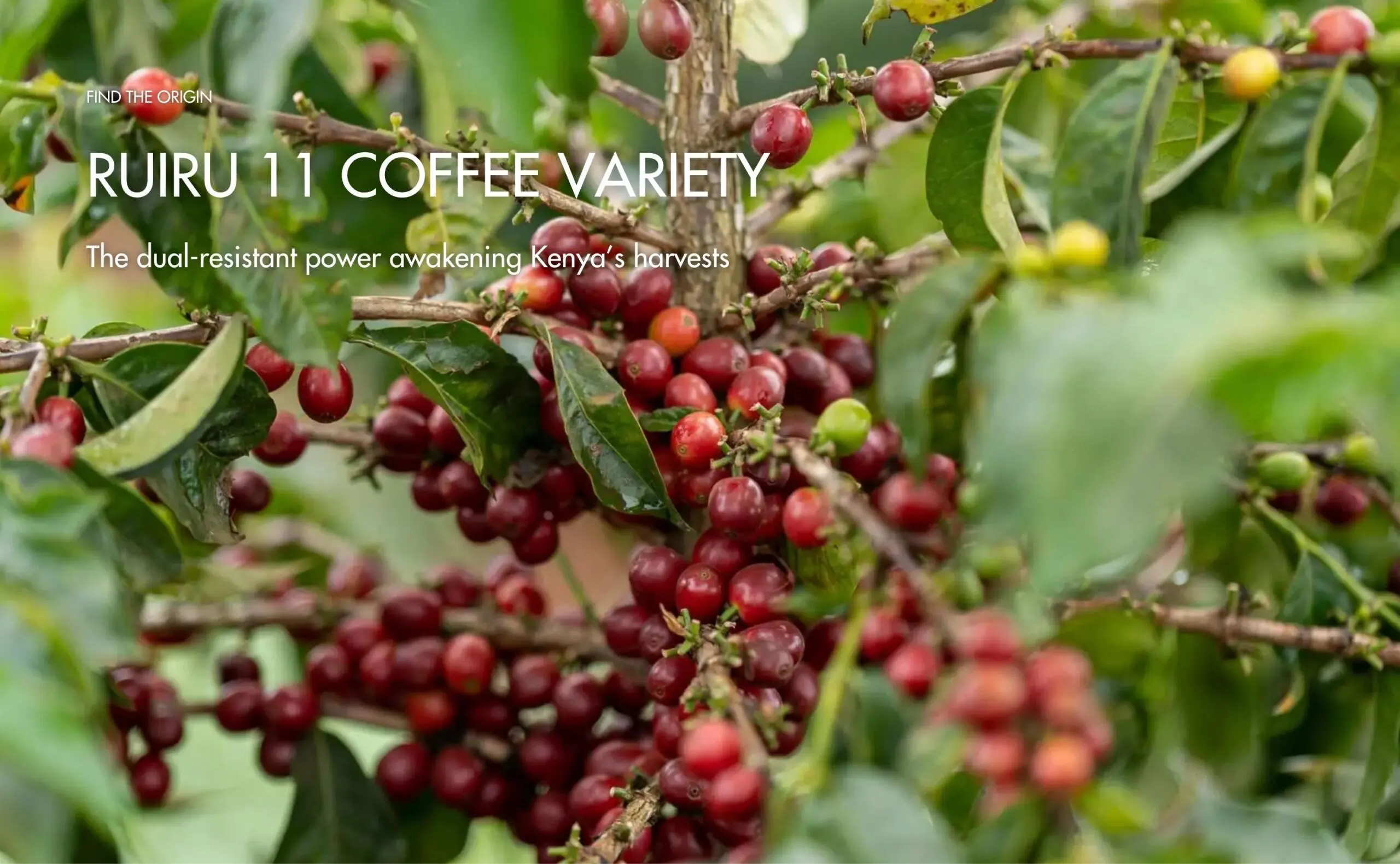
- Find the Origin
Ruiru 11 coffee variety – The dual-resistant power awakening Kenya’s harvests
Born from the ashes of a devastating pandemic, Ruiru 11 is a resilient response of indigenous wisdom to the trials of nature. Carrying a complex genetic code from 66 sibling isolines, this humbly statured coffee variety possesses superb “dual-resistance” against the twin shadows of Coffee Berry Disease and Coffee Leaf Rust. Overcoming early prejudices and the paradox of trade-offs between yield and flavor, Ruiru 11 has been weaving through nurseries, awakening dormant harvests across highland hillsides, and igniting a proud flame of self-reliance for Kenyan coffee.

- Taste the Origin
Sudan Rume #00313 by CGLE – The origin legend beneath the Eucalyptus canopy
From a wild coffee lineage discovered in the Rume Mountains in the 1940s to the enduring conservation efforts of Café Granja La Esperanza, Sudan Rume #00313 by CGLE invites drinkers on a sensory pilgrimage to the birthplace of the Arabica world. It is a rare biological legacy preserved through unwavering dedication, integrity, and deep reverence for history.
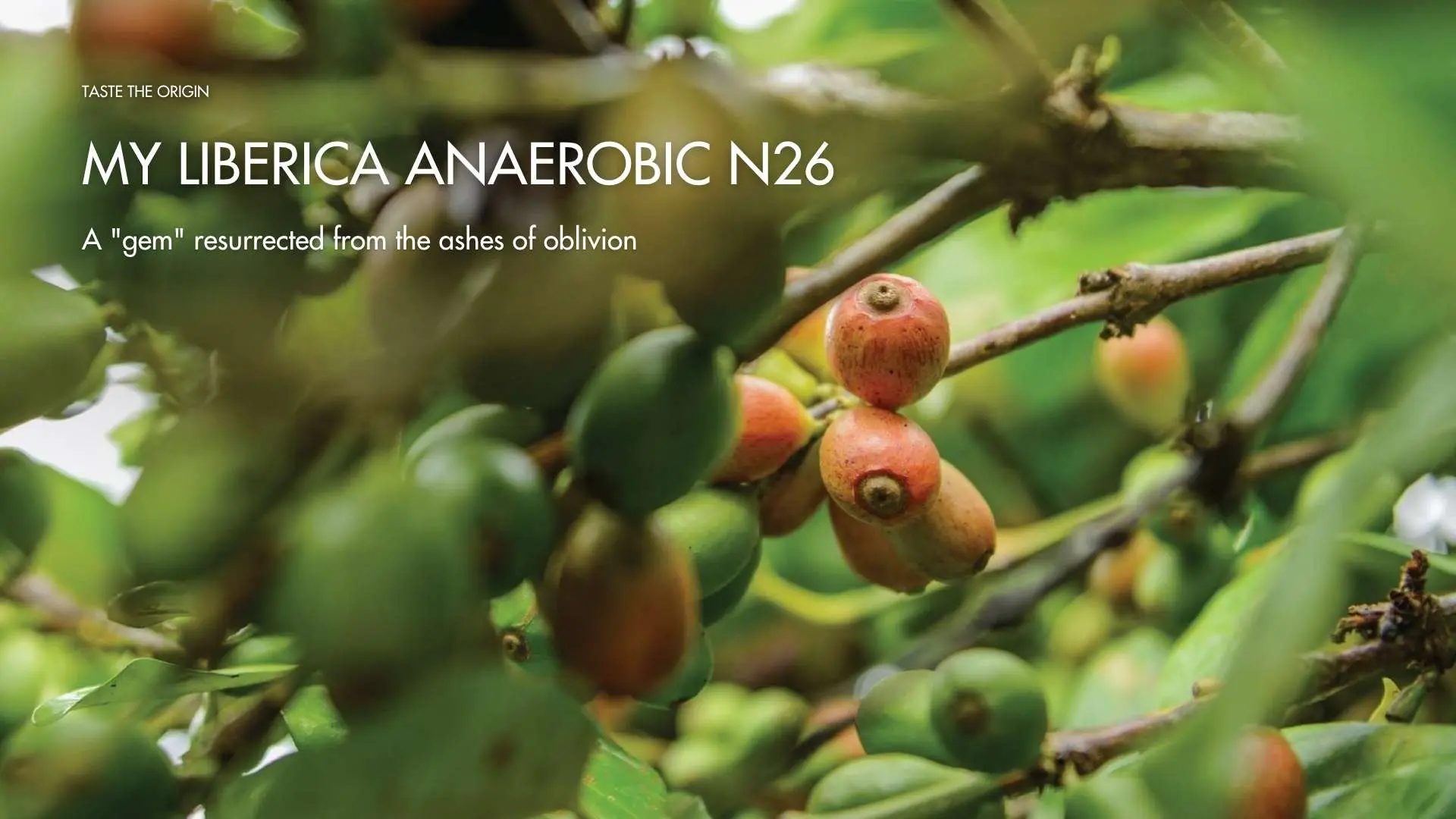
- Taste the Origin
My Liberica Anaerobic N26 – A “gem” resurrected from the ashes of oblivion
The journey of My Liberica Anaerobic N26 is the triumph of a forgotten species, awakened by the depth of understanding, patience, and faith in its original essence. From the heavy clay layers of Kulai to 26 days of transformation in absolute darkness, each step contributes to unlocking layers of flavor that the world once thought could not exist in Liberica. More than just a cup of coffee, My Liberica Anaerobic N26 is a powerful declaration that all great values begin with the courage to delve into their essence, and then rise to a unique voice that resonates throughout the world.


- Taste the Origin
Finca Soledad Mejorado Tyoxy & Fincas Putushio Mejorado – The red thread of the Jijón family
The simultaneous arrival of Finca Soledad Mejorado Tyoxy and Fincas Putushio Mejorado at XLIII Coffee paints a remarkable portrait of the adaptability of the Mejorado variety within Ecuador’s specialty coffee landscape. Nurtured by a shared family philosophy and a commitment to principled cultivation, these two processed lots represent both a breakthrough in microbial innovation and the remarkable return of an exceptional flavor profile.

- Taste the Origin
Finca La Palestina Gesha #5482 – A new chapter in the legend from Cajamarca
From the renowned Cajamarca region, Finca La Palestina Gesha #5482 returns after a period of absence with a proud and fresh appearance. Nurtured in ideal altitude conditions and the cool climate characteristic of the Andes, each coffee bean slowly accumulates subtle flavor nuances before being perfected using the Washed method to maximize the purity of the Gesha variety. Under a carefully refined extremely-light roast profile, this batch of coffee reveals layers of white jasmine, ripe citrus, and sweet golden apricot aromas, interwoven in an elegant and rich flavor structure.

Specialty Coffee in Vietnam
BRAND VALUE
YOU SHOULD HAVE KNOWN
XLIII Coffee has been aiming to become a big, impactful company with social responsibilities,
have access to high-quality raw materials and convey the complete original values of coffee to our customer
