
Are disposable coffee cups made from bamboo or sugarcane bagasse really safe and environmentally friendly?
In the past few years, disposable coffee cups made from bamboo or sugarcane bagasse have been popular because they are believed to be made from nature, are safe and contribute to environmental protection. But recently, a series of studies have shown that these disposable cups may contain toxic melamine-formaldehyde resin that affects the body. Furthermore, disposable cups made from bamboo or sugarcane bagasse are more difficult to recycle than paper cups, can increase the amount of waste for the environment and are not sustainable. What is the truth? Let’s find out with XLIII Coffee!
Cốc dùng một lần làm từ tre hoặc bã mía đựng cà phê có thể chứa nhựa gây ung thư
According to a Guardian report, items such as disposable cups made from bamboo or sugarcane bagasse are often made from many small pieces joined together with glue containing formaldehyde. This substance can cause rashes, eye irritation, impaired lung function and may cause cancer. Currently, some cups are made with “safe” glue but they can also be made with melamine-formaldehyde resin. This flexible plastic can degrade quickly, causing the food and drinks in it to be contaminated with toxic substances.
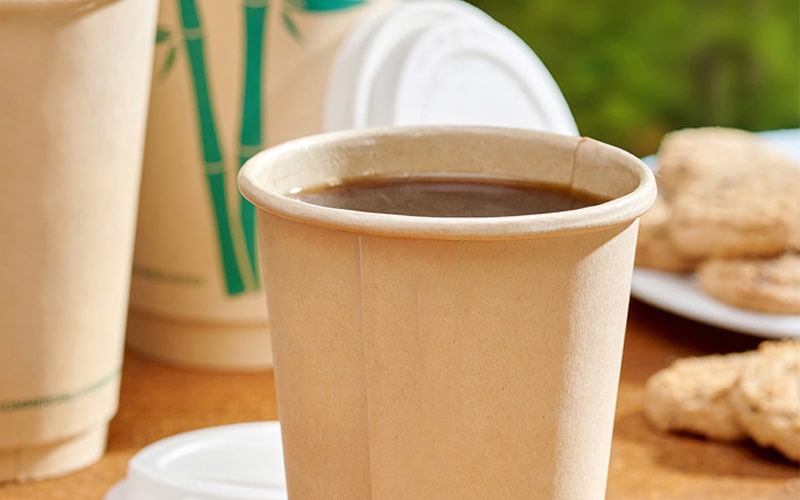
A study shows that cups made of bamboo or sugarcane bagasse, when exposed to hot liquids such as coffee or milk, will produce formaldehyde in amounts 30 times the daily limit for adults and 120 times higher for adults. with young children. With regular exposure, the body is at risk of functional decline and kidney diseases, endocrine disorders and neurological problems. Furthermore, with high-temperature and acidic drinks, the amount of melamine-formaldehyde can react strongly with other substances in the drink, easily producing toxins. Therefore, the California government’s Proposition 65 warned that products made of bamboo may contain some cancer-causing chemicals.
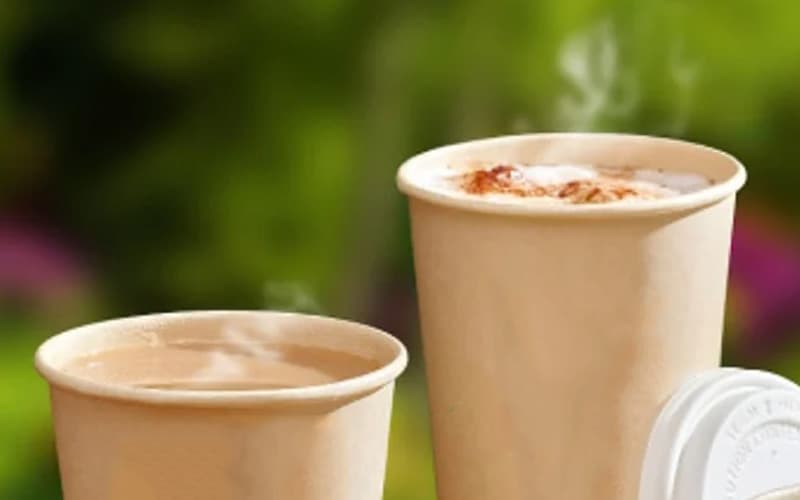
Disposable cups made from bamboo or sugarcane bagasse cannot be recycled
A 2020 scientific study declared that bamboo or sugarcane bagasse is a highly renewable, fast-growing, sustainable, and energy-saving biomass resource. It has the highest structural strength comparable to wood, concrete and steel so it is used to produce engineering composites to meet the demand for sustainable construction products. After that, people used it to make disposable cups to hold coffee, milk, etc. in the hope of replacing plastic and protecting the environment.

However, according to Guardian research, cups made of bamboo are not as environmentally friendly as we think. They are often not recyclable and difficult to decompose because they are glued and coated with plastic resins such as melamine formaldehyde to increase adhesion and waterproofing. Furthermore, disposable cups made from bamboo or sugarcane bagasse mixed with plastic when burned also create toxic emissions that pollute the air.

With concerns about food safety and the high risk of environmental contamination, the Food Standards Agency (FSA) said it had advised retailers to recall bamboo products in June. Sales involving disposable cups made from bamboo or sugarcane bagasse mixed with plastic will be illegal. Amazon has also decided to ban retailers from selling bamboo or melamine cups and tableware. Charities such as WWF-UK and Wild Planet Trust have both removed these items from their online stores.
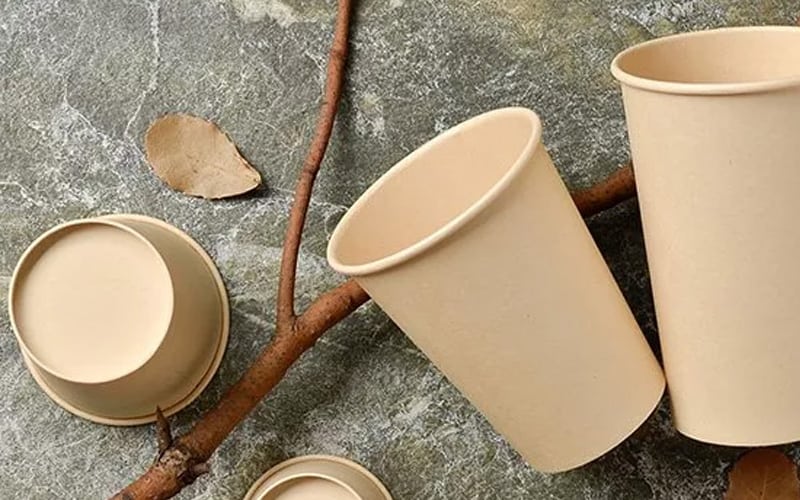
Efforts to find environmentally friendly plastic replacement materials are a good solution that contributes to sustainable development. But it can pose potential risks of harm to the body as well as worsen environmental pollution if done incorrectly. Therefore, please research carefully to choose materials that are safe for daily use. Limit single use of cups and bring quality glass and stainless steel bottles to ensure safety.
As a business operating with the principle of sustainability in all aspects, XLIII Coffee always strives to put safety and quality of consumer experience in parallel with environmental responsibility. We always pay attention to the entire process, offering the best options according to set standards. Once we understand the potential harm, we are willing to give up high profits, limit the use of plastic and disposable cups and choose recyclable materials across all supply processes.

XLIII Coffee cups delivered to consumers at stores are made from glass, can be used many times, retain the full essence of specialty coffee beans, and ensure safety for health. Disposable cups are not provided, so when you want to take them away, you can bring your own water bottle to use. In addition, if you want to experience it at home, you can choose roasted specialty coffee beans to ensure perfect quality. If you like it, please stop by XLIII Coffee to experience it!
Don’t forget to follow XLIII Coffee’s Journal channel to explore the journey of sustainable coffee.
Articles you may be interested in:
– What is lactic fermented coffee? Can innovative testing become a new trend?
– Why is green coffee still traded between producing countries?
– Drinking 4 cups of coffee a day can reduce physical weakness in old age

Bài viết mới
- Find the Origin
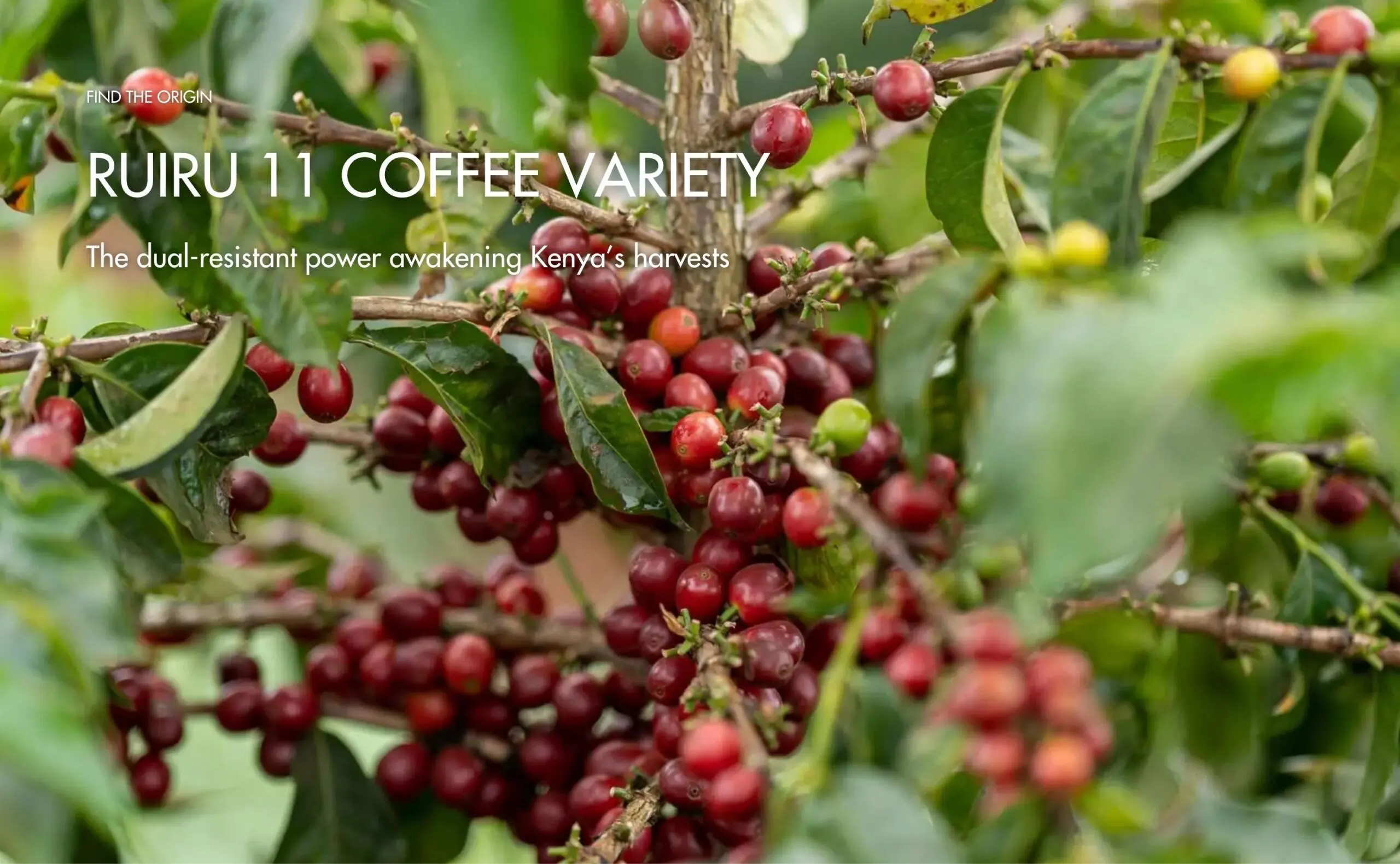
Ruiru 11 coffee variety – The dual-resistant power awakening Kenya’s harvests
Born from the ashes of a devastating pandemic, Ruiru 11 is a resilient response of indigenous wisdom to the trials of nature. Carrying a complex genetic code from 66 sibling isolines, this humbly statured coffee variety possesses superb “dual-resistance” against the twin shadows of Coffee Berry Disease and Coffee Leaf Rust. Overcoming early prejudices and the paradox of trade-offs between yield and flavor, Ruiru 11 has been weaving through nurseries, awakening dormant harvests across highland hillsides, and igniting a proud flame of self-reliance for Kenyan coffee.

- Taste the Origin
Sudan Rume #00313 by CGLE – The origin legend beneath the Eucalyptus canopy
From a wild coffee lineage discovered in the Rume Mountains in the 1940s to the enduring conservation efforts of Café Granja La Esperanza, Sudan Rume #00313 by CGLE invites drinkers on a sensory pilgrimage to the birthplace of the Arabica world. It is a rare biological legacy preserved through unwavering dedication, integrity, and deep reverence for history.
- Taste the Origin
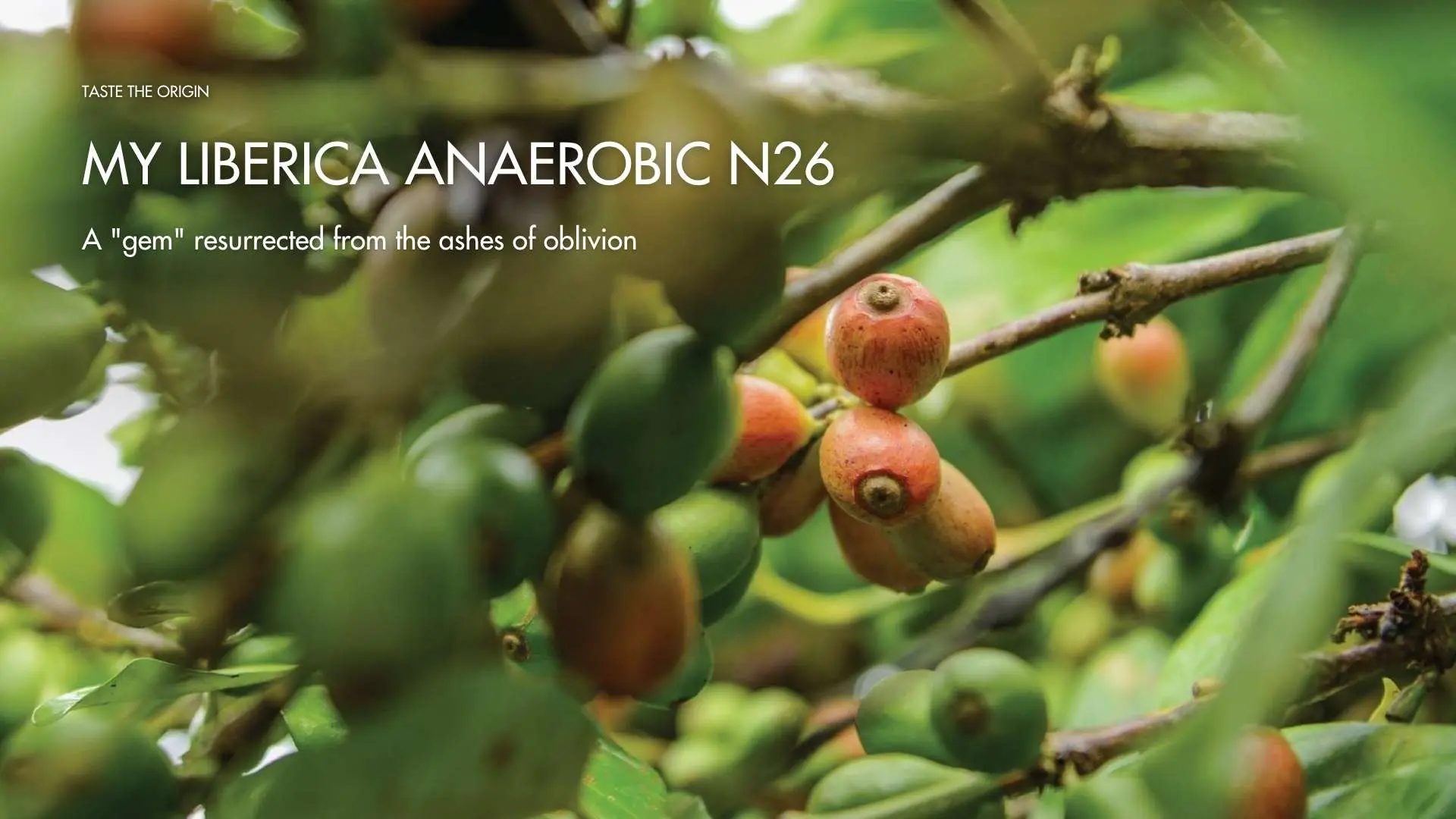
My Liberica Anaerobic N26 – A “gem” resurrected from the ashes of oblivion
The journey of My Liberica Anaerobic N26 is the triumph of a forgotten species, awakened by the depth of understanding, patience, and faith in its original essence. From the heavy clay layers of Kulai to 26 days of transformation in absolute darkness, each step contributes to unlocking layers of flavor that the world once thought could not exist in Liberica. More than just a cup of coffee, My Liberica Anaerobic N26 is a powerful declaration that all great values begin with the courage to delve into their essence, and then rise to a unique voice that resonates throughout the world.


- Taste the Origin
Finca Soledad Mejorado Tyoxy & Fincas Putushio Mejorado – The red thread of the Jijón family
The simultaneous arrival of Finca Soledad Mejorado Tyoxy and Fincas Putushio Mejorado at XLIII Coffee paints a remarkable portrait of the adaptability of the Mejorado variety within Ecuador’s specialty coffee landscape. Nurtured by a shared family philosophy and a commitment to principled cultivation, these two processed lots represent both a breakthrough in microbial innovation and the remarkable return of an exceptional flavor profile.

- Taste the Origin
Finca La Palestina Gesha #5482 – A new chapter in the legend from Cajamarca
From the renowned Cajamarca region, Finca La Palestina Gesha #5482 returns after a period of absence with a proud and fresh appearance. Nurtured in ideal altitude conditions and the cool climate characteristic of the Andes, each coffee bean slowly accumulates subtle flavor nuances before being perfected using the Washed method to maximize the purity of the Gesha variety. Under a carefully refined extremely-light roast profile, this batch of coffee reveals layers of white jasmine, ripe citrus, and sweet golden apricot aromas, interwoven in an elegant and rich flavor structure.

Specialty Coffee in Vietnam
BRAND VALUE
YOU SHOULD HAVE KNOWN
XLIII Coffee has been aiming to become a big, impactful company with social responsibilities,
have access to high-quality raw materials and convey the complete original values of coffee to our customer
