
Genetic study unveils the true origins and evolution of Arabica Coffee
Despite its long-standing history, the genetic makeup of Arabica coffee remained largely unexplored until the last decade. Recently, scientists have uncovered significant insights into the origins and genetic history of Arabica coffee through genomic research, paving the way for transformative advancements in the coffee industry.

The study, conducted by an international team of scientists and commissioned by Nestlé, was published in the prestigious journal Nature Genetics. Findings suggest that Arabica originated between 350,000 and 600,000 years ago through a natural hybridization process between two distinct coffee species in the wild forests of Ethiopia.
Specifically, Arabica emerged as a natural hybrid between Coffea canephora and Coffea eugenioides, inheriting two sets of chromosomes from each parent plant. However, pinpointing the exact timing and location of this polyploidy event has proven challenging, with estimates ranging from 10,000 to 1 million years ago. This discovery confirms that Arabica is not a human-created variety but rather the result of hundreds of thousands of years of natural evolution.
Using advanced DNA sequencing technology, the research team constructed a reference genome for Arabica. From current Arabica plants, they pieced together a comprehensive picture of the species’ formation and evolutionary journey.
Climate Influence and Genetic Diversity
The study also highlighted that Arabica’s genetic history carries imprints of climatic fluctuations over millennia. Models reveal that Arabica populations expanded and contracted during periods of global warming and cooling. During favorable wet conditions, Arabica thrived and spread from Ethiopia to Yemen before expanding globally.
Today, Arabica accounts for approximately 60% of global coffee production and is primarily grown in regions with temperate climates. However, its low genetic diversity makes it highly susceptible to diseases and pests. This vulnerability is exacerbated by the fact that Arabica can only grow in a limited number of regions with stable climates and minimal exposure to harmful pathogens. Understanding Arabica’s genome is thus a crucial step not only in genetic research but also in developing more resilient coffee varieties that can withstand extreme weather conditions.
Hybridization and Future Prospects
The research also discovered that hybridizing Arabica with Robusta (Coffea canephora) significantly enhances disease resistance, exemplified by the creation of the Timor hybrid. Known for its robust disease resistance, Robusta genes can help protect Arabica from threats such as coffee leaf rust, a devastating disease for coffee farmers.
With this new genomic insight, the future of the coffee industry could be significantly reshaped. Scientists are now closer to developing sustainable, disease-resistant coffee varieties, safeguarding global coffee supplies amid the challenges posed by climate change. This breakthrough represents not only a scientific milestone but also a critical step toward ensuring the long-term viability of the coffee industry worldwide.

Bài viết mới
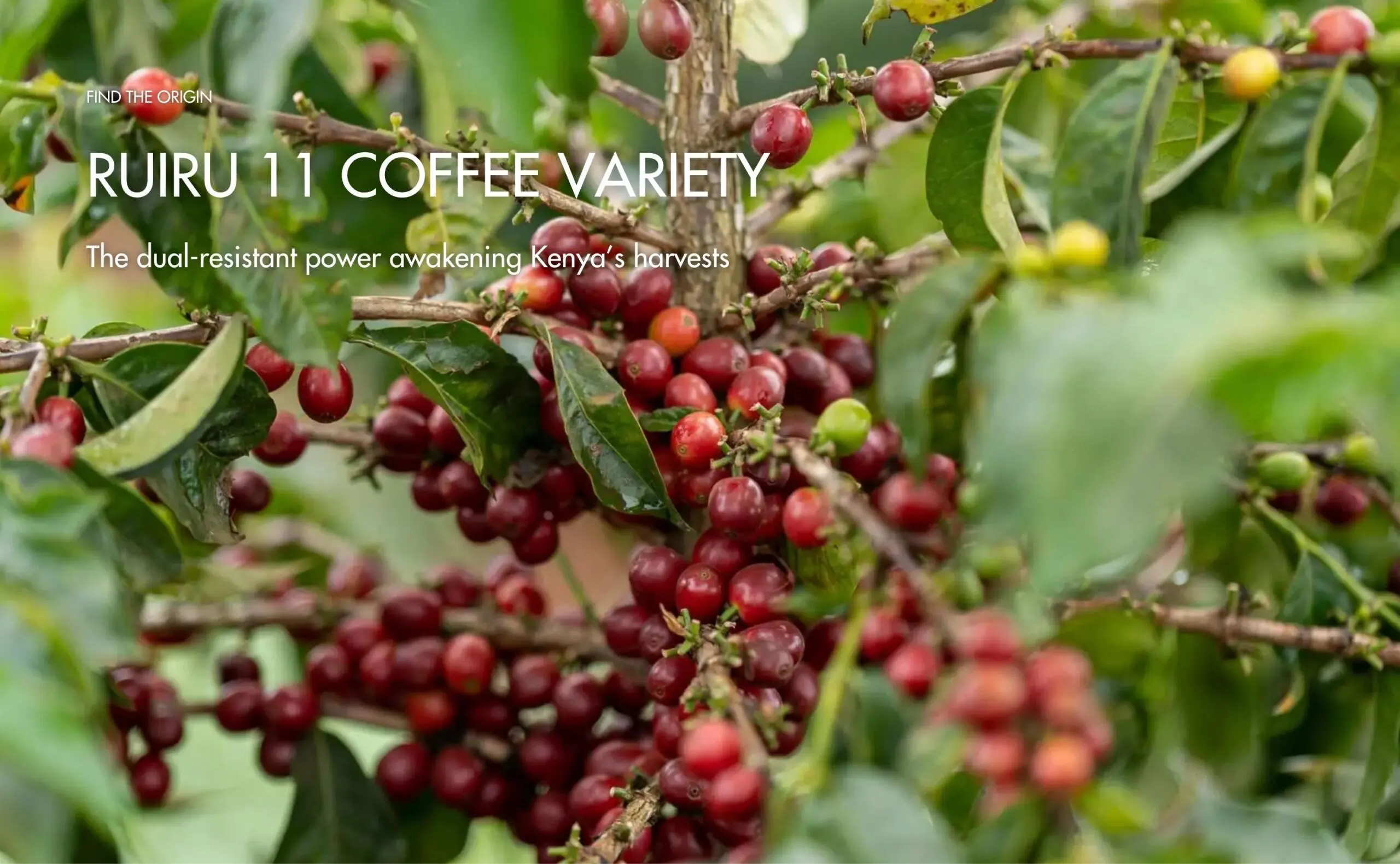
- Find the Origin
Ruiru 11 coffee variety – The dual-resistant power awakening Kenya’s harvests
Born from the ashes of a devastating pandemic, Ruiru 11 is a resilient response of indigenous wisdom to the trials of nature. Carrying a complex genetic code from 66 sibling isolines, this humbly statured coffee variety possesses superb “dual-resistance” against the twin shadows of Coffee Berry Disease and Coffee Leaf Rust. Overcoming early prejudices and the paradox of trade-offs between yield and flavor, Ruiru 11 has been weaving through nurseries, awakening dormant harvests across highland hillsides, and igniting a proud flame of self-reliance for Kenyan coffee.

- Taste the Origin
Sudan Rume #00313 by CGLE – The origin legend beneath the Eucalyptus canopy
From a wild coffee lineage discovered in the Rume Mountains in the 1940s to the enduring conservation efforts of Café Granja La Esperanza, Sudan Rume #00313 by CGLE invites drinkers on a sensory pilgrimage to the birthplace of the Arabica world. It is a rare biological legacy preserved through unwavering dedication, integrity, and deep reverence for history.
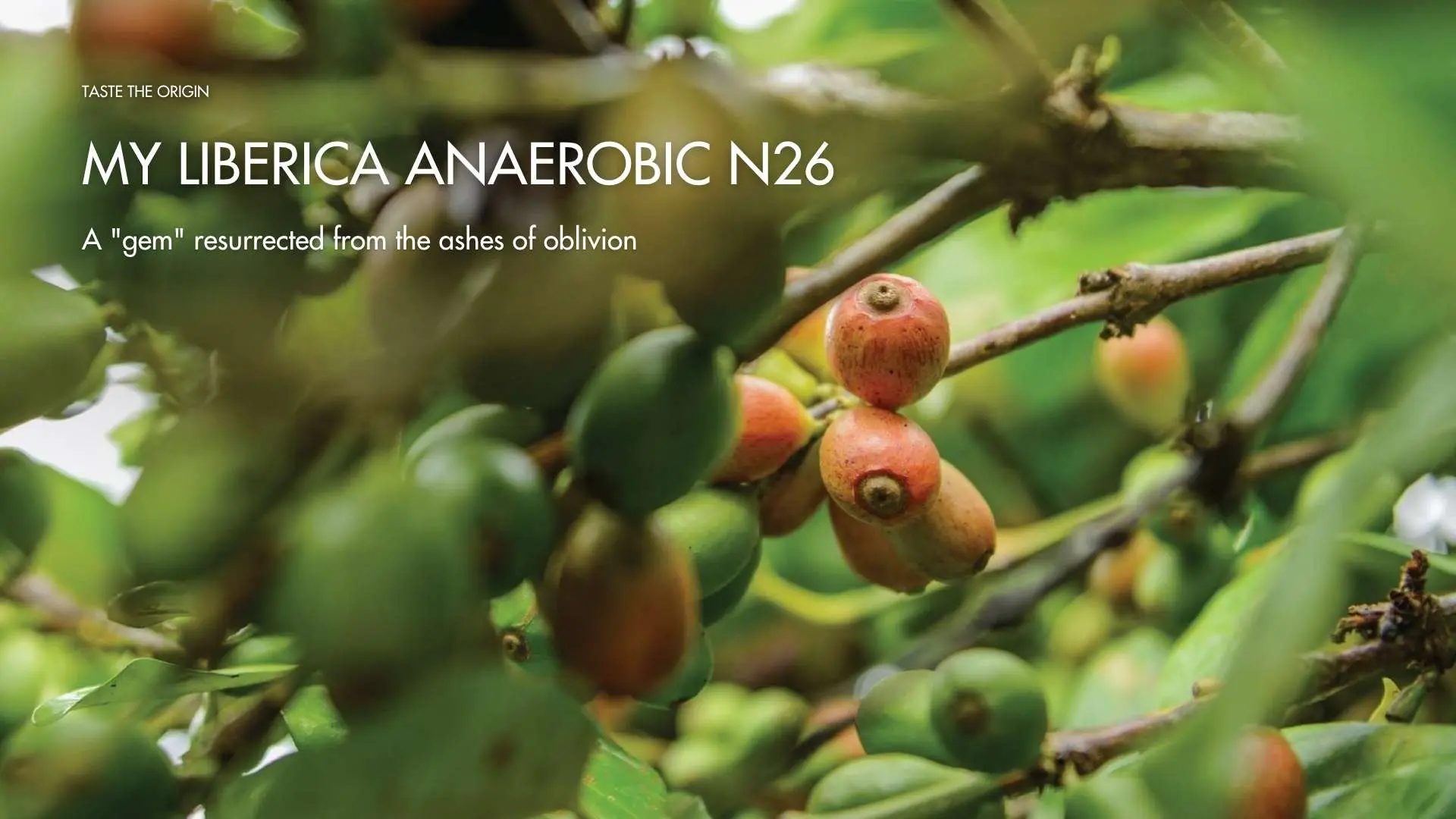
- Taste the Origin
My Liberica Anaerobic N26 – A “gem” resurrected from the ashes of oblivion
The journey of My Liberica Anaerobic N26 is the triumph of a forgotten species, awakened by the depth of understanding, patience, and faith in its original essence. From the heavy clay layers of Kulai to 26 days of transformation in absolute darkness, each step contributes to unlocking layers of flavor that the world once thought could not exist in Liberica. More than just a cup of coffee, My Liberica Anaerobic N26 is a powerful declaration that all great values begin with the courage to delve into their essence, and then rise to a unique voice that resonates throughout the world.


- Taste the Origin
Finca Soledad Mejorado Tyoxy & Fincas Putushio Mejorado – The red thread of the Jijón family
The simultaneous arrival of Finca Soledad Mejorado Tyoxy and Fincas Putushio Mejorado at XLIII Coffee paints a remarkable portrait of the adaptability of the Mejorado variety within Ecuador’s specialty coffee landscape. Nurtured by a shared family philosophy and a commitment to principled cultivation, these two processed lots represent both a breakthrough in microbial innovation and the remarkable return of an exceptional flavor profile.

- Taste the Origin
Finca La Palestina Gesha #5482 – A new chapter in the legend from Cajamarca
From the renowned Cajamarca region, Finca La Palestina Gesha #5482 returns after a period of absence with a proud and fresh appearance. Nurtured in ideal altitude conditions and the cool climate characteristic of the Andes, each coffee bean slowly accumulates subtle flavor nuances before being perfected using the Washed method to maximize the purity of the Gesha variety. Under a carefully refined extremely-light roast profile, this batch of coffee reveals layers of white jasmine, ripe citrus, and sweet golden apricot aromas, interwoven in an elegant and rich flavor structure.

Specialty Coffee in Vietnam
BRAND VALUE
YOU SHOULD HAVE KNOWN
XLIII Coffee has been aiming to become a big, impactful company with social responsibilities,
have access to high-quality raw materials and convey the complete original values of coffee to our customer
